Nothing spikes your heart rate like a kitten who suddenly seems “off.” I have fostered plenty of wiggly, snack-obsessed babies who turned quiet overnight, and I have learned this the hard way: kittens can go from fine to fragile fast.
This guide walks you through seven common kitten illnesses, the warning signs that matter most, and what to do next. It is not a replacement for veterinary care, but it can help you decide when to call, when to go in, and what details to share with your clinic.
Before you start: always urgent signs
If you notice any of the following, treat it like an emergency and contact an emergency vet right away:
- Breathing trouble: open-mouth breathing, fast or labored breathing at rest, belly heaving, or blue or gray gums
- Collapse, unresponsiveness, seizures, or extreme weakness
- Repeated vomiting, vomiting with blood, or vomiting plus lethargy in a young kitten
- Watery diarrhea that is frequent, bloody, or black and sticky (tarry), especially if paired with weakness
- Not eating: very young kittens (under 12 weeks) missing meals can crash quickly; if under 8 weeks, call within hours. Any age plus lethargy is urgent.
- Suspected toxin exposure (lilies, essential oils, human meds, rodent bait)
- Straining to pee, crying in the litter box, or producing little to no urine
If you are unsure, call anyway. I would rather you feel “a little dramatic” than miss the early window where treatment is easiest.
1) Upper respiratory infection (URI)
URIs are extremely common in kittens, especially those from shelters, rescues, or outdoor colonies. The usual culprits are feline herpesvirus and calicivirus, sometimes with a secondary bacterial infection layered on top.
Warning signs you should not ignore
- Sneezing fits, nasal congestion, or thick yellow or green discharge
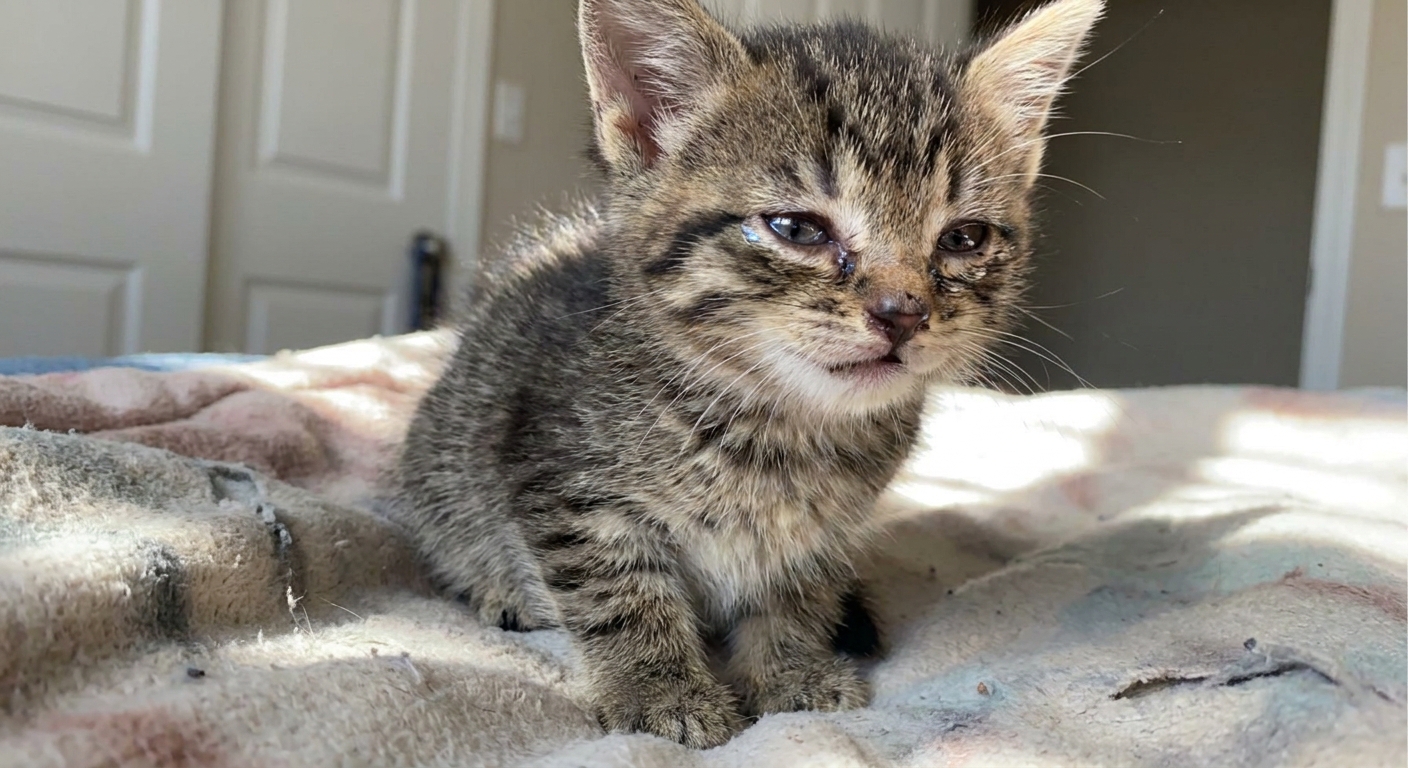
- Watery or goopy eyes, squinting, or holding one eye shut
- Mouth ulcers, drooling, or suddenly refusing food (congestion can ruin appetite)
- Any breathing effort, fast breathing, or open-mouth breathing
What to do now
- Call your vet if your kitten is under 12 weeks, if there is eye involvement, if eating drops off, or if symptoms last more than 24 to 48 hours.
- Keep them hydrated. Offer water and wet food. If your kitten will not eat, ask your vet how to safely entice appetite.
- Humidity helps: sit in a steamy bathroom for 10 to 15 minutes, 1 to 2 times daily. Keep it supervised, keep your kitten well away from hot water, and do not use essential oils.
- Gently wipe crust from eyes and nose with warm, damp cotton rounds.
Vet tip to ask about: kittens with squinty or goopy eyes may need prescription eye meds. Do not use leftover human drops or another pet’s medication.
2) Parasites (worms, giardia, coccidia, fleas)
Most kittens come with some kind of hitchhiker. Intestinal parasites can cause diarrhea, poor growth, and dehydration. Fleas are not “just itchy” for kittens, they can trigger anemia in tiny bodies.
Warning signs you should not ignore
- Diarrhea lasting more than 24 hours, any watery diarrhea, or diarrhea plus low energy
- Pot-bellied look, poor weight gain, or dull coat
- Vomiting worms or seeing rice-like segments near the rear
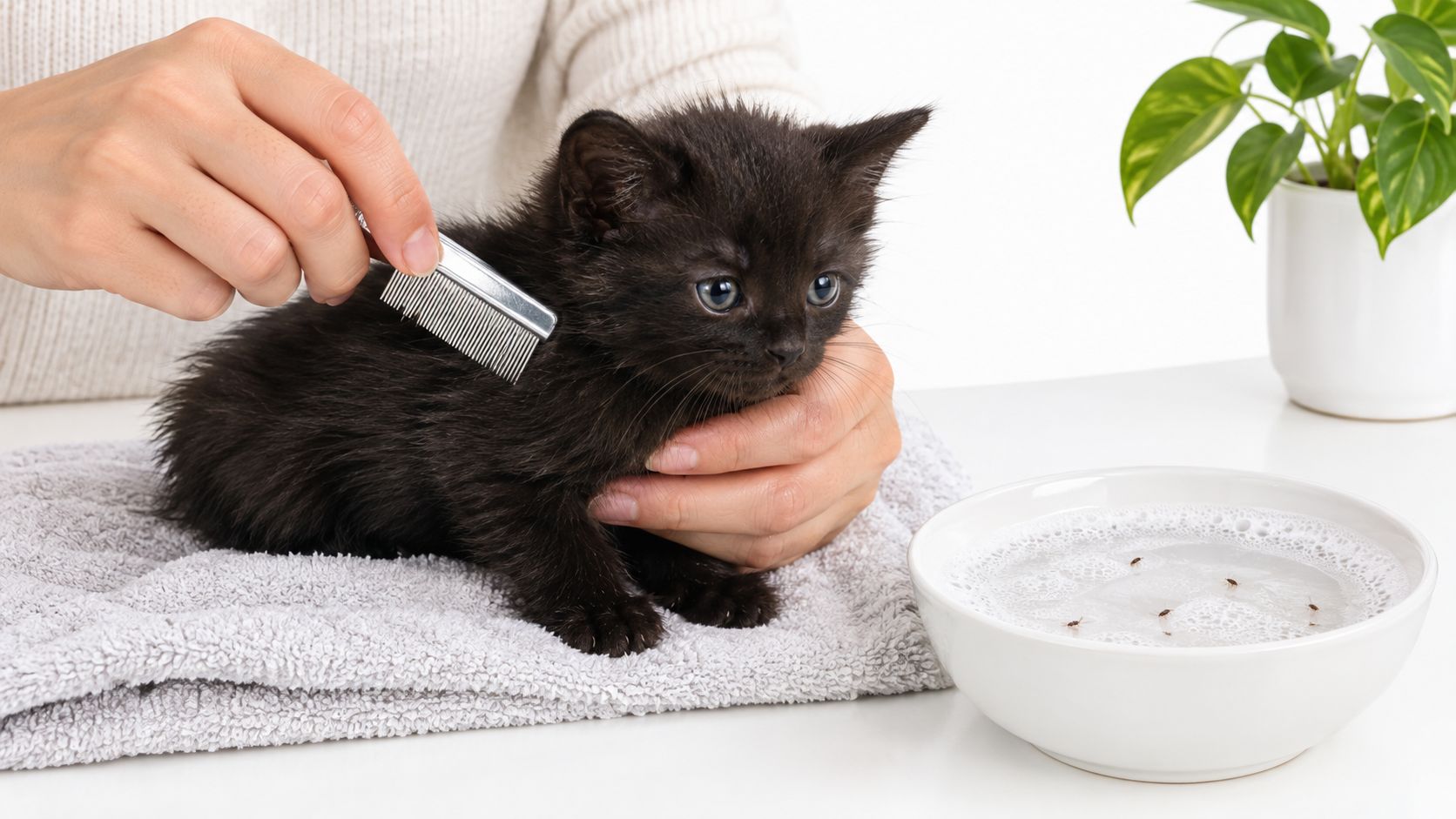
- Fleas or black specks that turn reddish-brown when wet (flea dirt)
- Pale gums, weakness, or sleeping much more than usual (possible anemia)
- Itchy skin, patchy hair loss, or circular bald spots (possible ringworm or mites, and ringworm can spread to people and pets)
What to do now
- Book a vet visit and bring a fresh stool sample if you can.
- Do not guess with dewormers or use dog products. Many flea and parasite products are weight and age specific.
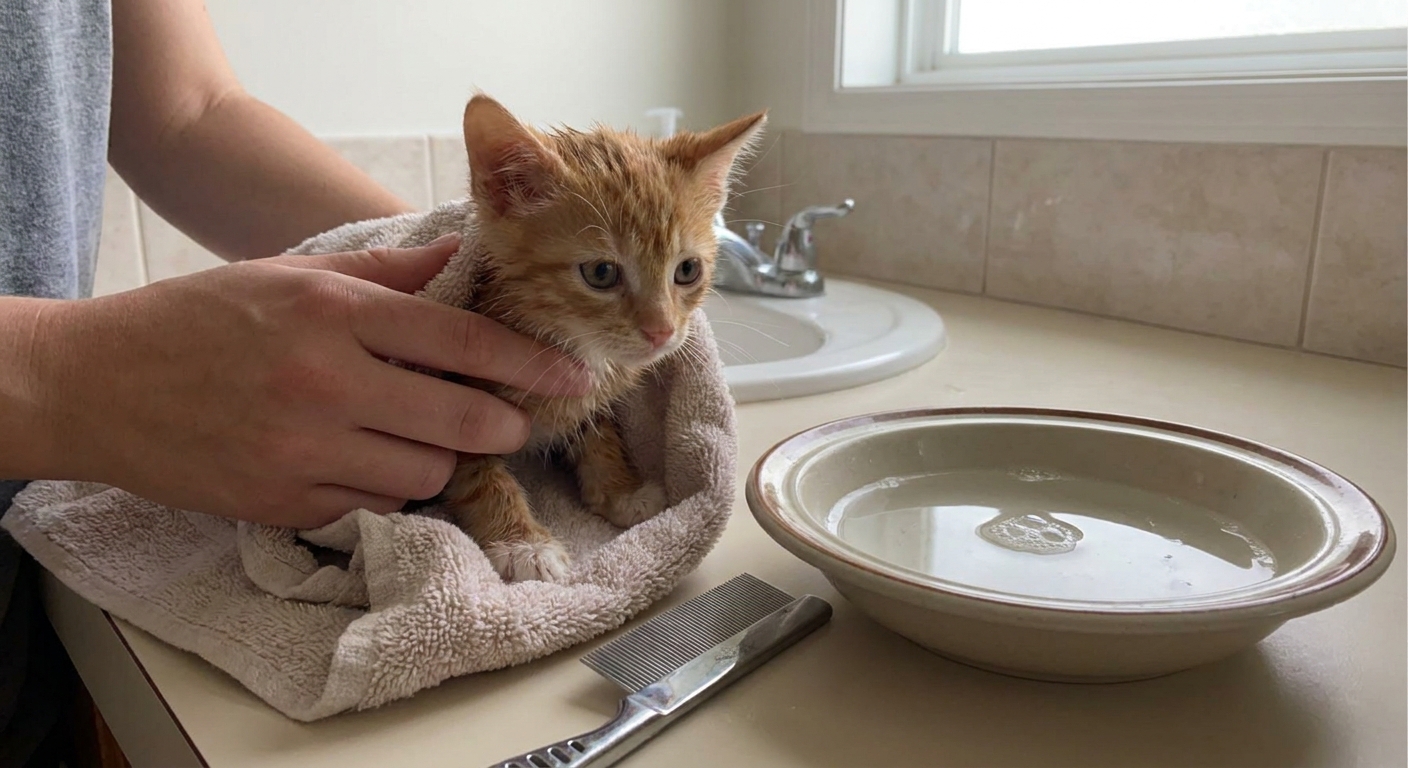
- If fleas are present: use a flea comb daily, wash bedding in hot water, and ask your vet for kitten-safe treatment based on your kitten’s weight.
Foster mom reality: “Normal” kitten poop is often softer than adult cat poop, especially after a food change. But persistent liquid stool, or any diarrhea in a very young kitten, is not something to ride out on your own.
3) Panleukopenia (feline parvovirus)
Panleukopenia is one of the scariest illnesses we see in rescue. It spreads easily, hits unvaccinated kittens hardest, and can become life-threatening quickly. Early veterinary care is critical.
Warning signs you should not ignore
- Sudden severe lethargy, hiding, or limp “rag doll” weakness
- Not eating, especially paired with fever, vomiting, or dehydration
- Vomiting and profuse diarrhea (sometimes with blood)
- Rapid decline over hours, not days
What to do now
- Go to the vet immediately. This is not a watch-and-wait situation.
- Isolate your kitten from other cats and do not share bowls, litter boxes, or bedding.
- Tell the clinic you suspect panleukopenia so they can advise you on safe arrival and isolation protocols.
Prevention matters: keeping up with the kitten vaccine series is your best protection. If you recently lost a kitten to panleukopenia, talk to your vet or rescue before bringing another kitten into the home. The virus can persist in the environment, and proper disinfection is important (many clinics recommend diluted bleach on hard, non-porous surfaces).
4) Dehydration (often secondary)
Dehydration is not a diagnosis by itself, but it is one of the fastest ways a kitten can spiral. Kittens have less reserve than adult cats, and diarrhea or vomiting can drain them quickly.
Warning signs you should not ignore
- Sticky or dry gums
- Sunken-looking eyes
- Lethargy, weakness, or cool paws and ears
- Skin that stays tented briefly when gently lifted at the shoulders (a rough clue, not perfect, especially in kittens)
- Not peeing much, or urine that is very dark and smelly
What to do now
- Call your vet the same day if you suspect dehydration, especially in kittens under 4 months.
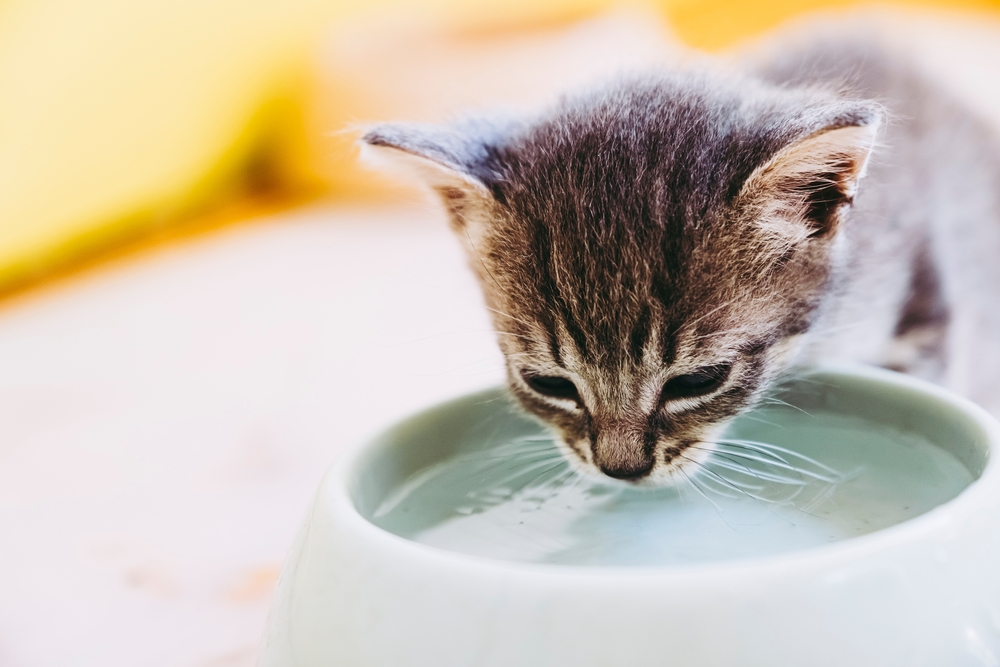
- Offer wet food and fresh water. Some kittens prefer a pet fountain.
- If your kitten has vomiting or ongoing diarrhea, do not force water. Your vet may recommend fluids and diagnostics.
What I track at home: energy level, appetite, number of poops, and whether urine clumps are showing up regularly in the litter box.
5) Fading kitten crash
Sometimes the issue is not obvious. A kitten may simply stop eating, get cold, and become weak. This can happen with underlying infection, parasites, congenital issues, or just a tiny kitten who missed too many calories.
Warning signs you should not ignore
- Sudden limpness, extreme sleepiness, or inability to stand
- A kitten that feels cool to the touch, especially paws and ears
- Weak suckle, refusing the bottle or food
- Crying that sounds different, faint, or constant distress
What to do now
- Seek emergency care immediately. Time matters.
- Warm first, then feed. If a kitten is cold, feeding can be dangerous. Use gentle warmth like a heating pad on low under half the bed or a warm towel, and head to the vet.
- If your vet has previously instructed you for your kitten’s situation, follow that plan and go in.
With neonates, I keep the carrier warm and quiet and call ahead. In my foster room, “wait and see” is not in the vocabulary for a crashing kitten.
6) Urinary trouble
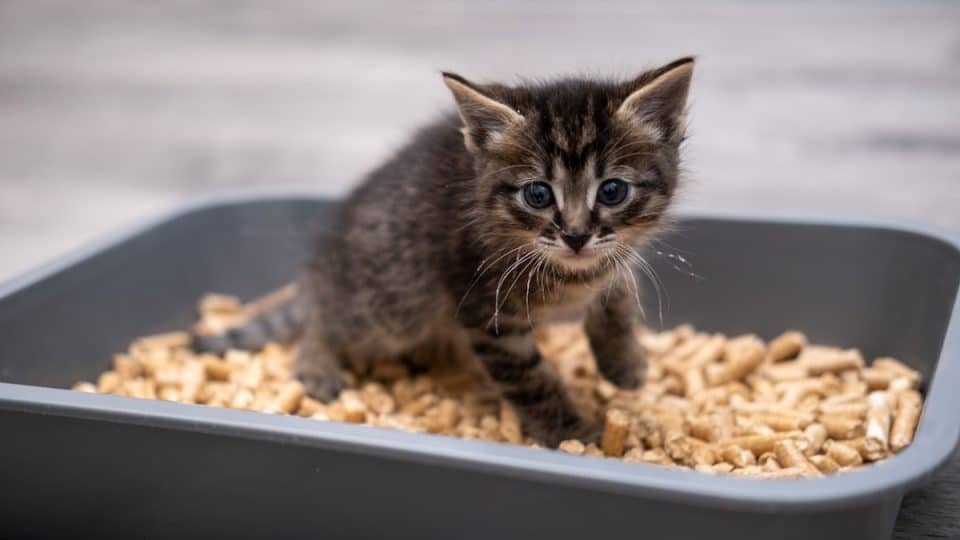
True urinary blockage is more common in adult male cats, but kittens can still have painful urinary issues, including inflammation, infection, or congenital problems. Any kitten straining to urinate deserves prompt veterinary attention.
Warning signs you should not ignore
- Frequent trips to the litter box with little or no urine produced
- Crying, yowling, or obvious discomfort while trying to pee
- Blood-tinged urine or urine spots outside the box in a previously trained kitten
- Lethargy, vomiting, or a firm painful belly (more urgent)
What to do now
- Call your vet immediately. If your kitten cannot pass urine, go to emergency.
- Do not give pain medications at home unless prescribed for your kitten. Many human meds are toxic to cats.
- Bring a note with timing: last normal pee, any crying, any blood, appetite changes.
7) Eye infection or ulcer
Kittens get eye issues constantly, often tied to URIs. The reason I never downplay eyes is that corneal ulcers can worsen fast and may threaten vision without treatment.

Warning signs you should not ignore
- Squinting, holding the eye shut, or pawing at the face
- Thick yellow, green, or white discharge
- Swollen eyelids or redness that is worsening
- A cloudy spot on the eye surface
What to do now
- Call your vet within 24 hours for squinting or thick discharge. Same-day is best if the eye is shut or very painful.
- Wipe away crust with warm damp cotton rounds.
- Skip over-the-counter drops unless your vet okays them. Avoid any steroid-containing drops unless specifically prescribed, because they can make ulcers worse.
What to tell the vet
When you call, these details help the clinic triage quickly:
- Your kitten’s age and weight (even an estimate)
- How long the symptoms have been happening and whether they are worsening
- Eating and drinking: what, how much, and when the last normal meal happened
- Bathroom habits: diarrhea, constipation, urine frequency, any straining
- Vomiting: number of times, appearance, any blood
- Exposure risks: new cat, shelter intake, outdoor exposure, fleas, toxin possibilities
- Vaccination status and any current medications
If you can, take a short video of coughing, breathing effort, wobbliness, or litter box straining. Vets love good “evidence,” and kittens never perform on cue at the clinic.
Quick at-home check
These gentle checks can help you describe what you are seeing. If your kitten is stressed or painful, skip it and call the vet.
- Gums: should be pink and moist, not pale, white, blue, or tacky.
- Breathing: should be quiet at rest. Belly heaving, neck extended, or open-mouth breathing is urgent.
- Hot or cold: if your kitten feels unusually hot or cool and is acting “off,” call. Take a temperature only if your clinic has taught you how to do it safely.
- Litter box output: track pee clumps and stool frequency daily in young kittens.
- Weight: for kittens under 12 weeks, regular weigh-ins can catch trouble early. If you have a kitchen scale, trends matter more than one number.
Common questions
My kitten sleeps a lot. How do I know it is lethargy?
Kittens sleep a ton, but healthy sleep comes with normal wake-up energy. A well kitten will usually pop up for food, play, or attention. “Sick” lethargy looks like: hard to rouse, weak when standing, not interested in food, and a general floppy or withdrawn vibe. If your gut says “this is different,” call your vet.
When is diarrhea an emergency?
Go urgently if diarrhea is watery and frequent, bloody, black and sticky (tarry), paired with vomiting, or your kitten is acting weak or not eating. For mild soft stool that lasts more than a day, schedule a vet visit and bring a stool sample.
Can I give my kitten human cold medicine, Pepto, or pain relievers?
No. Many human medications are dangerous or fatal to cats. Always check with your veterinarian before giving any medication, even if it seems “gentle.”
The takeaway
Most kitten health problems are treatable, especially when you catch them early. The tricky part is that kittens cannot afford long delays. If you see breathing trouble, repeated vomiting, severe diarrhea, a painful eye, urinary straining, or a kitten who suddenly stops eating and crashes, trust your instincts and call your veterinarian or emergency clinic.
When Barnaby was a baby, he once went from “zoomies” to “sad loaf” in one afternoon. A same-day vet visit turned it into a simple, treatable issue instead of a scary overnight emergency. You are not overreacting. You are doing what good kitten parents do.