If you have ever found yourself staring at your kitten’s tiny face and thinking, “How is something so small supposed to keep up with a whole medical schedule?” you are not alone. Vaccines can feel like a lot during the first few months, especially when you are also juggling food transitions, litter box training, and the nightly kitten zoomies.
The good news is that kitten vaccinations follow a pretty predictable timeline. Your vet will tailor it to your kitten’s age, health, and risk factors (indoor-only vs indoor-outdoor, multi-cat home, shelter history, travel), but the backbone stays the same.
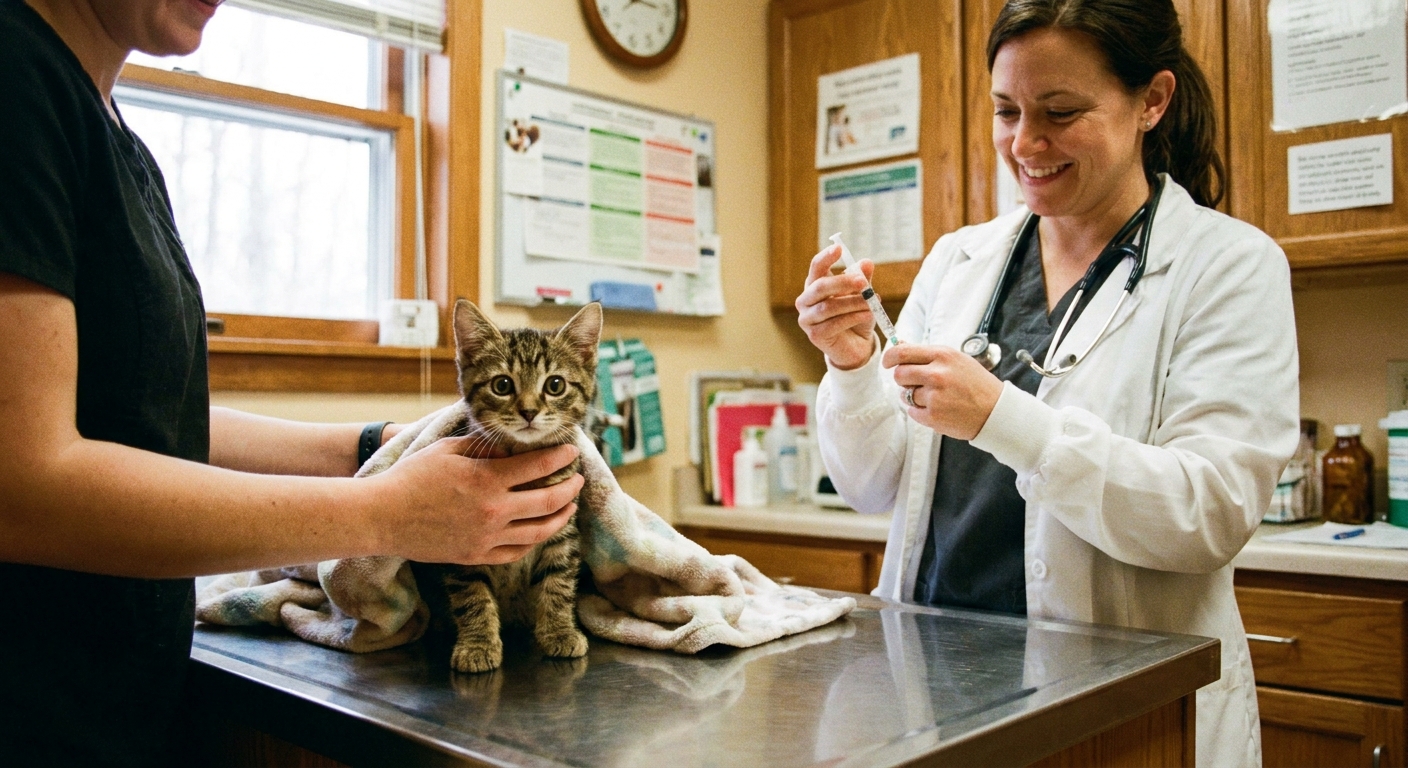
Why kittens need a series of shots
Kittens are born with some temporary protection from their mother’s antibodies (especially if they nursed well). Those maternal antibodies fade over time, and here is the tricky part: they can also block vaccines if given too early.
That is why vets vaccinate kittens in a series. The goal is to catch the immune system at the right time, as maternal antibodies drop, so your kitten builds their own long-term protection.
- Typical start: 6 to 8 weeks old
- Typical spacing: every 3 to 4 weeks (try not to go longer than 4 weeks between doses)
- Typical finish: the final FVRCP dose should be given at 16 weeks or older
Core vs non-core vaccines
Core vaccines (recommended for all kittens)
These protect against widespread, serious diseases and are considered standard for virtually every kitten.
- FVRCP (feline viral rhinotracheitis, calicivirus, panleukopenia). Often called the “distemper combo.”
- Rabies (required by law in many areas and critically important for human and pet safety).
Non-core vaccines (risk-based)
These may be recommended depending on your kitten’s lifestyle, environment, and exposure to other cats.
- FeLV (feline leukemia virus): commonly recommended for kittens, especially those that may go outdoors or live with cats of unknown FeLV status. In some guidelines it is treated as routine for kittens, and in others it is more strictly risk-based, so your vet’s local advice matters.
- Bordetella: sometimes recommended for high-density environments (shelters, boarding, some catteries).
- Chlamydia felis: occasionally recommended in multi-cat situations with documented outbreaks.
- FIV vaccine: not available in many regions and generally not recommended. It was also historically controversial because it could interfere with certain FIV tests. If you see it mentioned online, ask your veterinarian what applies where you live.
Kitten vaccination schedule
Below is a typical timeline many clinics use. Your vet may adjust the exact weeks based on when your kitten started vaccines and local disease risk.
Quick note on FeLV: when it is recommended, it is typically a two-dose starter series given 3 to 4 weeks apart, then boosted later if ongoing risk continues.
| Kitten age | What is usually given | Why it matters |
|---|---|---|
| 6 to 8 weeks | FVRCP #1 | Begins protection against upper respiratory viruses and panleukopenia. |
| 9 to 12 weeks | FVRCP #2 FeLV #1 (risk-based, commonly recommended for kittens) | Boosts immune response; FeLV helps protect against a serious virus spread through close contact and saliva. |
| 12 to 16 weeks | FVRCP #3 Rabies (single dose, timing depends on local law and product label) FeLV #2 (if starting FeLV) | Builds stronger protection; rabies protection is critical and often legally required. |
| 16+ weeks | Final FVRCP dose (some kittens need an additional booster here if they started early or are higher risk) | The most important detail: the final FVRCP should be given at 16 weeks or older to help overcome lingering maternal antibody interference. |
| 12 months | Boosters: FVRCP and rabies (and FeLV if used) | “Locks in” longer-term immunity going into adulthood. |
My foster-home note: lots of kittens arrive with unknown histories. If you adopted from a shelter or rescue, bring every scrap of paperwork to your first vet visit. Even partial dates help your vet avoid repeating doses unnecessarily while still keeping your kitten protected.
What each vaccine covers
FVRCP (the combo shot)
- Feline panleukopenia: highly contagious and can be deadly, especially in kittens. It is one of the biggest reasons I am strict about vaccine timing in foster litters.
- Herpesvirus (FHV-1) and calicivirus: common causes of upper respiratory infections. Vaccines reduce severity and complications, even if they do not prevent every sniffle forever.
Rabies
Rabies is fatal and is a public health concern, which is why many jurisdictions require vaccination. Even indoor cats can be exposed through a bat in the house or an accidental escape.
FeLV (feline leukemia virus)
FeLV spreads through close contact like mutual grooming, shared bowls, bite wounds, and from mother cat to kittens. For kittens who may have any outdoor access now or later, or who live with cats of unknown status, this vaccine is worth a serious conversation with your vet.
Indoor kittens: do they still need vaccines?
Yes. I love a true indoor-only setup, but indoor is not a force field.
- Core vaccines still matter because some diseases, especially panleukopenia, can be carried on objects (shoes, clothing, hands). Upper respiratory viruses are usually more about cat-to-cat exposure, but they can still spread through shared items in certain situations.
- Rabies is still recommended in many areas even for indoor cats, because exposure can happen unexpectedly.
- FeLV depends on risk. If your kitten will never meet unknown cats and you have a stable, tested household, your vet may classify FeLV as optional. If there is any chance of future outdoor access, new cats, or fostering, FeLV often becomes a yes.
Outdoor kittens: what changes?
If your kitten goes outdoors (even supervised), their exposure risk climbs.
- FeLV is commonly recommended.
- Flea and parasite prevention becomes part of the health plan, because parasites can weaken the immune system and complicate recovery if they get sick.
- Timing matters more. Try not to delay boosters, because gaps leave kittens vulnerable during their most susceptible months.
What happens at the first visits
Most kitten appointments are a combo of prevention and detective work. Depending on age and history, your vet may recommend:
- Physical exam (heart, lungs, eyes, ears, skin, hydration, weight gain)
- Fecal test for intestinal parasites (very common in kittens, even ones that look fine)
- FeLV and FIV testing (especially for strays, rescues, or outdoor-exposed kittens)
- Discussion of spay or neuter timing (often around 4 to 6 months, but your vet will advise)
Common side effects
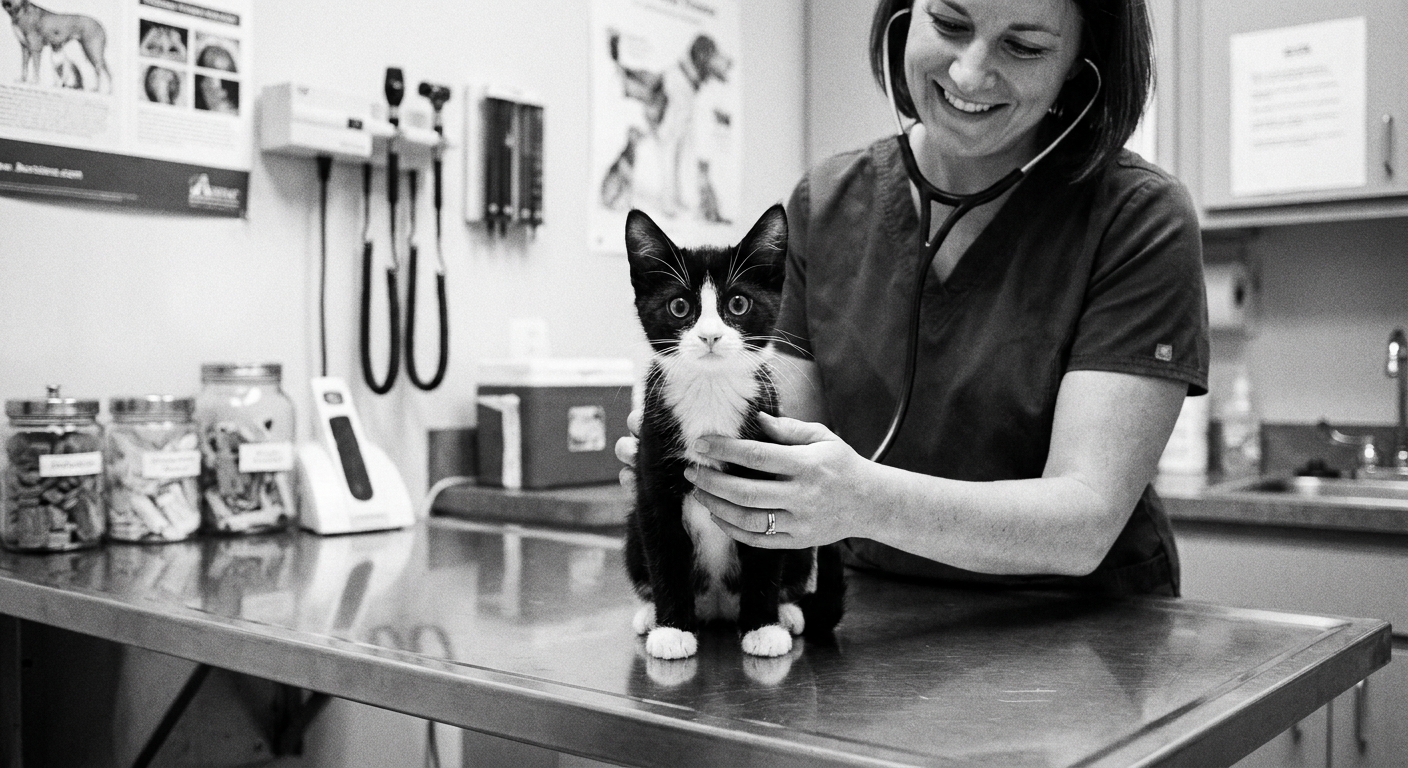
Most kittens bounce right back. A little sleepiness is honestly the most common thing I see in my foster room after vaccine day.
Usually normal for 24 to 48 hours
- Mild tiredness or extra napping
- Less appetite for one meal
- Mild soreness at the injection site
- Low-grade fever
Call your vet promptly if you notice
- Facial swelling, hives, intense itchiness
- Vomiting or diarrhea that is persistent or severe
- Difficulty breathing, wheezing, collapse
- Extreme lethargy that does not improve
- A lump at the injection site that follows the 3-2-1 rule: still there after 3 months, larger than 2 cm, or growing 1 month after the shot
If you are ever unsure, call. I would rather you be the overcautious pet parent than the one waiting it out while your kitten feels miserable.
Missed a booster?
Life happens. Kittens get adopted mid-series. Appointments get rescheduled. Do not panic.
- Call your vet and share the dates you do have. They will decide whether to continue the series or restart based on timing and your kitten’s age.
- Do not double up at home. Vaccines must be given and documented by a veterinary clinic.
- Keep your kitten low-risk until caught up. Avoid contact with unknown cats, shelters, pet stores, and communal bowls.
Make vaccine visits less stressful
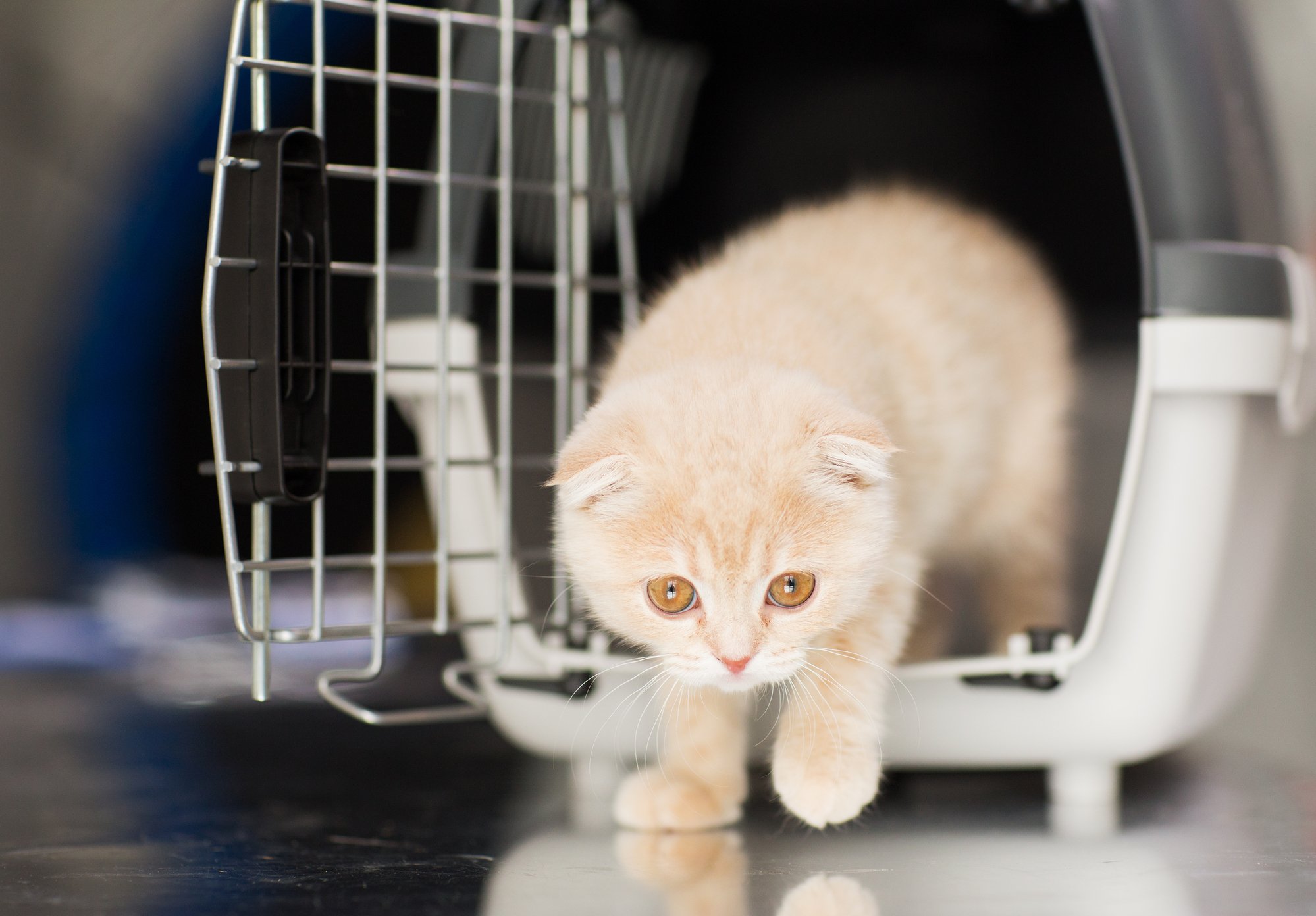
- Use a sturdy carrier and leave it out at home with a cozy blanket so it does not feel like a surprise trap.
- Bring a high-value treat (lickable treats can be very effective if your vet allows them).
- Schedule wisely if possible. A quieter clinic time can help sensitive kittens.
- Ask about handling support if your kitten is wriggly or fearful. Many clinics are happy to talk through gentle restraint and fear-free options.
- Plan for a sleepy evening. I typically skip big play sessions right after shots and let the kitten rest.
FAQ
How many shots does a kitten need in the first year?
Most kittens get 3 to 4 FVRCP doses (depending on starting age and risk), 1 rabies dose as a kitten, and then boosters at 12 months. If FeLV is recommended, it is typically a 2-dose initial series plus a booster at 1 year.
Can my kitten meet other cats before vaccines are done?
I recommend waiting until the initial series is complete, especially the later FVRCP boosters. Until then, keep interactions limited to healthy, fully vaccinated cats in your household. Outdoor exposure and unknown cats add risk fast.
Do vaccines protect right away?
Protection builds over time and improves after boosters. In general, kittens are considered much better protected about 1 to 2 weeks after the final booster, but your vet can tell you what applies to your kitten’s exact schedule and vaccine product.
What if I adopted a kitten older than 16 weeks with no records?
Your vet will typically start an age-appropriate series based on current guidelines and your kitten’s lifestyle. Bring any adoption paperwork you have, even if it is incomplete.
After the first year
Once you make it through the kitten series and the 12-month boosters, you usually move into an adult rhythm. The exact timing depends on your cat’s risk factors and the vaccine product your clinic uses, but many cats get:
- FVRCP boosters every 1 to 3 years
- Rabies boosters every 1 or 3 years (law and vaccine label matter here)
- FeLV boosters yearly if there is ongoing exposure risk
If your cat’s lifestyle changes (new cats in the home, moving, outdoor access, fostering), it is worth revisiting the plan with your veterinarian.
Easy timeline to remember
If you want the shortest, easiest mental checklist, here it is:
- 6 to 8 weeks: start FVRCP
- Every 3 to 4 weeks: boosters (try not to exceed 4 weeks between doses)
- Final FVRCP at 16+ weeks: this is the milestone dose
- 12 to 16 weeks: rabies (plus FeLV series if recommended)
- 1 year: booster visit
Your vet is your partner here, but you are the calendar-keeper. If you put those booster dates in your phone the moment you leave the clinic, you will save yourself a lot of stress later.