Hi, I’m Maya Reynolds, and I’m glad you’re here.
Kittenhood is equal parts magic and mayhem. One minute you’re staring at the smallest toe beans you’ve ever seen, and the next you’re searching at 2 AM because your kitten is biting your ankles, refusing the litter box, or acting like a tiny vacuum cleaner with zero self-control.
Kitten Sprout exists for that moment. This site is my way of standing next to you in the messy part, handing you a simple plan, and reminding you that you’re not doing anything “wrong.” You’re just raising a baby cat.
How I got here
My love for kitten care grew out of foster work. Several years ago, I started volunteering with a local animal rescue, taking in pregnant cats and orphaned litters who needed round-the-clock help. Fostering teaches you fast: every kitten is different, progress is never perfectly linear, and the “simple” basics like eating, pooping, and playing are actually skills kittens learn with your guidance.
Since then, I’ve helped wean, litter-train, and socialize dozens of kittens. I’ve also made the same rookie mistakes many new owners make, like changing foods too quickly, assuming a kitten “knows” what a litter box is, or buying toys that are adorable but not actually safe for unsupervised play.
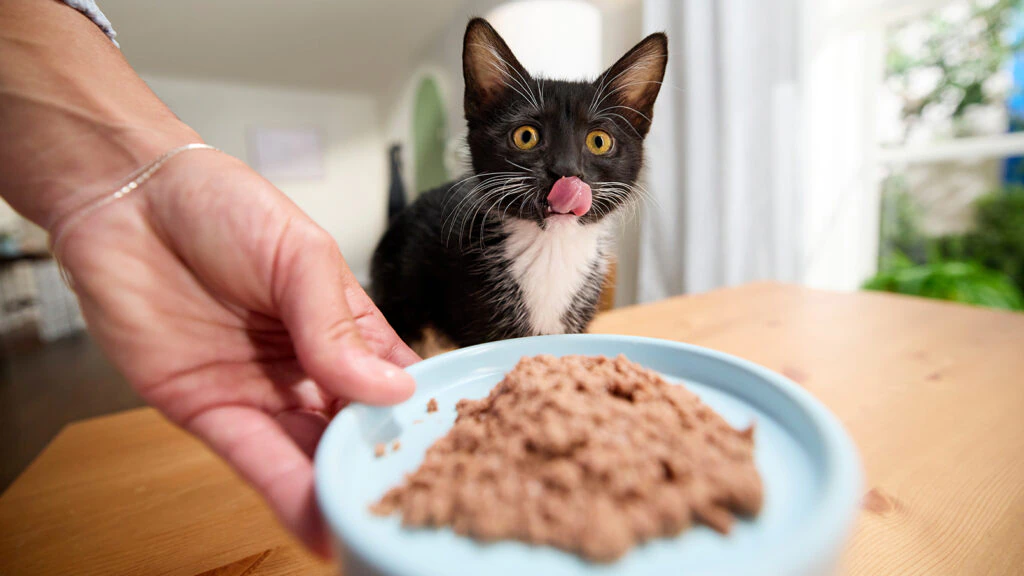
And yes, I have a foster fail. Barnaby, a mischievous tuxedo cat with big opinions and a bigger purr, was one of my fosters who never left. He’s living proof of why I’m so gentle about the learning curve. If you’ve ever looked at your kitten and thought, “I have no idea what I’m doing,” you’re in excellent company.
What Kitten Sprout believes
Most kitten care advice sounds confident, but real life is rarely that neat. Your schedule is busy. Your budget is real. Your kitten might be brave on day one or hiding under the couch for a week. My approach is built around what I’ve seen work in actual homes and foster rooms:
- Practical beats perfect. You don’t need a Pinterest kitten setup. You need the right basics, set up correctly.
- Behavior is communication. “Bad” behavior usually means a kitten is overstimulated, under-enriched, scared, or confused.
- Small steps add up. Consistent routines and tiny adjustments create huge changes over time.
- Gentle guidance wins. I avoid harsh punishments like yelling, scruffing, or spray bottles. They often backfire and can make kittens more anxious.
What you’ll find here
Kitten Sprout is designed to feel like a knowledgeable best friend talking you through the moment you’re in. You’ll find clear, step-by-step help for the topics that tend to spiral into worry:
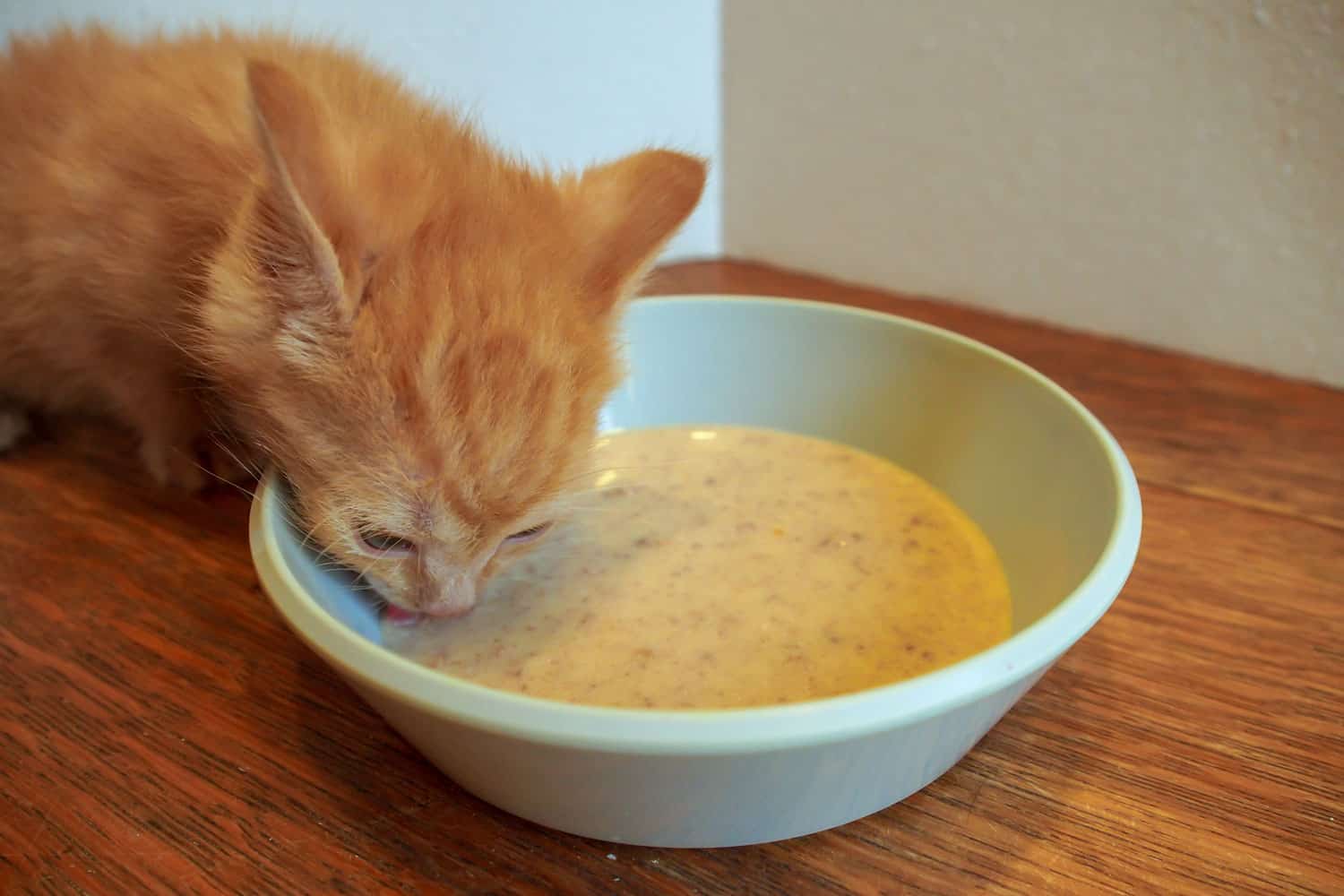
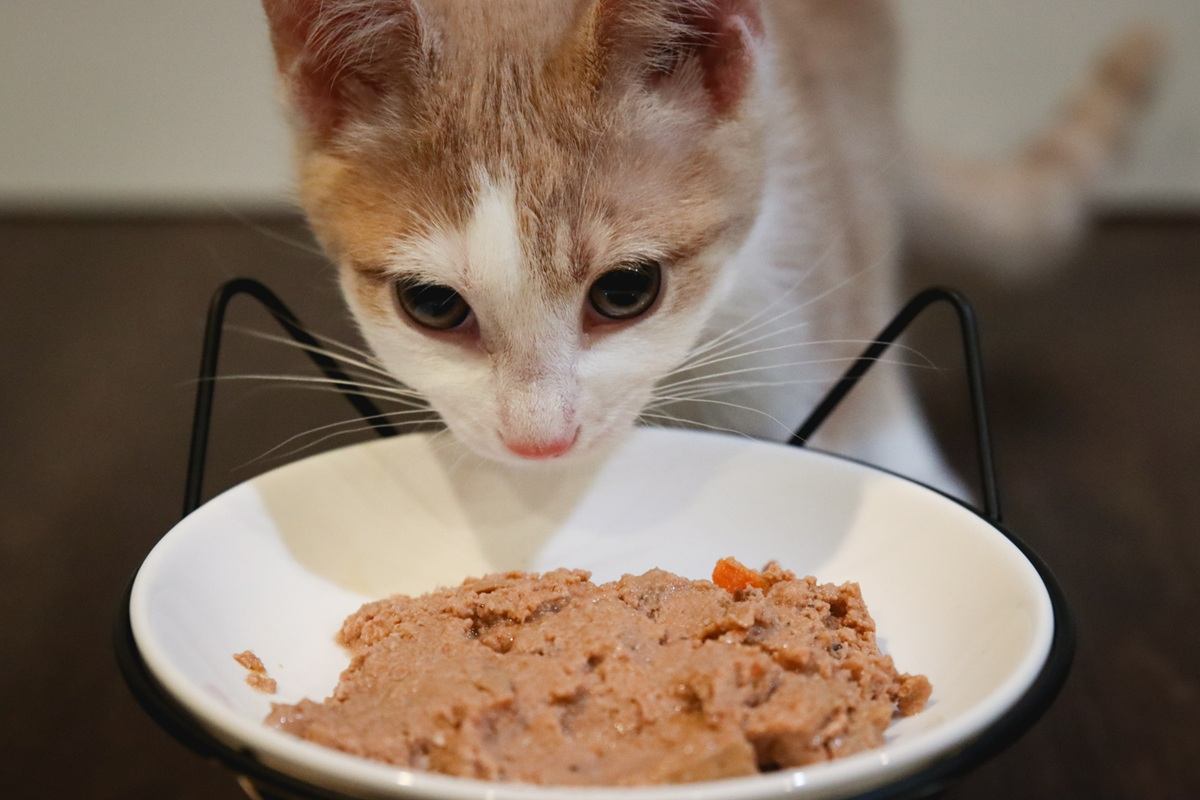
- Feeding and weaning: age-appropriate schedules, what to do if a kitten isn’t eating, and how to switch foods without tummy drama.
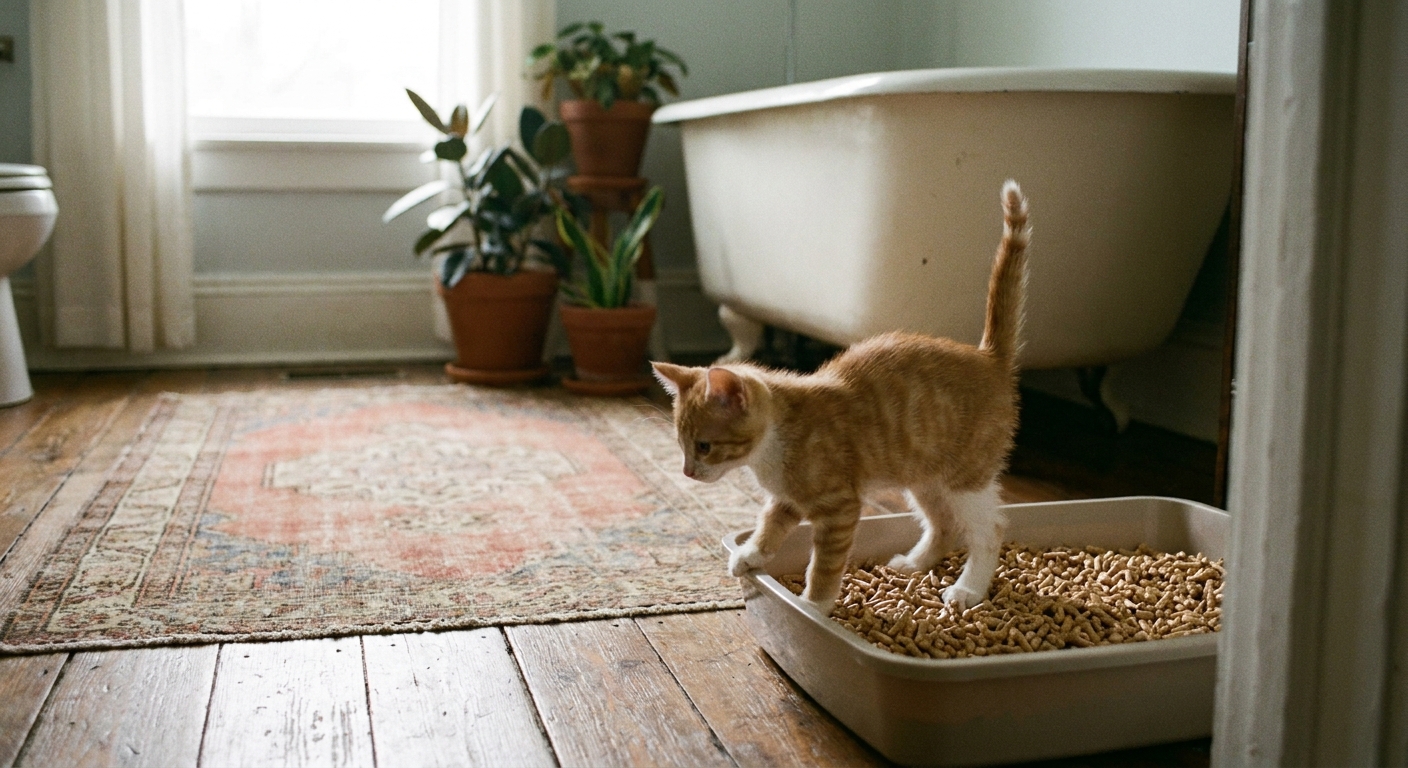
- Litter box success: box size, litter type, placement, cleaning routines, and troubleshooting accidents without shame.
- Socialization and confidence: handling, play, and how to help shy kittens feel safe in your home.
- Play and biting: how to redirect with the right toys, when to end a play session, and why kittens get “spicy” when they’re tired.
- Home setup: budget-friendly essentials, safe enrichment, and what to skip.
- “Is this normal?” moments: weird kitten behaviors explained in plain language, plus when it’s time to call a vet.
I also share the foster-tested little tricks you usually only learn after your third litter, like why adding a second litter box often helps quickly, or how a boring routine can make a nervous kitten braver. (And if accidents are new or sudden, I’ll always point you toward a vet check, because sometimes the cause is medical.)
If you’re caring for a tiny orphaned kitten, a newly weaned whirlwind, or a fresh-from-the-shelter snuggler, you’re in the right place. I’ll be clear about what changes with age and development, because what works for a 6-week-old may not be right for a 6-month-old.

Start here
If you’re new, start with the problem that’s loudest right now. These are the guides I recommend first:
- New kitten checklist: the basics to set up before you try to solve everything at once.
- First 72 hours at home: how to reduce stress, build routine, and help them settle in.
- Litter box setup: the simplest way to prevent accidents before they start.
- Biting and play: what to do with ankle attacks, rough play, and overstimulation.
- When to call the vet: red flags and “trust your gut” moments.
My promise
I’ll always aim to be calm, honest, and useful. If something depends on your kitten’s age, health, or background, I’ll say so. If a behavior could signal illness, I’ll encourage you to check in with a veterinarian.
This site is educational and supportive, but it can’t replace veterinary care for your individual kitten.
Above all, I want you to enjoy your kitten. Training and routines matter, but so does the relationship you’re building. The goal is not a “perfect” kitten. The goal is a confident, healthy cat who trusts you, and a home that feels good for both of you.
Welcome
You don’t have to learn everything at once. You just need the next right step.
Thank you for being the kind of person who wants to do right by a tiny creature who can’t explain what they need yet. That care and curiosity is exactly what turns a small, wobbly kitten into a secure, affectionate companion.
From me and Barnaby, welcome to Kitten Sprout. I’m happy you found us.