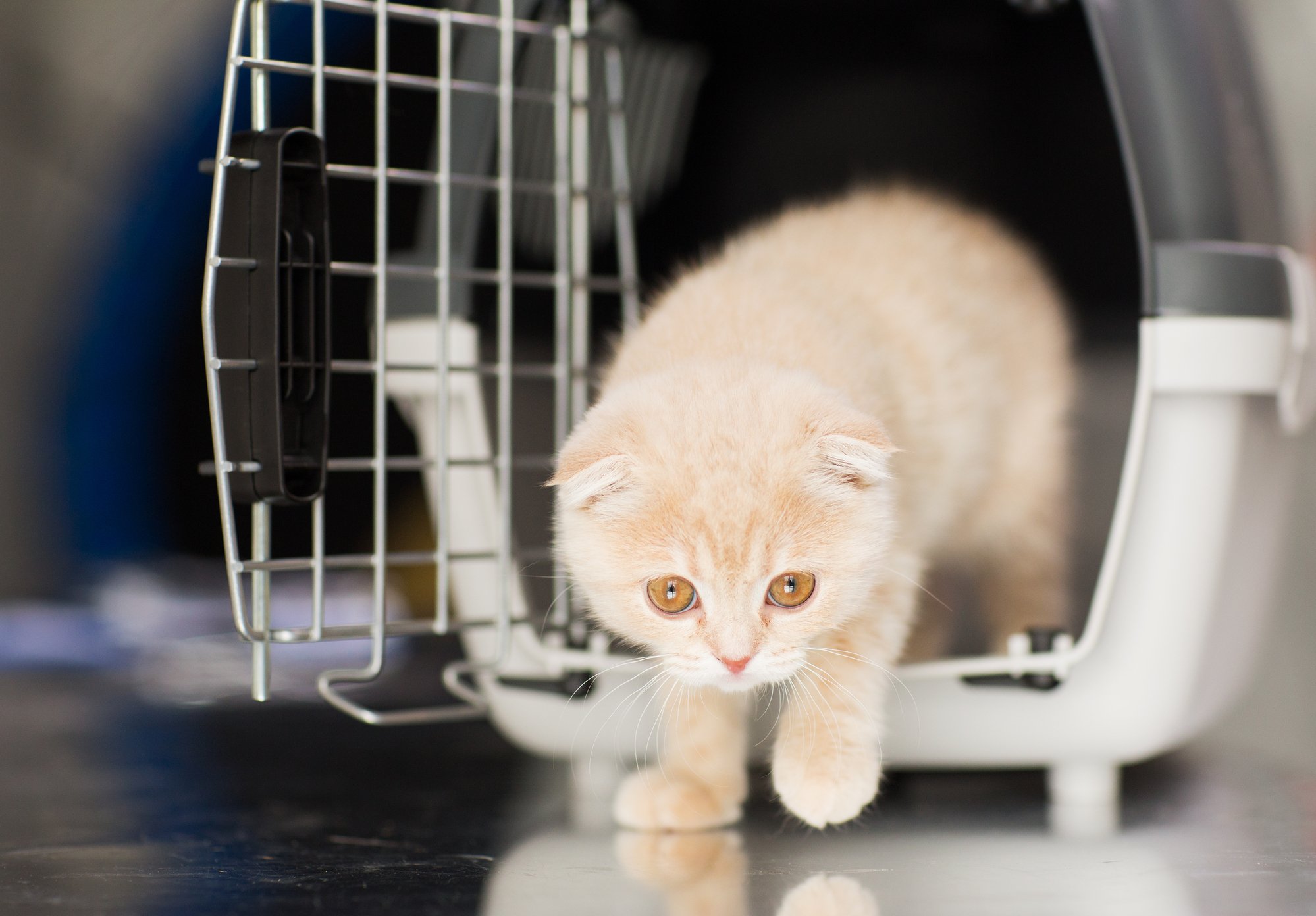
Your kitten’s first vet visit can feel like a lot. New place, new smells, a tiny patient who may or may not be thrilled about strangers checking their ears. I have walked dozens of foster kittens through that first appointment, and the good news is this: a little prep turns the whole experience into something calm, quick, and genuinely helpful.
Use this checklist to get ready, know what the vet will likely do, and leave with answers that make kittenhood feel a whole lot less like a 2 AM mystery.
Book at the right time
Many vets recommend scheduling a first visit within the first week after bringing a kitten home. If your kitten is a rescue with an unknown history, some clinics prefer 48 to 72 hours, especially if there are symptoms or other pets in the home.
Go sooner if you notice sneezing, diarrhea, poor appetite, fleas, worms, low energy, squinting, or eye discharge.
- Very young kittens (under 12 weeks): ask for a “new kitten exam” and vaccine planning.
- New-to-you adult cats: still schedule a baseline wellness exam and parasite screening.
- If you have other pets at home: keep the kitten separate until your vet says it is safe, especially if your resident cat is not fully vaccinated.
What to bring
Paperwork and info
- Adoption or rescue records (any vaccines, deworming dates, microchip info).
- Previous vet records if you have them.
- Your kitten’s estimated birthday (or the adoption date and best guess).
- A list of current food (brand, formula, wet vs dry, how much, how often).
- A short symptom timeline if anything seems off (when it started, how often, what it looks like).
Kitten logistics
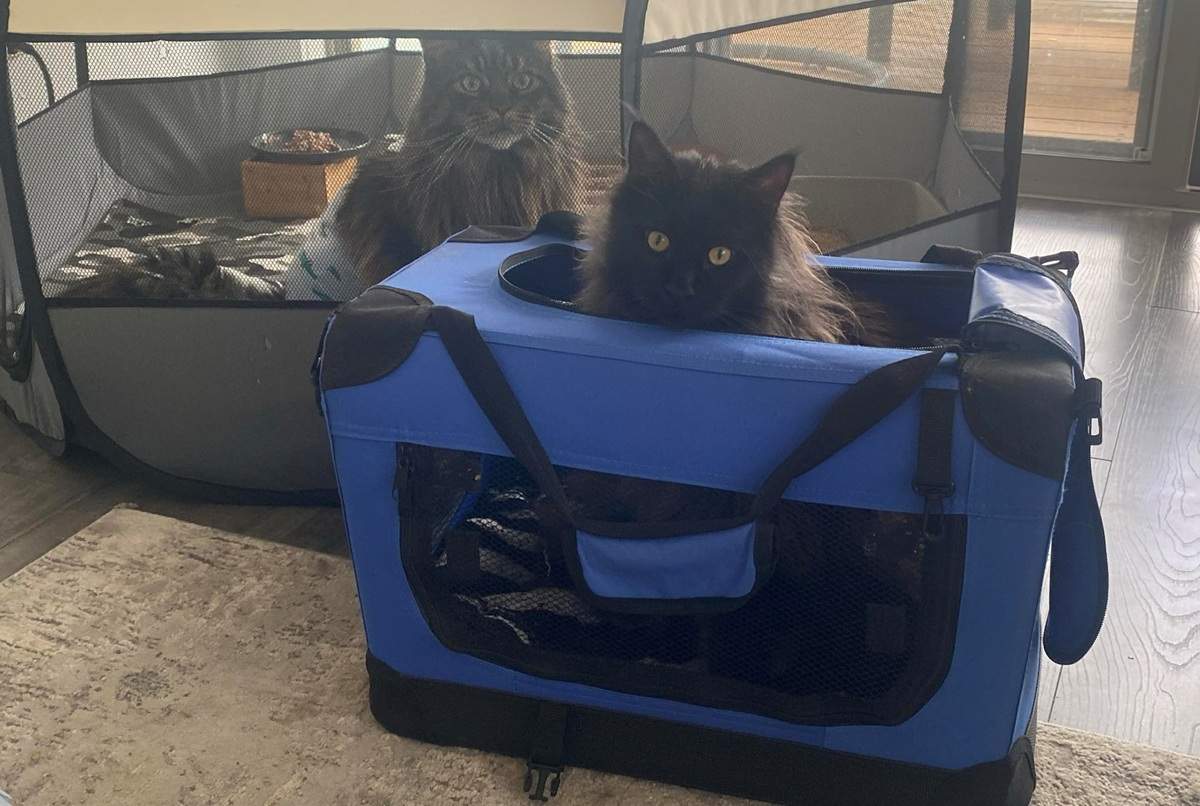
- A secure carrier (hard-sided is easiest for most clinics; soft-sided is fine if it is sturdy).
- A clean towel or small blanket that smells like home to reduce stress.
- A small treat your kitten already tolerates (freeze-dried chicken crumbs are my foster go-to).
- A fresh stool sample if your clinic requests it (more on that below).
- Photos or short videos of concerning behaviors (coughing episodes, odd gait, eye discharge, weird litter box posture).
In the hours before the appointment
- Leave the carrier out with bedding inside so it is less scary.
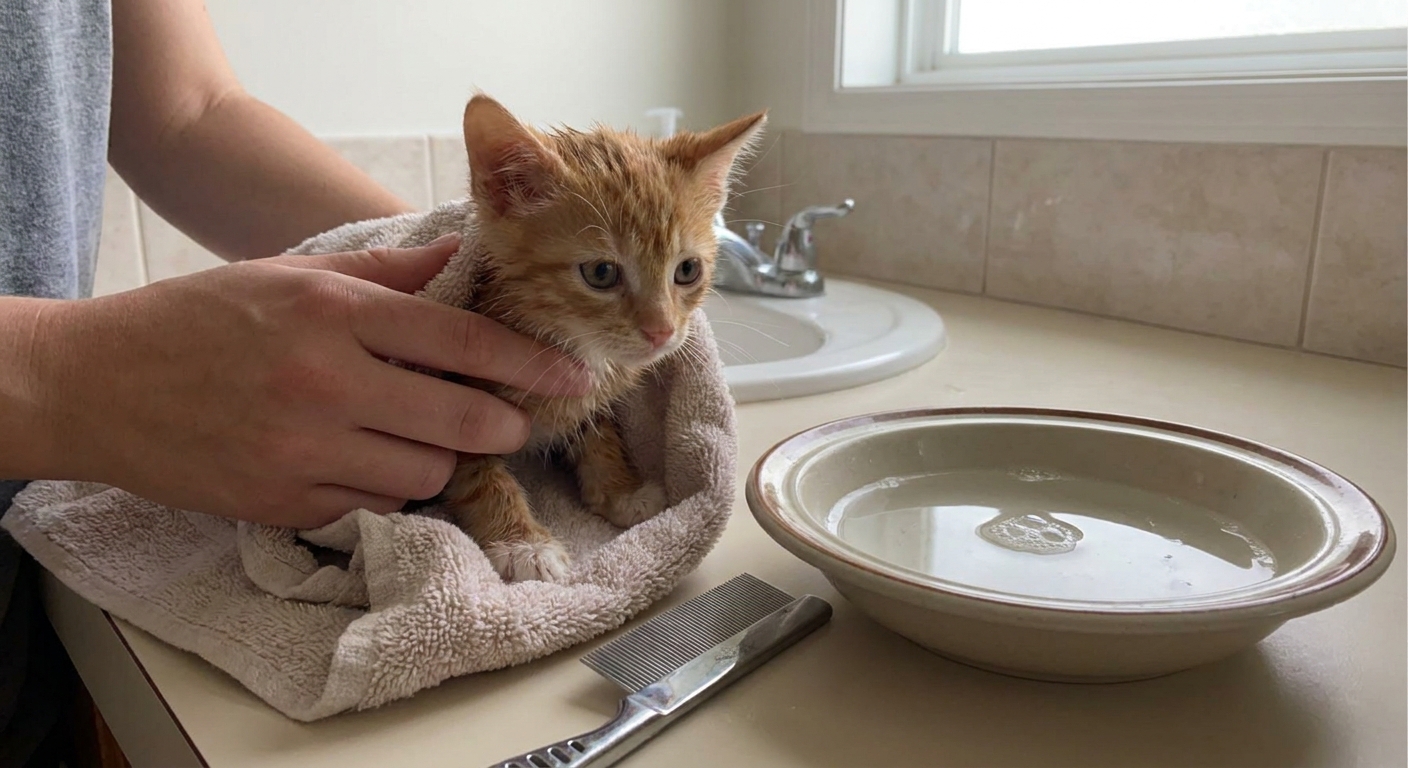
- Do not bathe your kitten right before the visit unless your vet instructed it. A stressed, damp kitten makes a long day for everyone.
- Feed normally unless the clinic tells you to fast (fasting is uncommon for a routine kitten wellness exam).
- Bring a calm mindset: your kitten will borrow your energy.
Stool sample tips
Many vets recommend a fecal test for new kittens, especially rescues. Parasites are extremely common in kittens, even when they look perfectly healthy.
- Timing: ideally within 12 hours (up to 24 hours is often acceptable, call to confirm).
- How: use a clean disposable spoon or glove to scoop a small amount into a sealed container. If your clinic provides a container, use that. If you use a zip-top bag, double-bag it.
- Storage: refrigerate if you collect it ahead of time. Do not freeze.
- Label it: your kitten’s name and the time collected.
If your kitten has diarrhea, still bring a sample if you can. It helps your vet decide whether you are dealing with parasites, a diet change, stress, or something that needs targeted treatment.
Lower stress on travel day
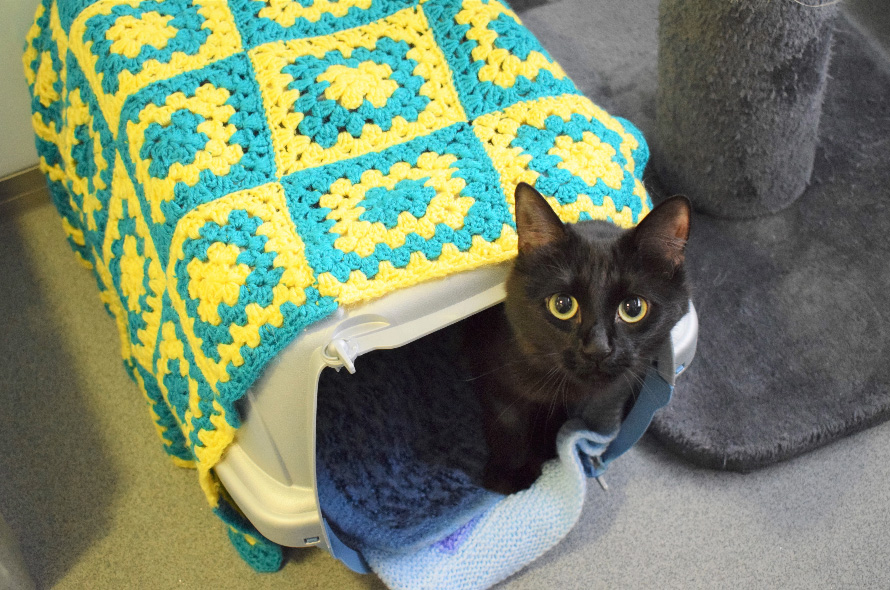
- Cover the carrier with a towel during travel and in the waiting room. It helps many kittens feel less exposed.
- Keep the carrier level (seatbelt it in, or wedge it so it does not tip).
- Do not open the carrier in the lobby unless a staff member asks you to. Kittens can launch faster than you think.
- Ask to wait in your car if your kitten is terrified or the lobby has barking dogs.
- If your kitten is fearful: a top-opening carrier can make exams easier, and some vets are fine with a cat-safe pheromone spray used shortly before travel. Ask your clinic what they prefer.
What the first exam includes
Every clinic has its rhythm, but most first visits cover the basics below. If something is skipped, it is absolutely okay to ask about it.
1) Nose-to-tail exam
- Weight and body condition score
- Heart and lung auscultation (listening with a stethoscope)
- Mouth and teeth check, palate check (especially for very young kittens)
- Eyes, ears, and skin evaluation
- Abdominal palpation (gentle belly feel)
- Hydration assessment
- Temperature (often rectal, quick but not their favorite)
2) Parasites and prevention
Many kittens, especially those with unknown history, need deworming even if they look fine. Your vet may recommend:
- Fecal test (checks for intestinal parasites like roundworms, hookworms, coccidia, giardia).
- Dewormer dosed by weight, often repeated in 2 to 3 weeks.
- Flea control that is kitten-safe (never use dog products on cats).
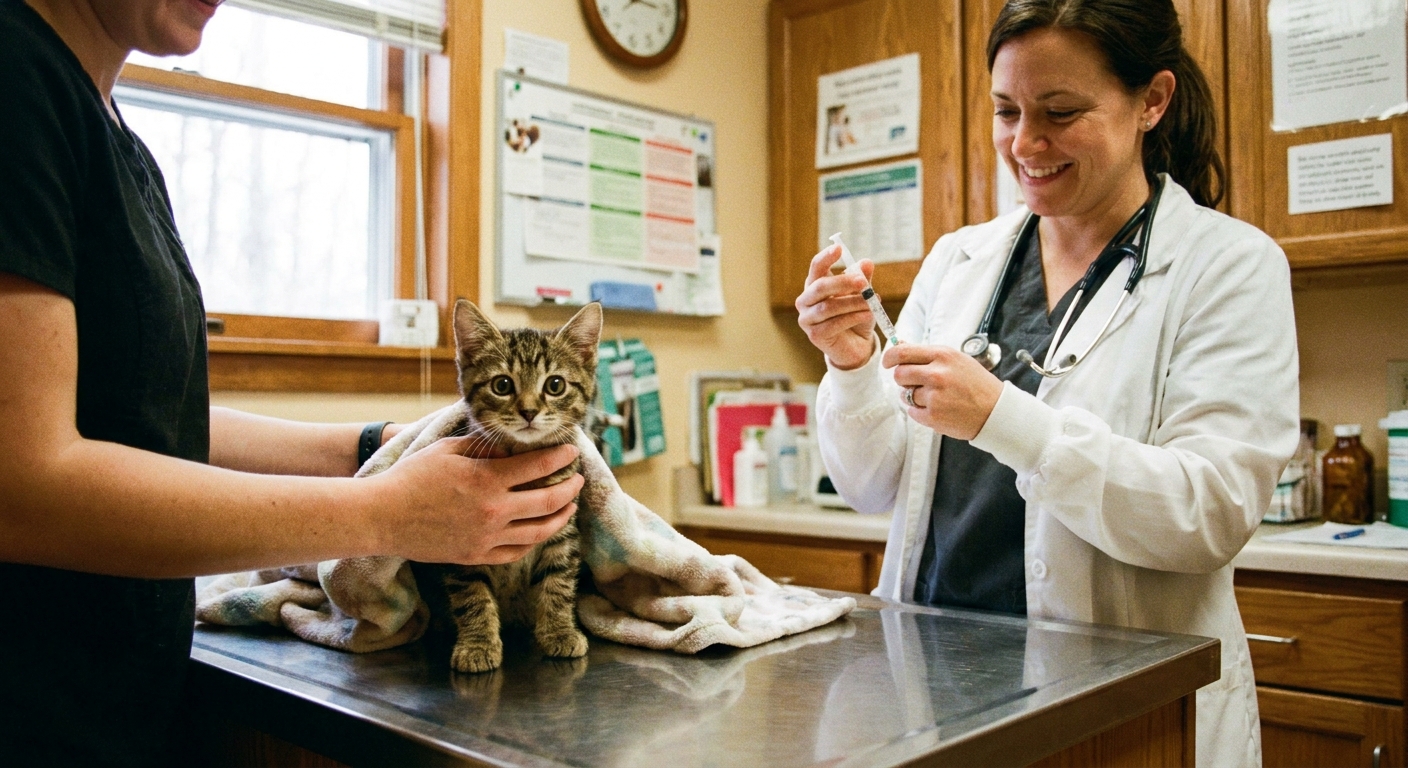
3) Vaccines and schedule
Core vaccines are typically started around 6 to 8 weeks old, then boosted every 3 to 4 weeks until at least 16 weeks. Some vets extend boosters to 18 to 20 weeks in higher-risk situations (for example, shelter exposure or unknown background).
- FVRCP (core): protects against common respiratory viruses and panleukopenia.
- Rabies (core or required depending on location): timing varies by local law and clinic protocol.
- FeLV vaccine: often recommended for kittens, especially if there is any chance of outdoor exposure or contact with unknown cats.
If your kitten is underweight, ill, or has a fever, your vet may delay vaccines until it is safer.
4) FeLV and FIV testing
Many rescues test before adoption, but not all. Your vet may recommend testing based on your kitten’s history, age, and exposure risk. Ask what your kitten’s results mean and whether a repeat test is advised later.
5) Microchip check and plan
If your kitten is already microchipped, the clinic can scan it and confirm it reads properly. If not, ask the best timing to chip. Many people do it at spay or neuter, but it can be done earlier in some cases.
Questions to ask
If you ask nothing else, ask these. They will save you money, worry, and so many late-night rabbit holes.
Health and prevention
- Based on my kitten’s age and lifestyle, which vaccines are core and which are optional?
- What is the exact vaccine schedule from today until the final booster?
- Do you recommend FeLV and FIV testing for my kitten? If yes, when?
- What parasite prevention do you recommend for fleas, intestinal worms, and heartworm where we live and for my kitten’s lifestyle?
- Should I bring a stool sample every visit while my kitten is small?
- What signs would mean I should call you the same day?
Spay or neuter planning
- When do you recommend spay or neuter for my kitten’s size and health?
- What should I expect for recovery at home?
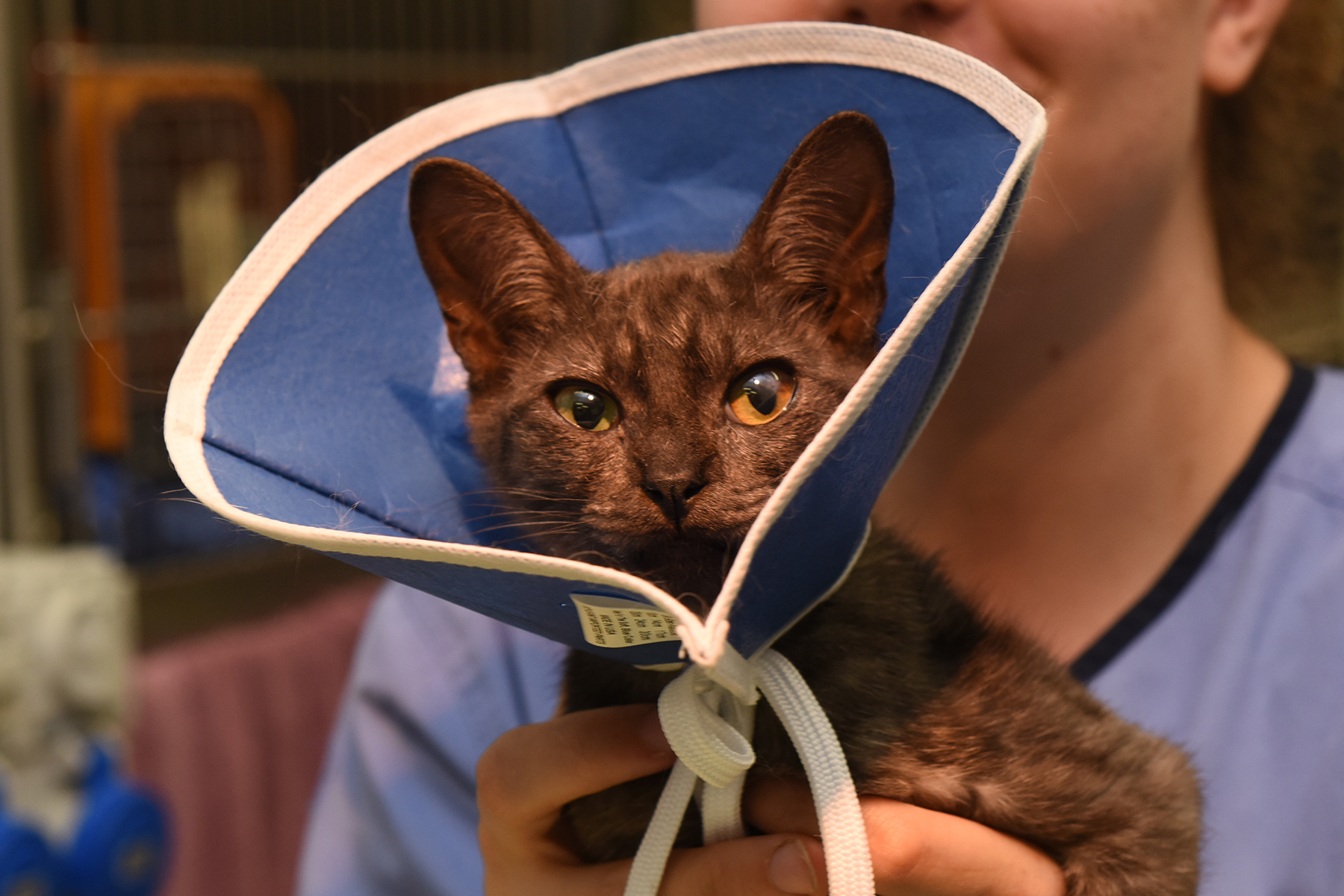
- What is included in the estimate (pain control, e-collar, recheck, microchip)?
Feeding, growth, and poop
- How much should my kitten eat per day right now? Can you give a target by weight?
- Is my kitten’s body condition where it should be?
- Are these stools normal for a kitten this age? (Show photos if needed.)
- What food types do you prefer: all-wet, mixed, or dry plus wet?
- What ingredients or treats should I avoid right now?
Behavior and home setup
- What is normal kitten play versus true aggression or fear?
- How many litter boxes do you recommend and what litter type is best for this age?
- My kitten does (biting, scratching furniture, crying at night). What is your first-line advice?
- When is it safe to introduce my kitten to other pets?
Budget and planning
- Can you give me a written plan of expected visits and costs through 6 months of age?
- If I can only do one test today, which matters most and why?
- Which parasite prevention options are effective but budget-friendly?
- Do you offer wellness plans, or is pet insurance worth considering for my kitten?
Cost prep
Prices vary wildly by region, so I will not pretend there is one “normal” number. The easiest way to avoid sticker shock is to ask for an estimate when you book and confirm what is included in a “new kitten visit.” Common add-ons are vaccines, fecal testing, FeLV and FIV testing, deworming, and flea prevention.
Call the vet now if
Kittens can go downhill quickly. Call your vet promptly if you notice any of the following, even if the appointment is already on the calendar:
- Not eating for more than 12 hours (for very young kittens, even shorter can matter)
- Repeated vomiting, or vomiting plus lethargy
- Watery diarrhea, blood in stool, or diarrhea lasting more than a day
- Labored breathing, open-mouth breathing, or blue-tinged gums
- Eyes swollen shut, thick discharge, or squinting that does not improve
- Severe flea infestation (tiny kittens can become anemic)
- Hiding and refusing to move, weakness, or collapse
After the visit

- Expect mild sleepiness after vaccines. Many kittens nap hard afterward.
- Watch the injection site: mild soreness is common. A big swelling, hives, facial swelling, or trouble breathing is not normal and needs urgent care.
- Follow deworming instructions exactly, including repeat doses. This is where many families accidentally fall off the plan.
- Set calendar reminders for booster vaccines. The schedule matters for building protection.
- Keep notes on appetite, stool, and energy for 48 hours. If something changes, you will have clear details to share.
Quick packing list
| Bring | Why it matters |
|---|---|
| Carrier with towel/blanket | Safety and stress reduction |
| Adoption and vaccine records | Prevents duplicate shots and guesswork |
| Food details and feeding schedule | Helps your vet tailor growth and GI advice |
| Stool sample (if requested) | Guides parasite treatment |
| Photos/videos of symptoms | Captures issues that do not happen on cue |
| List of questions | You will forget once the cuteness starts |
FAQ
How long does a first kitten visit take?
Plan for 30 to 60 minutes depending on whether vaccines, testing, or extra counseling is needed. The exam itself is often quick, but questions and planning take time in the best way.
Should I feed my kitten before the appointment?
For a routine wellness exam, yes, feed normally unless your clinic specifically asks for fasting. A small meal can also prevent cranky, low-blood-sugar behavior in young kittens.
My kitten hates the carrier. What helps?
Leave the carrier out all the time like a little cave, add soft bedding, and toss treats in it randomly. If you can, choose a top-opening carrier for easier loading and easier exams. For travel day, covering the carrier with a towel helps many kittens settle.
Do indoor kittens really need vaccines?
Yes. Core vaccines protect against diseases that can come into your home on shoes, clothing, or through open windows and unexpected escapes. Your vet can customize the plan, but skipping core vaccines is a risky gamble for kittens.
A final note
I have taken tiny bottle babies, spicy feral fluffballs, and confident little barnyard tuxedos like my Barnaby to first vet visits. The kittens who do best are not the “perfectly calm” ones. They are the ones whose people show up prepared, ask questions, and follow through on the plan.
Print your checklist, take a deep breath, and remember: this appointment is not a test you can fail. It is the start of a health routine that will keep your kitten thriving for years.