If you are staring at your tiny kitten and thinking, “How is this little puffball already old enough for surgery?” you are not alone. In foster care, spay and neuter was one of the biggest milestones because it is equal parts practical and emotional. The good news is that for most healthy kittens, this is a routine procedure with a short recovery, and it comes with long-term health and behavior benefits that make life easier for both of you.
Below is a clear, vet-aligned overview of timing, benefits, and how to set up a stress-free recovery nest at home.
Spay vs. neuter
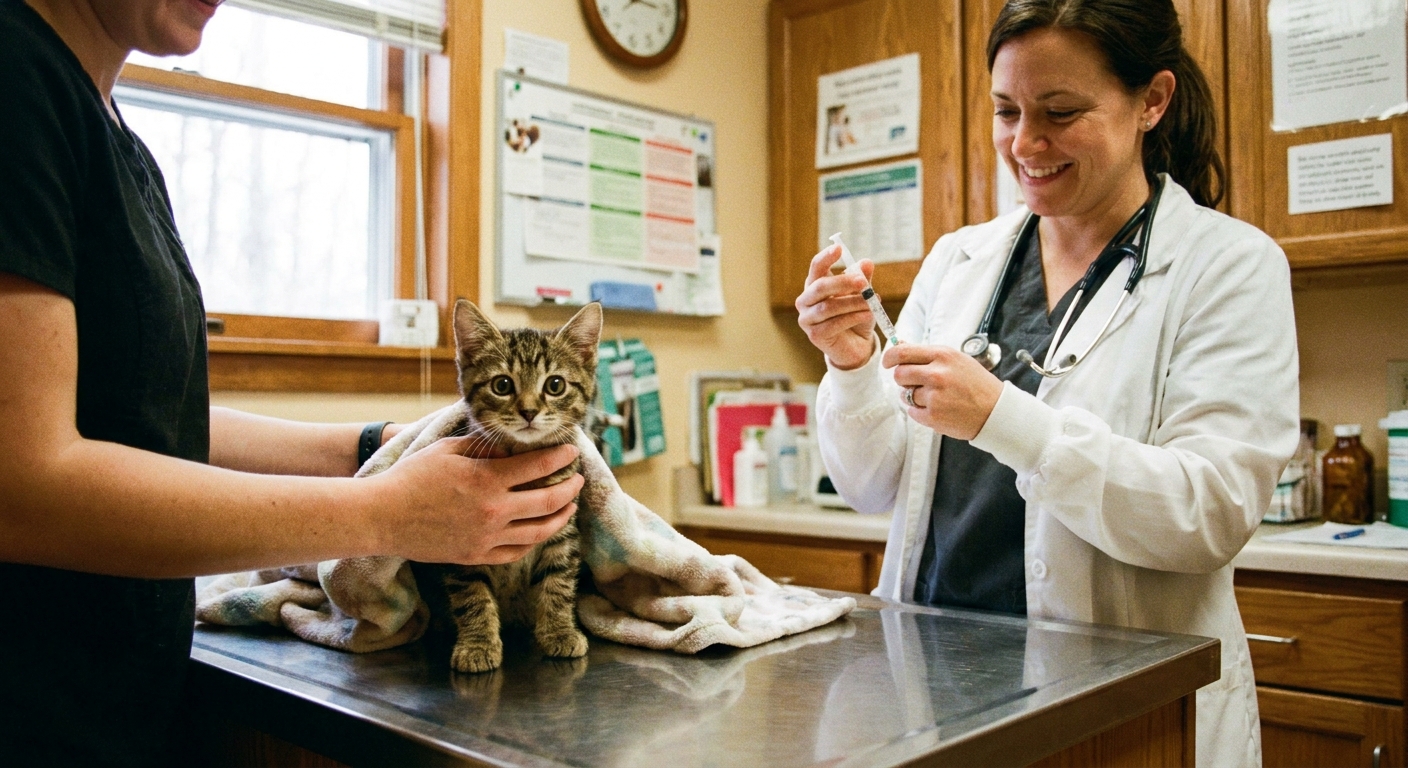
Spay is the surgery for female kittens (removal of the ovaries, usually the uterus as well). Neuter is the surgery for male kittens (removal of the testicles). Both are done under anesthesia and most kittens go home the same day.
Recovery is typically quicker for neuters and a bit more involved for spays because a spay is abdominal surgery. That does not mean spays are unsafe. It just means you will be a little more watchful about jumping, incision care, and activity restrictions.
Best age to spay or neuter
Many shelters and high-volume programs spay or neuter kittens once they are around 8 weeks old and about 2 pounds. Some private veterinary practices commonly schedule surgery closer to 5 to 6 months, often before puberty. Other vets may recommend waiting until a kitten is a bit older or heavier depending on health, breed, and anesthesia protocols.
What is “best” depends on your kitten’s health, size, lifestyle, and your veterinarian’s approach. The most important timing goal for pet homes is simple:
- Schedule it before your kitten can reproduce. Some kittens can reach sexual maturity early, sometimes as soon as 4 to 6 months.
- Aim to prevent the first heat cycle in females when possible. It can greatly reduce certain health risks later on.
A practical timing guide
- 8 to 12 weeks (about 2+ pounds): Common in rescue and foster programs. Helpful for adopted kittens because it ensures the surgery is completed before they go to new homes.
- 4 to 6 months: Very common for owned kittens through general practice vets. Often before or around puberty and before many hormone-driven behaviors become a daily issue.
- Older kittens and adults: Still absolutely worth doing. Your vet may recommend pre-op bloodwork and a slightly different recovery plan based on age and health.
If you adopted from a rescue: follow the organization’s guidance and surgery date if it is already scheduled. If not, call your vet early. Clinics book out, and you do not want to be scrambling if your kitten suddenly goes into heat or begins marking.
Even for indoor-only kittens: spay and neuter still matters. Doors get left ajar, screens pop out, and “they never try to escape” can change fast once hormones kick in.
Why spaying and neutering matters
1) Health protection for female kittens
- Prevents pyometra, a life-threatening uterine infection.
- Greatly reduces mammary tumor risk when done before the first heat cycle.
- Virtually eliminates ovarian and uterine cancers because those organs are removed.
2) Health and safety benefits for male kittens
- Prevents testicular cancer.
- May reduce roaming and fighting, which lowers the risk of abscesses, bite wounds, and exposure to contagious diseases.
3) Behavior benefits that make home life smoother
Hormones drive a lot of “why is my kitten doing this” moments. Spay and neuter can help reduce:
- Urine spraying or marking (especially in males, but females can mark too).
- Yowling and restlessness during heat cycles.
- Escape attempts and door-dashing when they start looking for a mate.
4) The community benefit
This is the piece I see up close every kitten season. One unplanned litter can quickly become several over the years. Spaying and neutering is one of the most direct ways to reduce overcrowding and suffering in shelters.
Puberty signs: do not wait
Even if your kitten still looks babyish, puberty can arrive fast. Call your vet to discuss scheduling if you notice:
- Female: loud yowling, rolling, “presenting” posture (rear end up), extra affection, trying to bolt outside.
- Male: increased mounting behavior, strong-smelling urine, interest in windows and doors, early spraying, picking fights with other pets.
What to expect on surgery day
Every clinic is a little different, but most follow a similar flow:
- Fasting: Your clinic will give you a specific food cutoff time. Kittens often have shorter fasts than adult cats because they are more prone to low blood sugar, so follow your clinic’s instructions closely. Water rules vary, so confirm.
- Drop-off and exam: They will check weight, heart and lungs, and overall health. Many clinics offer or recommend pre-op bloodwork.
- Anesthesia and surgery: Your kitten will be monitored throughout, and pain management is standard. Many clinics provide pain relief during surgery and may send medication home as well.
- Same-day pickup: You will go home with discharge instructions, any prescribed medications, and guidance on incision care and activity.
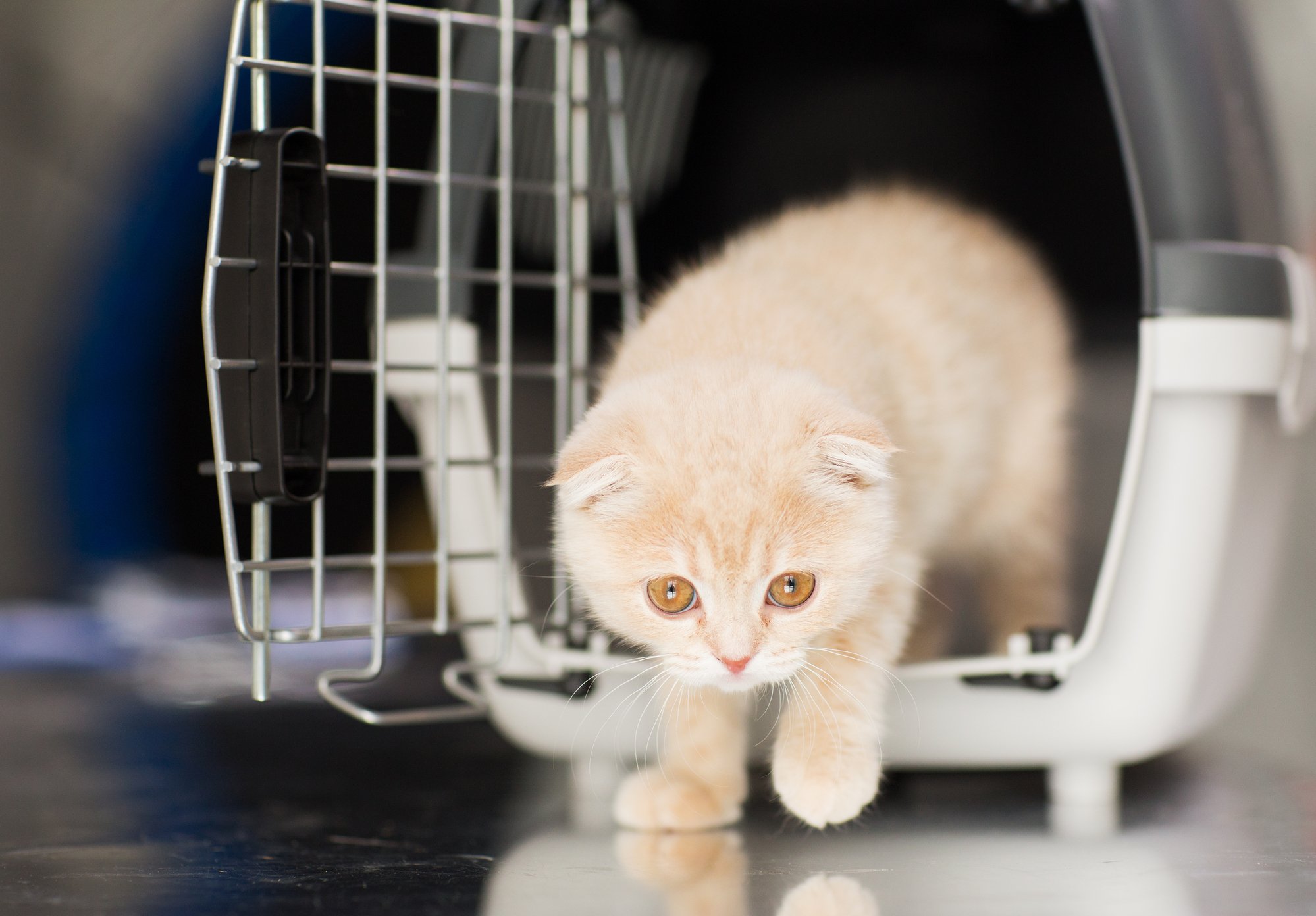
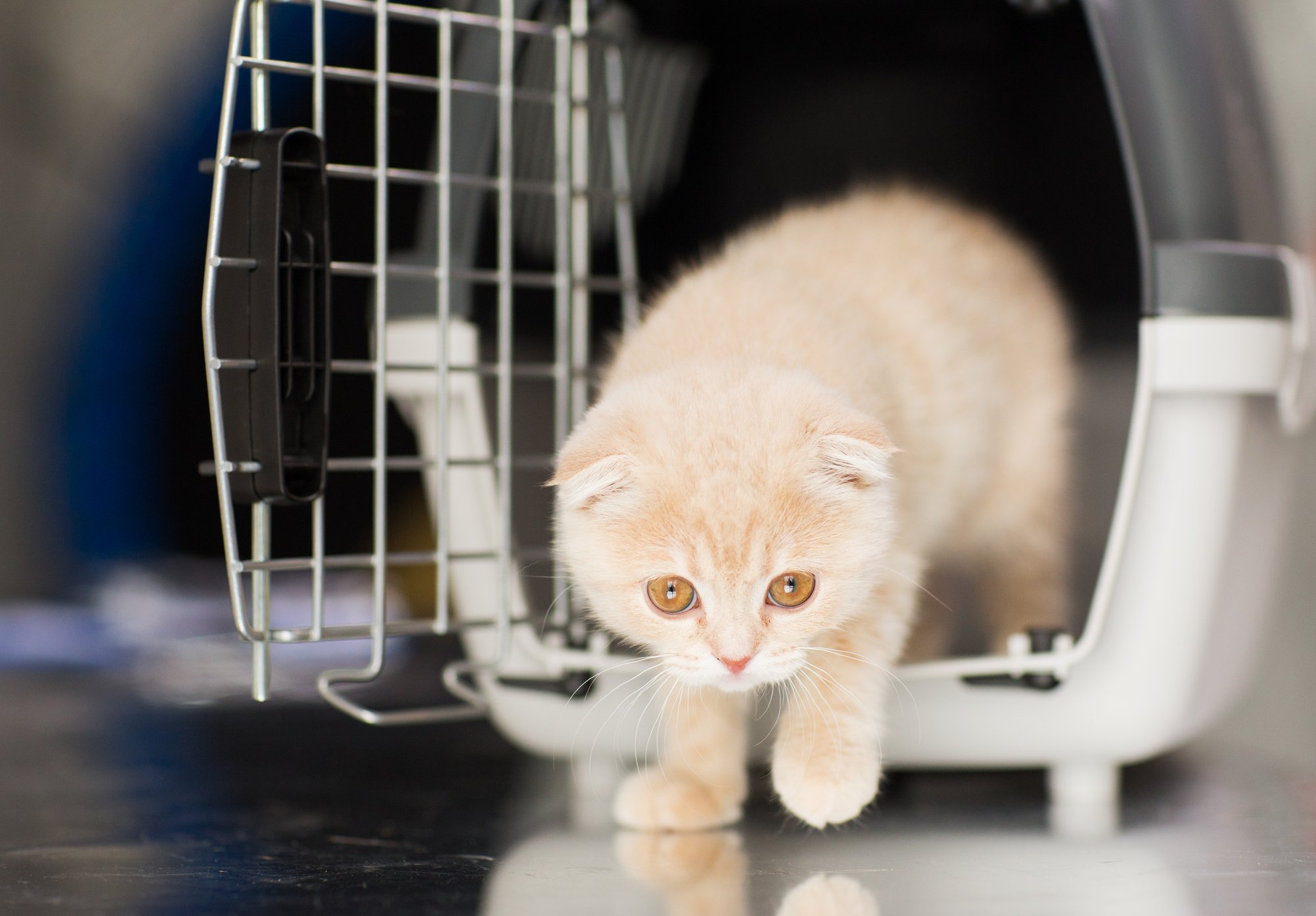
My foster tip: Bring a carrier that is easy to open from the top if you have one, and tuck a clean towel inside. Post-anesthesia kittens can be wobbly, and a towel helps them feel stable and cozy.
Recovery care at home
The goal is simple: protect the incision, control pain, and prevent chaos. Kittens feel better before they are actually healed, which is why they try to parkour on day two.
Typical timeline: many male neuters do well with a shorter restriction period (often around 5 to 7 days), while spays more commonly need 10 to 14 days. Your clinic’s instructions should be the rule.
Set up a calm recovery space
- Choose one small room (bathroom or bedroom) or use a large playpen.
- Provide a low-entry litter box so they do not have to climb.
- Keep food and water close to where they rest.
- Use soft bedding you do not mind washing.
Manage licking: cone, donut, or recovery suit
Licking is one of the biggest reasons incisions get irritated or infected.
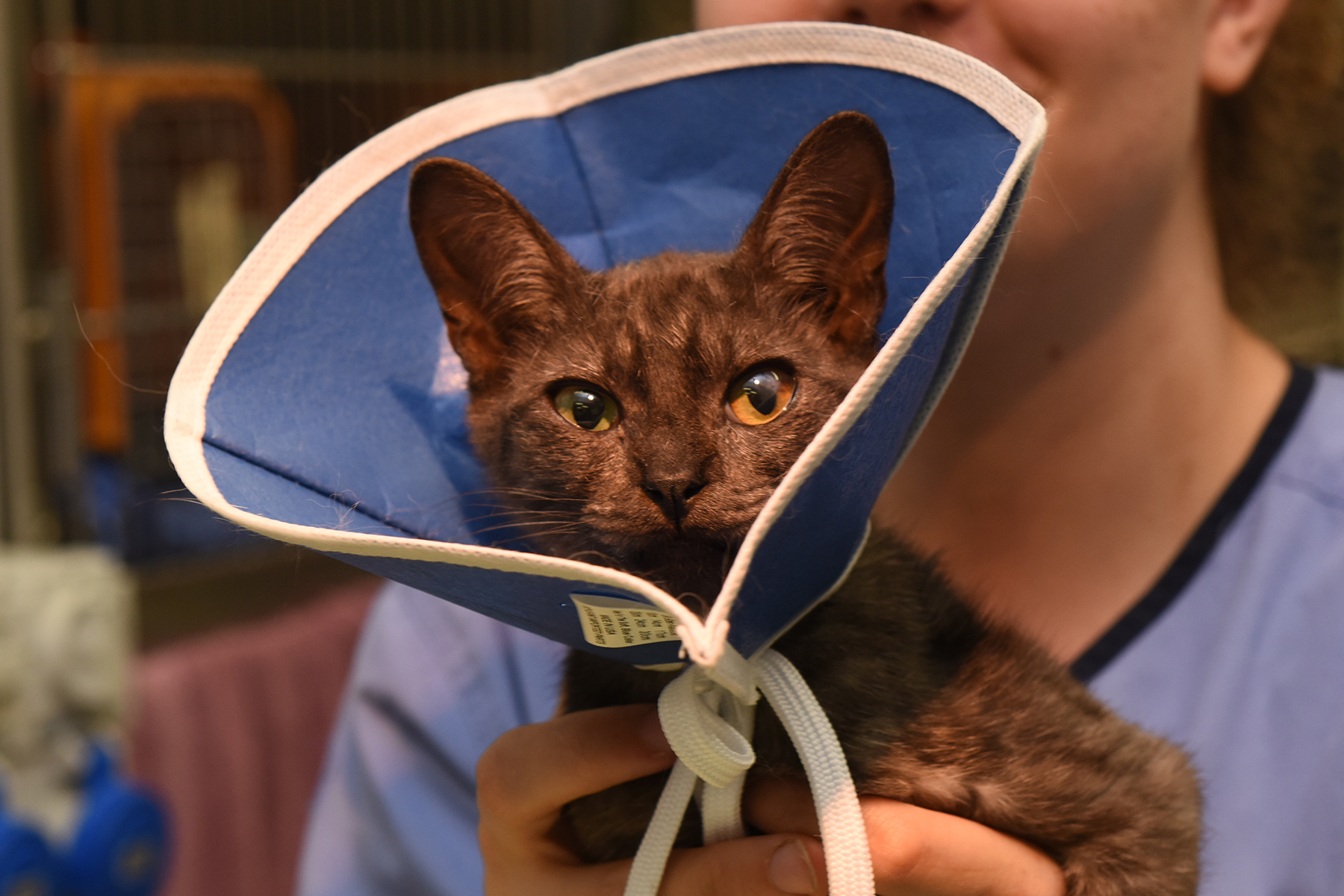
- E-collar (cone): Reliable, but some kittens hate it at first.
- Inflatable donut collar: Comfier for many kittens, but not always long enough to stop a determined licker.
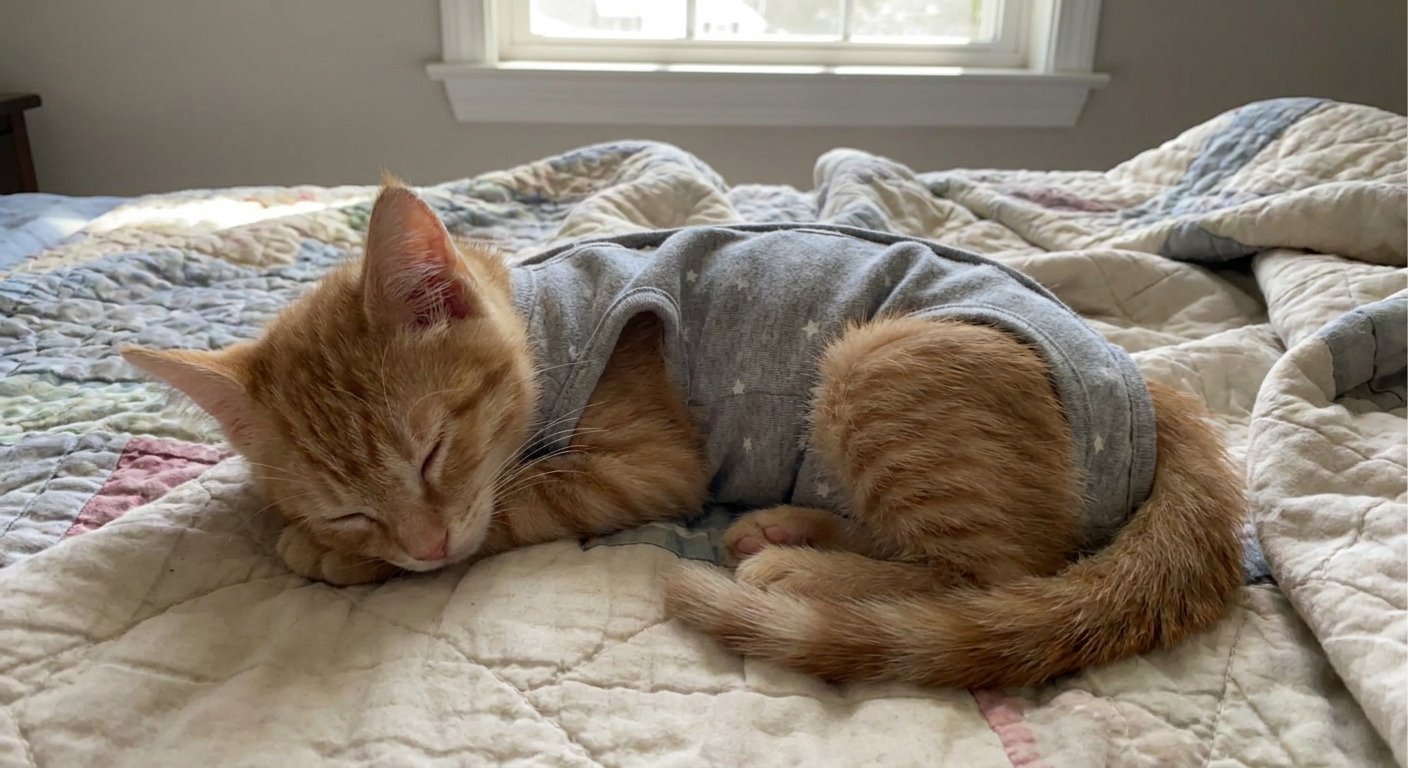
- Recovery suit: Great for many spay incisions, especially for kittens who freeze in a cone. Make sure your kitten can still use the litter box comfortably and the suit stays clean and dry.
Rule of thumb: If your kitten can reach the incision, the setup is not protective enough.
Activity restriction
Ask your clinic how long to limit activity, but commonly you will need to:
- Prevent jumping on furniture and window ledges.
- Pause roughhousing with other pets.
- Skip laser pointers and high-energy chase games.
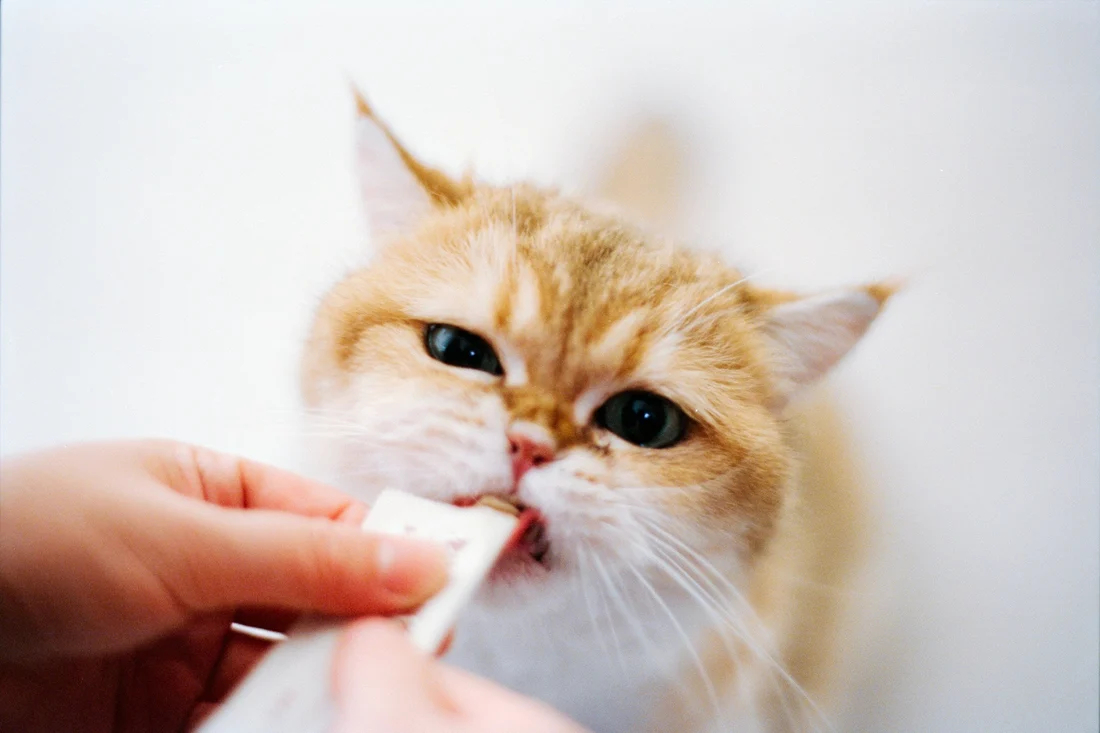
Low-key enrichment that usually works: food puzzles that stay on the floor, gentle wand play with minimal jumping, lickable treats, and “sniff and explore” time in the recovery room.
Pain control: follow the plan
If you get pain meds, give them exactly as directed. Do not give human medications. Many common human pain relievers are dangerous for cats.
Food and litter habits after surgery
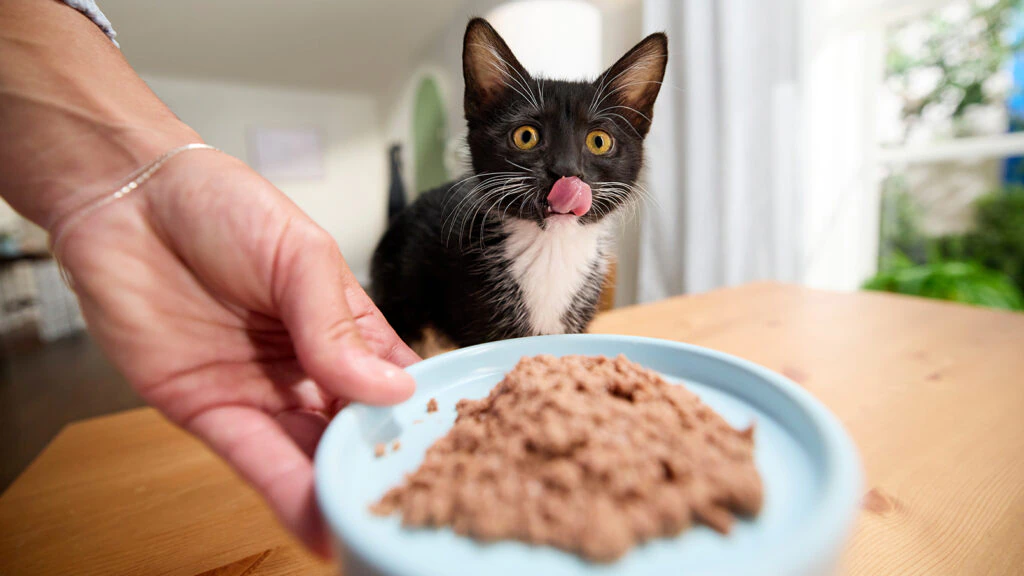
- Appetite: It is common to be sleepy or less hungry the first evening. Your clinic may suggest a smaller meal at first.
- Nausea: A small amount can happen after anesthesia. Call your vet if vomiting continues, your kitten will not keep water down, or they refuse food into the next day.
- Litter box: Some kittens may be slow to use the box while groggy. Keep it nearby and easy to enter.
Incision care
Check the incision once or twice a day in good light.
Usually normal
- Mild swelling or slight bruising.
- A small scab or dried glue (many clinics use surgical glue).
- Your kitten acting mostly normal within 24 to 48 hours, but still needing to take it easy.
Call your vet promptly if you see
- Gapping, open edges, or visible tissue.
- Thick discharge, pus, or a strong odor.
- Increasing redness or swelling day to day.
- Bleeding that does not stop with gentle pressure.
- Your kitten seems painful, hides, cries when picked up, or will not settle.
- Not eating for more than 24 hours (or as advised for your kitten’s age and medical history).
Go to an emergency vet now
- Repeated vomiting, collapse, or extreme weakness.
- Pale or white gums.
- Trouble breathing.
- A very swollen abdomen, or your kitten cannot stand or stay awake.
Please skip: bathing, incision ointments, hydrogen peroxide, alcohol wipes, or “cleaning” unless your vet told you to. Also do not pick at scabs or try to peel off surgical glue. Most incisions heal best when left alone and kept dry.
Common questions
Will my kitten’s personality change?
Your kitten will still be your kitten. What often changes is the hormone-driven stuff: roaming, yowling, and spraying. You may notice a calmer baseline once they heal, but their core personality stays the same.
Will spay or neuter make my kitten gain weight?
Not automatically. Weight gain is usually about calories and activity over time. After surgery, keep an eye on body condition and adjust portions as your kitten grows. Your vet can help you choose the right kitten food and feeding amounts.
Can littermates be altered on the same day?
Often yes, as long as they are healthy and meet the clinic’s requirements. Just plan for separate recovery spaces if they tend to wrestle, or supervise closely to prevent rough play.
My kitten is in heat. Can she still be spayed?
Often yes. Some vets prefer to wait, others proceed with additional precautions. Call your clinic right away and follow their recommendation.
How to book without stress
- Call early: Many clinics book weeks out.
- Ask what is included: pain meds, e-collar, microchip, nail trim, pre-op bloodwork.
- Confirm fasting rules: especially for younger kittens.
- Plan your pickup evening: you will want a quiet night at home to monitor grogginess.
If you are feeling nervous, I get it. I still do a little deep breath before pickup day, and I have been through this dozens of times. Once your kitten is home, warm, and sleepy with their little recovery setup, it becomes a very manageable kind of caring.
Quick checklist
- Carrier with a towel or washable blanket
- Recovery collar, donut, or recovery suit (as recommended by your vet)
- Low-entry litter box and gentle litter if your vet suggests it
- Easy-to-wash bedding
- Small room or playpen for activity restriction
- Vet-approved pain medication (if prescribed) and a reminder for dosing times
- A couple of quiet enrichment options (floor-based toys, puzzle feeder)