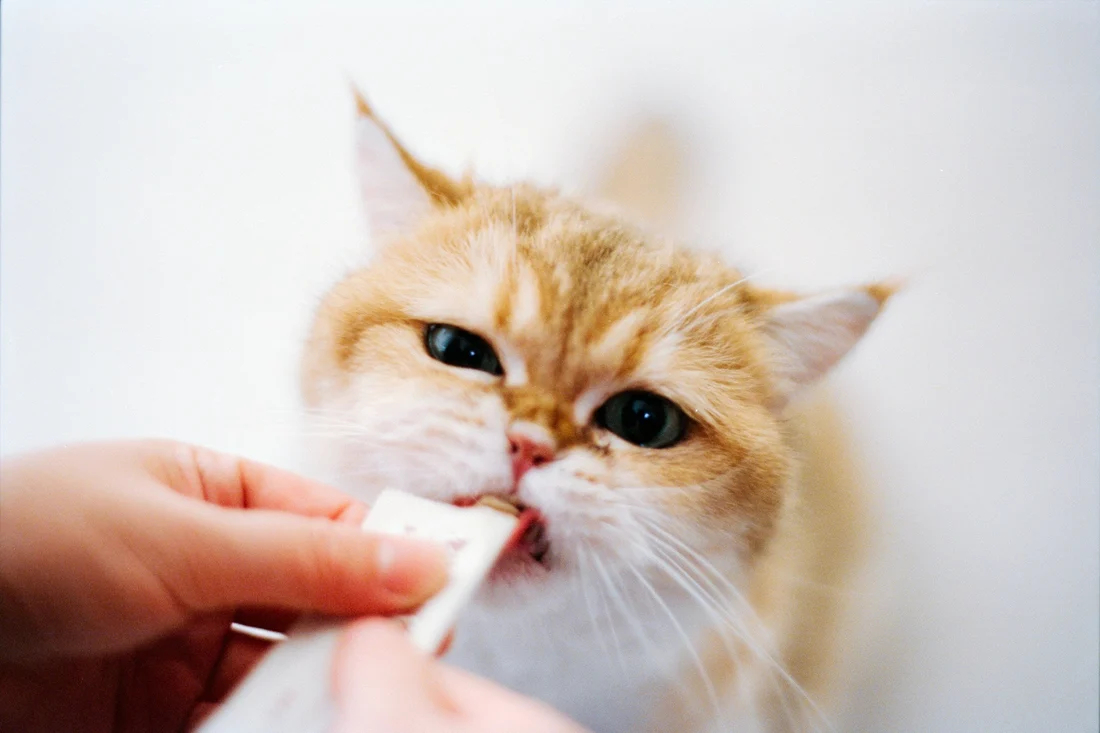
Treats are one of the fastest ways to win a kitten’s trust. They are also one of the easiest ways to accidentally upset a tiny stomach or unbalance a growing kitten’s diet. I have fostered lots of enthusiastic little snack goblins, and if there is one rule I lean on again and again, it is this: treats are a tool, not a food group.
Below is exactly when to introduce treats, how to choose safe options, and how to use them for training without turning your kitten into a picky eater .
When can kittens have treats?
Many kittens can start having very small, simple treats often around 8 to 10 weeks old, once they are reliably eating kitten food and have normal stools. It is not a magic birthday, though. The safest rule is to follow the product’s age guidance and, for very young or medically fragile kittens, check with your vet.
If your kitten is younger than that, recently weaned , underweight, or dealing with diarrhea, skip treats for now and focus on balanced kitten meals.
A quick age guide
- 0 to 4 weeks: No treats. Kittens need milk (mom or formula) only.
- 4 to 8 weeks (weaning window): Usually no treats. Let their digestive system settle into kitten wet food and gruel first.
- 8 to 10+ weeks: You can introduce tiny amounts of safe treats if meals are going well.
- 12+ weeks: Treats become more useful for training and handling practice, still in small quantities.
If your treat bag says “for cats 6 months+” or “adult,” take that seriously. Many adult treats are higher in calories or not formulated with kittens in mind.
How many treats can a kitten have?
The general guideline is to keep treats at 10 percent or less of daily calories. For kittens, I prefer even less at first, closer to 5 percent, because they have small stomachs and big growth needs.
The easiest way to stay safe
- Start with 1 to 3 tiny treats per day for the first week.
- If poop stays normal and appetite stays strong, you can increase slowly.
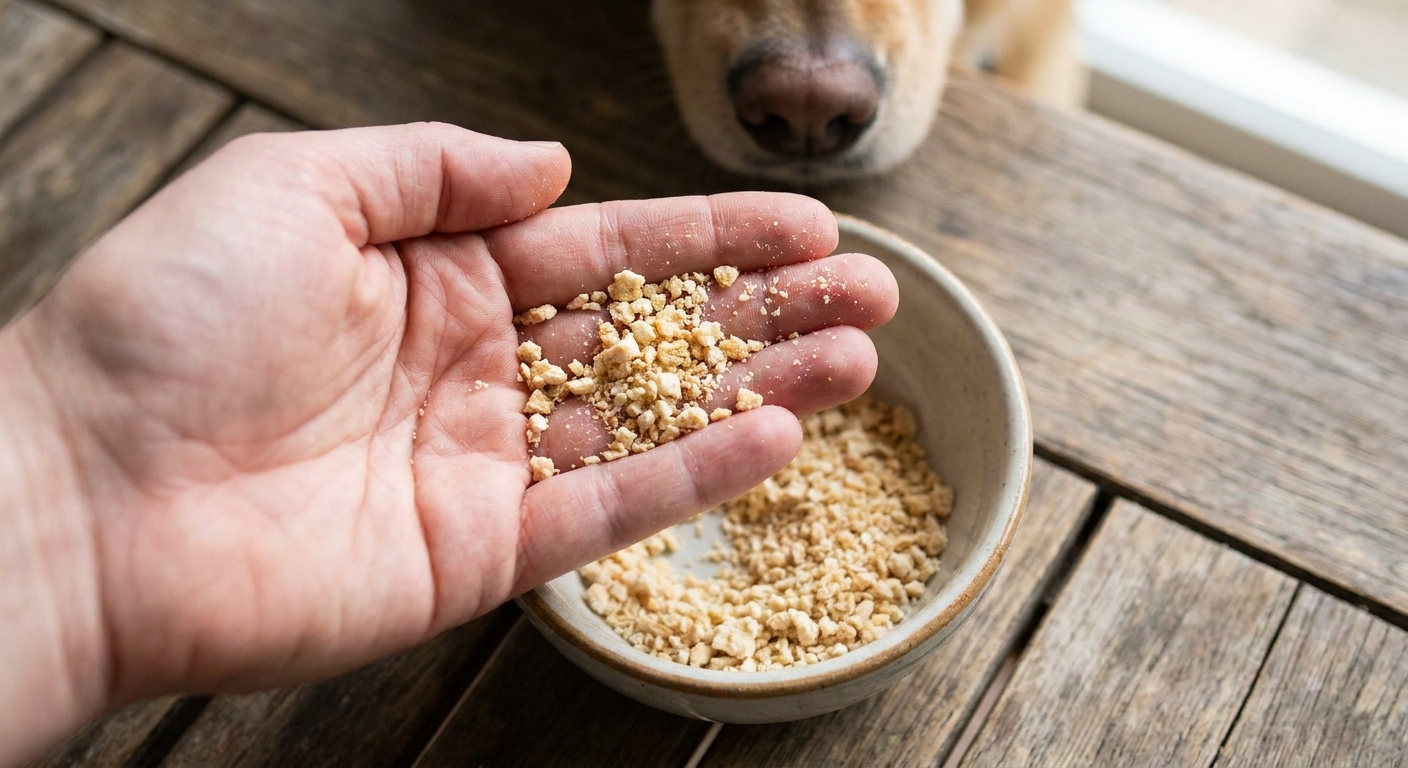
- Use micro-treats: crumb-sized pieces, a broken-up crunchy treat, or a pea-sized smear of a lickable treat.
If you want to count calories
Check the package for calories per treat or calories per tube. Then budget treats like this:
- Estimate treat calories for the day.
- If you are doing a lot of training, you can swap some rewards for part of their regular food instead of adding extras.
- If you do reduce meal size, keep it modest and do not restrict a growing kitten’s overall intake. When in doubt, ask your vet, especially for small or underweight kittens.
As a real-world example: if you are doing clicker training and handing out lots of rewards, it is usually better to use kibble from your kitten’s daily portion as the “treat,” and reserve higher-value treats for harder moments (carrier practice, nail trims, first vet visits).
What treats are safe for kittens?
Look for treats that are simple, meat-forward, and easy to digest. For kittens, my favorites are usually soft, high-protein, and low-ingredient.
Safer treat types
- Lickable treats (in small amounts): Great for shy kittens and handling practice. Use a tiny squeeze at a time.
- Single-ingredient freeze-dried meat (chicken, turkey, salmon): Crumble into tiny bits for training.
- Kitten-specific treats: These are often softer and sized better for small mouths.
- Plain cooked meat: Small pieces of cooked, unseasoned chicken or turkey can work as a high-value reward.
Texture and choking safety
Kittens have tiny mouths and baby teeth. Very hard treats can be frustrating to chew, and big chunky treats can become a choking hazard if a kitten tries to swallow them whole. If a treat is larger than your kitten’s pinky nail, break it up.
I also only give treats when I can supervise. If something cracks into a big shard, gets soggy and slippery, or your kitten tries to “gulp” it, take it away and offer smaller crumbs instead.
Ingredients to avoid
Some ingredients are not instant poison, but they are common troublemakers for kitten bellies. Others are genuine safety concerns.
Avoid these for kittens
- Milk and dairy-heavy treats: Many cats are lactose intolerant. This often shows up as gas or diarrhea.
- High-salt treats (jerky-style meant for people): Too salty and not balanced for cats.
- Onion, garlic, chives (including powders): Toxic to cats.
- Xylitol (rare in cat treats, but can appear in human foods): Dangerous for dogs and best avoided for cats as well.
- Chocolate, caffeine-containing foods: Toxic to cats.
- Grapes and raisins: Best avoided due to reported potential toxicity in pets.
- Cooked bones and bone fragments: Choking and intestinal injury risk.
- Very fatty table scraps (greasy meat, skin, fried foods): Can trigger digestive upset.
Be cautious with these
- Fish-heavy treats every day: Fish can be fine, but I treat it like a “sometimes” flavor. Variety is your friend.
- Grain-free treats with lots of legumes: Not automatically bad, just not necessary. Prioritize meat first.
- Highly scented treats with lots of additives: Some kittens do fine, others get soft stool.
One more simple rule that saves a lot of trouble: most “human foods” go wrong because of seasoning. Salt, garlic powder, onion powder, sauces, and marinades are the usual culprits. If it is not plain, do not share it.
How to introduce treats
If your kitten’s digestive system could text you back, it would ask for consistency. Introduce treats the same way you would introduce a new food.
My foster-friendly rollout
- Pick one treat to start with, not a variety pack.
- Offer a tiny amount on day one.
- Watch over the next 24 to 48 hours for vomiting, itchy ears, excessive scratching, gassiness, or soft stool.
- Increase slowly over a week.
- Stop immediately if you see diarrhea or repeated vomiting, and return to their normal kitten food.
If symptoms are severe, include lethargy, or your kitten is very young, call your vet. Kittens can dehydrate quickly. Watch for warning signs like dry or tacky gums, sunken-looking eyes, or a kitten that is suddenly too tired to play.
Training with treats
Treats are magic for teaching kittens that hands, carriers, brushes, and nail clippers are not terrifying. The trick is to keep rewards tiny and frequent.
Three easy training moments
- Carrier confidence: Toss one tiny treat into the carrier any time your kitten investigates it. No door closing at first.
- Gentle handling: Touch a paw, reward. Touch an ear, reward. Lift for one second, reward.
- Litter box wins: If you catch them using the box in the early days, a calm, quiet reward helps reinforce the habit without startling them.
My favorite treat math trick
Measure out your kitten’s daily kibble portion in the morning. Put a tablespoon in a small jar labeled “training.” Use those pieces as rewards throughout the day. If you still need something higher value, add a few crumbs of freeze-dried meat.
Healthy alternatives
You do not need fancy treats to bond with your kitten. Some of the best rewards are simple and cheap.
- Portion of their regular kibble: Perfect for everyday reinforcement.
- Tiny bits of kitten wet food: Use a spoon and offer a pea-sized amount.
- Cooked, unseasoned chicken or turkey: Shred into very small pieces.
- Freeze-dried meat crumbs: High value, easy to portion.
Bonus: for many kittens, play is a treat. A 30-second wand toy session can be just as rewarding as food, especially right before meals.
Treats as supplements
You will see treats marketed for hairballs, dental health, calming, probiotics, and vitamins. Some can be helpful, but kittens are not tiny adult cats, and you can accidentally stack ingredients they do not need.
My rule
If a treat is making a health claim, I treat it like a supplement. Use it only if:
- your kitten is old enough for the product’s label directions, and
- your vet agrees it makes sense for your kitten’s situation.
For example, “dental treats” are often too large or too hard for small kittens to benefit from, and the calories add up fast.
Common questions
Can my 6-week-old kitten have treats?
I would not. At six weeks, most kittens are still in the messy transition of learning to eat solids. Stick with kitten wet food or gruel and keep the routine steady.
My kitten has diarrhea after treats. What should I do?
Stop the treats and feed only their normal kitten diet. Make sure they are drinking and acting normal. If diarrhea continues beyond a day, becomes watery, or your kitten seems tired or refuses food, call your vet. With young kittens, I do not wait long.
Are Churu-style lickable treats safe for kittens?
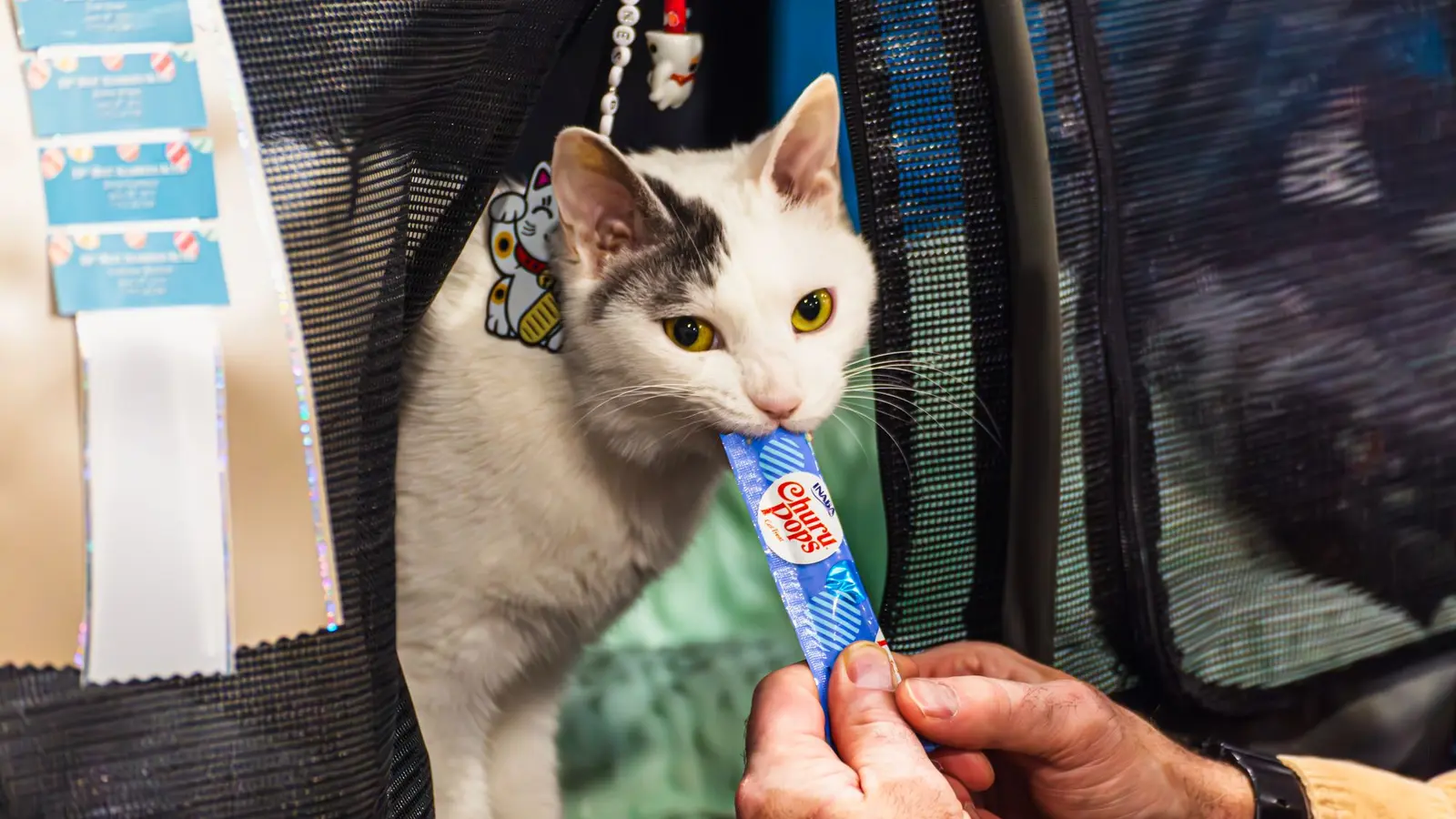
Many kittens can handle them in small amounts once they are eating well, but check the label for age guidance. Think of lickables as a high-value reward: a tiny squeeze, then cap it and put it away.
Can I give my kitten tuna as a treat?
A small taste of plain tuna in water can be an occasional treat, but I would not make it a daily habit. Some tuna products are salty, strong fish flavors can create picky eaters, and tuna is not nutritionally complete, so it can crowd out the kitten food that actually does the growing-up work.
Do treats cause picky eating?
They can if treats become more exciting than meals. To prevent this, give treats after a meal or use part of their daily kibble as treats. If your kitten starts skipping meals, pause treats for a week and reset.
The Kitten Sprout bottom line
Introduce treats when your kitten is thriving on kitten food, often around 8 to 10 weeks. Keep portions tiny, aim for treats to be 10 percent or less of daily calories, and choose simple, meat-forward options. If your kitten’s stomach gets upset, treats are the first thing to pause.
And if you want the most budget-friendly training hack I know: portion out a little of their daily food and let your kitten earn it with brave, curious behavior. It builds confidence and it keeps their nutrition exactly where it should be.