If you have ever watched a kitten sprint across the house like a tiny tornado, then take exactly two polite sips of water all day, you are not alone. Many cats are naturally low drinkers, and kittens get distracted easily. The good news is that hydration is one of the easiest health wins you can stack early, especially if you set up the environment to make drinking feel irresistible and effortless.
This guide walks you through practical ways to increase water intake using fountains, bowl placement, and hydration-friendly foods like wet meals and safe broths. I will also cover what is normal, what is not, and when dehydration needs a vet call.
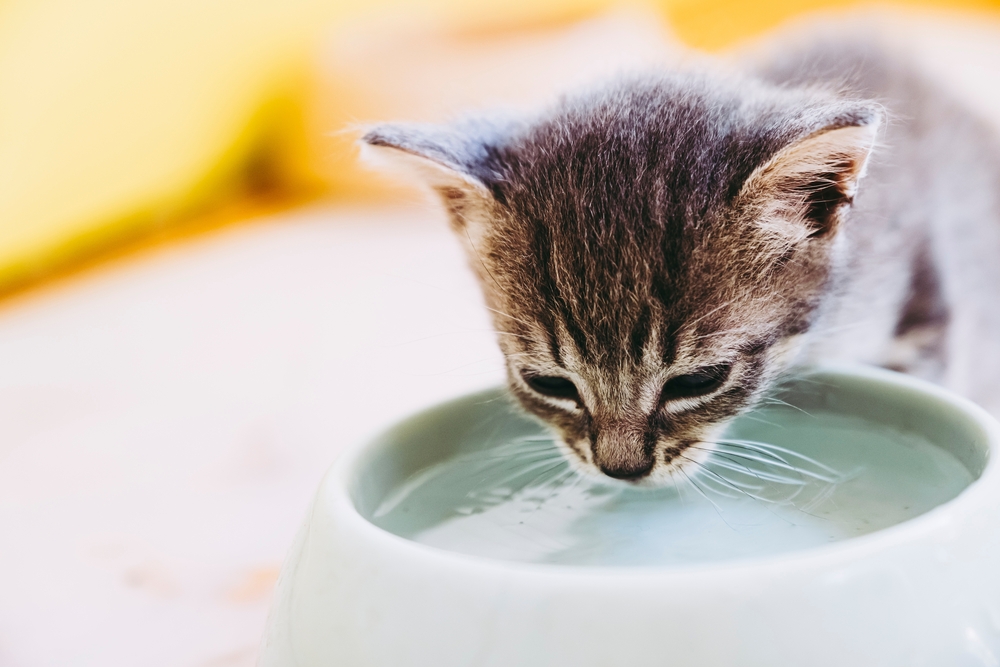
Why kittens need hydration support
Water supports nearly everything your kitten is building right now: healthy digestion, body temperature regulation, joint lubrication, and kidney function. In my foster room, hydration is one of the first things I check if a kitten seems a little off, because dehydration can snowball quickly in small bodies.
Cats evolved from wild ancestors adapted to drier environments, and they tend to meet a big portion of their water needs through moisture in food. That is why kittens eating mostly wet food often sip less from a bowl, while dry-only diets usually require more intentional “water encouragement” and easier access.
How much should a kitten drink?
There is a wide range depending on diet, size, and activity. As a loose baseline, many veterinary references cite total water intake (from food plus drinking) around 40 to 60 ml per kilogram per day. Wet food can cover a large share of that, so a kitten on wet meals may not look like a big drinker at the bowl, and still be well hydrated.
Instead of fixating on ounces, watch the full picture:
- Normal energy and playful behavior
- Normal urination (regular clumps in the litter box)
- Gums that look moist, not tacky
- A kitten who eats well and is gaining weight steadily
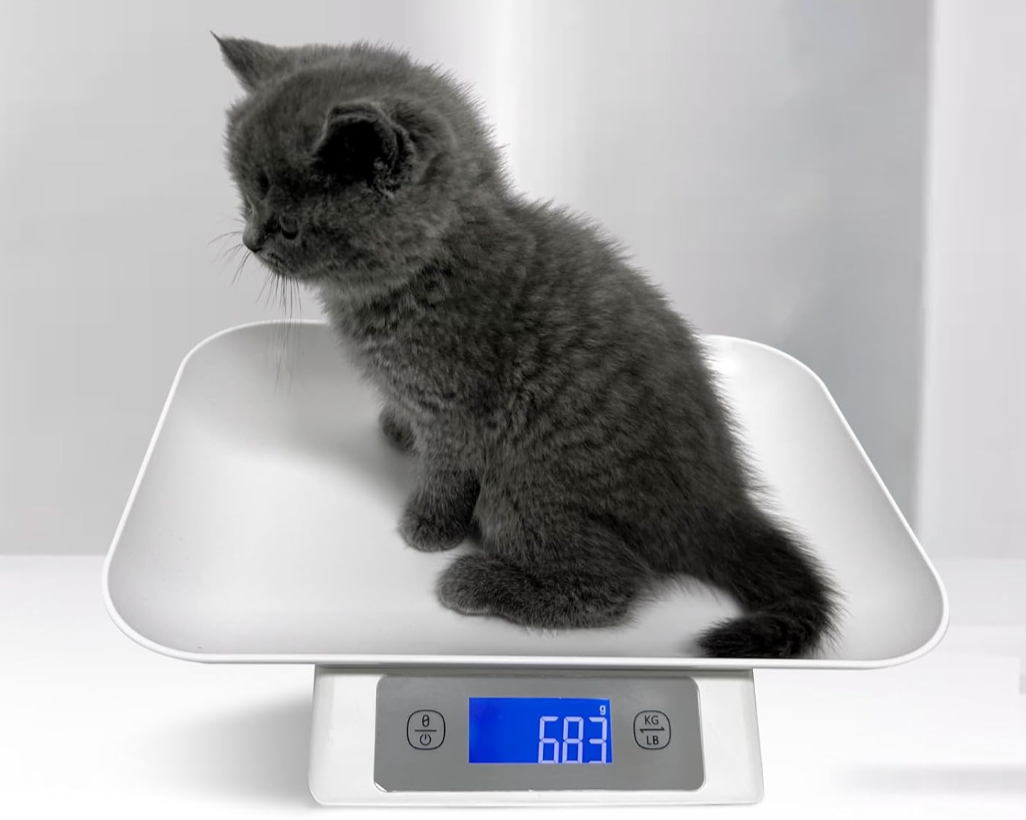
If you want an easy way to track trends, regular weigh-ins can help. In foster care, I like a quick daily or every-other-day weigh-in for young kittens. Hydration and appetite issues often show up on the scale early.
A quick age note
Very young kittens who are still weaning need special handling. If your kitten is under about 8 weeks old, bottle-fed, or not reliably eating on their own, talk to your veterinarian or a rescue-experienced caregiver before pushing bowl drinking. Their feeding plan should cover fluids safely for their age.
Signs your kitten may be dehydrated
If you suspect dehydration, get guidance promptly. Kittens can go downhill faster than adult cats.
Call your vet promptly if you notice:
- Refusing food, especially paired with low water intake
- Lethargy or hiding when that is unusual
- Vomiting or diarrhea
- Very small urine clumps
- Dry, sticky gums
Urgent: straining to pee
If your kitten is straining to urinate, crying in the litter box, making frequent trips with little output, or you see blood-tinged urine, treat it as same-day urgent care. Urinary blockage is less common in kittens than in adult male cats, but any straining is a “do not wait” symptom.
A common at-home check people mention is the “skin tent” test (gently lifting skin over the shoulders). It can be misleading in kittens and varies by body condition, so I treat it as a minor clue, not proof. Behavior, gums, litter box output, appetite, and weight trends are more useful day to day.
Set up water the kitten way
Before you buy anything new, you can usually get a hydration boost just by making water easier, cleaner, and more appealing.
1) Put water away from food and litter
Many cats prefer their water source separated from their food, and definitely away from the litter box. In foster homes, this simple change can noticeably increase drinking within a day or two.
- Try this: Put water in a quiet area where your kitten already likes to lounge.
- Skip this: Tucking the bowl right next to the food mat or in a high-traffic hallway.
2) Add multiple water stations
Kittens forget to drink. Stations act like gentle reminders. I like one water spot near the main hangout area and one near the sleeping zone.
- Small apartment: 2 stations
- Larger home or multi-level: 3 to 4 stations (one per level)
3) Pick a whisker-friendly bowl
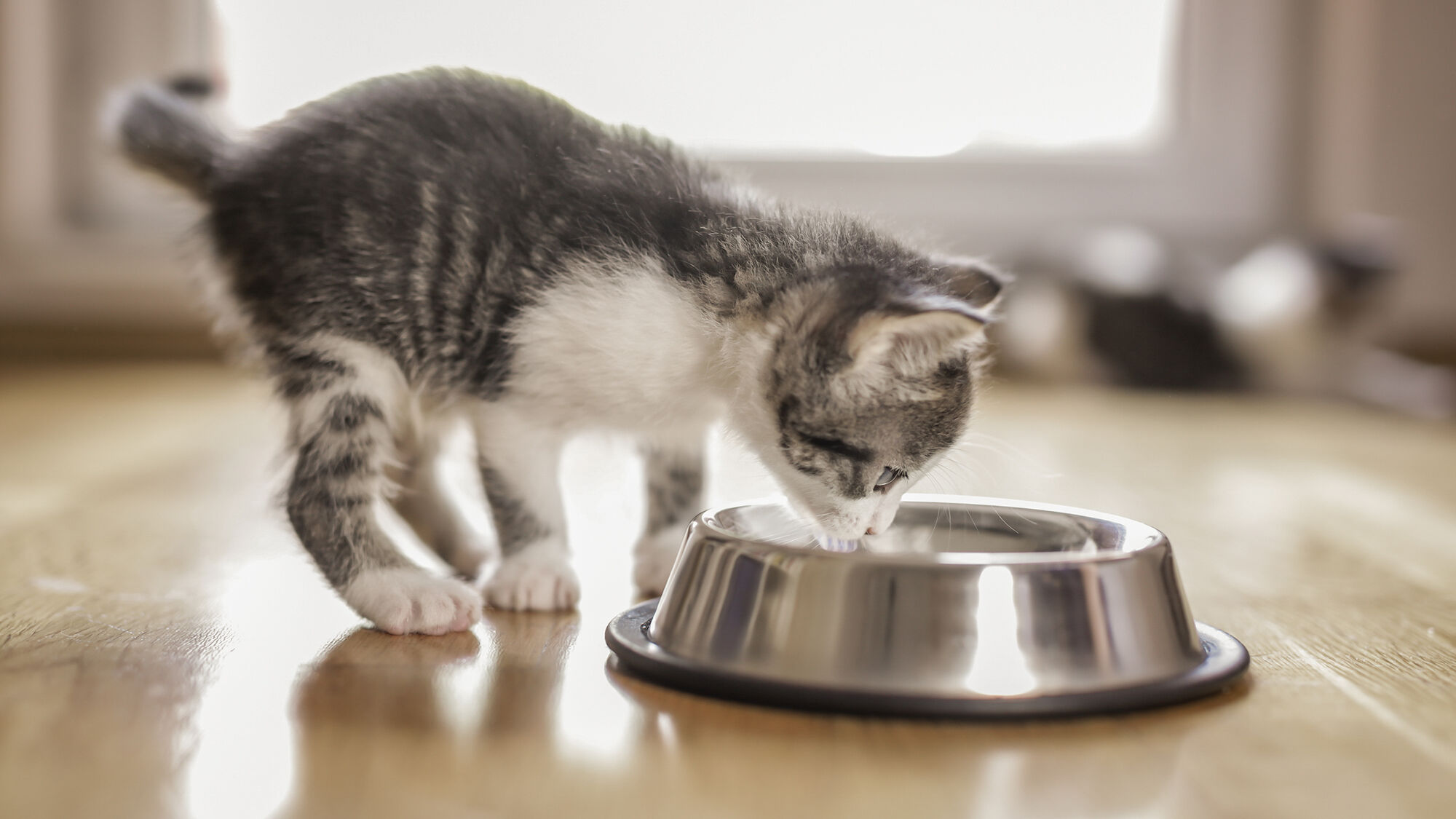
Some kittens dislike deep or narrow bowls because their whiskers brush the sides. That can lead to “drive-by sipping” or avoiding the bowl altogether.
- Best bets: wide, shallow ceramic or stainless steel bowls
- Use caution: lightweight plastic bowls that scratch easily and can hold odors
Water safety basics: refresh water daily, wash bowls with soap and hot water daily, and rinse well. Even a “clean-looking” bowl can build up biofilm fast.
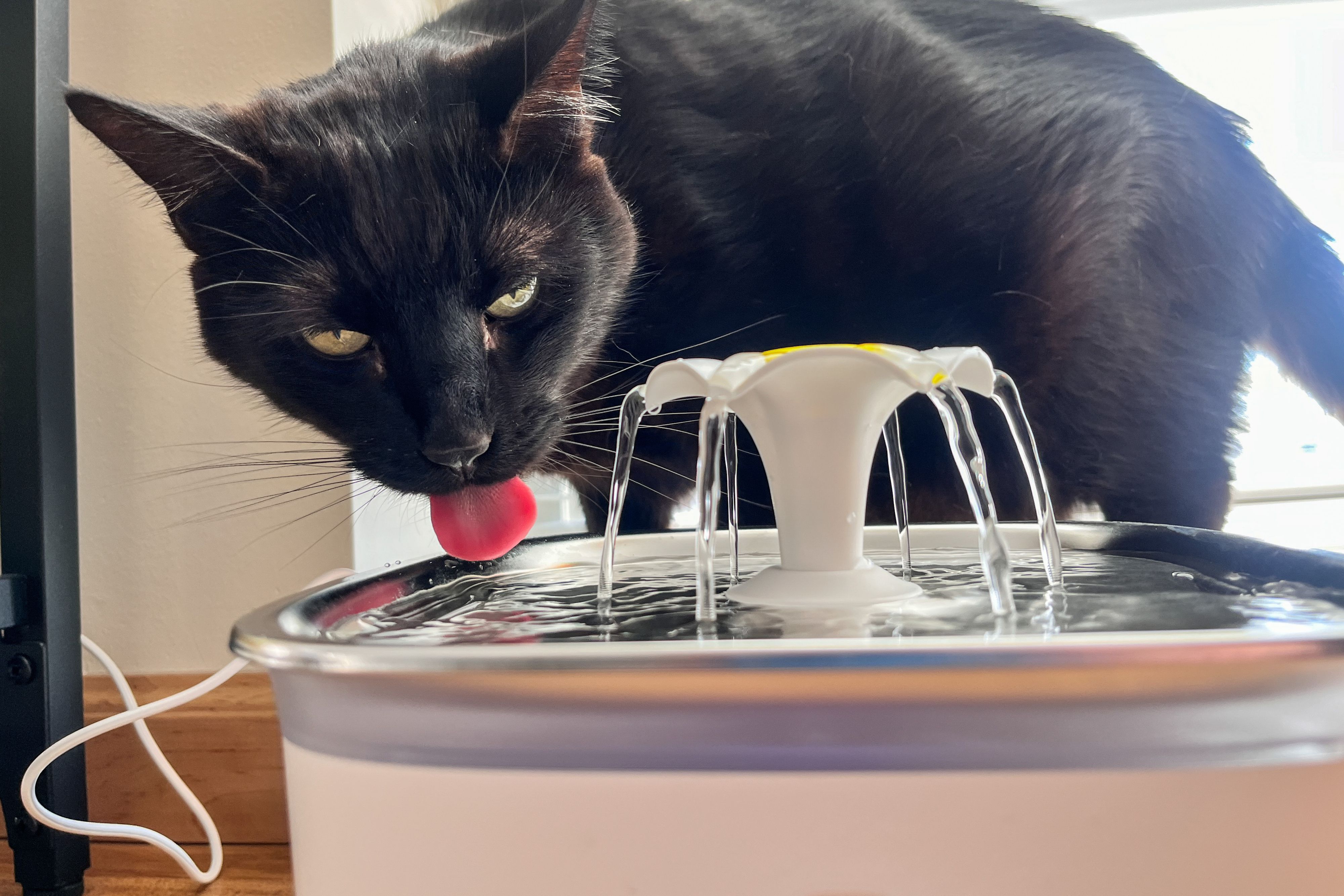
Cat fountains: an easy upgrade
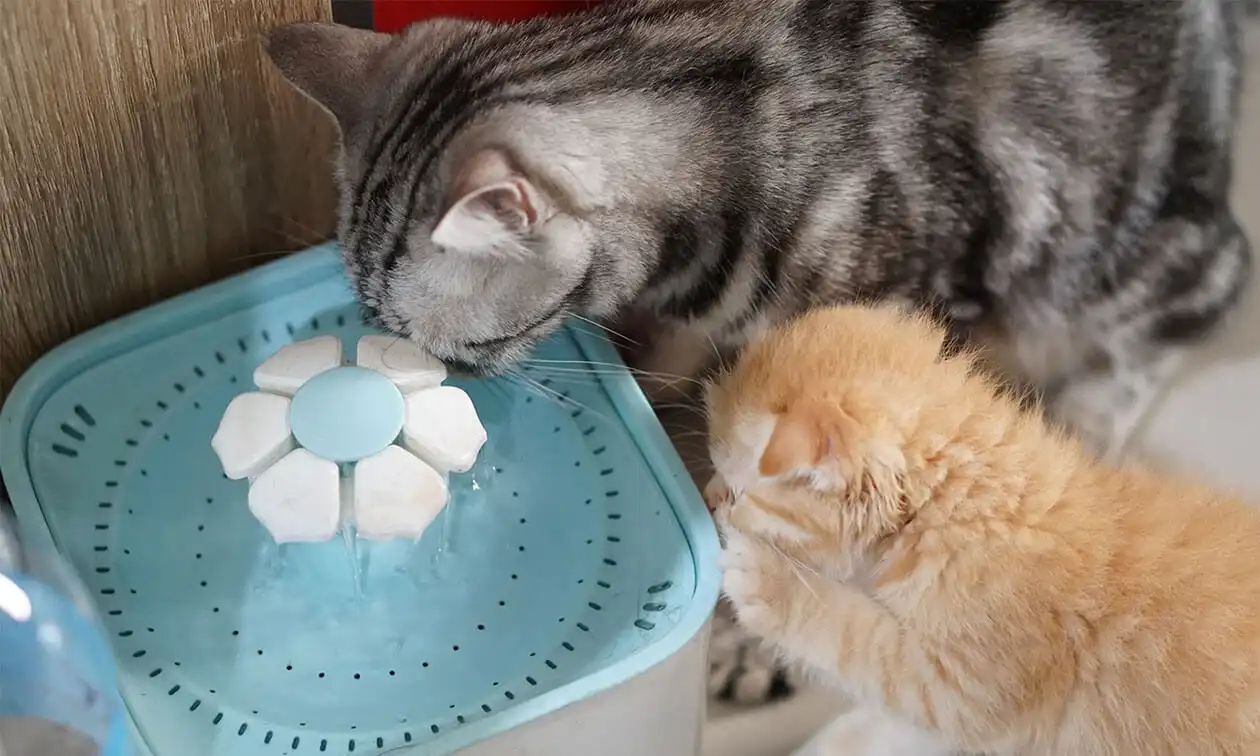
If your kitten likes moving water, a fountain can be the “oh, this is fun” solution. Flowing water may taste fresher, and it often pulls curious kittens in for extra sips.
What to look for
- Easy to clean: fewer tiny parts, dishwasher-safe pieces if possible
- Stable base: kittens love to paw at water, so heavier is better
- Quiet motor: timid kittens may avoid noisy fountains
- Good filtration: helps with taste and debris
- Safe cords: keep cords secured and out of chew range
How to introduce a fountain
- Place the fountain near the current water bowl, but do not remove the bowl yet.
- Let your kitten investigate it turned off for a few hours.
- Turn it on at the lowest flow setting.
- Praise curiosity. Do not force nose-to-water introductions.
- After a day or two of regular use, remove the old bowl or keep it as a backup station.
Keep it clean
Fountains can boost drinking, but only if the water tastes clean. In my foster routine, I aim for:
- Daily: rinse and refill
- Every 2 to 3 days: wash the bowl section and wipe slime-prone edges
- Weekly: full disassembly and scrub
- Filter changes: follow the manufacturer schedule, sooner if you have hard water or multiple pets
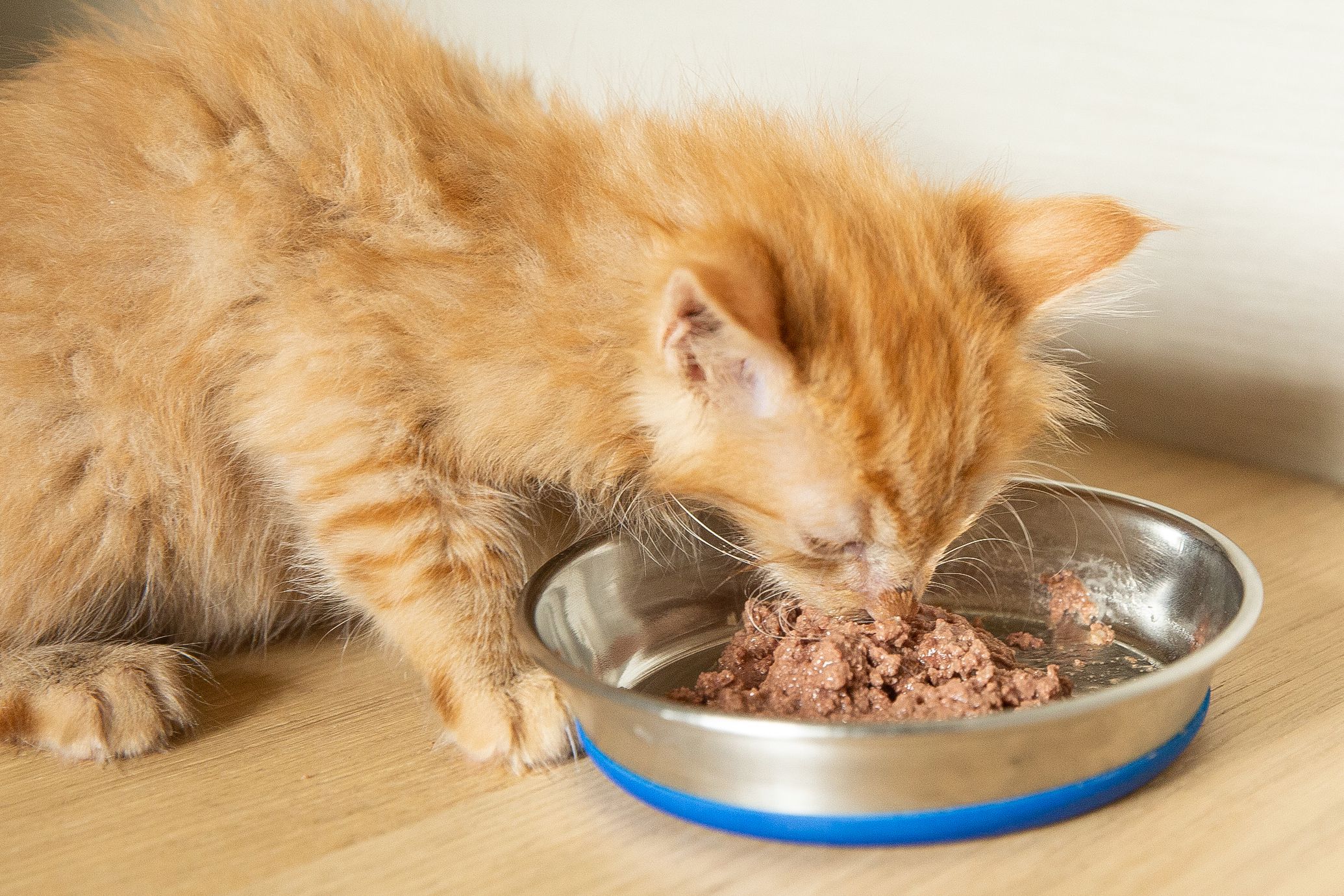
Hydration through food
If I could pick one budget-friendly, high-impact hydration move for new kitten parents, it would be increasing moisture in meals. This is especially helpful for kittens who ignore bowls but eat enthusiastically.
Once your water stations are set, food moisture is where you can really stack the odds in your favor.
Make wet food routine
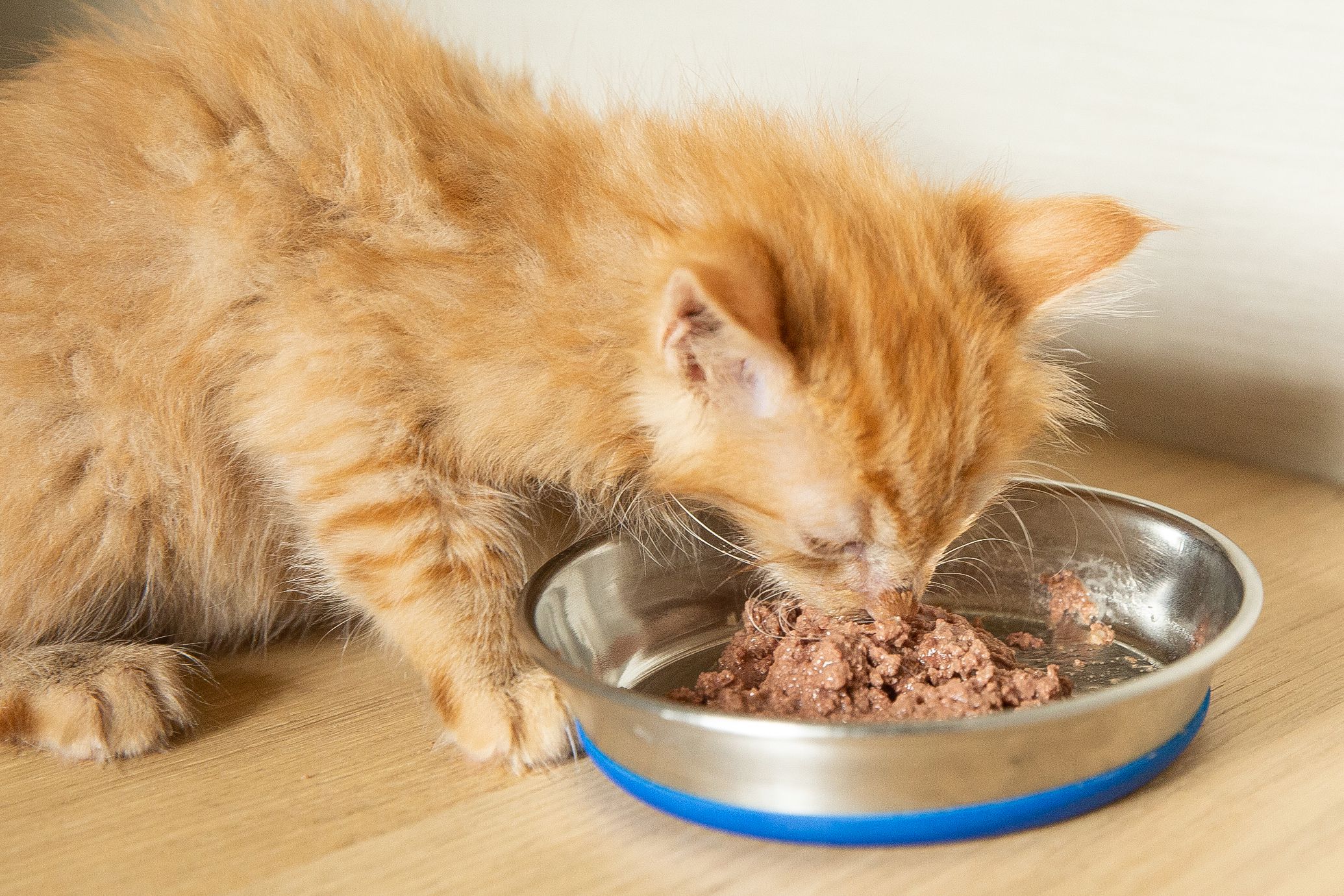
Wet kitten food is naturally high in moisture. Even one wet meal per day can meaningfully increase total water intake.
- For mixed feeding: keep dry food portions measured and add one wet meal
- For wet-only: offer smaller meals more often so it stays fresh
Add water to wet food
Many kittens accept “soupy” wet food happily. Start small so you do not scare off picky eaters.
- Stir in 1 teaspoon of warm water.
- Over several days, gradually increase until the texture is like oatmeal or stew.
- Serve promptly and discard leftovers so it does not sit out and spoil.
Use safe broths and toppers
Broths can be a great bridge for kittens who need a little extra motivation. The key is choosing a broth that is cat-safe.
Choose: plain, unseasoned chicken broth or bone broth made specifically for pets, or homemade broth with only meat and water. Aim for low sodium, since many store-bought broths (including some pet broths) can be surprisingly salty.
Avoid: onion, garlic, chives, scallions, heavy salt, and spicy seasonings. Many human broths contain onion and garlic, which are unsafe for cats.
Easy ways to use broth
- Mix 1 to 2 tablespoons into wet food.
- Offer a small “broth shot” in a separate dish for 10 minutes, then remove it.
- Freeze broth into small cubes and thaw one as a meal topper.
If you use tuna water (from plain tuna packed in water), keep it occasional. It can be salty, and some kittens get a little too enthusiastic about fish flavors if you make it a daily habit.
Make water appealing
Kittens are fast learners. That is wonderful when you are teaching litter box skills, and mildly chaotic when they decide the only acceptable water source is the bathroom sink.
Healthy interest boosters
- Refresh often: some cats will not drink stale water, especially if there is food dust in it.
- Try different fill levels: some kittens prefer a very full bowl, others prefer a little space. Test what your kitten likes.
- Offer different materials: try one ceramic bowl and one stainless steel bowl.
- Temperature test: some kittens prefer cool water, others prefer room temperature.
Be careful with sink drinking
I get it. Sink drinking feels cute, and it can indicate your kitten likes moving water. But it can also turn into a habit that leaves your cat waiting for you to turn on the tap. If your kitten loves the faucet, a fountain placed near that area often satisfies the same preference with less training involved.
Troubleshooting
“My kitten plays in the water.”
Totally normal. Try a heavier bowl with a silicone mat underneath, or switch to a fountain with a calmer stream. You can also move the water station away from zoomie zones so it is less tempting as a toy.
“My kitten only drinks when I am nearby.”
Some kittens feel safer drinking when they are not exposed. Try placing a water station in a corner with one open side, or near a covered bed. Quiet locations can help confidence.
“The fountain freaks my kitten out.”
Turn it off and reintroduce slowly. Let your kitten sniff it dry, then add water without turning it on, then progress to the lowest setting. Some kittens prefer a fountain with a very gentle bubbler rather than a tall stream.
“My kitten drinks a lot all of a sudden.”
Increased thirst can happen after more play, a warmer day, or a switch to dry food. But ongoing excessive drinking is worth a vet check, especially if paired with big urine clumps, weight changes, or appetite changes.
A simple daily routine
If you want an easy system that does not require constant monitoring, this is what I do in a busy foster home.
- Morning: refresh all water stations, quick wash or rinse bowls, quick rinse fountain top
- Meals: serve at least one wet meal, add a small splash of warm water to make it stew-like
- Afternoon or evening: check litter box output (a surprisingly helpful hydration report card)
- Weekly: deep-clean fountains and scrub bowls, then reset stations
- Night: top off water again if your kitten is a midnight zoomer
FAQ
Can I give my kitten milk for hydration?
Most cats are lactose intolerant after weaning, and milk can cause diarrhea, which worsens dehydration. If you want a “special” hydration treat, use cat-safe broth or extra water mixed into wet food instead.
Is flavored water safe for kittens?
I skip flavored waters made for humans and avoid water additives unless your veterinarian recommends them. If you want gentle flavor, use a small amount of cat-safe, low-sodium broth as an occasional topper.
Should I add electrolytes to my kitten’s water?
Only if your veterinarian tells you to. Human electrolyte drinks and many supplements can be inappropriate for kittens. For routine hydration, plain fresh water plus moisture-rich food is usually the safest route.
How can I tell if my kitten is drinking enough?
Look for steady energy, normal appetite, regular urination, and steady growth. If your kitten seems unwell, stops eating, has repeated vomiting or diarrhea, or is urinating much less than usual, contact your vet or an urgent clinic for guidance.
The bottom line
Most “non-drinkers” are not being stubborn. They are being cats. When you meet your kitten halfway with better bowl placement, more stations, a clean fountain, and moisture-rich meals, water intake usually improves without any pressure or stress.
If you want one starting point: add a second water station away from food and litter today, then trial a fountain if your kitten still only takes tiny sips. Small changes add up fast, and your kitten’s kidneys will thank you for years.