When I foster a new litter, I always set up their feeding station before the kittens even waddle into the room. Not because I am fancy, but because the wrong bowl can quietly cause big problems: chin irritation, food refusal, “mysterious” messes, and yes, the thing people call whisker fatigue.
Let’s make this simple. You want a bowl that is easy to sanitize, gentle on sensitive whiskers, and stable enough that an enthusiastic kitten cannot turn dinner into a slip and slide.
Whiskers and bowls
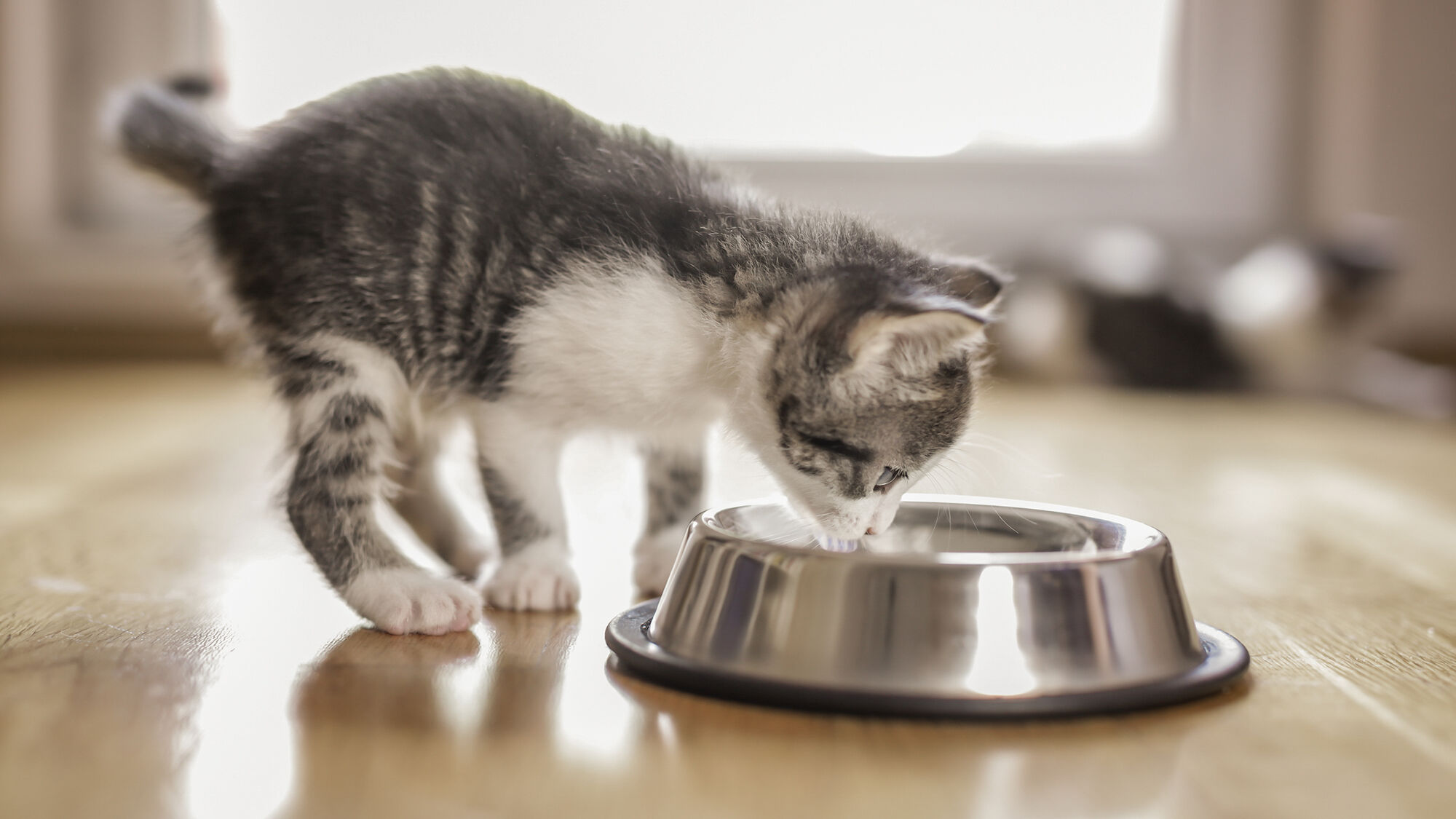
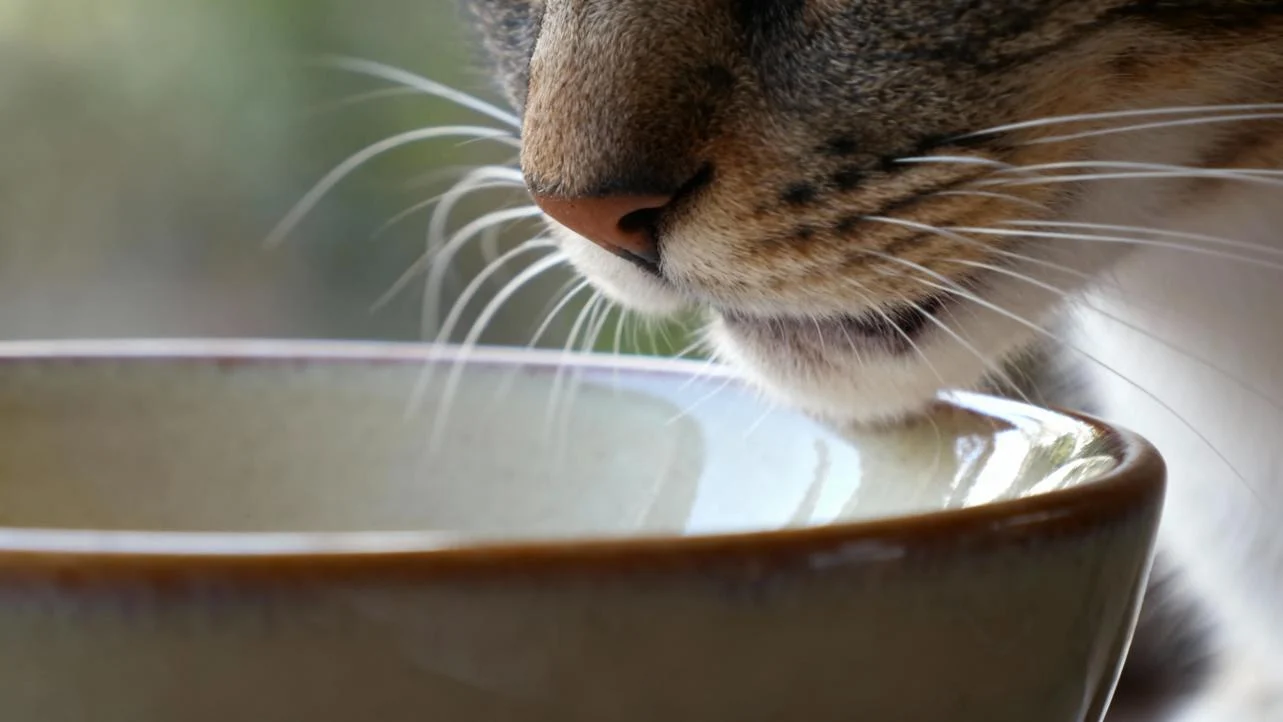
Your kitten’s whiskers are not just cute. They are sensory tools packed with nerve endings that help your cat measure spaces and “read” the world up close.
You will often hear people blame bowl-related fussiness on whisker fatigue. It is not a formal veterinary diagnosis, and the evidence is mixed, but some cats do seem to dislike repeated whisker contact with narrow or deep bowls. Whether it is true overstimulation, lingering food smells, residue on the bowl, or just a strong preference, switching to a shallow, wide dish is a low-effort way to remove a common irritant.
Signs your bowl might be the issue
- They approach food, then back away, like they want it but do not want the bowl.
- They eat only from the center and leave a ring of food along the edges.
- They scoop food out with a paw and eat off the floor (classic foster-room behavior).
- They act hungry but “picky”, especially with wet food.
- They knock the bowl around or tip it more than seems normal for a kitten.
Important caveat from the foster trenches: these same signs can also show up with dental pain, nausea, diet intolerance, food that has gone stale, or a kitten simply not feeling well.
Vet note: If a kitten suddenly stops eating, drools, vomits repeatedly, paws at their mouth, seems painful, or is losing weight, do not troubleshoot bowls for long. Call your vet.
Best bowl shape
Before we get into materials, the shape matters just as much:
- Shallow and wide: Think saucer-like rather than cereal-bowl-like.
- Low sides: Less whisker contact and easier access for tiny faces.
- Heavy or non-slip base: Kittens pounce first and eat second.
- Separate food and water: Some cats prefer water placed a short distance away from food.
Portions and timing
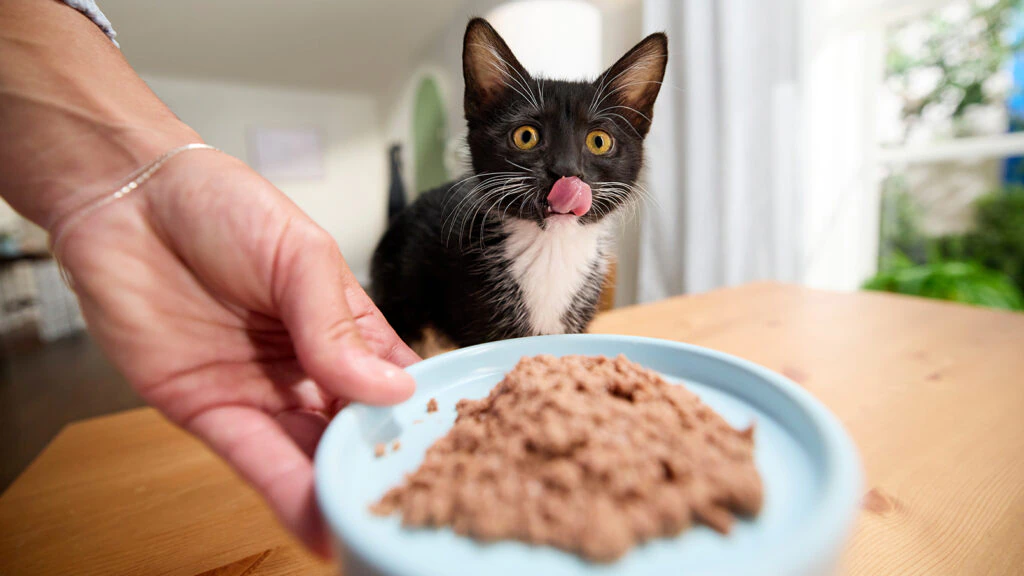
Kittens usually do best with smaller, more frequent meals. If you feed wet food, offer modest portions and refresh them often.
- Do not leave wet food out all day. At normal room temperature, I treat 1 to 2 hours as a reasonable max. In warm rooms, go shorter.
- When in doubt, toss it. Dried-out wet food is less appealing, and old food is not worth the risk.
Stainless steel vs ceramic vs plastic
If you are standing in the pet aisle feeling overwhelmed, here is the practical comparison I wish someone had handed me years ago.
| Material | Pros | Cons | Best for |
|---|---|---|---|
| Stainless steel | Very hygienic, non-porous, dishwasher-safe, lightweight but durable, usually affordable | Can slide on floors if it is too light, some have seams or rubber rings that trap grime | Most kittens and most households |
| Ceramic | Heavy and stable, often whisker-friendly shapes, dishwasher-safe if fully glazed | Can chip or crack (bacteria can hide in damage), heavier to travel with, quality varies | Kittens who fling bowls or households wanting extra stability |
| Plastic | Cheap, lightweight, widely available | Scratches easily (harbors bacteria), holds odors, can contribute to chin irritation in some cats, may warp over time | Short-term backup only, not my first choice |
My take from fostering
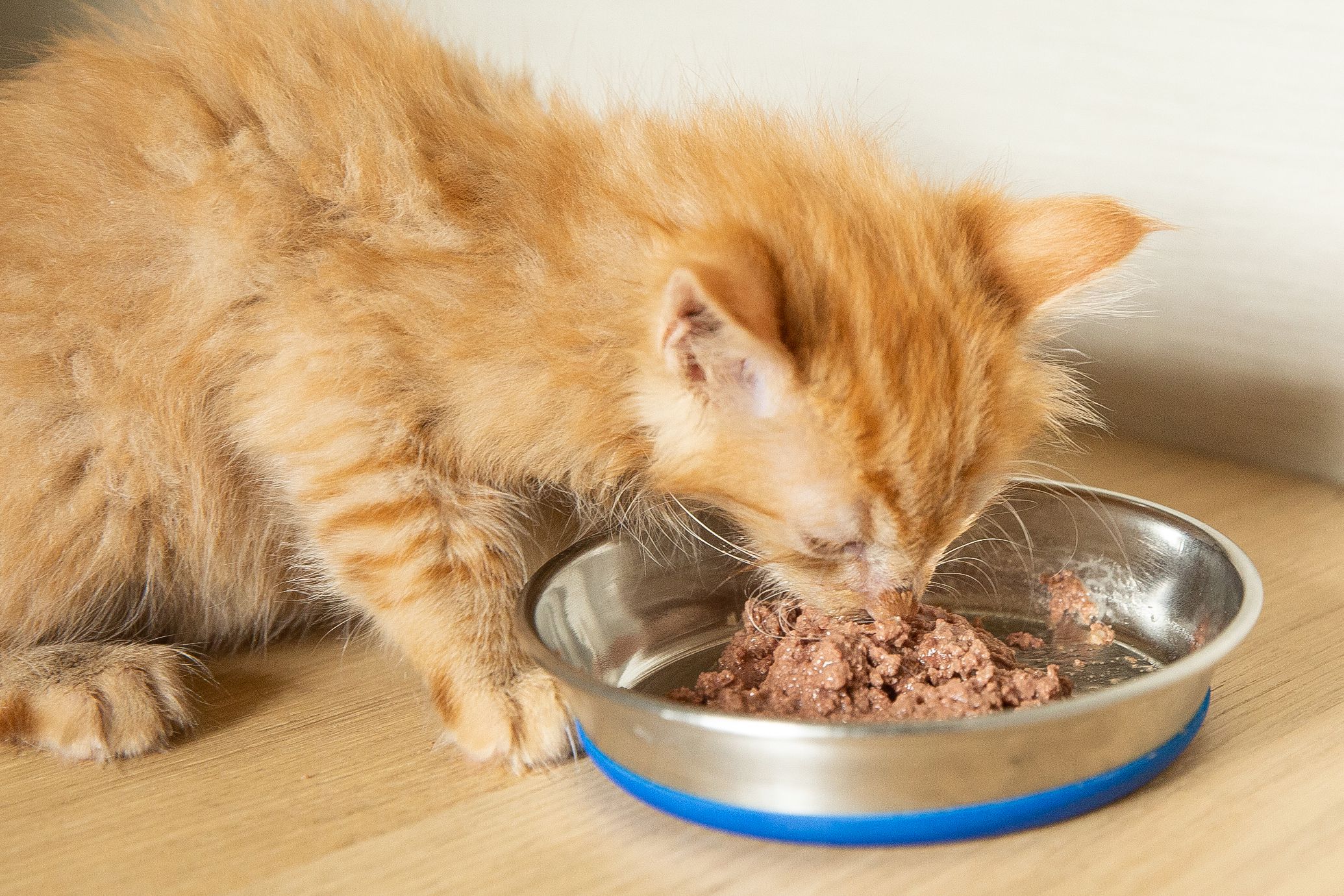
Stainless steel is my default. It is the easiest to sanitize between fosters, it does not hold smells, and it stands up to constant washing. For kittens, choose a shallow stainless dish with a wide opening, or a stainless “plate” style feeder.
Ceramic is a close second, as long as it is high-quality and fully glazed. I like ceramic for kittens who treat mealtime like a wrestling match because the added weight reduces skidding and tipping. If you buy handmade ceramic, make sure it is labeled food-safe and lead-free.
Plastic is where I am picky. I have seen plenty of kittens with chin irritation that improves after switching away from plastic, especially when cleaning gets more consistent. It is not a guarantee, but it is an easy change that may help. If plastic is all you have today, treat it as temporary and replace it as soon as you can.
Bowls and chin acne
Feline chin acne often looks like tiny black dots on the chin, sometimes with redness or pimples. It is common and usually manageable, but it can be frustrating.
Acne has multiple causes, but bowl choice can matter because bacteria and oils build up more easily on scratched or porous surfaces. In my experience, switching from plastic to stainless steel or glazed ceramic, plus improving cleaning habits, often helps and is worth trying.
Easy cleaning routine
- Wash bowls daily with hot water and unscented dish soap.
- Use the dishwasher when possible, especially for stainless and ceramic.
- Avoid strong fragrances in soaps if your kitten seems sensitive.
- Replace damaged bowls (cracked ceramic, deeply scratched plastic, rusted metal).
Why fountains can help
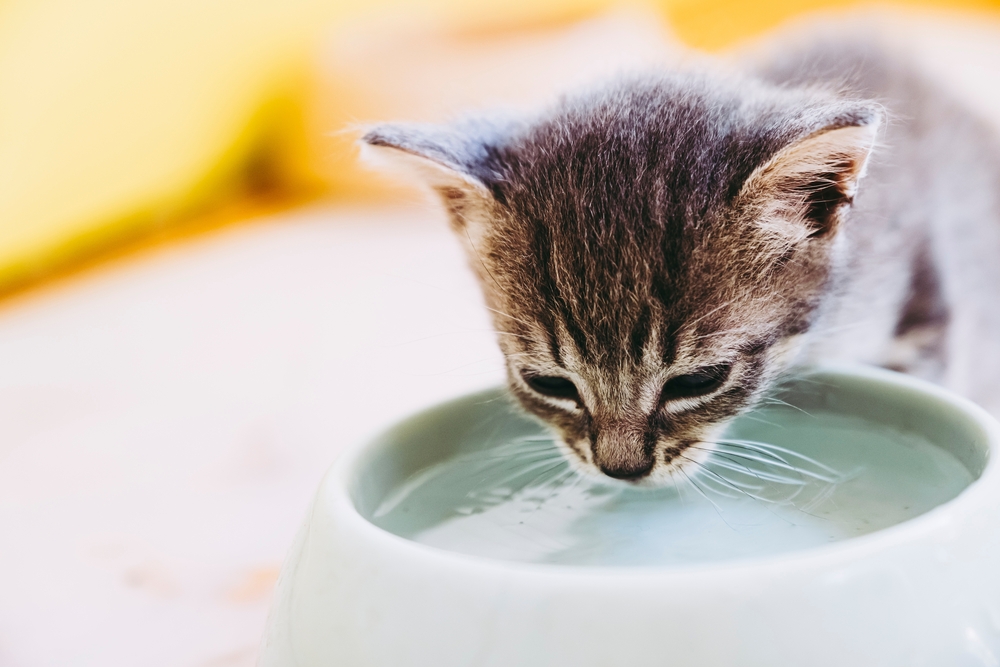
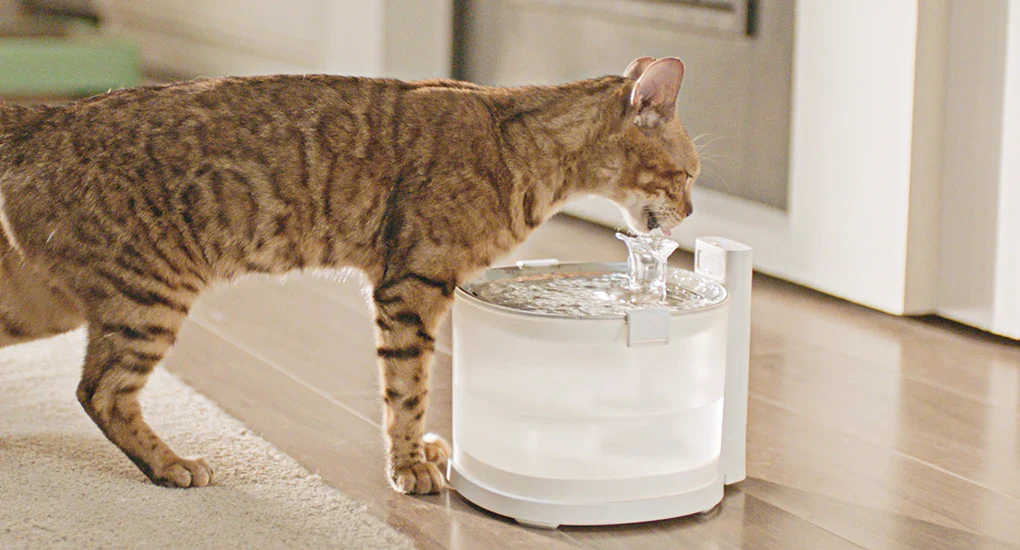
Many cats are more interested in moving water than still water. A fountain uses circulation and filtration to keep water tasting fresher and reduce hair and debris. Depending on the room and the model, circulation can also keep water from feeling stale.
For kittens, the big win is simple: some drink more when water is moving and easy to notice.
Hydration supports healthy digestion, energy, and urinary tract health. It is especially helpful if your kitten eats mostly dry food, although I still recommend offering wet food too if it fits your budget and your kitten tolerates it.
Benefits I see most often
- More drinking: Curious kittens investigate the trickle and keep coming back.
- Cleaner water: Filters reduce hair and debris, and circulating water tends to stay more appealing.
- Less stagnation: A bowl can get gross quickly, especially in multi-pet homes.
- Helpful for “forgetful drinkers”: Some kittens are too busy playing to pause for still water, but will stop for a fountain.
Choosing a kitten-safe fountain
Not all fountains are equally easy to live with. Here is what I look for when setting up foster rooms.
Features worth prioritizing
- Stainless steel or ceramic top: Less odor, less biofilm, easier cleaning than plastic.
- Simple design: Fewer tiny crevices means less gross buildup.
- Stable base: Kittens like to paw at water, so sturdier is better.
- Quiet motor: Skittish kittens may avoid a loud hum.
- Easy access to parts: If you dread cleaning it, it will not get cleaned enough.
What to avoid with young kittens
- Very deep reservoirs with hard-to-reach corners that are tough to scrub.
- Exposed cords where kittens can chew. Use cord protectors and route cords out of reach.
- Tiny detachable pieces that can be batted away and lost, or potentially mouthed.
- Moat-style “ant-proof” bowls for very small kittens. The steep edges and water barrier can be awkward, and you do not want a tiny kitten face-planting into a deep rim.
Safety note: Keep fountains on a flat surface, away from the edge of a counter, and consider placing a waterproof mat underneath. Kittens are talented at turning “just a sip” into “indoor splash park.”
Introducing a fountain
- Set it up unplugged first so your kitten can sniff it.
- Place it near their usual water spot, not right next to food.
- Plug it in during a calm moment, like after playtime.
- Keep a regular water bowl available for a few days so they have options.
- Praise and stay neutral: Let curiosity do the work. If your kitten is hesitant, do not push.
If your kitten is extremely timid, start with the fountain on the lowest flow setting, or choose a model with a softer stream.
Cleaning schedule for fountains
Every brand is a little different, but this routine keeps most setups from turning into a science project:
- Daily: Top off water, do a quick rinse of the drinking surface if you see food crumbs, hair, or slime starting.
- Every 2 to 3 days: Dump remaining water, rinse, and refill.
- Weekly: Deep clean all parts, including the pump and impeller area.
- Filters: Replace on the manufacturer’s schedule, and sooner if your water is hard or you have multiple pets using it.
If you notice slime, smell, or visible debris, clean it sooner.
Setups that work
Simple starter station
- Two shallow stainless steel dishes (one for wet, one for dry)
- One non-slip mat under bowls
- A separate water dish placed a few feet away
Upgrade for hydration
- Shallow stainless or ceramic food dish
- Stainless steel or ceramic-top water fountain
- Extra filters on hand so you are not stuck when it is replacement time
If cost is tight, I would prioritize: stainless steel food dish first, then add a fountain later.
Quick FAQ
Should kittens eat from a raised bowl?
Most kittens do fine with a low, shallow dish on the floor. A slightly raised, stable feeder can help if your kitten seems uncomfortable bending down or if you have a very messy eater. Avoid tall setups that wobble.
Can kittens share bowls?
They can, but I do not recommend it as a default. Separate bowls reduce stress, resource guarding, and germ sharing, especially in multi-kitten homes or when one kitten eats faster than the others.
How often should I change fountain water?
Top off daily and do a full water change regularly. Many households do best dumping and refilling every couple of days, with a deeper clean weekly. If you notice slime, smell, or visible debris, clean it sooner.
Is ceramic always safe?
Only if it is well-glazed and intact. Retire chipped or cracked ceramic bowls because bacteria can settle into damage you cannot fully sanitize. If you buy handmade ceramic, confirm it is food-safe and lead-free.
The bottom line
If you want the easiest “do it once and relax” choice, go with a shallow stainless steel bowl for food and consider a water fountain to encourage drinking. Choose wide dishes to reduce whisker contact, wash daily, and swap anything scratched, cracked, or funky smelling.
Most importantly, if your kitten’s appetite changes suddenly or they seem unwell, trust your gut and loop in your vet. Bowls matter, but they are not the only reason a kitten might skip a meal.