If you are staring at the kitten food aisle feeling personally attacked by the number of options, you are not alone. I have raised a lot of foster litters, and I still pause sometimes because the “best” food depends on a few very normal things: your kitten’s age, how well they drink water, your schedule, and your budget.
Here is the headline I tell new adopters through Kitten Sprout, the foster program I work with: wet and dry can both raise a healthy kitten when you pick a quality “complete and balanced” kitten formula and feed enough calories. The biggest day-to-day difference is hydration and practicality, not whether one is magically “good” and the other is “bad.”
What kittens need from food
Kittens are tiny growth machines. Compared to adult cats, they need more calories per pound, more protein, and the right balance of minerals to support bones and teeth. Whether you choose wet, dry, or a mix, look for these basics:
- Life stage: Labeled for growth or all life stages (kitten-specific is easiest for first-time owners).
- Complete and balanced: In the U.S., look for an AAFCO statement indicating the food is complete for growth. (Other regions have similar standards.)
- Plenty of animal-based protein: Kittens do best with diets built around meat, poultry, or fish proteins.
- Key nutrients: Taurine, DHA (often from fish oil), and appropriate calcium and phosphorus levels for growing bones.
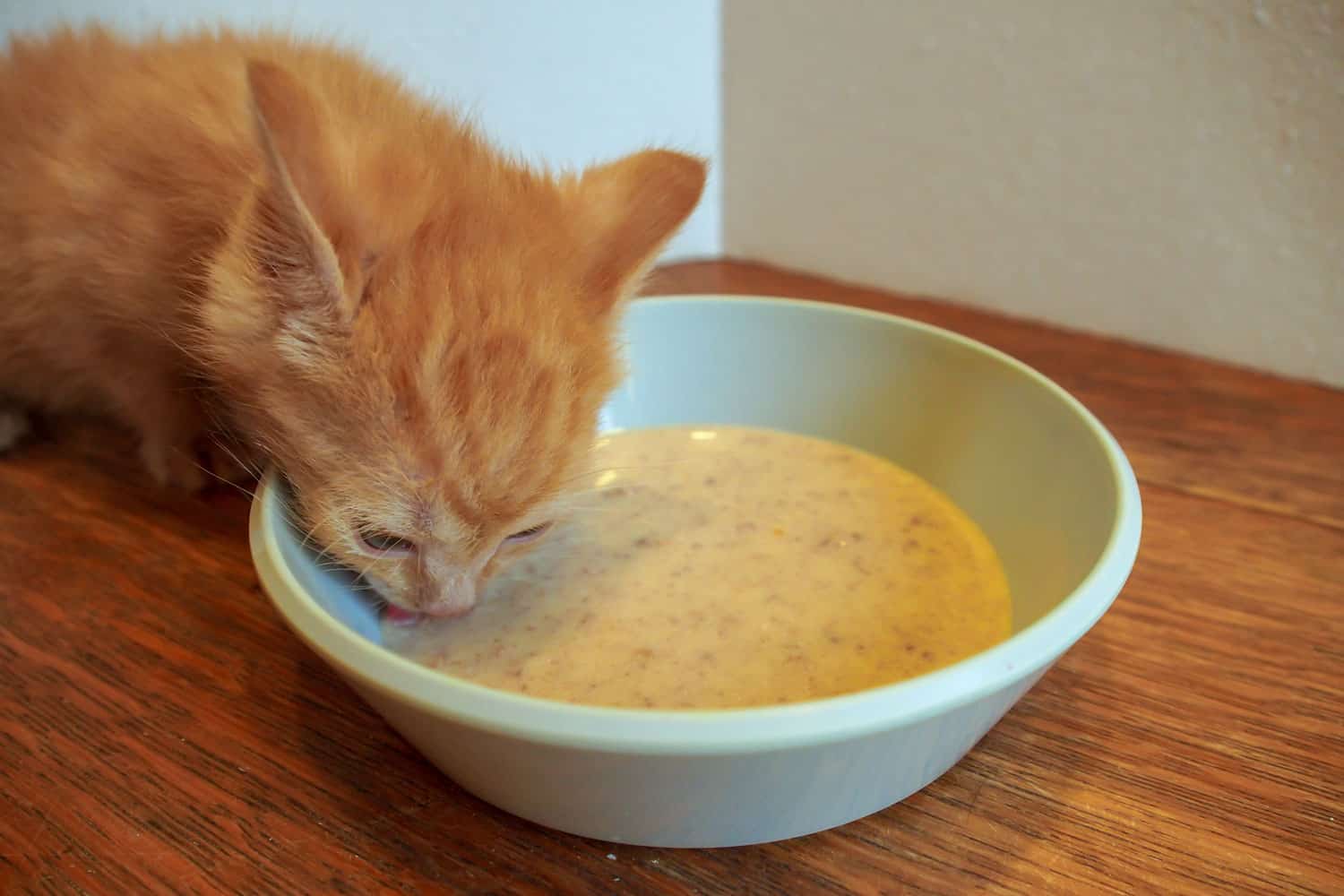
Very young kitten note: Kittens under about 4 weeks generally need kitten milk replacer, not wet or dry food. During weaning (roughly 4 to 8 weeks), many kittens do best with a soft “gruel” (wet food mixed with warm water, or kibble soaked until it is mushy) before they are ready for regular meals.
If you are ever unsure whether a food is appropriate, bring a clear photo of the label (especially the nutritional adequacy statement) to your veterinarian.
Wet kitten food
Why wet food shines
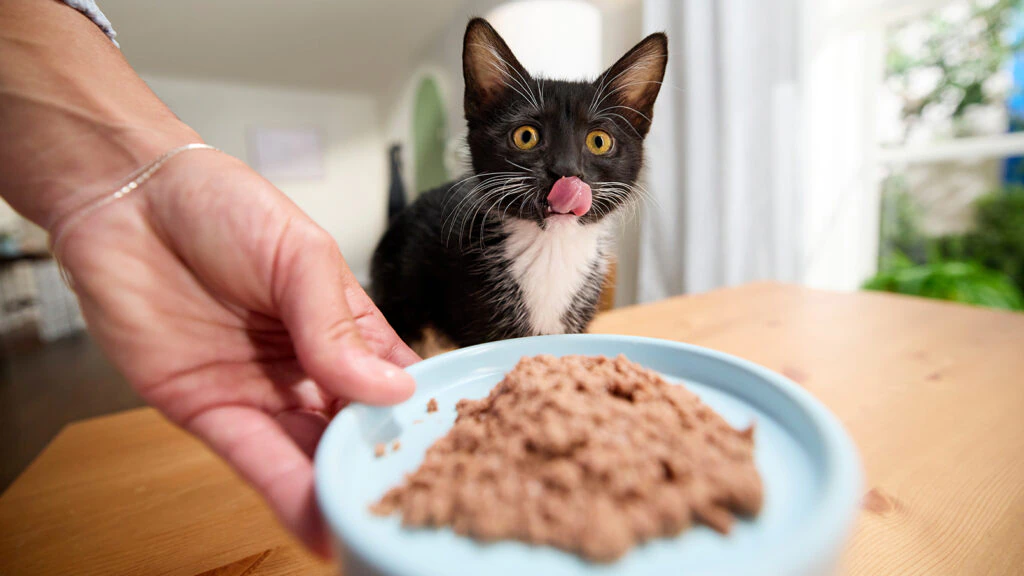
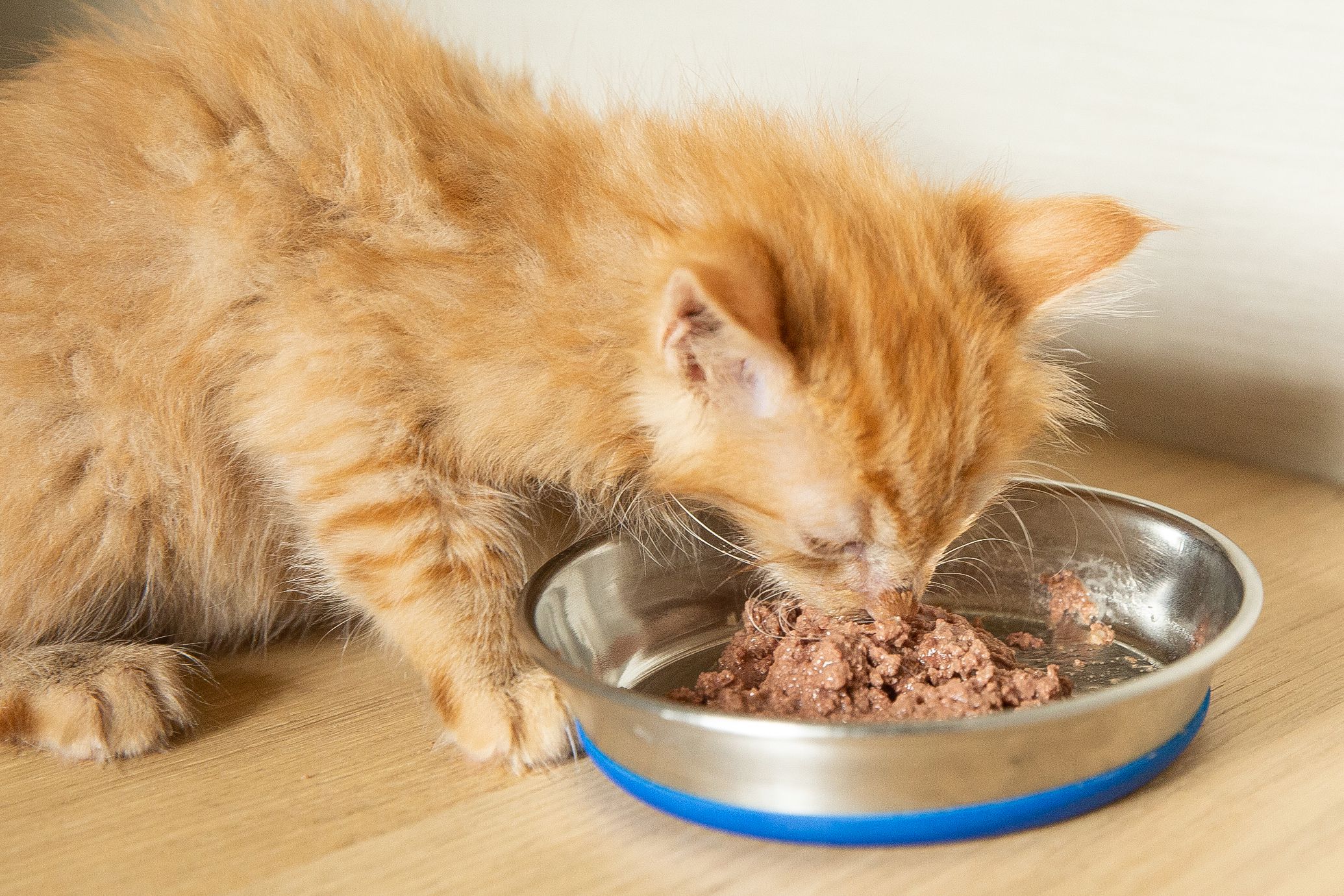
- Hydration support: Wet food is often around 70% to 80% moisture, which helps kittens who do not drink much yet. (Check the label, formulas vary.) This is a big deal in my foster room, especially for kittens coming from stressful situations who forget the water bowl exists.
- Usually more tempting: The smell and texture can entice picky eaters or kittens transitioning from milk replacer to “real” food.
- Easier for tiny mouths: Pate or minced textures are often simpler for young kittens than crunchy kibble.
- Helpful when moisture matters: Vets often recommend increasing overall moisture intake for issues like constipation, and wet food is one common way to do that.
Where wet food can be tricky
- Cost: Feeding enough calories from wet food alone is often more expensive.
- Spoils faster: Once served, it should not sit out all day. In my home, I try to pick up wet food within about 30 to 60 minutes, sooner in warm rooms. If you need a stricter rule, follow the package guidance and your vet’s advice.
- More cleanup: Bowls need frequent washing, and leftovers need refrigeration.
My foster-home tip: If your kitten is a grazer who takes forever to finish wet food, serve smaller portions more often. You can always offer a second mini-meal. This keeps the food fresher and reduces tummy upset.
Dry kitten food
Why dry food works
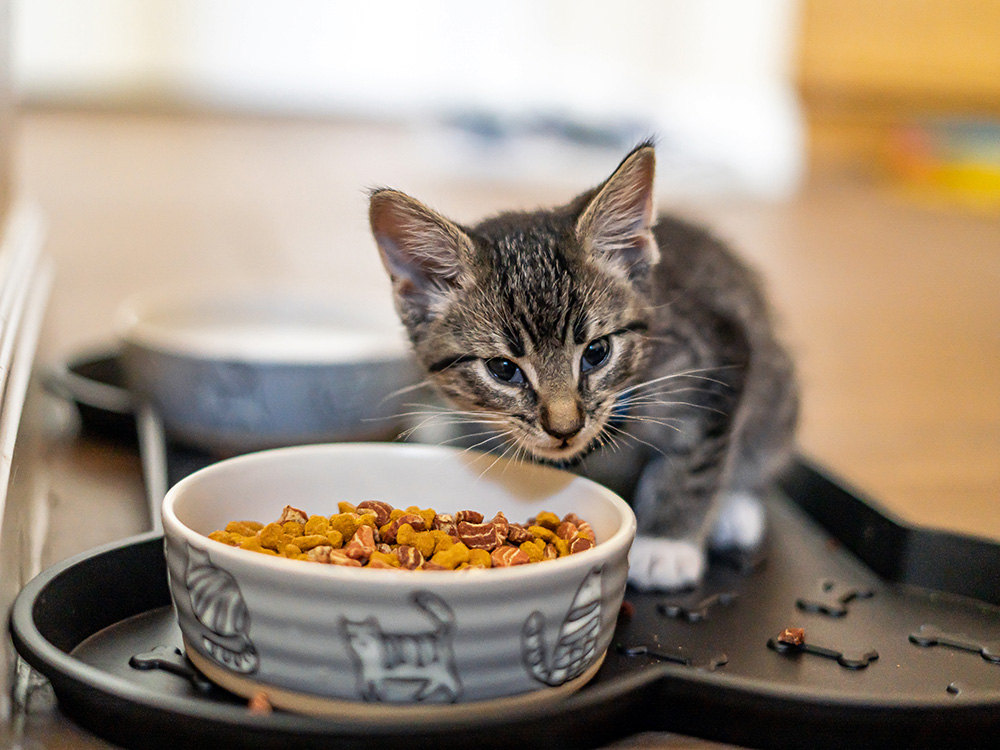
- Convenience: Easy to measure, store, and use in puzzle feeders. Great if you work outside the home.
- Budget-friendly calories: Typically cheaper per calorie than wet.
- Works for nibblers: Many kittens like to eat frequent small amounts. Dry food can make that doable without the same food safety worries as wet.
Common concerns
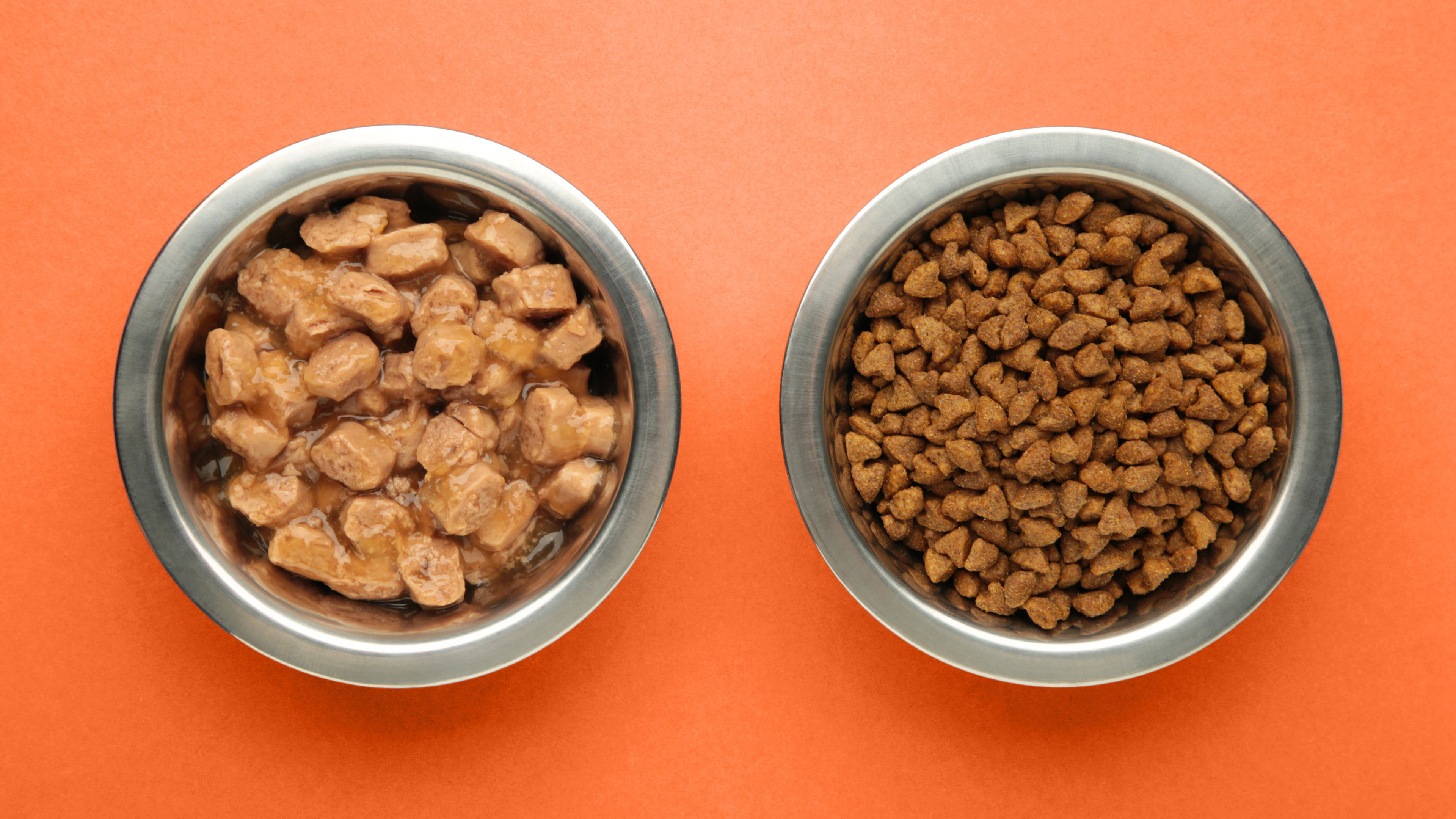
- Lower moisture: Kibble is often around 8% to 12% moisture. (Check the label, it varies.) If your kitten does not drink much water, all-dry diets can make hydration harder.
- Calorie density: It is easy to overfeed because a small amount can pack a lot of calories. This matters as kittens approach adolescence and start to “stretch out.”
- Dental myths: Kibble does not reliably “clean teeth.” Some cats swallow it whole, and even crunchers still build plaque. Dental health is more about genetics, early habits, and routine care than kibble alone. If you want an evidence-based boost, ask your vet about VOHC-accepted dental diets and treats, plus brushing.
My realistic dental advice: If you want to support teeth and gums, think in terms of toothbrushing training, VOHC-accepted dental options, and regular vet checkups rather than relying on standard kibble as a toothbrush.
Mixed feeding
For first-time owners, a mixed plan is frequently the sweet spot: wet food for hydration and appetite support, dry food for convenience and cost control.
A simple mixed routine
- Morning: Wet kitten food meal.
- Midday (optional): Small wet meal if your kitten is under 4 months or needs more frequent meals.
- Evening: Wet kitten food meal.
- Between meals: A measured portion of dry kitten food for nibbling, or use it in a puzzle feeder.
This approach can also make diet transitions easier if your kitten has a sensitive stomach. If one format is temporarily out of stock, you are not stuck.
Mixed feeding mistake
The most common issue I see is accidentally double-feeding calories. Wet plus dry can add up quickly if you are eyeballing it. Measure kibble, and keep a rough daily plan.
Hydration
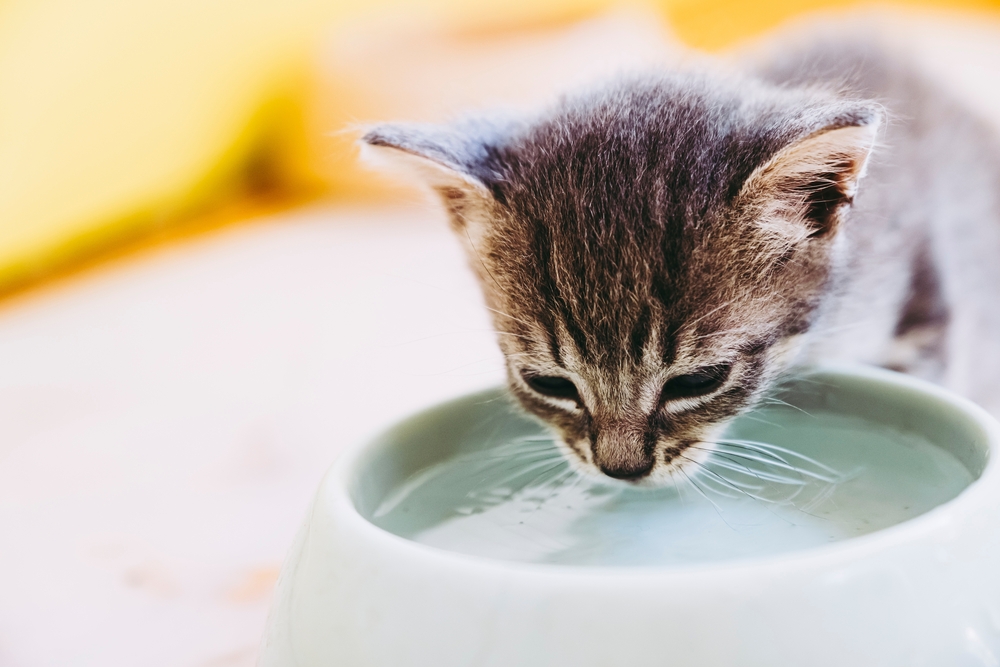
Kittens should have fresh water available at all times, but some simply do not drink much, especially in a new home. If your kitten is on mostly dry food, make hydration easier:
- Use a wide, shallow water bowl (many cats dislike whisker contact on deep bowls).
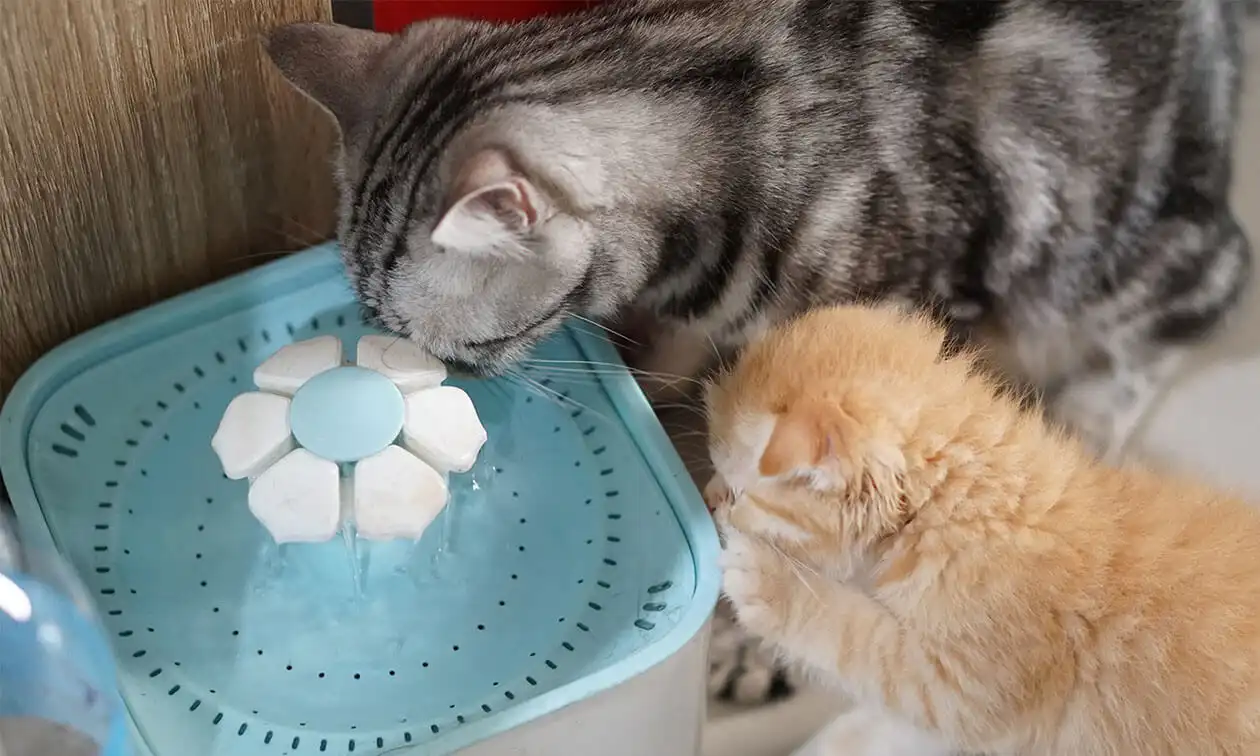
- Try a cat water fountain if your kitten likes moving water.
- Place water away from the litter box and away from the food bowl if your kitten seems picky.
- Add a small amount of warm water to wet food for a softer, gravy-like texture.
When to call the vet: If your kitten seems lethargic, has dry gums, is vomiting, has diarrhea, or is not peeing normally, do not troubleshoot at home. Kittens dehydrate fast.
Cost comparison
Prices vary wildly by brand and where you shop, but these patterns are consistent:
- Wet-only: Usually the most expensive per day, especially for larger breeds or high-energy kittens.
- Dry-only: Usually the least expensive per day.
- Mixed feeding: Often the most manageable balance: better hydration than dry-only, lower cost than wet-only.
Budget-friendly strategy I use in fosters: Buy a solid mid-range kitten kibble, then add wet food strategically for hydration and weight gain support. You do not need the fanciest food in the store to raise a thriving kitten. You do need consistency and enough calories.
How to choose
Wet food may be best if
- Your kitten rarely drinks water.
- You are transitioning off milk replacer and need an easy-to-eat texture.
- Your kitten is underweight or picky.
- Your veterinarian recommends increasing moisture intake.
Dry food may be best if
- You need an option that can sit out safely for a while.
- You are feeding frequent small meals and your schedule is tight.
- Your budget is limited and you need predictable costs.
Mixed feeding may be best if
- You want hydration support without going all-in on wet food cost.
- Your kitten is healthy but you want flexibility and routine.
- You want to use kibble for training and puzzle toys while keeping wet meals for moisture.
Feeding tips
1) Make changes slowly
Sudden switches can cause diarrhea. Transition over 7 to 10 days by gradually increasing the new food and decreasing the old. This matters even more if you are switching brands, proteins, or formats (like dry to wet).
2) Use calories as your anchor
Bag and can guidelines are starting points. If your vet gives you a kcal per day target, use that. If not, use the label’s kcal info, then adjust based on body condition and growth. I like to weigh kittens weekly when possible because small changes show up fast.
3) Feed the kitten in front of you
A growing kitten should have a visible waist from above once they are past the tiny potato stage. You should be able to feel ribs under a light layer of padding, not see them sharply.
4) Keep food handling simple and safe
- Refrigerate opened wet food promptly and use it within the timeframe on the label.
- Wash bowls daily with hot, soapy water.
- Do not leave wet food out for hours.
5) Use food for bonding
Hand a few pieces of kibble as rewards, gently pet your kitten while they eat if they enjoy it, and keep mealtimes calm. Some of my shy fosters made their biggest leaps in trust during quiet wet-food dinners.
FAQ
Is wet food necessary for kittens?
Not strictly, as long as the diet is complete and balanced and your kitten stays well-hydrated. That said, wet food makes hydration much easier, and many kittens do wonderfully with at least one wet meal per day.
Can kittens eat adult cat food?
It is best to use kitten food (growth) until around 12 months, unless your veterinarian advises otherwise. Kittens need higher calories and specific nutrient levels for development.
How many times a day should I feed my kitten?
Most kittens do well with 3 to 4 meals per day when they are very young, then gradually shift toward 2 to 3 meals as they get older. Your kitten’s age, weight, and appetite matter more than a perfect schedule.
What about grain-free food?
Grain-free is not automatically healthier. Most kittens do not need grain-free food unless there is a diagnosed allergy or intolerance. Focus on a reputable brand, an appropriate life stage formula, and how your kitten’s stool, coat, and growth look over time.
My kitten only licks the gravy. What do I do?
Try a pate texture, mash the food with a fork, or add a teaspoon of warm water and mix well. If your kitten consistently avoids solids or is losing weight, check in with your vet.
The bottom line
If you want the simplest answer from someone who has cleaned up a lot of kitten messes: mixed feeding is a fantastic default for many first-time owners. It supports hydration, keeps costs reasonable, and fits real life.
But the best food is the one your kitten thrives on and you can consistently provide. Pick a complete and balanced kitten formula, keep an eye on weight and litter box habits, and do not be afraid to adjust. You and your kitten are learning each other, and feeding should feel steady, not stressful.