Weaning can feel like a tiny, adorable science experiment that also happens to involve a lot of laundry. The good news is that most kittens are ready for a gentle transition from formula to solid food in a fairly predictable window, and if you go slowly, you can avoid the common pitfalls like diarrhea, dehydration, and a kitten who decides the bowl is an enemy.
Below is the exact process I use in foster homes at Kitten Sprout to move kittens from bottle to bowl using a simple gruel, then onto wet food, without upsetting their little stomachs.
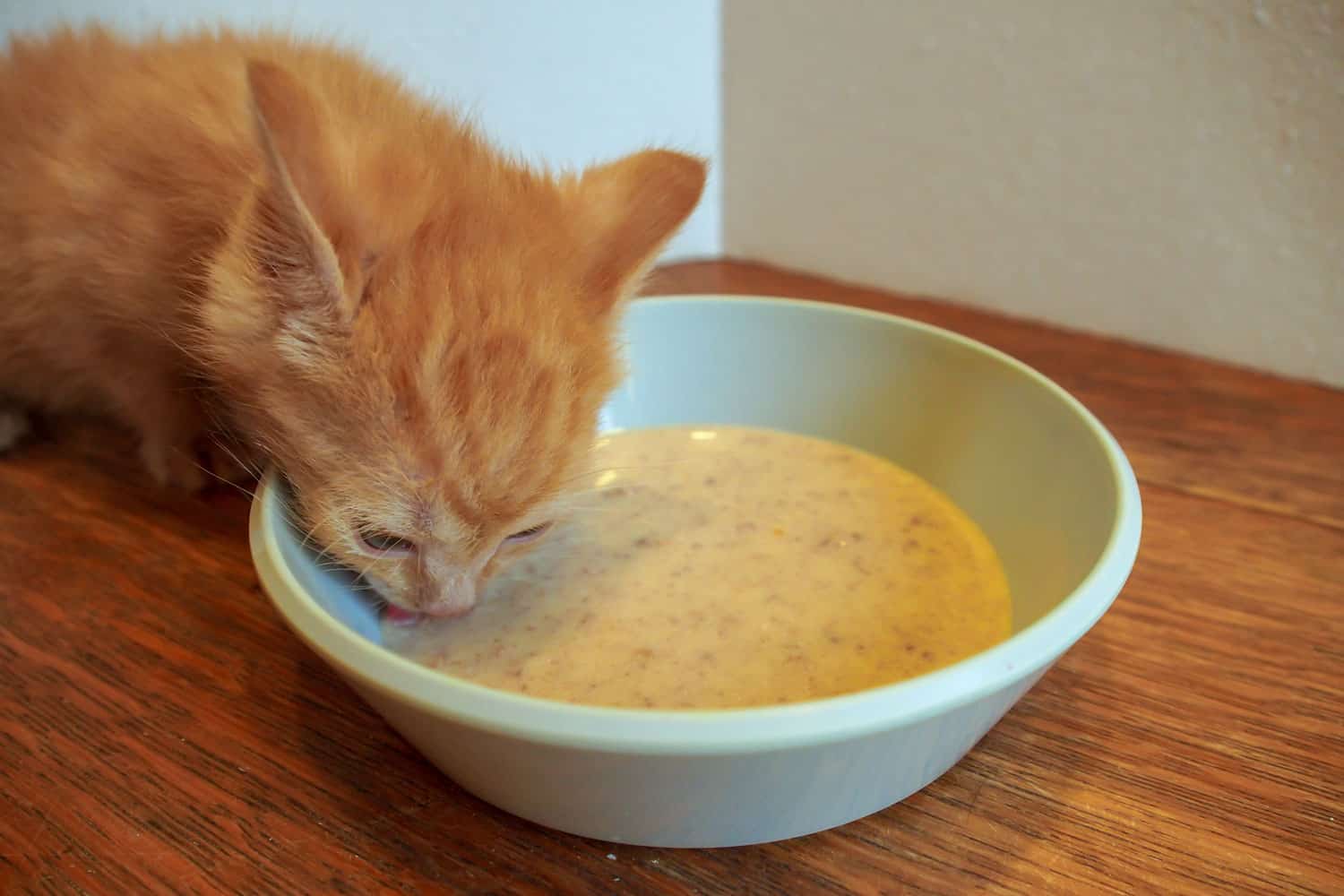
When kittens are ready to wean
Most kittens start weaning practice between 4 and 6 weeks old. Full weaning is often complete closer to 6 to 8 weeks, and some kittens need longer if they were sick, premature, or are smaller than their littermates.
Signs your kitten is ready
- Teeth are coming in (tiny front incisors, then canines)
- Chewing the nipple instead of sucking calmly
- Interest in your food or sniffing and licking wet food
- Steady walking and decent coordination
- Good weight gain day to day
When to wait or ask a vet
Hold off and check in with your veterinarian or rescue coordinator if your kitten is under 4 weeks, has persistent diarrhea, is not gaining weight, seems weak, or has trouble swallowing. Weaning is safest when a kitten is stable, warm, and thriving.
If you are caring for an orphan, a quick note: most kittens no longer need help peeing and pooping by 3 to 4 weeks, but if you are not seeing urine and stool regularly, ask your vet or coordinator before pushing weaning.
Supplies that help
You do not need a fancy setup, but the right tools reduce mess and help kittens learn faster.
- Kitten milk replacer (KMR) formula, prepared per label instructions
- Canned kitten wet food (pâté texture is easiest to start)
- Shallow saucer or a low, wide bowl (whisker-friendly)
- Small spoon for offering tastes
- Kitchen scale for daily weights (my favorite safety net)
- Warm washcloths and paper towels for cleanup
- Non-slip mat or towel under the dish
Step-by-step: kitten gruel
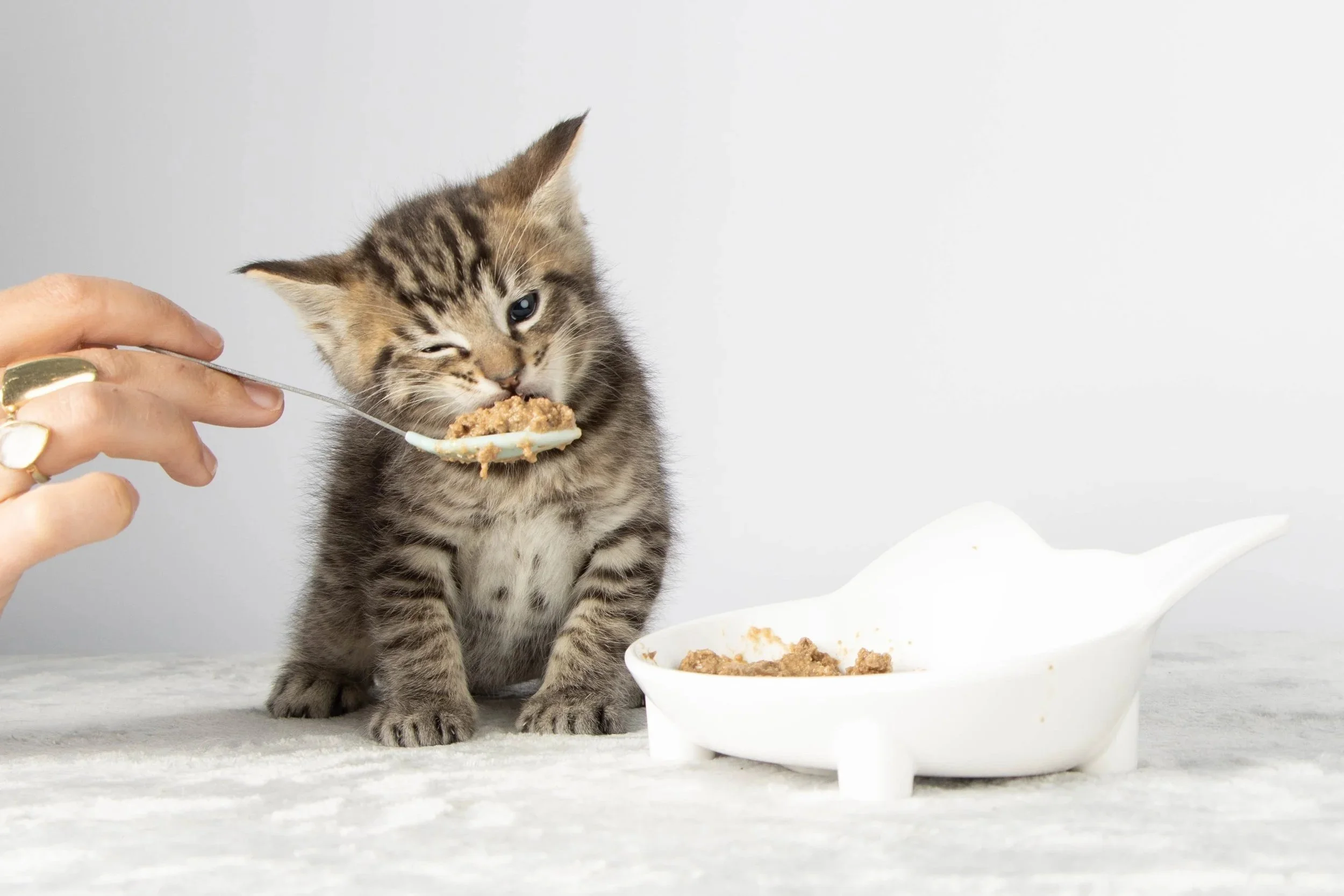
Kitten gruel is simply wet food softened with warm formula so it is easy to lap and digest. Think of it as a bridge between liquid meals and real meals.
Simple gruel recipe
- 1 part canned kitten food (pâté works best)
- 1 to 2 parts warm prepared formula (start thinner, then thicken)
Mash with a fork until it is smooth and soupy.
Warming safely: I prefer warming by setting the dish in a larger bowl of warm water for a minute or two. If you use a microwave, heat in very short bursts, stir extremely well, and test the temperature. Hot spots can burn mouths. It should be lukewarm, not hot.
Consistency guide
- First 1 to 2 days: like heavy cream (easy to lap)
- Days 3 to 5: like oatmeal
- After that: more wet food, less formula, until it is just wet food
Food safety tip: If gruel is sitting out at room temperature, toss it within 30 minutes (sooner if your home is warm). Refrigerate unused canned food promptly (covered), and make a fresh portion for the next meal. Kittens have sensitive tummies.
Teaching bowl eating
The first bowl sessions are messy. That is normal. The goal is to help your kitten realize, "Oh, this is food," while keeping their nose and airway safe.
1) Set up a calm spot
Choose a warm, draft-free area with a towel underneath. Use a shallow dish so their face does not disappear into the food.
2) Offer a taste first
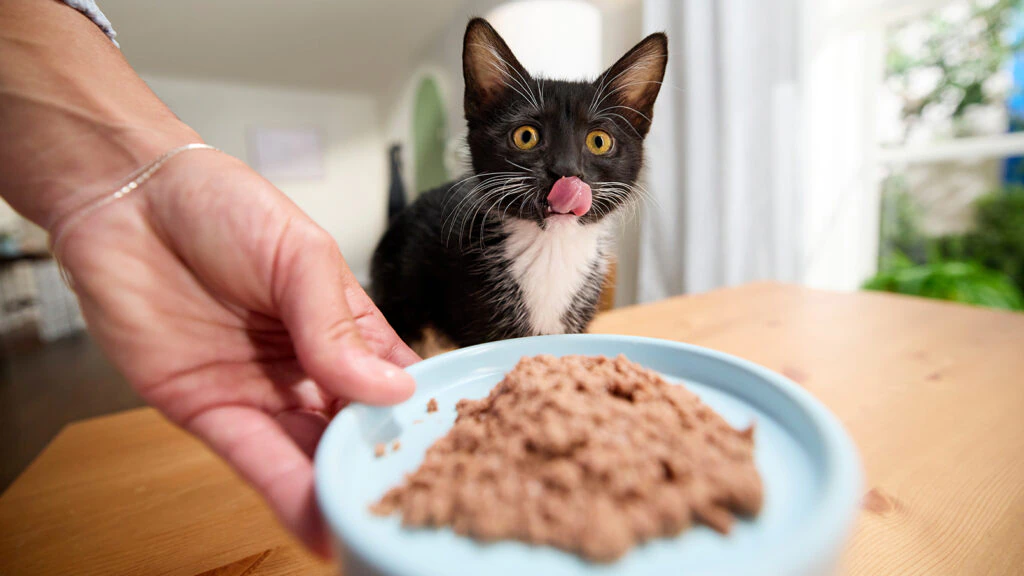
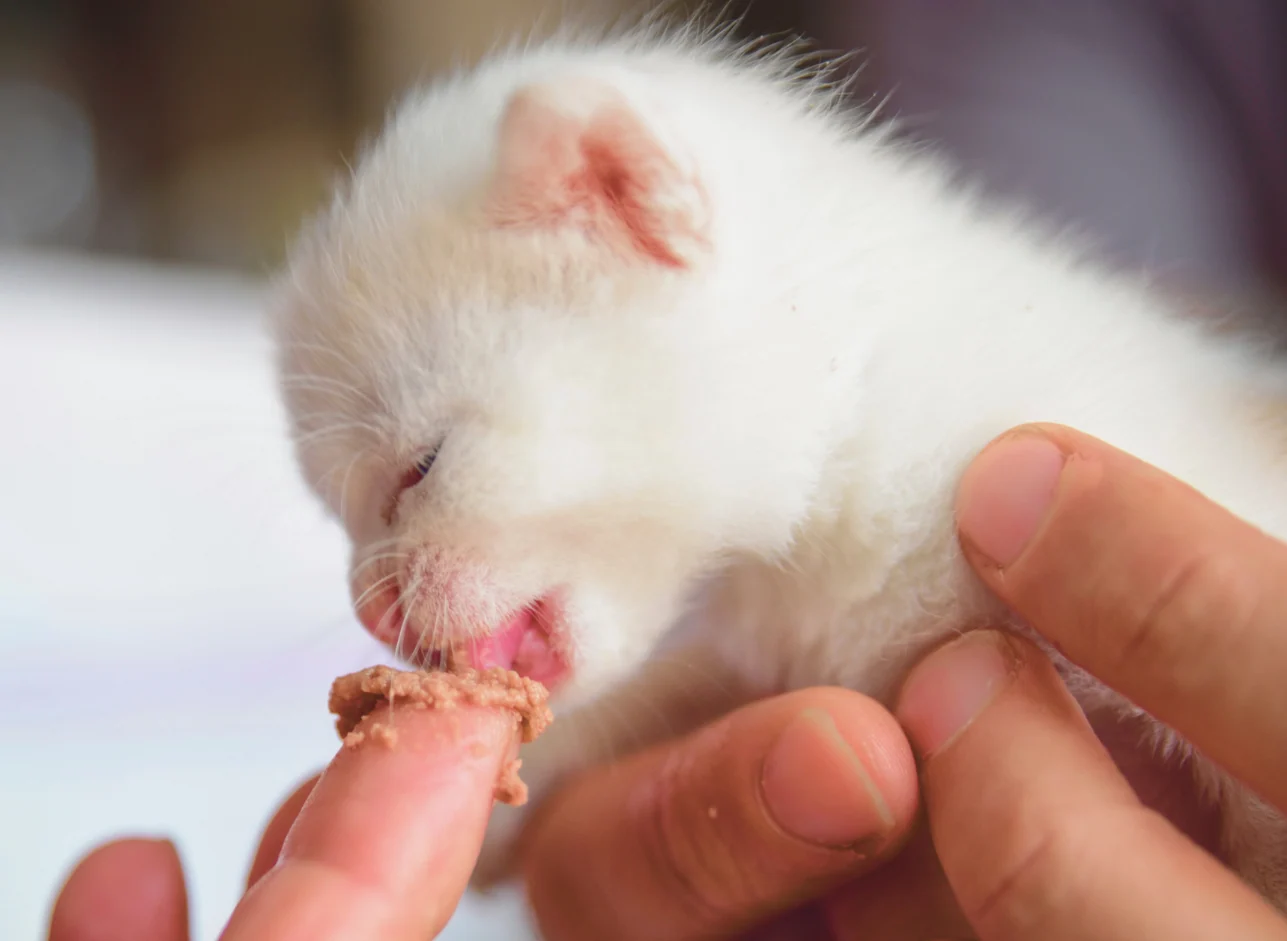
Scoop a pea-sized bit of gruel on your finger or a spoon and touch it gently to your kitten’s lips. Many kittens will lick automatically.
3) Let them explore
Bring the dish close. If needed, dip the tip of your finger in the gruel and let them follow your finger to the bowl.
4) Keep noses clear
Avoid pushing your kitten’s face into the food. It can scare them and can increase aspiration risk if they inhale gruel.
5) End on a win
Early sessions might be 3 to 5 minutes. If your kitten gets frustrated, clean them up, then finish the meal with a bottle so they do not go hungry.
Weaning schedule (10 to 14 days)
Every kitten is a little different, but this is a reliable rhythm for first-time caregivers. Adjust based on appetite, weight gain, hydration, and stool quality.
Days 1 to 3: Gruel once or twice
- Offer gruel 1 to 2 times per day.
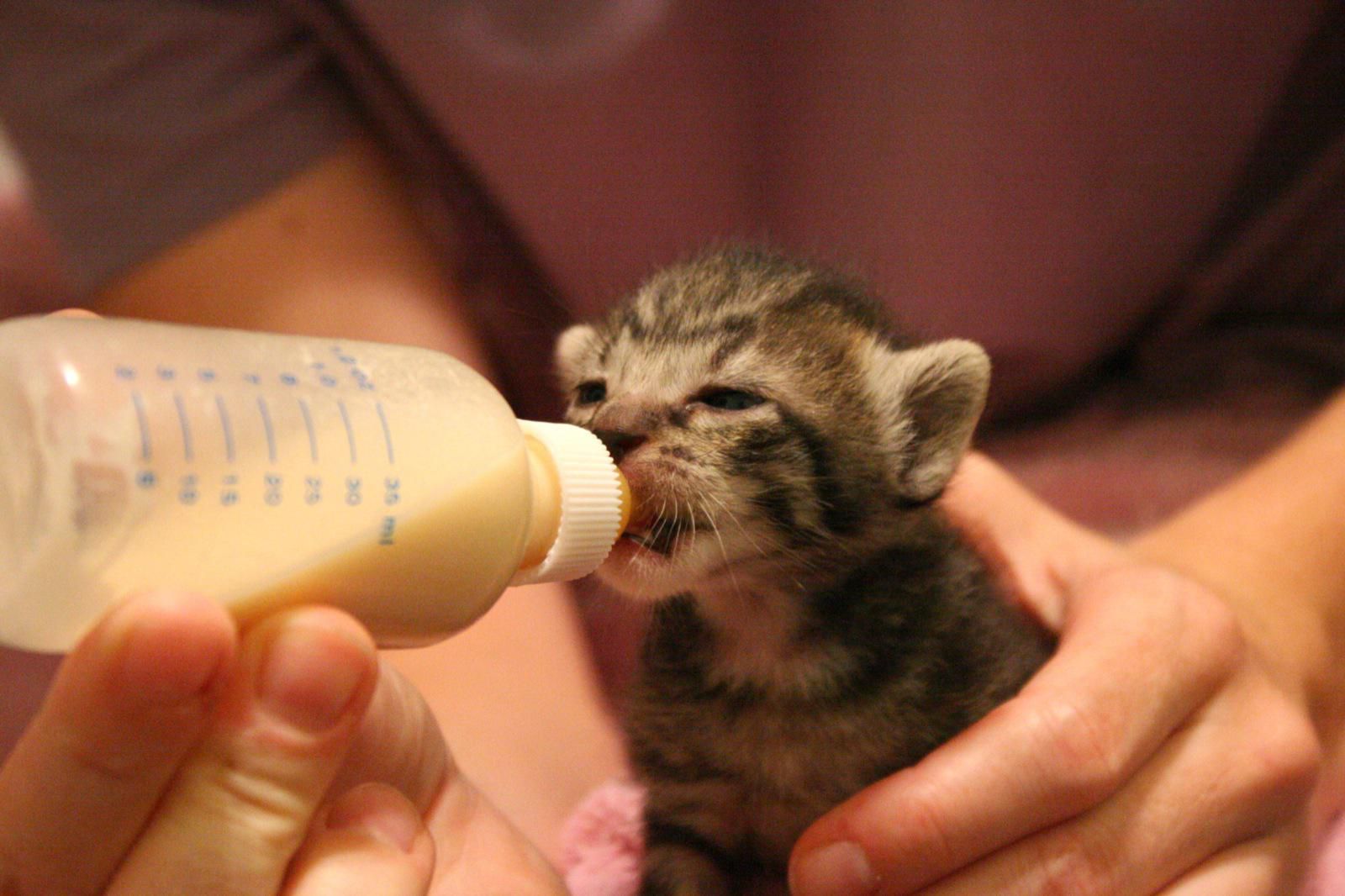
- Continue normal formula feedings the rest of the time.
- Goal: licking from the dish and swallowing comfortably.
Days 4 to 7: More gruel, fewer bottles
- Offer gruel 2 to 4 times per day.
- Decrease bottle volume gradually, not abruptly.
- Goal: kitten seeks the dish and eats a meaningful amount.
Week 2: Thicken into wet food
- Use less formula each day until it is mostly wet food.
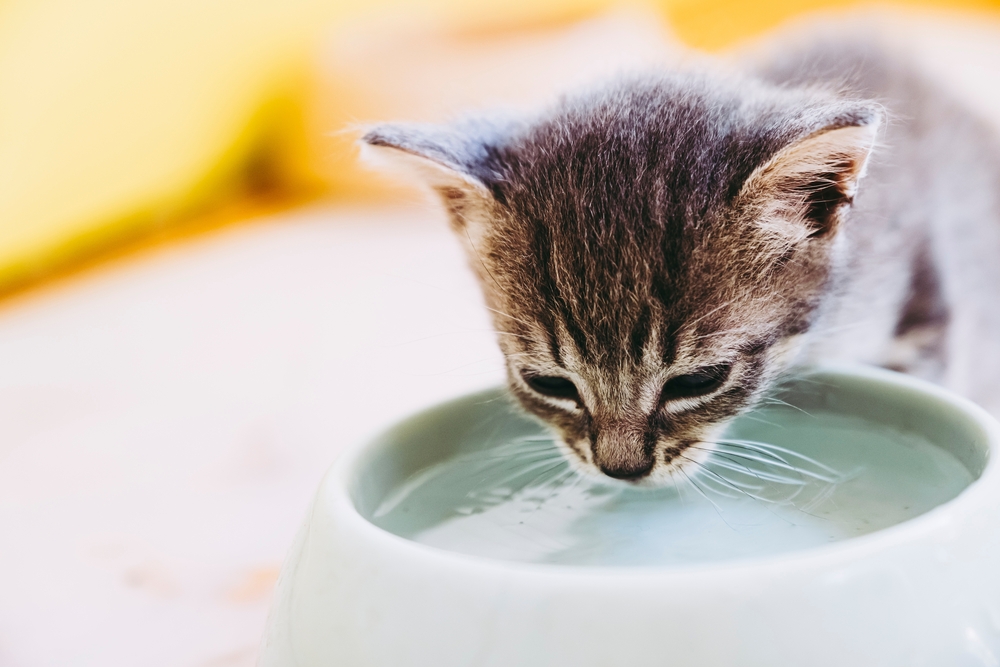
- Offer fresh water in a shallow bowl at all times.
- Goal: full wet food meals and minimal to no bottles.
Feeding frequency reality check: during this age range, many kittens still do best with 4 to 6 small meals per day. If your schedule only allows a few gruel sessions early on, that is fine. Just keep total intake up with bottles and watch weight.
Important: Many kittens still need formula support until closer to 6 weeks (sometimes longer). I would rather wean slowly than end up with dehydration or a stalled weight curve.
How much to feed
Exact calories vary by brand and kitten size, so I do not lock caregivers into one number. Instead, I focus on steady daily weight gain, normal energy, and hydration.
Practical portions to start
- Start with 1 to 2 teaspoons of gruel per kitten per meal.
- Let them eat more if they are interested, but keep portions small so it stays fresh.
- If they eat little or none, top them up with a bottle so they do not fall behind.
The best safety net
Weigh your kitten at the same time daily. Many healthy kittens gain roughly 10 to 15 grams per day, but individuals vary. If weight stalls for more than a day or two during weaning, slow down and add back a bottle.
Hydration check: I also watch for regular urination and pale yellow urine. Skin tent tests are not very reliable in tiny kittens, so when in doubt, get veterinary guidance.
Preventing tummy trouble
Most weaning digestive upset comes from moving too fast, overfeeding, or switching foods repeatedly. Keep it simple and gradual.
My rules for happy kitten bellies
- Change one thing at a time. New texture plus new brand plus fewer bottles is a lot.
- Go slower if stools soften. One step back for 24 to 48 hours often fixes it.
- Keep meals frequent. Young kittens do better with smaller, more frequent meals than big portions.
- Avoid cow’s milk. It can cause diarrhea.
- Keep everything warm. Cold kittens digest poorly. Cold food is also less appealing.
Red flags that need prompt vet guidance
- Watery diarrhea, especially more than a day
- Vomiting more than once, or vomiting with lethargy
- Refusing food for a full day
- Signs of dehydration (tacky gums, weakness, sunken eyes)
- Any breathing trouble, coughing during feeding, or milk and gruel coming from the nose
- New nasal discharge or bubbling at the nose after feeding (treat as urgent)
From gruel to wet food to kibble
Step 1: Thicken daily
Once your kitten reliably laps gruel, decrease the formula so the mixture becomes a soft wet food mash.
Step 2: Serve plain wet kitten food
Offer a small portion of plain canned kitten food. If they hesitate, mix in a teaspoon of warm formula just for scent and familiarity, then phase it out.
Step 3: Optional kibble
Kittens can usually handle dry food once they are confidently eating wet food and drinking water, often by 6 to 8 weeks. If you choose to offer kibble, start with a small amount of kitten kibble and consider softening it with warm water at first.
I personally love keeping kittens on wet food as their main diet during early growth, because it supports hydration. Many families do a combination that fits their budget and schedule, and that can work great too.
Common problems (quick fixes)
My kitten plays in the food
Totally normal. Use a shallower dish, offer smaller portions, and keep sessions short. They usually outgrow the food-finger-painting phase quickly.
My kitten only licks
Keep the gruel thinner for a few more days and offer a few spoon tastes first. Some kittens need the texture to be very smooth at the start.
My kitten refuses the bowl
Do not remove the bottle suddenly. Offer gruel when your kitten is hungry but not frantic, then bottle afterward. Over time, they will shift calories to the dish.
My kitten coughs or sounds congested
Pause feeding and contact a veterinarian promptly. Coughing during meals, gagging, or wet noises can signal aspiration risk, and kittens can become sick quickly.
My kitten gets diarrhea
First, slow the transition. Make sure formula is mixed correctly, and stick with one wet food brand. If diarrhea is watery, frequent, or your kitten seems tired, call your vet. Parasites are also common in young kittens and can show up right around weaning age.
After meals
Weaning is messy, and dried food on fur can irritate skin.
- Wipe faces and paws with a warm, damp cloth, then dry gently.
- Keep kittens warm after cleanup.
- Wash bowls and spoons after each meal with hot, soapy water and rinse well.
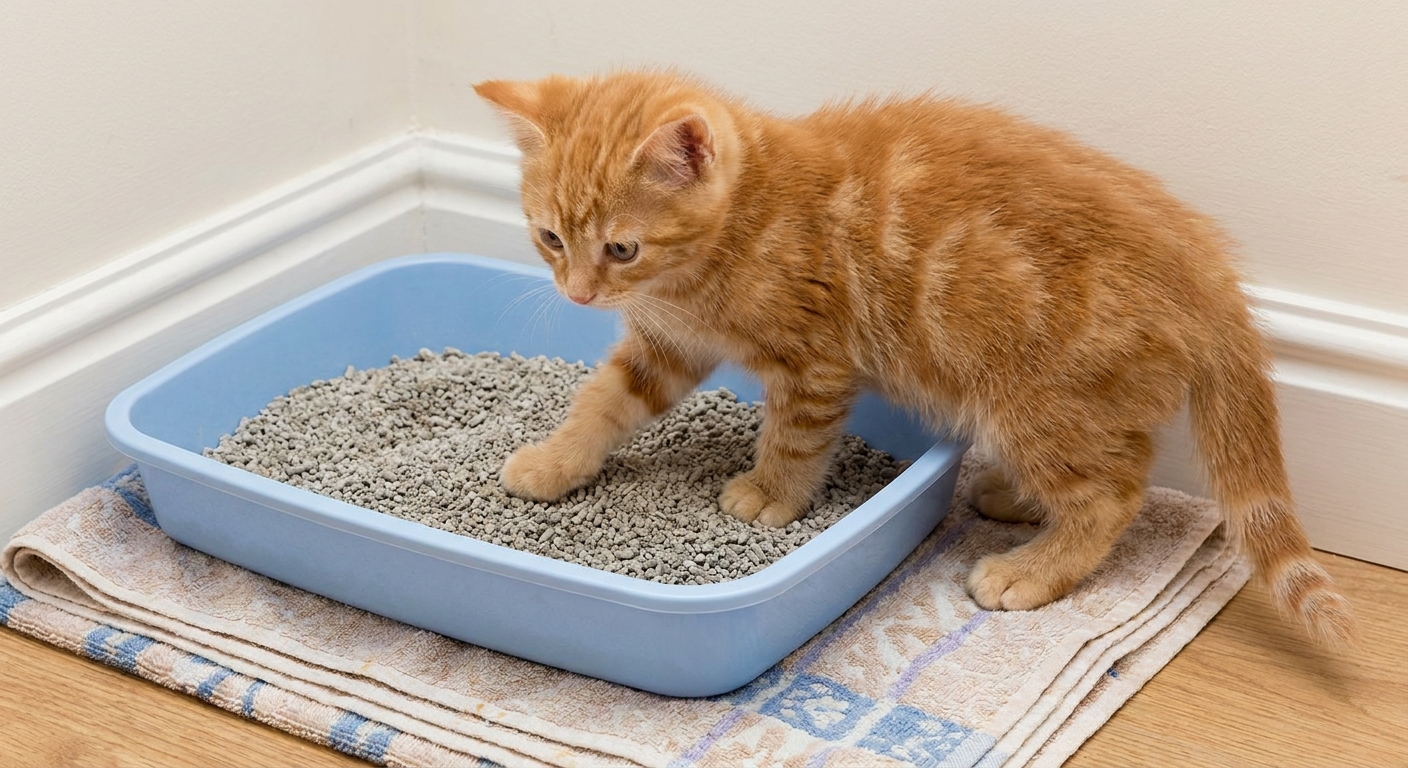
- Introduce a low-entry litter pan nearby. Many kittens start using the box more reliably as they begin eating solids.
FAQ
Can I wean a kitten at 4 weeks?
Often yes, but think of 4 weeks as the start of practice, not a deadline. Many kittens still need significant formula support until closer to 5 to 6 weeks, and full weaning is commonly finished closer to 6 to 8 weeks.
Should I give water during weaning?
Yes. Once kittens start eating gruel and wet food, offer a shallow water dish at all times. They may not drink much at first, especially if they are still getting formula, but access matters.
What wet food should I choose?
Look for a food labeled for kittens or growth. Pâté textures are easiest early on. If your kitten came from a rescue or foster, ask what they were eating and keep it consistent during the transition.
How do I wean an orphaned kitten without mom?
The steps are the same, but go extra slowly and track weight daily. Orphans sometimes rely on the bottle for comfort as much as calories. Gentle, consistent routines help a lot.
A final foster-mom pep talk
If your kitten wears more gruel than they eat on day one, you are not failing. Weaning is a skill, and kittens learn it through repetition. Keep meals warm, keep the texture easy, and go at your kitten’s pace. By the end of the transition, you will have a confident little bowl-eater and a much calmer feeding routine.