When you find a newborn kitten without mom, feeding becomes urgent fast. I remember my first orphan litter like it was yesterday: tiny squeaks, wobbly bodies, and me googling at 2 AM with a bottle in one hand and a heating pad in the other. The good news is that bottle-feeding is absolutely learnable. The key is warmth, the right formula, the right position, and patience.
This guide walks you through exactly how to bottle-feed kittens under four weeks old, plus the common mistakes that can cause tummy trouble, choking, or refusal to eat.
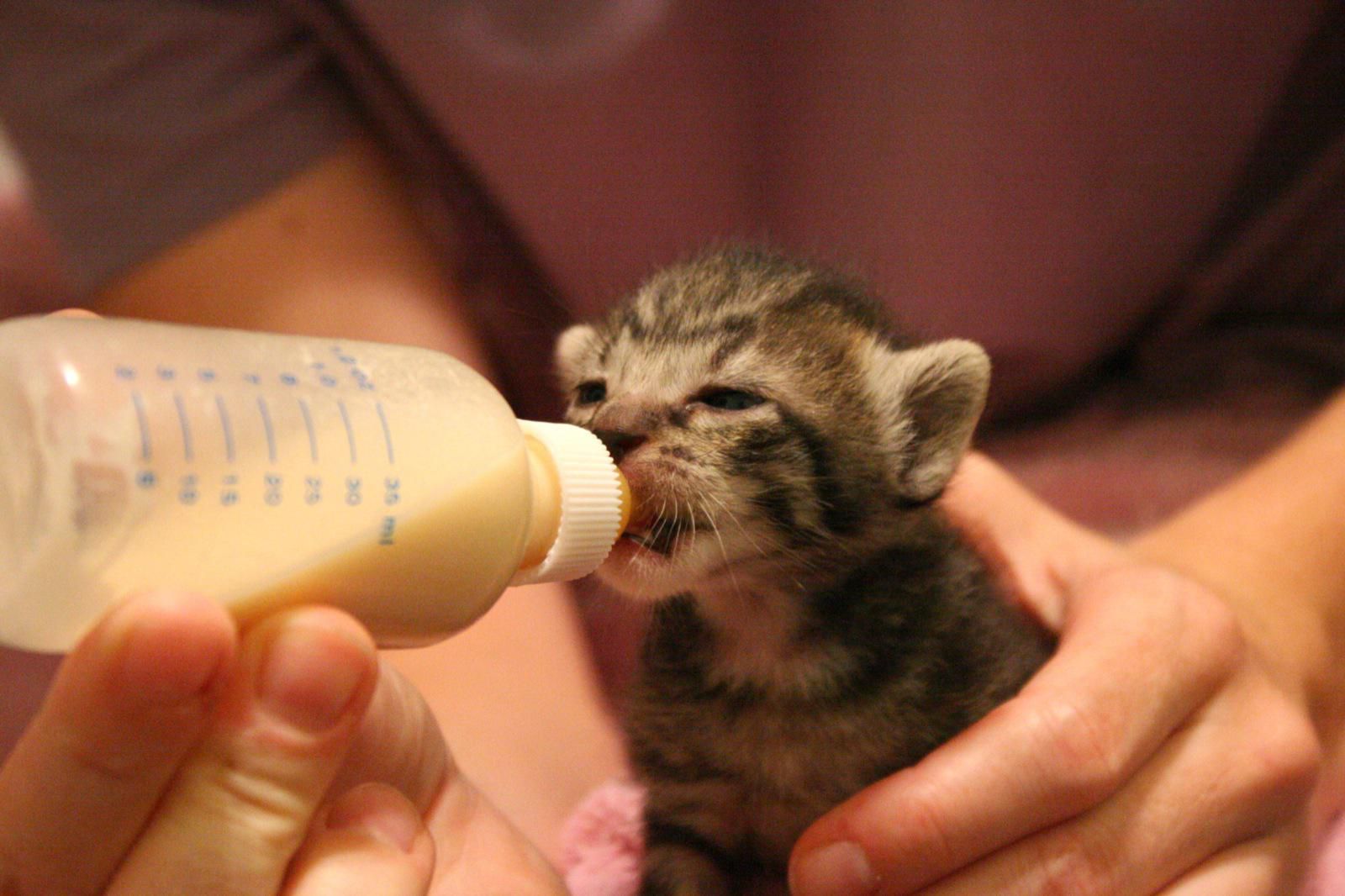
Before you feed: 2 safety rules
1) Never feed a cold kitten
If a kitten feels cool to the touch (especially paws, ears, or mouth), do not offer formula yet. Cold kittens cannot digest properly and can crash quickly.
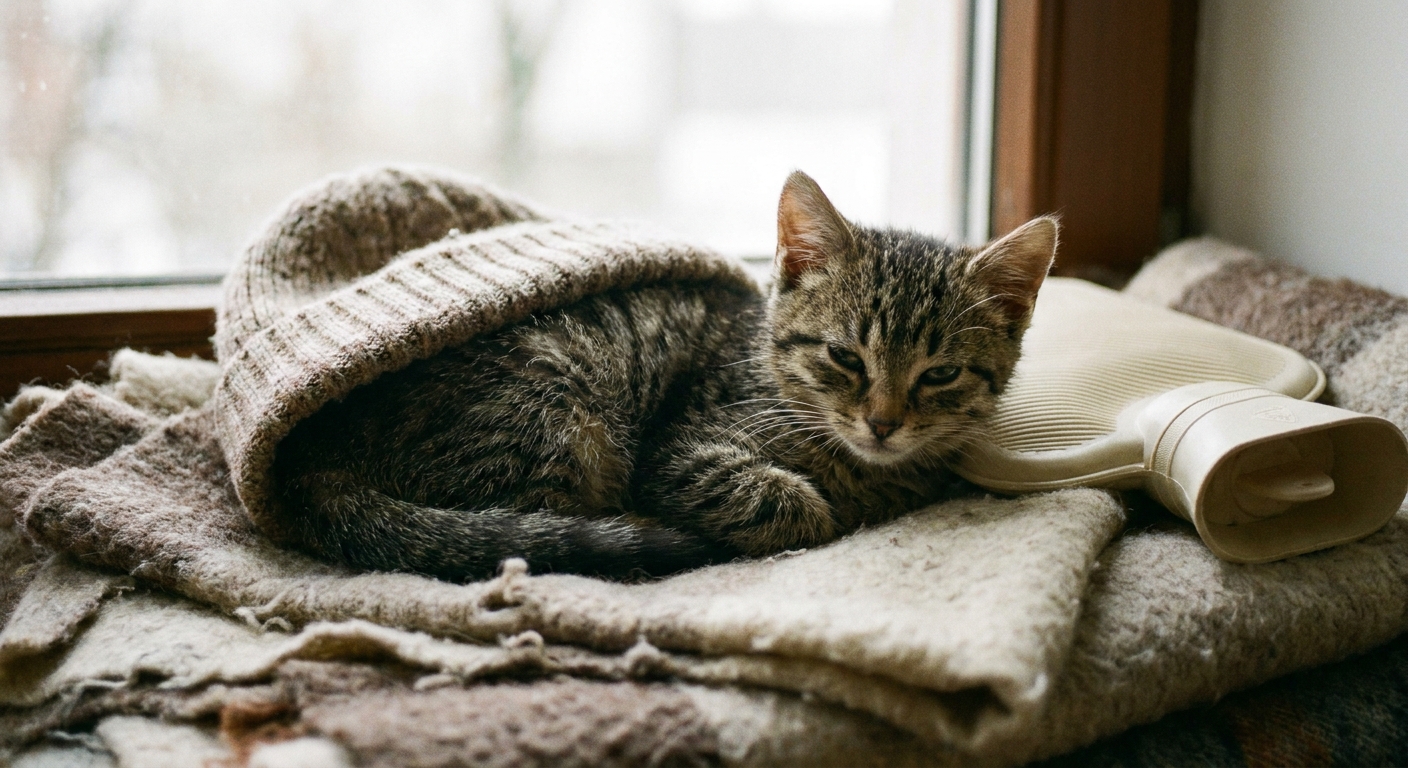
- Warm first using a heating pad set on low with a cover and extra towel layers, or a SnuggleSafe-style microwave heat disc, or a warm (not hot) water bottle wrapped in a towel.
- Always set heat up so the kitten can crawl off the warmth if they get too hot.
- Warm gradually, never with rapid heat like a hot bath or a hair dryer blast.
- As a general guide, the kitten’s mouth should feel warm, not cool.
2) Skip cow’s milk
Cow’s milk can cause diarrhea in kittens, and diarrhea can lead to dehydration. Use a kitten milk replacer (KMR) made for neonatal kittens.
What you need (simple kit)
- Kitten milk replacer (powder or liquid, labeled for kittens)
- Nursing bottle with neonatal nipple (plus extras)
- 1 to 3 mL oral syringes (only for careful drop feeding if the kitten will not latch)
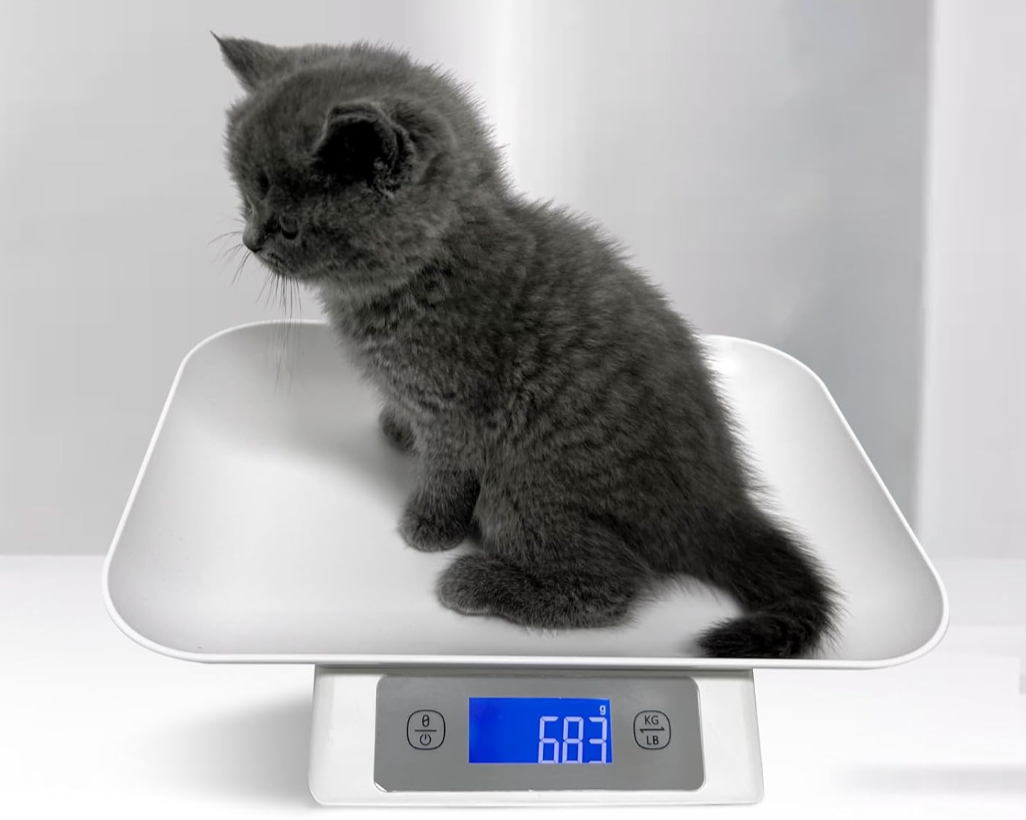
- Kitchen scale that measures in grams (non-negotiable for tiny babies)
- Clean towels or receiving blankets
- Safe heat source (a pad with temperature control or a pet-safe heat disc), plus layers
- Unscented wipes or cotton rounds and warm water (for cleanup and stimulation)
- Dish soap and a bottle brush for thorough cleaning
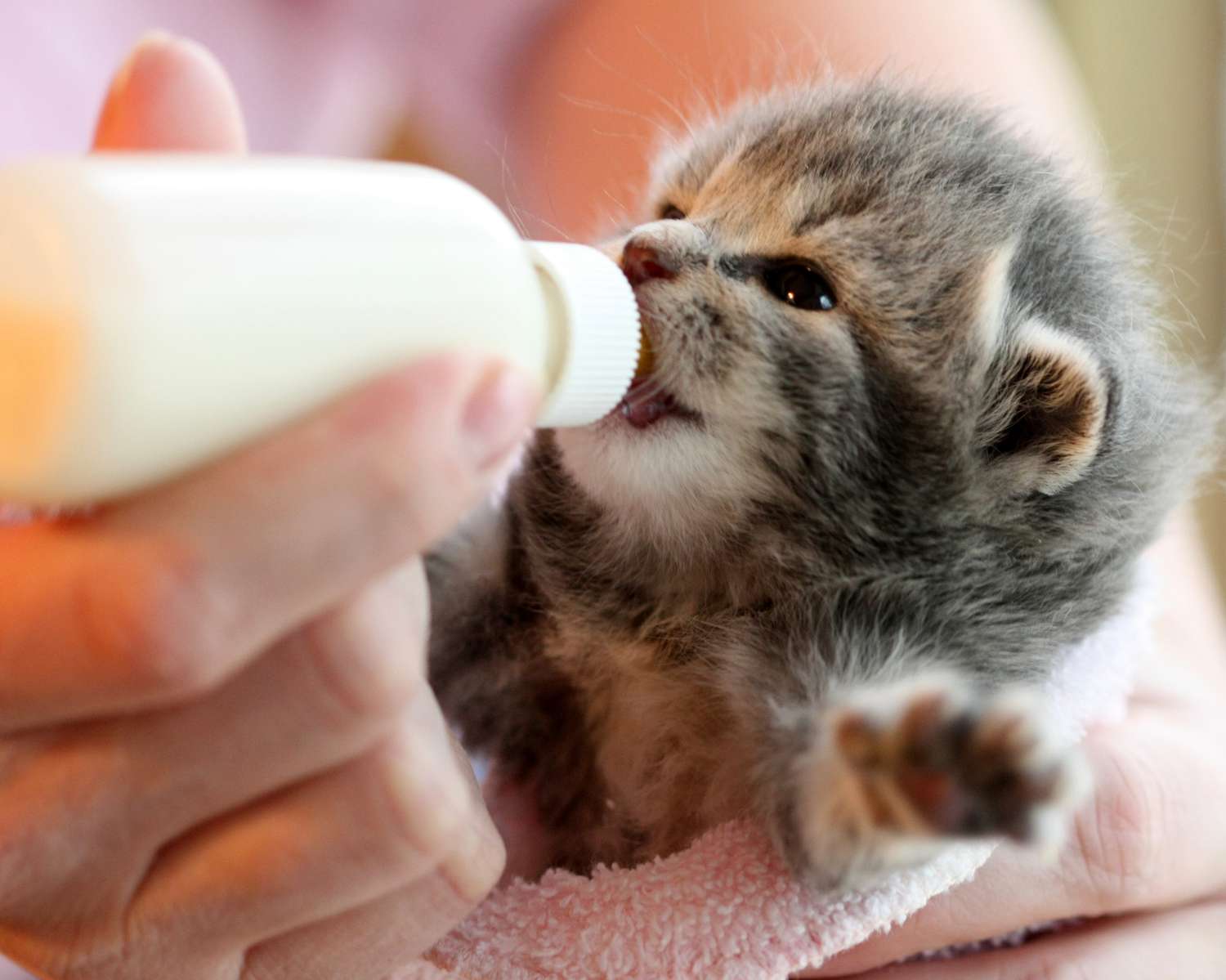
Choosing the right formula
Look for a product specifically labeled kitten milk replacer. Powder is often the most economical and stores well, but liquid can be convenient for emergencies.
My formula checklist
- Made for kittens, not puppies or “all species”
- Not expired
- Mixed exactly as directed (over-concentrated formula can contribute to constipation, diluted formula can cause poor weight gain)
How much to buy
Very young kittens eat small amounts, but they eat often. If you are caring for more than one kitten, you will go through formula faster than you think, especially in weeks 2 to 4.
How warm should the nest be?
This varies by kitten and room conditions, but in general, neonates need a warmer nest than most people expect. If you are unsure, ask a local rescue or vet for the temperature range they use.
- Week 0 to 1: usually the warmest setup, around the upper 80s to low 90s F in the sleeping area
- Week 1 to 2: often mid to upper 80s F
- Week 2 to 3: often low to mid 80s F
- Week 3 to 4: can gradually trend toward upper 70s to low 80s F
Whatever your heat source, focus on safety: lots of layers, room to move off heat, and frequent touch checks so kittens are warm but not hot.
Prep the bottle safely
Step 1: Mix formula correctly
Follow the label ratios exactly. If using powder, mix until smooth with no clumps. Let it sit a minute and mix again. Clumps can clog nipples and frustrate kittens.
Step 2: Warm the formula
Warm the bottle in a mug of hot water for a few minutes. Do not microwave, since it creates hot spots that can burn a kitten’s mouth.
- Test on your wrist: it should feel comfortably warm, not hot.
Step 3: Get the nipple flow right
This is one of the biggest make-or-break moments.
- When you hold the bottle upside down, formula should drip slowly, not stream.
- If nothing comes out, the hole is too small and the kitten will tire out and give up.
- If it streams, it is too fast and increases aspiration risk.
If your nipple needs a larger opening, enlarge it tiny bit by tiny bit. A sterile needle can help, but go slowly. You can always make a hole larger. You cannot undo too-big flow.
How to hold the kitten
Always feed a kitten belly-down, as if they are nursing from mom. This protects their airway.
- Place the kitten on a towel in your lap or on a table.
- Keep the head in a natural position, not tipped back.
- Never feed on the back like a human baby.
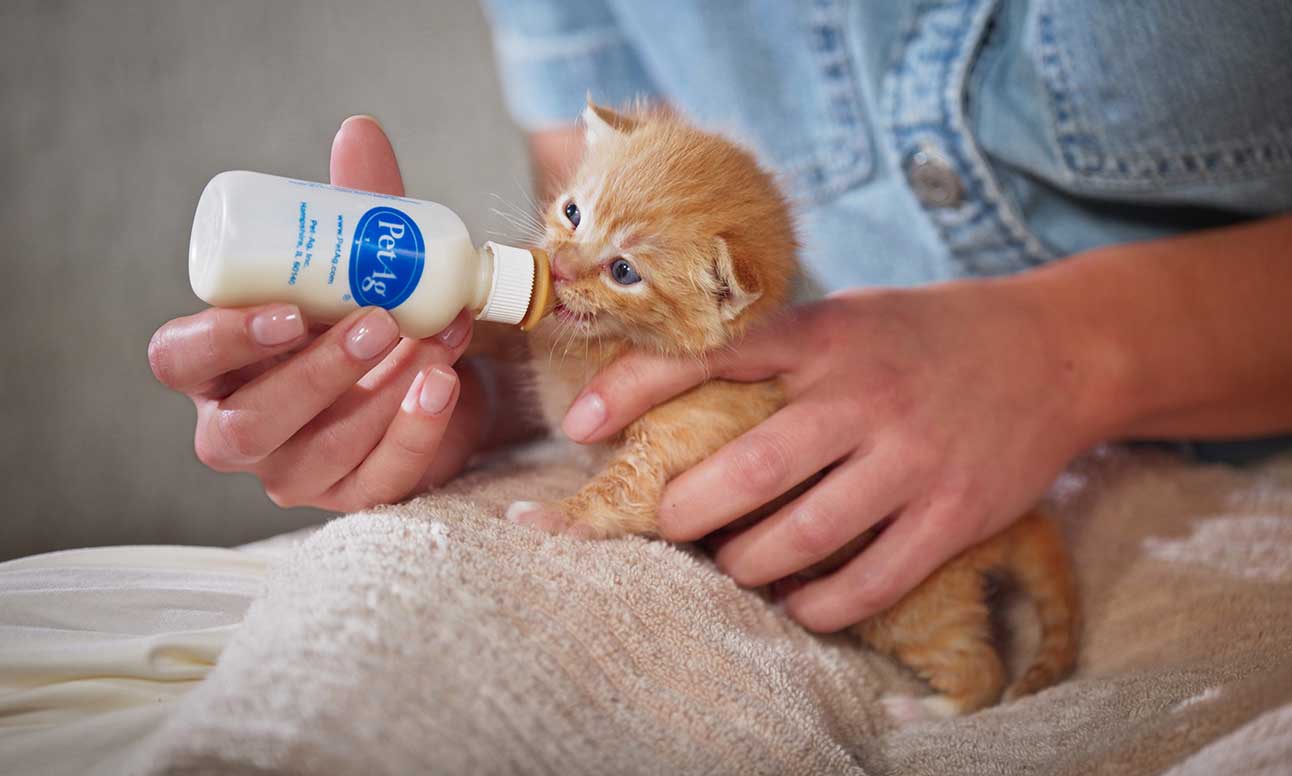
Step-by-step bottle-feeding
Step 1: Wake gently and check readiness
Kittens often eat best when they are warm and lightly roused. If they are limp, cold, or crying weakly, warm first and consider contacting a vet or experienced rescue for guidance.
Step 2: Offer the nipple and let the kitten latch
Touch the nipple to the kitten’s lips. Most will root around and latch. Once latched:
- Hold the bottle at a slight angle, keeping milk in the nipple so they are not sucking air.
- Let the kitten set the pace. You should see steady suckling and swallowing.
Step 3: Watch for aspiration signs
Aspiration is when milk goes into the lungs instead of the stomach. Stop immediately if you see:
- Milk bubbling from the nose
- Coughing, gagging, clicking
- Sudden frantic struggling
If milk comes from the nose, tip the kitten slightly forward (still belly-down), wipe the nose, and pause. Aspiration pneumonia can be life-threatening, so when in doubt, contact a vet the same day.
Step 4: End the feeding when the kitten is satisfied
A satisfied kitten usually relaxes, releases the nipple, and looks sleepy. Do not force “just a little more.” Overfeeding can cause bloat, spitting up, and diarrhea.
Step 5: Burp if needed
Many kittens do not need burping. If you notice gulping, squirming, or a lot of air intake, hold the kitten upright against your chest and gently rub the back for 10 to 20 seconds.
Step 6: Clean the face and fur
Wipe away any formula on the chin, chest, or paws with a warm damp cotton round. Formula left in fur can irritate skin and attract bacteria.
How much and how often to feed
Every kitten is a little different, so I rely on weight gain and belly comfort more than perfect milliliters. That said, you do need a starting target.
A practical volume guideline
Many neonatal feeding protocols use a daily total of roughly 22 to 30 mL of formula per 100 grams of body weight per day, divided into multiple feedings. Your KMR label and your vet or rescue may recommend a slightly different number, so use this as a starting point, not a dare.
- Example: a 200 g kitten might take roughly 44 to 60 mL total per day, split across the day’s feedings.
- If the kitten is spitting up, coughing, getting bloated, or having watery stools, reassess your plan and get guidance.
| Age | Typical frequency | What you are watching for |
|---|---|---|
| 0 to 1 week | Every 2 to 3 hours, including overnight | Strong suckle, warm body, steady weight gain |
| 1 to 2 weeks | Every 3 hours | Round belly after meals, no milk from nose |
| 2 to 3 weeks | Every 4 hours | More active, stronger latch, consistent stools |
| 3 to 4 weeks | Every 5 hours (some kittens can go a bit longer overnight) | Ready to start gradual weaning with a slurry |
Best reality check: weigh daily at the same time. Many healthy kittens gain roughly 10 to 15 grams per day, though it can vary. If a kitten is not gaining, is losing, or is dramatically behind littermates, get help quickly.
If the kitten will not latch
This is common, especially if the kitten is weak, chilled earlier, or the nipple flow is off.
Troubleshooting in this order
- Warmth: Is the kitten truly warm?
- Nipple flow: Slow drip, not a stream, but not completely blocked.
- Position: Belly-down, head neutral.
- Comfort: Dark, quiet space and a towel “nest” helps.
Using a syringe safely (only if you must)
Syringe feeding can raise aspiration risk if it turns into force-feeding, so use it only as a short-term bridge and get hands-on instruction as soon as you can.
Keep the kitten belly-down. Slide the syringe tip to the side of the mouth (not straight down the throat) and deliver tiny drops, pausing for swallows. If the kitten coughs, clicks, milk comes from the nose, or you feel resistance, stop and get help.
If you feel out of your depth, call a local rescue or vet. A single session of coaching can change everything.
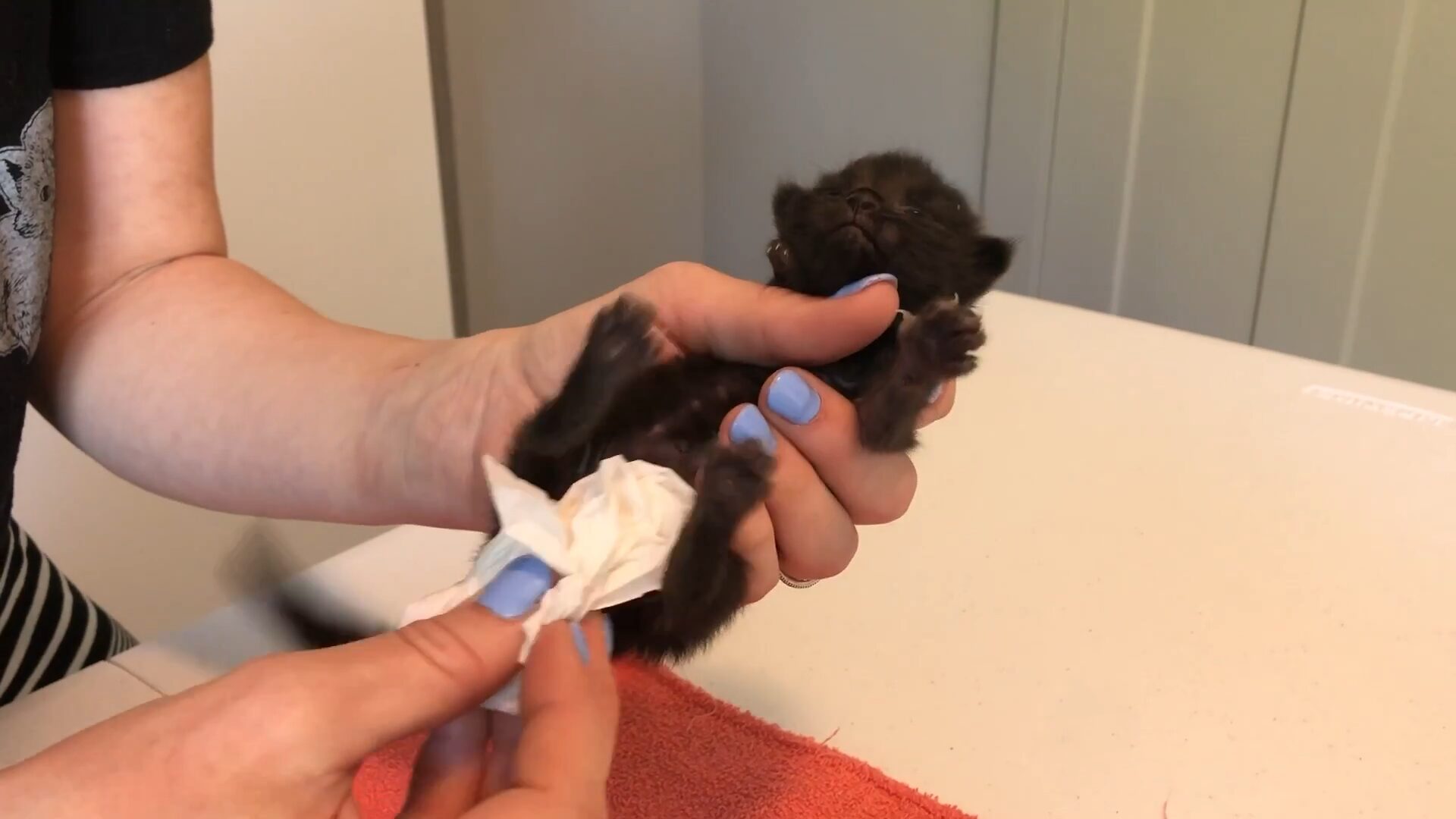
After feeding: stimulate pee and poop
Kittens under about 3 to 4 weeks typically need help eliminating because mom would normally lick them.
How to stimulate
- Use a warm, damp cotton round or soft cloth.
- Gently rub the genital area in small circles or short strokes.
- Continue until the kitten urinates. Poop may happen less often than pee, especially in the youngest kittens.
Normal stool on formula is usually yellow to tan and toothpaste-like. Watery diarrhea, blood, or repeated straining are reasons to call a vet.
Storage and safe handling
- Mix formula according to the label and refrigerate what you will not use right away.
- Warm only the portion you need for that feeding.
- Do not leave mixed formula sitting out. Discard timing varies by product, so follow the KMR label and your vet’s guidance.
- Throw away leftover formula from the bottle after a feeding rather than saving it for later.
Cleaning and sanitation
- Wash bottles, nipples, and syringes with hot soapy water after each use.
- Rinse thoroughly so there is no soap residue.
- Let items air dry completely.
- Discard nipples that crack, get sticky, or develop a lingering odor.
If you are feeding a fragile newborn, ask your vet or rescue whether they recommend periodic sterilizing, especially during outbreaks of illness in your area.
Common feeding mistakes
- Feeding a cold kitten (digestion shuts down)
- Too-fast nipple flow (aspiration risk)
- Feeding on the back (aspiration risk)
- Overfeeding (bloat, diarrhea, regurgitation)
- Guessing instead of weighing (weight tells you if your plan is working)
- Wrong formula concentration (constipation, dehydration, or poor growth)
- Letting kittens overheat (no escape from the heat source)
Constipation vs dehydration
A kitten that is straining, passing hard stools, or going too long without pooping may be dealing with constipation, dehydration, incorrect formula mixing, or not enough intake overall. Do not try aggressive home fixes. Check that formula is mixed correctly, confirm the kitten is warm, and contact a vet or rescue mentor promptly, especially if the belly looks bloated or the kitten seems uncomfortable.
When to call a vet urgently
Orphaned neonates can decline quickly. Get veterinary help right away if you notice:
- Milk coming from the nose, coughing during feeds, or noisy breathing afterward
- Refusal to eat for multiple feeds, especially with weakness
- Persistent diarrhea, blood in stool, or severe constipation
- Bloated, painful belly
- Low body temperature that does not improve with warming
- Extreme lethargy, pale gums, or crying that sounds strained
FAQ
How do I know if I am feeding the right amount?
The kitten should have a comfortably rounded belly after meals, then settle to sleep. The best indicator is steady daily weight gain. Use your KMR label and your kitten’s weight to estimate a daily total, then divide it across feedings. If you are not seeing gains, reassess warmth, formula mixing, nipple flow, and frequency, and loop in a vet or rescue mentor.
Can I give sugar water if the kitten seems weak?
I do not recommend home remedies without guidance. Weak neonates may be hypoglycemic, dehydrated, chilled, or ill. Warmth is step one, then professional advice. Contact a vet or experienced rescue for immediate coaching.
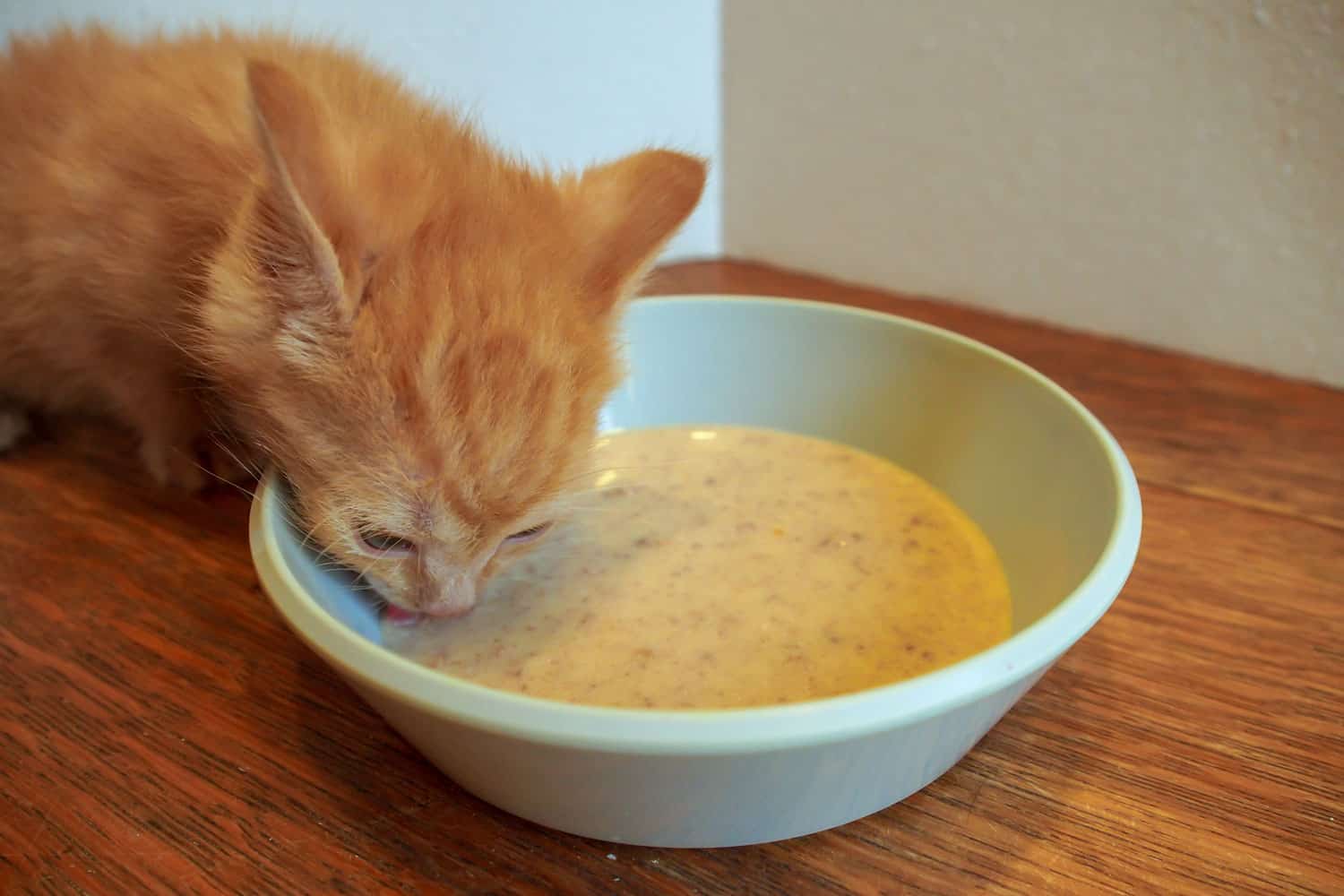
When can kittens start weaning?
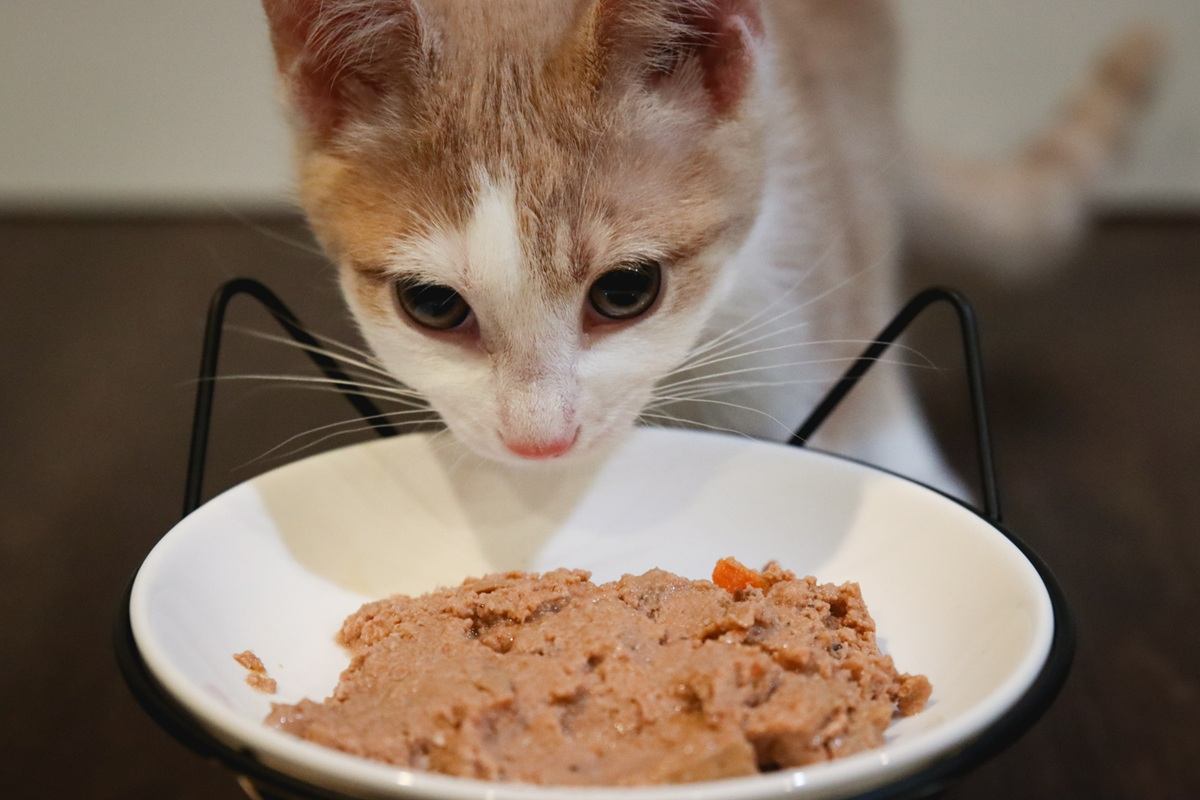
Most kittens begin the transition around 3.5 to 4 weeks, when they can lap a little and are getting steadier on their feet. You will still supplement with bottle or formula slurry while they learn.
What if I found a kitten and I am not sure how old it is?
Age estimates vary, but here are common markers: eyes often open around 7 to 14 days, ears start to unfold in the second week, and by 3 to 4 weeks they are more alert and wobbly-walking. If you can, send a photo to a local rescue for an age estimate, because feeding frequency depends on age.
A gentle final note
If bottle-feeding feels intense, you are not doing it wrong. Neonatal care is a lot, even for seasoned fosters. Focus on the basics: warm kitten, correct formula, belly-down feeding, slow flow, and daily weights. And if you hit a wall, ask for hands-on help. Most rescues would much rather talk you through a tricky latch than meet the kitten later in crisis.