A picky kitten can make even the calmest pet parent spiral. I have been there, crouched on the kitchen floor at an unreasonable hour, bargaining with a tiny creature who weighs less than a loaf of bread.
The good news: most fussiness is fixable with a few smart tweaks. The important part is figuring out whether you are dealing with normal pickiness (very common during transitions) or true appetite loss (which can become dangerous fast in young kittens).
First, a quick safety check
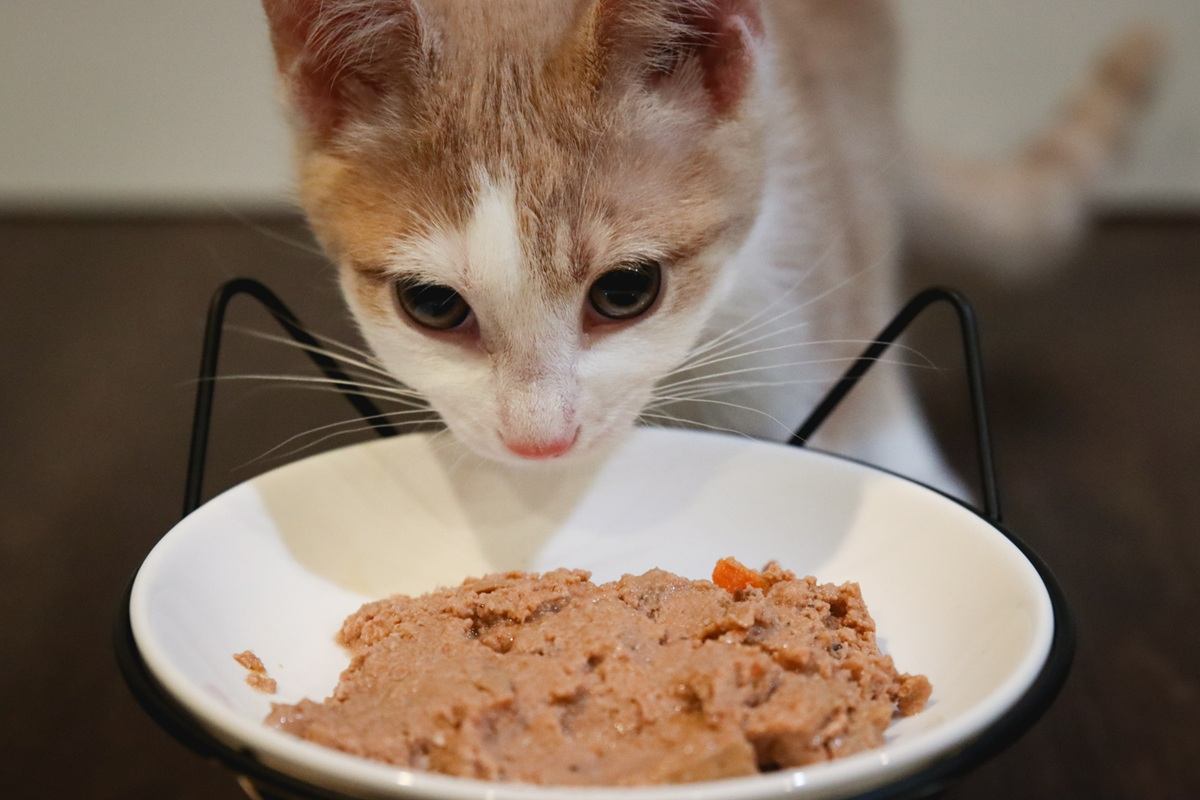
Kittens have small energy reserves. If they are not eating, they can go downhill quickly. Before you experiment with toppers and bowl changes, do this mini check:
- Age matters: the younger the kitten, the more urgent appetite changes become. Kittens under 8 to 12 weeks can dehydrate and weaken quickly.
- Watch for illness clues: vomiting, diarrhea, lethargy, hiding, trouble breathing, drooling, or bad breath can point to a medical issue.
- Hydration: gums should be moist, not tacky. If you suspect dehydration, seek same-day veterinary care. (Skin-tent tests can be hard to interpret in very young or underweight kittens.)
- Confirm they are truly not eating: measure what you offer and what is left, watch for normal pee and poop, and consider weighing daily with a kitchen scale.
Call your vet promptly if your kitten is under 12 weeks and skipping meals, refuses all food for about 8 to 12 hours, or shows any of the symptoms above. For older kittens, use 12 to 24 hours as a general rule depending on how they look and act. If they seem weak, painful, or “not themselves,” call sooner.
Also call urgently if you suspect they ate string, ribbon, hair ties, or toy pieces. And if you ever see string hanging from the mouth or rear, do not pull it. Keep your kitten calm and get veterinary help.
9 tips to tempt a picky kitten
These are the same strategies commonly recommended by veterinarians, shelters, and foster programs because they work without encouraging long-term “food drama.” Try them one at a time so you can see what actually helps.
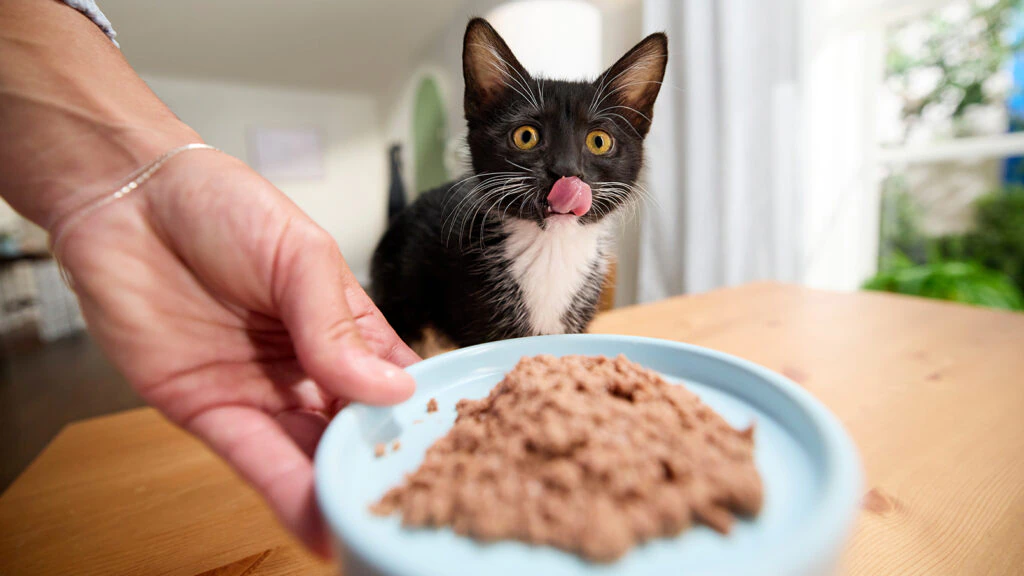
1) Warm the food slightly
Kittens choose food with their nose. Warming boosts aroma and often flips a “no” into a “yes.”
- For wet food, stir in a teaspoon of warm water and mix well.
- Aim for body temperature, not hot. Test on your wrist like baby formula.
- Do not leave warmed food out longer than 20 to 30 minutes, especially in warm rooms. Follow the food label if it is more strict.
2) Add moisture, even to dry food
If your kitten prefers kibble but is picky, try softening it. This can also help hydration.
- Add warm water and let it sit 5 to 10 minutes.
- If your vet recommends it, you can use prepared kitten milk replacer (KMR) sometimes. Follow label directions and stop if it causes diarrhea.
- Start with a small amount so it stays appealing, not soupy.
- Discard leftovers within 30 minutes to reduce bacterial growth.
3) Offer tiny portions more often
Big servings can smell “stale” faster and feel overwhelming. Small, fresh servings win picky kittens over.
- Serve a few spoonfuls at a time.
- Refresh the bowl with a clean spoon rather than mixing new food into old.
- Wash the dish between meals when you can. Old food film and odors are a common deal-breaker.
- For many kittens, 3 to 5 meals per day works well, depending on age and your vet’s guidance.
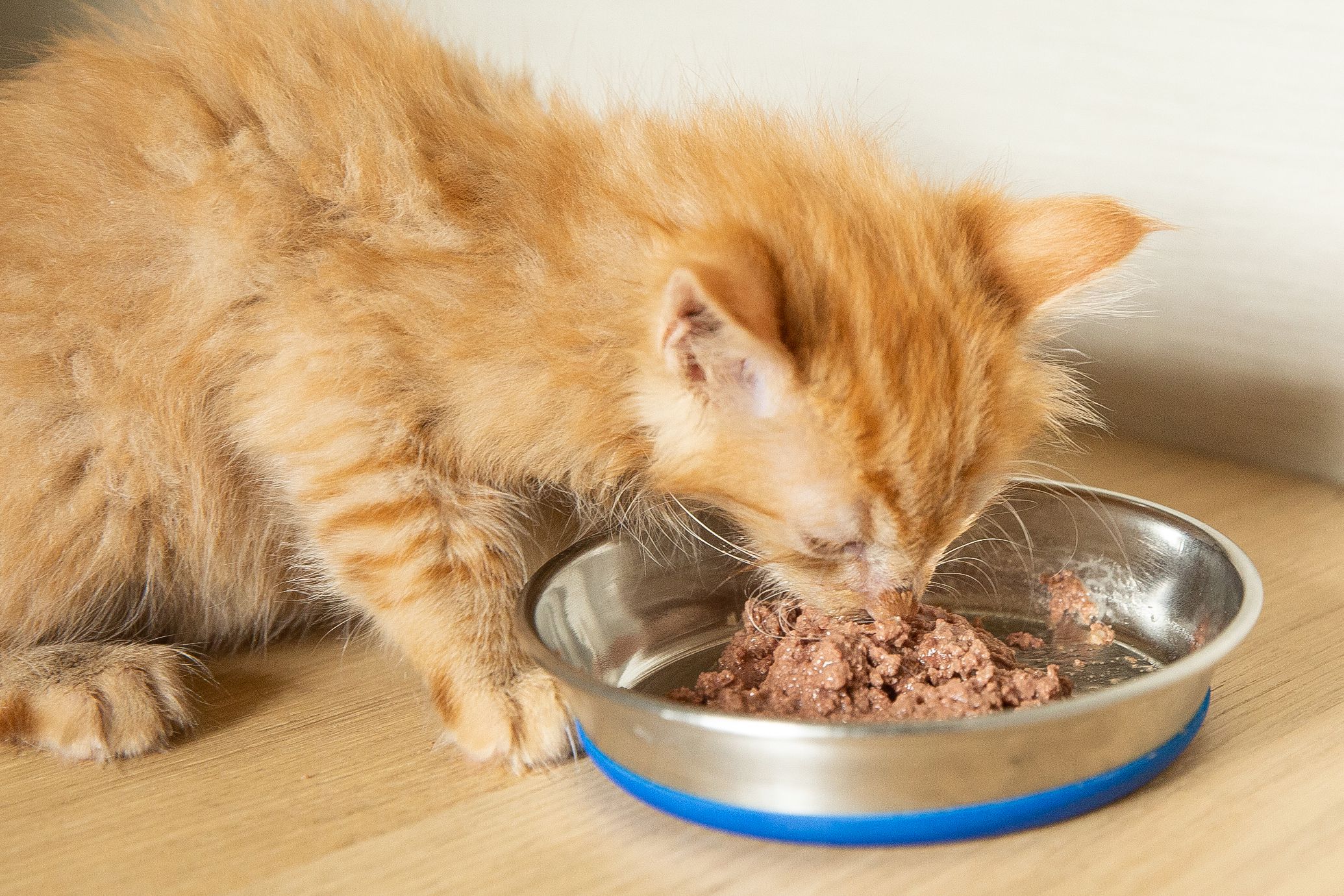
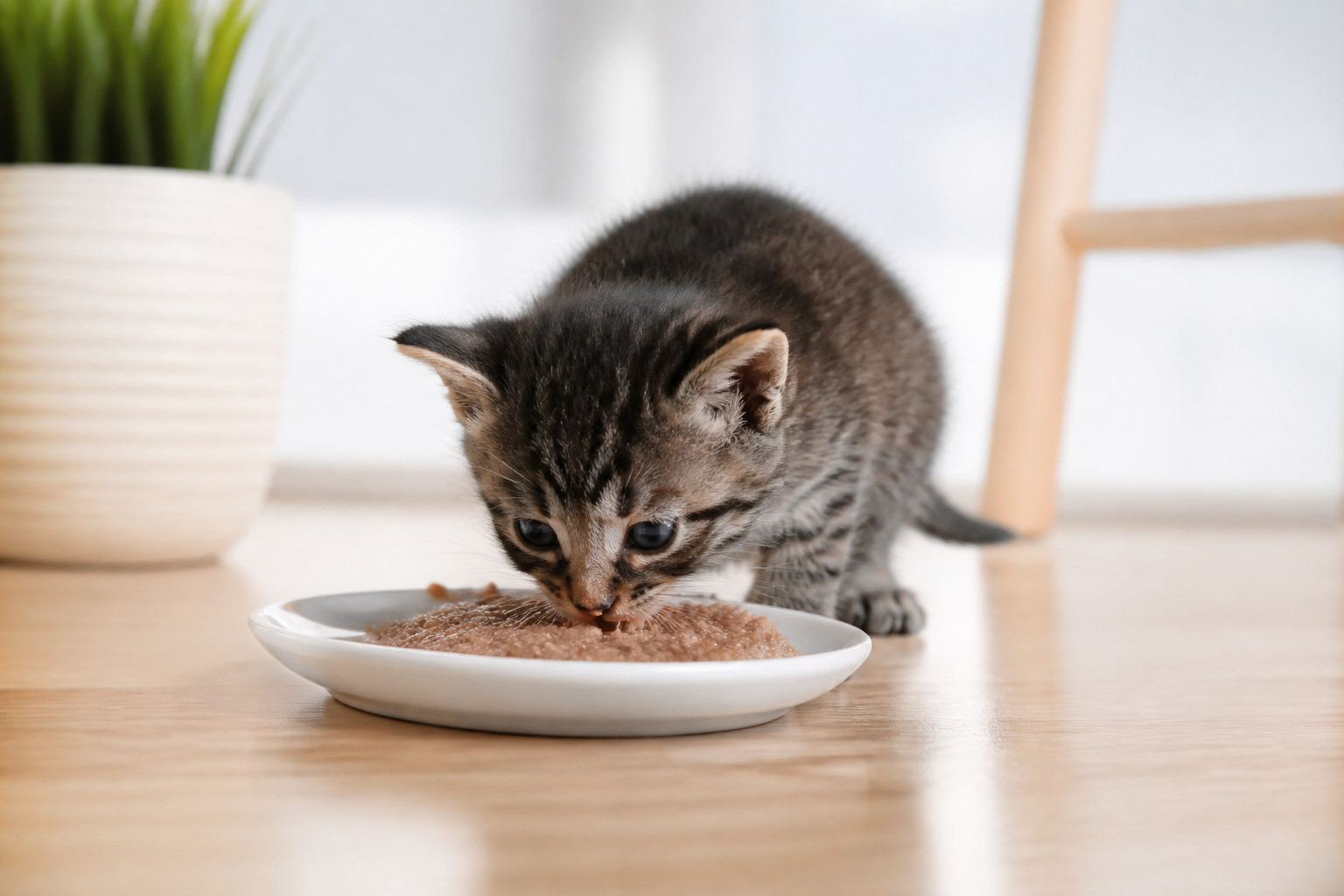
4) Try a flatter dish
Some kittens seem to dislike deep bowls because their whiskers brush the sides. A flatter dish can make meals feel easier.
- Use a shallow saucer or low, wide cat dish.
- Choose ceramic or stainless steel if possible. Plastic can hold odors and scratches that trap bacteria.
5) Move the bowl to a quieter spot
I see this constantly in foster homes: the food is technically “available,” but the location feels unsafe.
- Place food away from loud appliances, busy doorways, and rambunctious kids or pets.
- Keep the litter box in a separate area. Most cats prefer distance between bathroom and dining.
- If you have multiple pets, feed the kitten in a separate room to remove pressure.
6) Make a gradual food transition
Sudden changes can cause food refusal, stomach upset, or both. A slow transition protects your kitten’s gut and helps acceptance.
Even if the old diet is not what you plan to stay on long-term, transition gradually. The exception is food that is spoiled, recalled, or clearly causing a problem, in that case, stop and call your vet.
- Days 1 to 2: 75% old, 25% new
- Days 3 to 4: 50% old, 50% new
- Days 5 to 6: 25% old, 75% new
- Day 7+: 100% new
If your kitten is already refusing the old food, you can still transition, just start with a smaller “new” amount and go slower.
7) Use kitten-safe toppers
Toppers can be incredibly effective, but the goal is to spark eating, not create a kitten who will only eat gourmet add-ons forever.
Kitten-friendly topper ideas:
- A teaspoon of warm water from unsalted tuna packed in water (not oil), used occasionally
- A sprinkle of freeze-dried chicken treats crushed into “dust”
- A spoonful of the kitten’s favorite wet food mixed into a new wet food
- A tiny bit of plain cooked chicken (no seasoning, no onion or garlic)
Also worth trying: some kittens are texture loyal. If they refuse chunks, try pate, and if they refuse pate, try shreds. Keep changes simple and slow.
Avoid: garlic or onion powders, salty broths, milk, and anything labeled “for humans” that contains seasonings. And skip essential oils entirely.
8) Try hand-offering and calm company
For shy or newly adopted kittens, emotional safety affects appetite. A little support goes a long way.
- Offer a small dab of wet food on your finger, then move it to the plate once they lick.
- Sit nearby without staring. Slow blinking and quiet company can help.
- Keep meal times calm and predictable.
This is also helpful for kittens recovering from a stressful event like transport, a shelter stay, or a big household change.
9) Consider nausea or pain
If you have tried the basics and your kitten still will not eat, assume there is a reason that needs medical help. Common culprits include:
- Upper respiratory infections: congestion blocks smell, and kittens stop eating
- Parasites: intestinal worms can cause nausea and poor appetite
- Mouth pain: sore gums, ulcers, teething discomfort, or dental issues
- Stress: new home, new pets, loud environment
Veterinarians can address the root issue and may prescribe an anti-nausea medication, dewormer, or appetite support when appropriate.
Why your kitten suddenly got picky
In my foster experience, “picky” usually shows up after one of these situations:
- New home transition: stress can suppress appetite for a day or two
- Food changed too fast: especially switching from shelter food to a new brand
- Food is stale: kibble can go rancid, wet food dries out and loses aroma
- They do not feel well: even mild congestion can reduce appetite
- Competition at the bowl: another pet hovering can shut them down
- Texture preferences: pate versus chunks can be the whole issue
What not to do
- Do not force-feed unless your veterinarian has shown you exactly how and told you to. Aspiration is a real risk.
- Do not “train” pickiness with endless options. Rotating through five foods a day can create a kitten who holds out for something new. Make changes thoughtfully.
- Do not offer dog food as a substitute. It does not meet kitten nutritional needs.
- Do not use toxic flavor boosters like garlic, onion, or seasoned broth.
- Do not pull string from the mouth or rear if you suspect a linear foreign body. Get veterinary help.
Quick setup: feeding station
If I could wave a magic wand, every new kitten parent would start here:
- One shallow ceramic plate for wet food
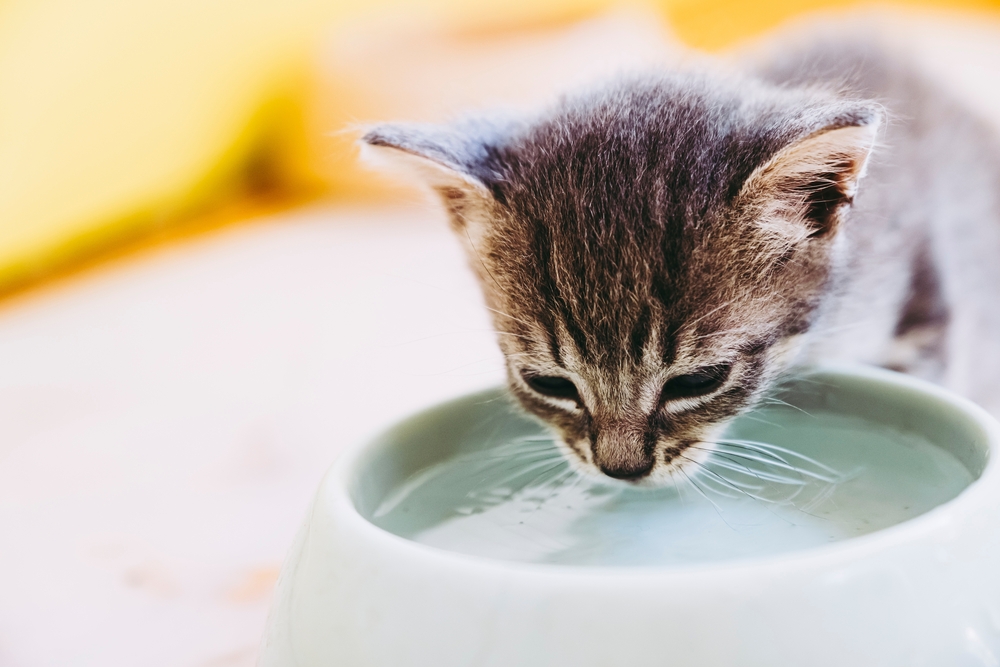
- One small stainless steel bowl for water
- A washable mat underneath for easy cleanup
- A quiet corner away from litter and foot traffic
- Set meal times with leftovers picked up after 20 to 30 minutes
- A simple tracking habit such as daily weigh-ins for tiny kittens or any kitten who is acting off
FAQ
How long can a kitten go without eating?
Not long. If your kitten is under 12 weeks, call your veterinarian if they refuse food for about 8 to 12 hours, or sooner if they seem weak or dehydrated. For older kittens, use 12 to 24 hours as a general guideline depending on the kitten and any other symptoms. If there is vomiting, diarrhea, trouble breathing, or extreme sleepiness, treat it as urgent.
Is it okay if my kitten only wants dry food?
Many kittens love kibble, but hydration matters. If your kitten refuses wet food, talk with your vet about the best plan. In the meantime, encourage drinking with multiple water bowls, a fountain if they like it, and consider softening kibble with warm water to add moisture.
What is the best topper for a picky kitten?
The best topper is one that is safe, simple, and temporary. My go-to is crushed freeze-dried chicken treat “dust” or mixing a teaspoon of a familiar wet food into a new one. Avoid salty broths and seasonings.
My kitten sniffs the food and walks away. What does that mean?
Often it means the food does not smell appealing enough, the bowl setup is uncomfortable, or your kitten feels stressed. If the sniff-and-walk-away is new and persistent, it can also signal nausea or congestion, so monitor closely.
When to call the vet today
Please reach out to your veterinarian the same day if:
- Your kitten is under 12 weeks and missing meals
- They have not eaten for about 8 to 12 hours (younger kittens) or 12 to 24 hours (older kittens), especially if this is unusual for them
- They are vomiting, have diarrhea, seem painful, or are unusually sleepy
- You notice drooling, bad breath, pawing at the mouth, bleeding gums, or sudden mouth sensitivity
- You suspect a foreign body (string, ribbon, hair ties, toy pieces)
- You suspect toxin exposure
Seek urgent care now for trouble breathing, repeated vomiting, collapse, severe weakness, pale gums, or a distended painful belly.
You are not overreacting. With kittens, early support is almost always easier than playing catch-up.
A gentle final note
Picky phases are common, especially after adoption or a food change. Start with the simplest wins: warm the food, serve small fresh portions, and make the eating spot feel safe. If your kitten still will not eat, trust your gut and call your vet. You are learning your kitten’s “normal,” and that is exactly what great cat parents do.