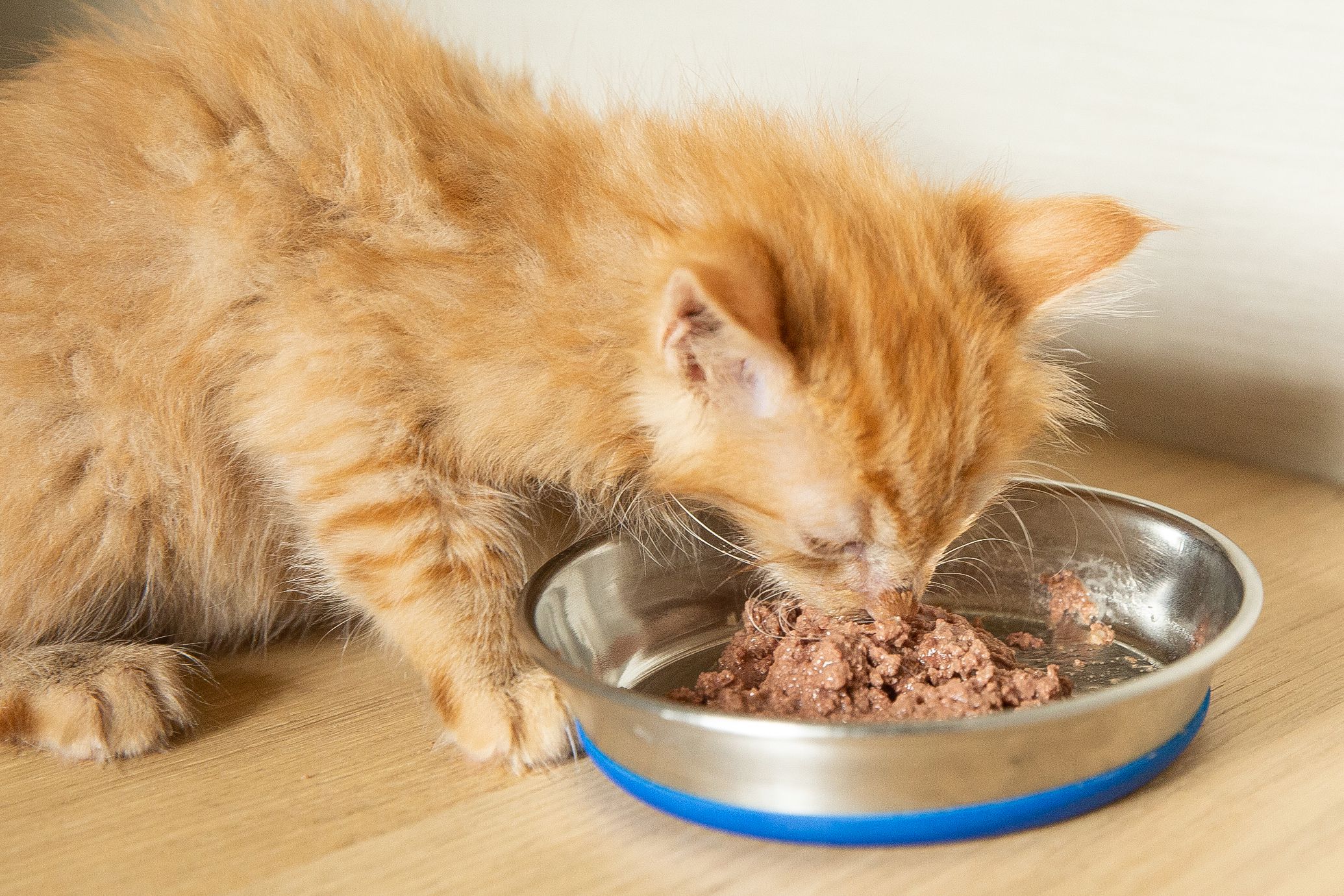
If you are reading this while staring at a too-soft litter box surprise and a kitten who smells like a tiny whoopee cushion, take a breath. Upset stomachs are a frequent bump in the road for kittens, especially in the first few weeks after adoption or fostering. Their digestive system is still maturing, and even “normal” changes like a new food, new water, new schedule, or moving stress can flip the gut into protest mode.
The goal is not to stop the symptoms for a day. The goal is to calm the gastrointestinal tract, support healthy gut bacteria, and find a food routine your kitten can tolerate long-term, without losing precious hydration or weight.
First: what is normal vs not
Kittens can get brief, mild diarrhea or extra gas from a food switch, a treat, or stress. But because kittens are small, they can go downhill faster than adult cats. I use this simple sorting method in my foster room.
Usually manageable at home (24 to 48 hours)
- Loose stool but your kitten is still playful and interested in food
- No vomiting, or a single mild vomit after eating too fast
- Normal pink gums, normal energy, no fever
- Stool is soft or pudding-like, not watery, and no blood
Call your vet today
- Watery diarrhea, especially more than a few episodes
- Blood (bright red) or black, tarry stool
- Repeated vomiting, refusal to eat, or obvious belly pain
- Lethargy, weakness, fever, or dehydration signs (tacky gums, sunken eyes)
- Very young kittens (especially under about 8 to 10 weeks), very small kittens, or any kitten who is losing weight
- Diarrhea lasting longer than 48 hours even if they seem “fine”
If your kitten is not fully vaccinated or recently came from a shelter, parasites and infections are high on the list. Severe diarrhea plus lethargy in an unvaccinated kitten is always urgent. Many causes need a fecal test and targeted treatment, not just a different food.
The big three causes: stress, food, parasites
1) Stress diarrhea
New home, new smells, new people, new litter. Stress changes gut motility and can trigger loose stools quickly. The fix is often routine, calm, and very consistent feeding.
2) Diet change, richness, or intolerance
Kittens are often switched abruptly from whatever they ate before to a new brand, new protein, or a richer canned food. Even if it is high quality, the gut bacteria need time to adapt. Some kittens also react to certain proteins, fats, or additives.
3) Parasites
Roundworms, hookworms, giardia, and coccidia are common in rescue kittens and can cause diarrhea and gas. Many kittens need more than one deworming and sometimes specific medication, so do not assume “they were treated once” means you are done.
Feeding moves that calm the gut
Go smaller and more frequent
Big meals stretch the stomach and dump more food into the intestines at once, which can worsen diarrhea and gas. For tummy-troubled kittens, I aim for:
- 4 to 6 mini meals per day for young kittens
- 3 to 4 meals per day for older kittens, if they are stable
If you free-feed dry food, consider pausing that while you troubleshoot. It is much easier to see patterns when you control portions.
Serve food at room temp
Very cold food straight from the fridge can trigger gagging or vomiting in some kittens. Let it come to room temperature, or warm it slightly so it smells appealing and is gentle going down. Always stir well to avoid hot spots, and never microwave food in the can.
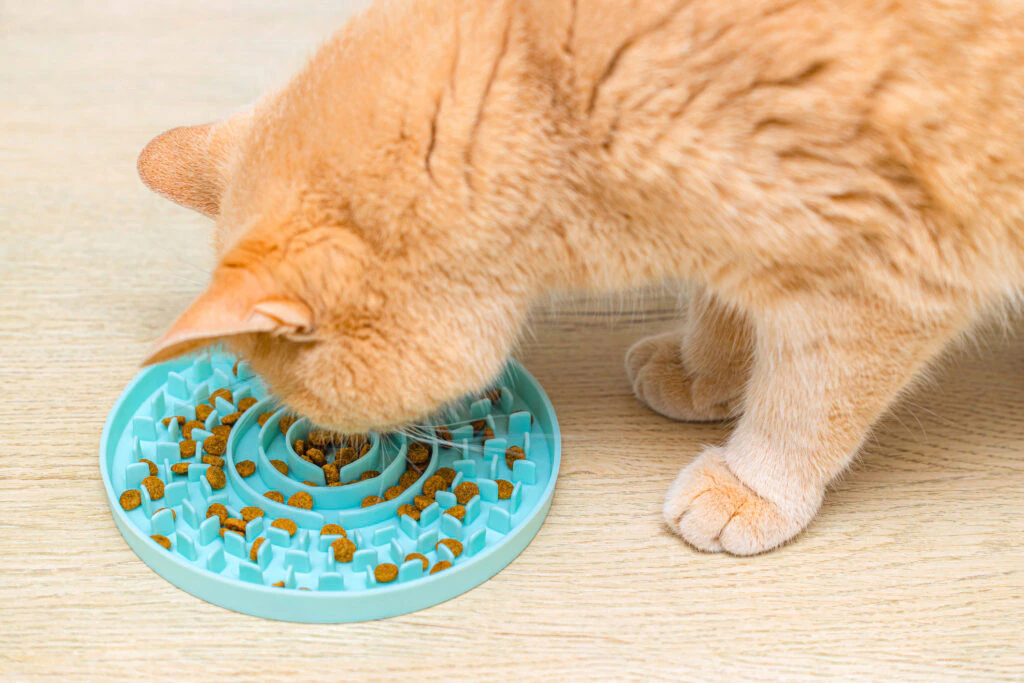
Slow down fast eaters
Gulping can cause gas, spit-up, and foamy vomit. Try:
- Spreading wet food thinly on a plate
- Using a slow feeder bowl designed for cats
- Offering two small portions 10 minutes apart
Limited-ingredient diets: how to pick
Limited-ingredient diets (LID) can be helpful when you suspect food sensitivity. The idea is simple: fewer ingredients can mean fewer possible triggers, and it can be easier to see what your kitten tolerates.
What to look for in a kitten LID
- Complete and balanced for growth (the label should indicate it is formulated for kittens or “growth”)
- As close to single-protein as you can get (then confirm by reading the full ingredient list, since some formulas sneak in extra animal proteins via broths, liver, egg, or fish oil)
- Moderate fat, not ultra-rich
- Simple recipes with fewer add-ins and fewer toppers at home
- No rotating proteins while symptoms are active
If you truly suspect a food allergy, that is where your vet can guide you. A proper elimination trial is more strict than most over-the-counter foods can guarantee, and many kittens do best with a prescription hydrolyzed or carefully selected novel-protein diet for that process.
Proteins that are often gentle
Chicken is common, but some kittens seem to do better on other proteins when their gut is touchy. In my foster experience, these are often easier starting points:
- Turkey
- Rabbit
- Duck
- Lamb (less common in kitten formulas)
Fish can be tempting because kittens love it, but it can be rich and sometimes makes diarrhea and very smelly gas worse. I usually keep fish as an occasional flavor later, not the “reset” food.
Wet vs dry
Wet food is often my first choice during diarrhea because hydration matters so much, and many kittens digest wet food more comfortably. Dry food can still work, but it is easier for kittens to overeat and harder to keep hydration up.
If you use dry, keep fresh water available and consider adding more moisture elsewhere, like mixing a spoonful of warm water into wet meals, or offering kitten-safe broth with no onion or garlic.
Probiotics: helpful support
Probiotics can be genuinely useful for kittens with mild diarrhea, gas, or after deworming or antibiotics. Think of them as support for the gut’s “good bugs,” not a cure for parasites or serious illness.
What a good kitten probiotic looks like
- Made for pets (not a random human supplement)
- Clear dosing instructions by weight or age
- Easy to give (powder you can sprinkle, or a paste)
- Stored correctly as directed
How I use them in foster care
I keep it simple: I give the recommended dose once daily with a meal for several days, then reassess stool quality. Once stools normalize, you can usually stop. Some fosters like to taper for a day or two in extra-sensitive kittens, but the big win is consistency and not overcomplicating the menu.
If your kitten is on antibiotics, ask your vet about timing. Often you will separate probiotic dosing from the antibiotic by a couple of hours so the antibiotic does not wipe it out immediately.
Prebiotics and fiber
Some “sensitive stomach” foods include prebiotics (food for beneficial bacteria) or gentle fibers. These can help, but too much fiber too quickly can backfire. If your kitten is gassy and bloated, go slow with anything fiber-heavy and focus on consistency first.
Switching foods without a flare
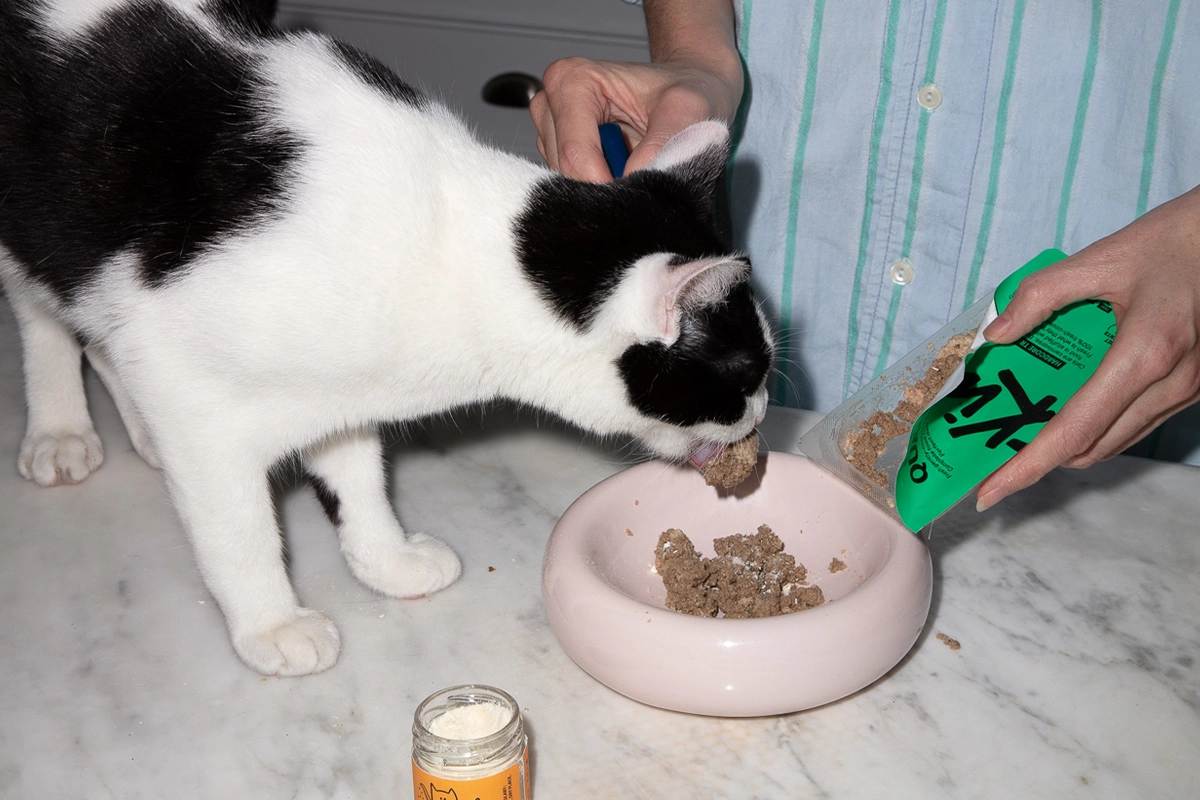
Abrupt food changes are one of the fastest ways to create loose stools. When the tummy is already upset, I still transition, but I do it more gently.
Standard transition (7 to 10 days)
- Days 1 to 3: 75% old food, 25% new
- Days 4 to 6: 50% old, 50% new
- Days 7 to 9: 25% old, 75% new
- Day 10: 100% new
Extra-gentle transition (10 to 14 days)
If stools are already loose, stretch each step longer. If diarrhea spikes, go back to the last ratio that produced better poop for 2 to 3 days before trying again.
Tip from my 2 AM foster days: Write the ratio on a sticky note and put it on the food bin. Sleep deprivation plus measuring is how mistakes happen.
What to feed during a flare
If your kitten is bright, active, and only mildly affected, your best “flare” plan is usually: consistent, bland-ish, complete nutrition in smaller portions. Skipping meals can irritate the stomach and is risky for tiny bodies.
Stick with one complete kitten food
I know it is tempting to add a bunch of toppers to “get calories in.” During diarrhea, variety can make things worse. Pick one growth-formulated food your kitten tolerates best and commit for several days.
Avoid common triggers (for now)
- Milk and dairy (most cats are lactose intolerant)
- Rich treats, especially creamy lickable treats during diarrhea
- Table scraps
- Sudden protein rotations (chicken today, fish tomorrow)
- High-fat foods
Hydration and weight are the big priorities
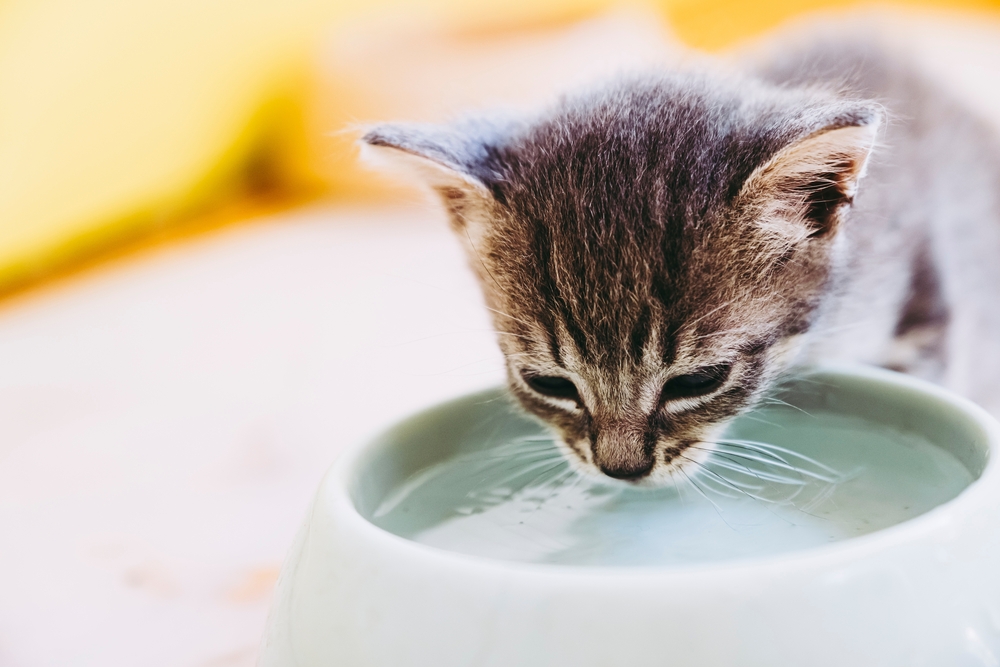
Loose stool pulls water out of the body. Wet food helps, and you can encourage drinking by placing multiple water bowls around the home and keeping them away from the litter box. Some kittens prefer wide, shallow bowls that do not touch their whiskers.
If you have a small kitchen scale, daily weights can be incredibly helpful for tiny kittens. A kitten who is not gaining, or who is losing weight, needs a vet call even if they are still acting feisty.
Gas: why it happens
Kitten gas can come from swallowed air (fast eating), fermentation of poorly digested ingredients, parasites, or gut imbalance after stress or antibiotics.
My go-to gas fixes
- Slow the meals (plate method or slow feeder)
- Choose simpler recipes (limited ingredient, fewer add-ins)
- Check for sneaky dairy in treats
- Try a pet probiotic for a short course
- Schedule a fecal test if gas comes with mucousy diarrhea or does not improve
If your kitten’s belly looks distended, feels tight, or they cry when picked up, that is vet territory. Kittens should have soft little tummies, not painful balloons.
When to ask about prescription help
Over-the-counter sensitive stomach foods can help a lot, but some kittens need prescription support, especially if they have ongoing diarrhea, poor weight gain, or suspected food allergy.
Your vet may recommend:
- Highly digestible gastrointestinal diets designed to reduce stool volume and improve nutrient absorption
- Hydrolyzed protein diets where proteins are broken down to reduce immune reactions
- Targeted parasite treatment based on fecal results
Prescription foods are not just “fancier.” They are formulated with very specific digestibility and nutrient profiles, which can matter for growing kittens.
Poop tracking that actually helps
I promise this is not as weird as it sounds. Tracking stool for a week can save you money and stress because you will spot patterns quickly.
What I jot down
- Food brand and protein
- Meal times and portion sizes
- Any treats or new chews
- Stool: formed, soft, watery, mucus, blood
- Energy level and appetite
- Water intake and whether they are peeing normally
Bring this to your vet if symptoms persist. It helps them narrow down whether you are dealing with food intolerance, infection, parasites, or inflammatory issues.
Fecal test: sample tips
If your vet asks for a stool sample, a little prep makes life easier:
- Collect a fresh sample if you can, ideally the same day.
- Use a clean bag or container and scoop from the middle of the stool, not just the litter-coated outside.
- Keep it cool if you cannot go in right away. A sealed container in the refrigerator for a short period is commonly recommended, but follow your clinic’s instructions.
- Label it so nobody in your household has a bad surprise later.
Do not stress if you cannot get a perfect sample. Call the clinic and ask what they prefer. They do this all day.
FAQ
Should I withhold food if my kitten has diarrhea?
For kittens, I do not recommend fasting at home unless your vet specifically instructs it. Kittens can become dehydrated and hypoglycemic faster than adult cats. Instead, offer smaller, more frequent meals of a tolerated kitten food and prioritize hydration.
Can I give pumpkin for diarrhea?
Plain pumpkin can help some cats, but it is not a cure-all and it can worsen things in others. If you try it for a mild case, keep the amount tiny and simple, and stop if stools get worse. If your kitten is very young, has significant diarrhea, or seems unwell, skip the kitchen fixes and call your vet.
How long does it take probiotics to work?
For mild cases, I often see improvement within a few days, but it depends on the cause. If parasites are the culprit, probiotics alone will not fix the problem.
My kitten has diarrhea after deworming. Is that normal?
Mild, short-lived stool changes can happen after deworming, but ongoing diarrhea, lethargy, vomiting, or poor appetite should be reported to your vet. Sometimes kittens need additional medication or a different approach if giardia or coccidia are involved.
A gentle reset plan
If your kitten is otherwise acting normal and you are not seeing red flags, here is a calm, stomach-friendly plan I use all the time:
- Pick one growth-formulated food that is simple and consistent, ideally limited-ingredient and as close to single-protein as you can get.
- Feed mini meals 4 to 6 times a day for the next few days.
- Slow down eating using a plate spread or slow feeder.
- Consider a pet probiotic for several days if your vet agrees.
- Book a fecal test if diarrhea lasts more than 48 hours, returns repeatedly, or comes with mucus, strong odor, or poor weight gain.
And please do not beat yourself up. Sensitive stomach kittens are not a reflection of your parenting. They are just tiny bodies learning how to process a big new world. With a steady routine and a little detective work, most kittens get back to healthy, tidy litter box habits fast.