Kittens are tiny, bold, and constantly auditioning for "best food thief." If you have ever looked down and realized your kitten has a nose in your bowl, you are not alone. I have fostered plenty of chaotic litters at Kitten Sprout, and the fastest way to turn a normal evening into an emergency is an unsafe human snack.
Because kittens are small, even a little nibble of the wrong food can hit them harder than it would an adult cat. Below are 15 human foods and ingredients that can be dangerous for cats, plus practical tips to keep curious kittens out of trouble.
Before the list
Why kittens are higher risk
Kittens have small bodies and developing organs, so toxins can cause symptoms quickly. They also tend to explore with their mouths, especially during teething and the high-energy "everything is a toy" phase.
Also, some toxins have delayed effects. A kitten can look totally fine at first and then get sick hours later. If you know they got into something on the toxic list, it is worth calling early.
If your kitten ate something risky
- Remove access so they cannot eat more, and keep any packaging.
- Do not force vomiting unless a veterinarian specifically tells you to.
- Call your veterinarian right away. If your vet is closed, contact a 24-hour emergency clinic.
- In the US, you can also contact the ASPCA Animal Poison Control Center (888-426-4435) or Pet Poison Helpline (855-764-7661). Fees may apply, but you will get time-sensitive guidance.
Be ready to share your kitten’s age and weight, what they ate, how much (best guess is fine), and when it happened.
15 dangerous human foods for kittens
1) Onions
Onions can damage a cat’s red blood cells and lead to anemia. This includes raw onion, cooked onion, onion powder, and onion flakes. The powdered form is especially risky because it is concentrated and shows up in tons of foods.
Common sources: soups, gravies, seasoning blends, baby food, deli meats, fast food.
2) Garlic
Garlic is in the same family as onions and can cause similar red blood cell damage. Many people think a tiny amount is fine, but kittens are not the place to experiment.
Common sources: garlic bread, pasta sauces, marinades, garlic salt and spice mixes.
3) Chives, leeks, and scallions
Allium plants (including chives, leeks, scallions, and shallots) are dangerous to cats. It counts whether it is fresh, cooked, or dried.
Extra kitten hazard: chive cream cheese and onion dip are frequent counter-surfing prizes.
4) Chocolate
Chocolate contains methylxanthines (including theobromine and caffeine), which cats cannot metabolize well. Even small amounts can cause vomiting, diarrhea, restlessness, abnormal heart rhythms, tremors, and seizures.
Higher risk types: baking chocolate and dark chocolate are generally more concentrated than milk chocolate.
5) Caffeine (coffee, tea, energy drinks)
Caffeine can overstimulate a kitten’s nervous system and heart. A few licks from cups of coffee, licked tea bags, and caffeine-containing medications can be dangerous.
Watch for: hyperactivity that looks funny at first but turns into panting, agitation, tremors, or collapse.
6) Alcohol
Alcohol is toxic to cats, and kittens are especially vulnerable. Even small sips can cause low blood sugar, low body temperature, vomiting, coordination problems, and respiratory depression.
Common sources: beer, wine, cocktails, boozy desserts, unbaked bread dough that contains fermenting alcohol.
7) Raw bread dough (yeast dough)
Unbaked yeast dough can expand in the stomach and cause painful bloating or obstruction. Fermentation can also produce alcohol, adding another layer of risk.
Reality check: kittens love warm spots. Covered dough bowls on a counter can still be a target.
8) Grapes
Grapes are a well-documented cause of acute kidney failure in dogs. In cats, reports are much rarer and the risk is less clear, but because the toxic mechanism is still not fully understood, I recommend a strict no grapes rule around kittens.
9) Raisins
Raisins are concentrated grapes, meaning a kitten can ingest a risky amount very quickly. Again, the strongest evidence is in dogs, but it is still safest to keep raisins away from cats. They also hide in trail mix, oatmeal cookies, and cereal.
10) Xylitol (and products sweetened with it)
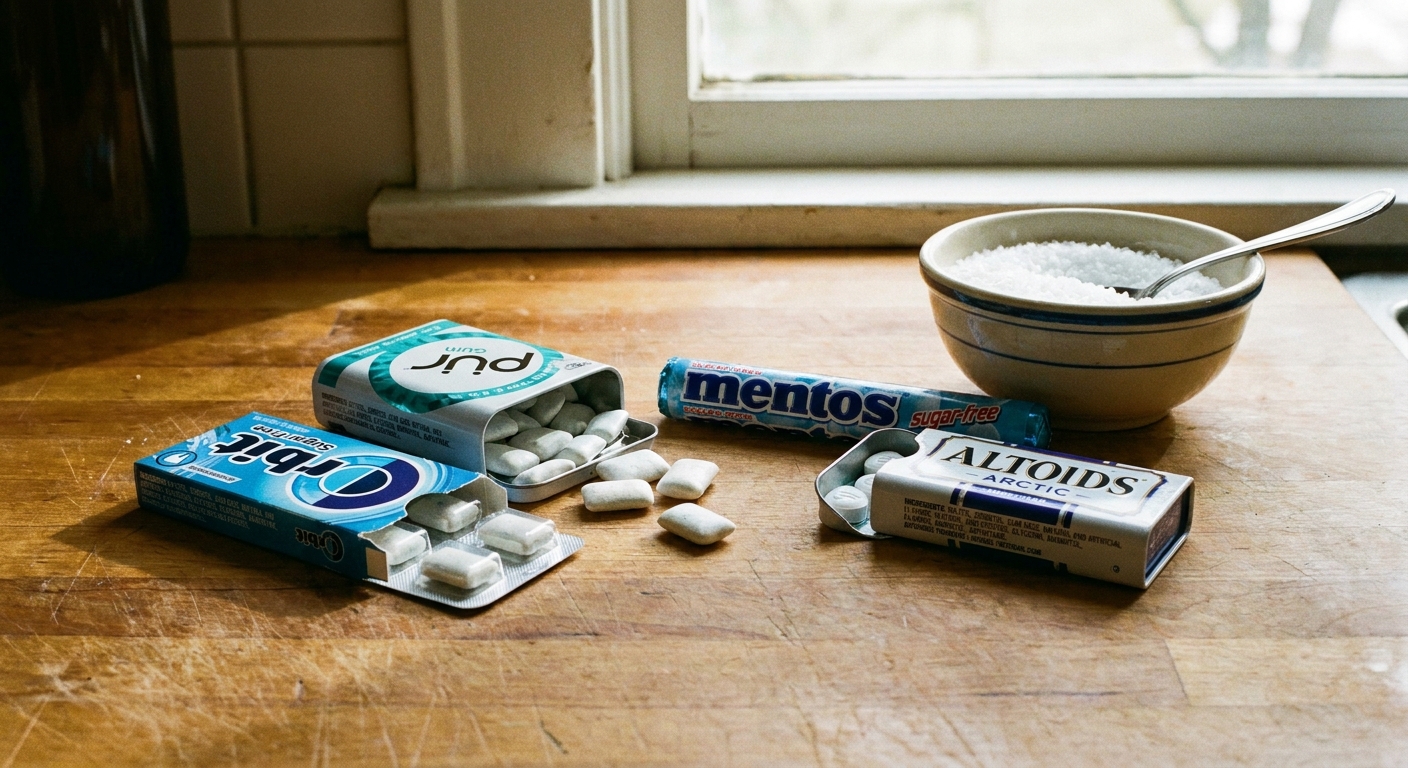
Xylitol is a sugar substitute found in many sugar-free products. In dogs, it can cause severe low blood sugar and liver injury. In cats, true xylitol toxicity is not well proven and they may be less susceptible, but exposures still deserve caution. If your kitten got into a xylitol-sweetened product, call your vet or poison control for guidance.
Common sources: sugar-free gum, mints, peanut butter, baked goods, drink powders, some medications and vitamins.
11) Cooked bones
Cooked bones (chicken, turkey, ribs, fish bones) can splinter and cause choking, mouth injuries, intestinal blockage, or perforation. Kittens are not gentle chewers, and bone shards can be a nightmare.
Safer alternative: stick to veterinarian-approved treats and kitten food, not leftovers with bones.
12) Fatty meats and greasy foods
Rich, fatty table scraps can trigger stomach upset and diarrhea. In some cases, very fatty foods may contribute to pancreatitis. Kittens also dehydrate faster when they have vomiting or diarrhea.
Common sources: bacon grease, sausage, fried foods, pizza, buttery sauces.
13) Dairy (milk, ice cream, cheese in larger amounts)
Many cats are lactose intolerant after weaning. Dairy is not typically toxic in the same way as onions or chocolate, but it can absolutely make a kitten miserable with gas and diarrhea. Diarrhea in a kitten can become serious faster than you would expect.
Important note: cow’s milk is not a safe milk replacement for kittens. If you are caring for an orphaned kitten, use kitten milk replacer as directed by a veterinarian or rescue.
14) Raw eggs
Raw eggs carry a risk of bacterial contamination (like Salmonella). Raw egg whites also contain avidin, which can interfere with biotin absorption if fed regularly.
Bottom line: skip raw egg trends and stick to complete, balanced kitten diets.
15) Raw fish and raw shellfish
Raw fish can carry parasites and bacteria, and some raw fish contains an enzyme (thiaminase) that can break down thiamine (vitamin B1) when fed frequently. Thiamine deficiency can become a neurological emergency.
Cooked vs. raw: cooking reduces thiaminase activity and lowers parasite risk, but fish still should not become a kitten staple.
What about tuna? A tiny taste of cooked fish is usually less concerning than raw, but tuna is not a complete diet, and too much can contribute to nutritional imbalance.
Quick reality checks
A lick vs. a bite
Sometimes a single lick is low risk, but not always. Powders and concentrates (like onion powder, garlic powder, cocoa powder, and xylitol) can pack a lot into a tiny amount. When in doubt, call your vet and describe what happened.
Symptoms to watch for
These can vary by toxin, and some signs can take hours to show up. Red flags include:
- Vomiting or diarrhea
- Drooling, pawing at the mouth
- Weakness, wobbliness, collapse
- Tremors or seizures
- Rapid breathing, trouble breathing
- Extreme lethargy or hiding
- Not eating, especially for an entire meal
- Abdominal pain (hunched posture, crying when picked up)
Kittens can crash quickly. If your gut says this is not my kitten acting normal, treat it as urgent.
Keep kittens out of trouble
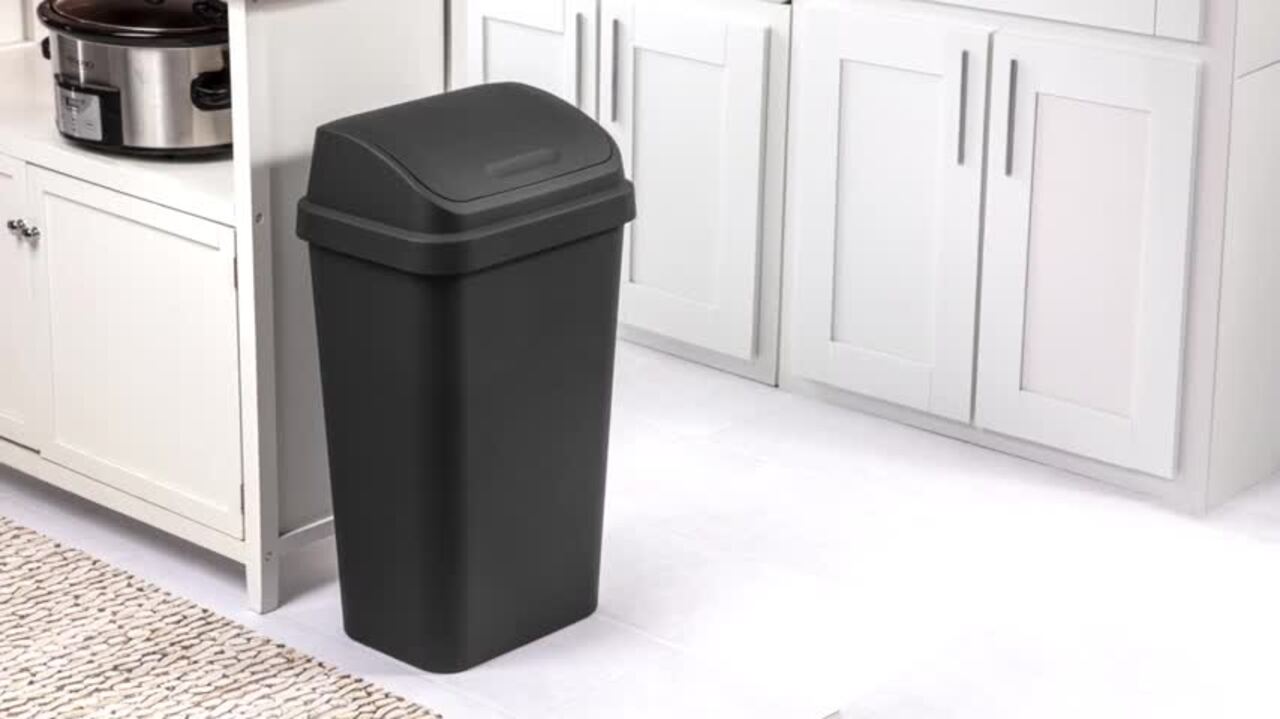
- Use a lidded trash can or keep the bin behind a closed door. Many toxin scares start with the garbage.
- Wipe counters right after cooking. Drips of onion or garlic sauces are enough to matter.
- Put food away immediately after meals. Kittens can jump higher than you think.
- Store bread and snacks in cabinets, not on the counter.
- Offer a safe alternative during your meals: a small portion of their wet kitten food, a treat toy, or a lick mat with kitten-safe food can reduce table surfing.
Kitten-safe treat ideas
If you love the bonding moment of sharing food, I get it. I do it too, just with kitten-safe options.
- Complete and balanced kitten treats made for cats (tiny portions)
- Small spoon of their regular wet kitten food as a special snack
- Single-ingredient freeze-dried treats (like chicken), crushed into tiny bits for kittens
- Plain cooked meat (unseasoned, boneless, no onion or garlic), offered in pea-sized pieces as an occasional treat
If your kitten has a sensitive stomach, keep treats very limited. With foster kittens, I stick to consistent meals and tiny, predictable add-ons.
Quick FAQ
Is it safe to let my kitten lick a plate?
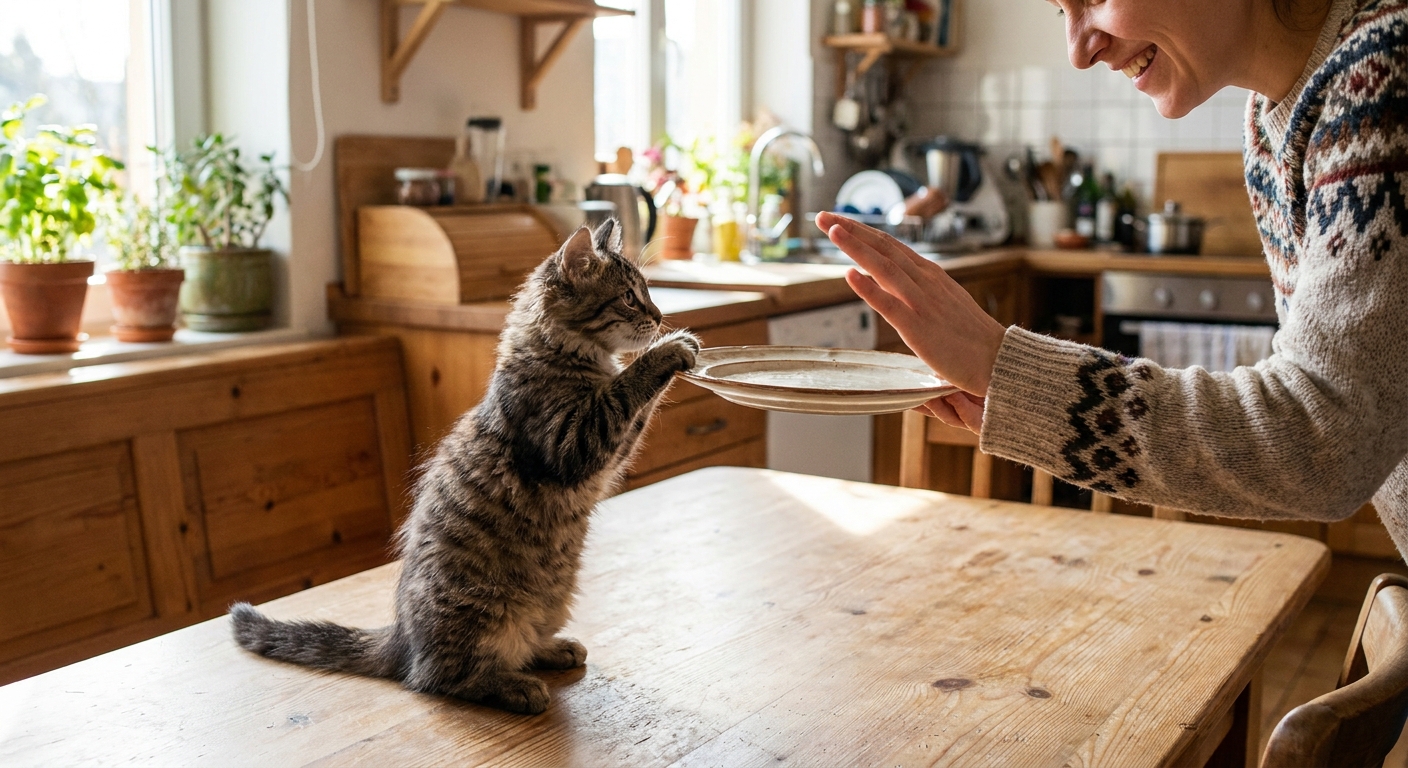
I do not recommend it. Even if the meal itself is not obviously toxic, plates often have seasonings (onion, garlic), butter, greasy drippings, or sauces that can upset a kitten’s stomach.
What about baby food for kittens?
Only if your veterinarian specifically okays it and you confirm it contains no onion or garlic. Many baby foods include onion powder for flavor, which makes them unsafe for cats.
Can kittens have peanut butter?
Peanut butter is not a necessary food for cats, and some brands may contain xylitol or lots of added sugar and fat. If you ever use peanut butter in your home, double-check the ingredient label and store it securely.
My kitten seems fine. Do I still need to call?
Yes, if the food is on the toxic list and you suspect they ate more than a tiny lick. Some toxins have delayed effects, and early guidance can prevent a crisis.
What about lilies and human medications?
They are not foods, but they are two of the most common cat emergencies. True lilies are extremely dangerous to cats, and many human medications (like ibuprofen and acetaminophen) can be deadly. If your kitten might have chewed a plant or swallowed a pill, treat it as urgent and call a veterinarian right away.