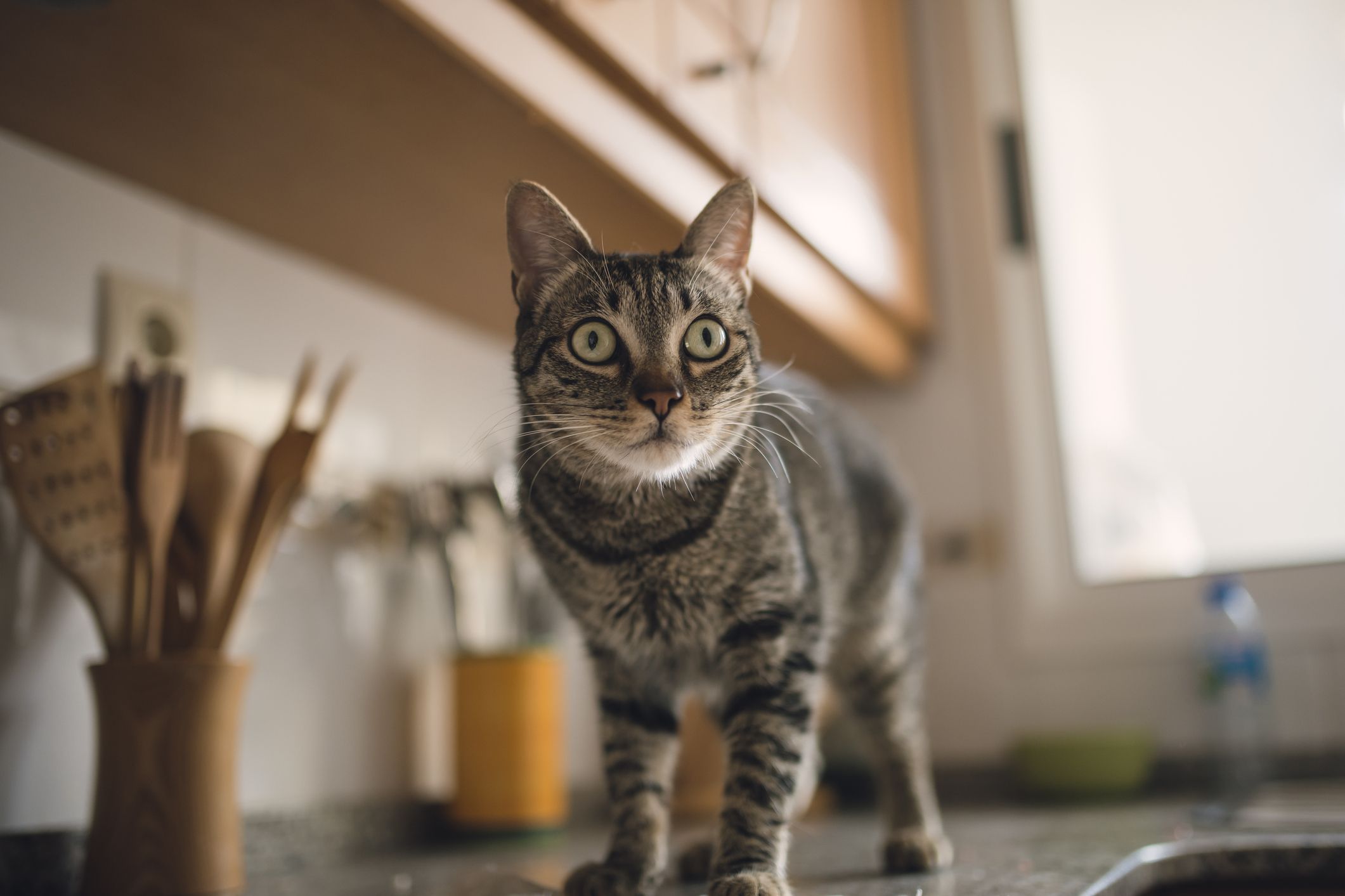
If you live with a kitten, you already know the truth: the kitchen is basically kitty Disneyland. Interesting smells, high viewpoints, crumbs that sparkle like treasure, and a human who keeps showing up to do fascinating things with food.
The goal is not to punish curiosity. The goal is to make counters and tables boring and unrewarding, while making approved spots more fun, more consistent, and easier to choose. That is how you get real, lasting behavior change without fear-based tactics.
Why kittens love counters (and why it keeps happening)
Kittens climb, it is normal cat behavior. When they jump up, they get one or more “rewards,” even if you do not mean to provide them:
- Food payoff: crumbs, butter smears, dirty pans, sink drips, unattended plates.
- Attention payoff: you look, you talk, you move toward them. For many kittens, that counts as a win.
- View payoff: cats feel safer and more in control when they can perch up high.
- Routine payoff: jumping up becomes a habit loop. Same time, same place, same result.
So if your kitten keeps returning to the scene of the crime, it usually means the environment is still paying them in some way.
First, set up the environment for success
Training goes much faster when your kitten cannot practice the behavior all day. Think of this as “prevention with kindness.”
Make counters uninteresting
- Clean fast, not perfect: wipe food residue right after cooking. A quick swipe removes the jackpot.
- Sink discipline: rinse dishes and avoid leaving food-soaked plates. In most homes, keeping the sink clean and empty or dry is best. If you do leave clean water in the sink for any reason, supervise, because some kittens will treat it like a splash toy.
- Store tempting items: bread, treats, fish, and cooling meat should be in closed cabinets or the microwave, not under a towel.
- Use lidded trash and compost: the counter jump often starts because the trash smells like a buffet.
Block access during high-risk times
If your kitten launches themselves onto the counter most reliably when you cook, that is valuable information. For a few weeks, consider:
- Using a baby gate or closing the kitchen door during meal prep.
- Crating your kitten with a puzzle feeder, lick mat, or a small portion of their meal while you cook.
- Putting your kitten in a kitten-proof room with a litter box, water, and enrichment.
This is not “giving up.” It is removing practice opportunities while you build better habits.
Give them a better “yes” spot near the action
Most counter surfers are looking for height plus togetherness. If you only say “no,” your kitten will keep inventing their own solution. Offer an approved alternative that meets the same need.
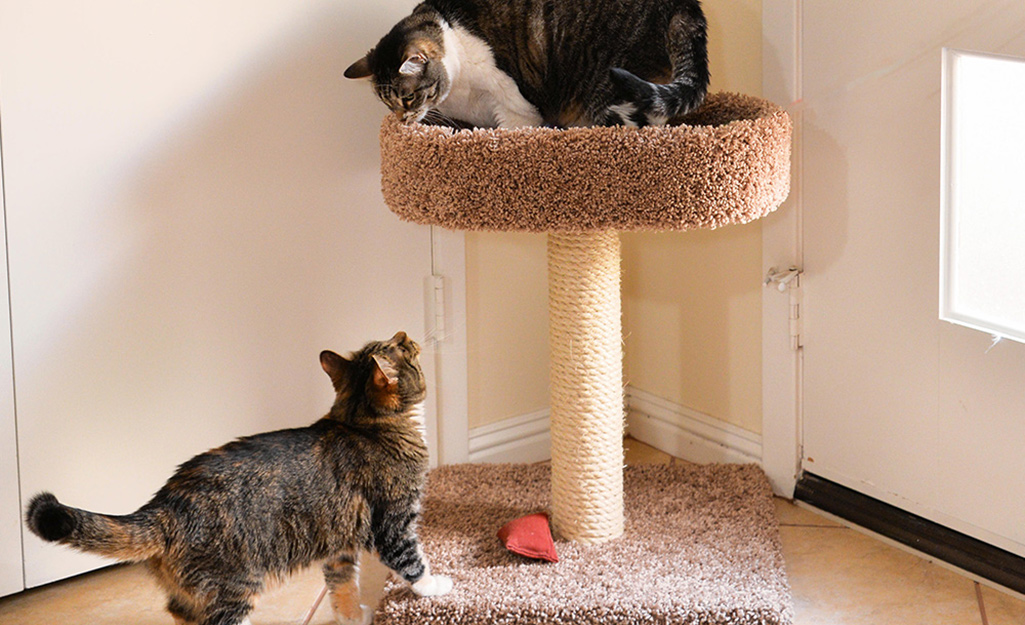
Choose one or two approved perches
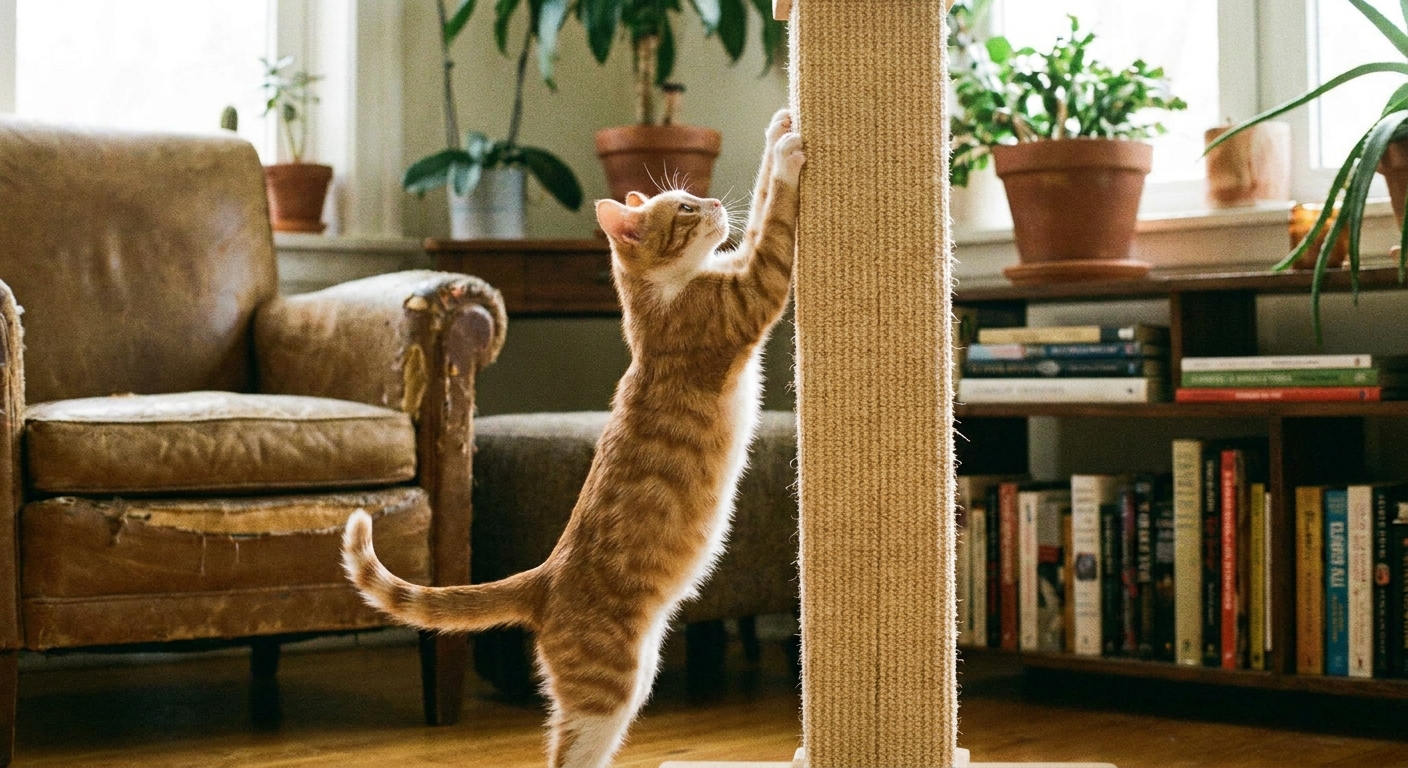
- A tall cat tree placed just outside the kitchen, or in a corner where they can see you.
- A window perch in the adjacent room.
- A sturdy bar stool with a towel only if you are supervising closely, the stool is stable, and your kitten is big enough to be safe jumping down. Many young kittens are better served by a low, sturdy perch.
Make the perch irresistible
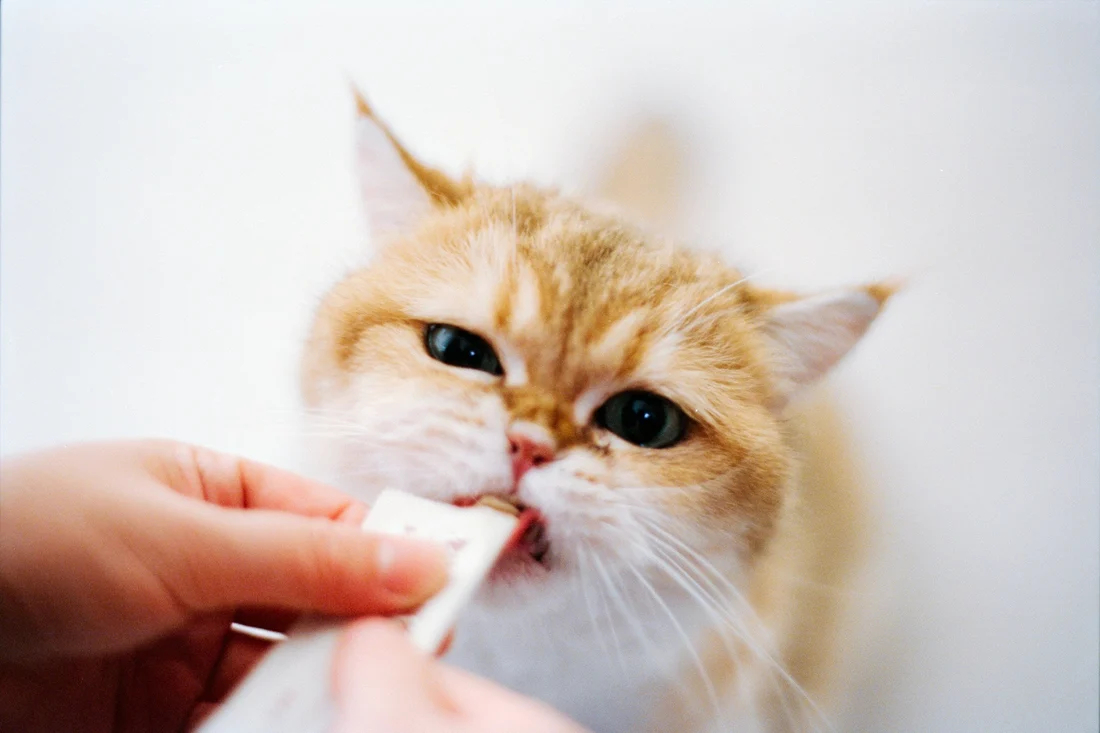
- Feed a few treats or part of a meal on the perch (only when they are on it).
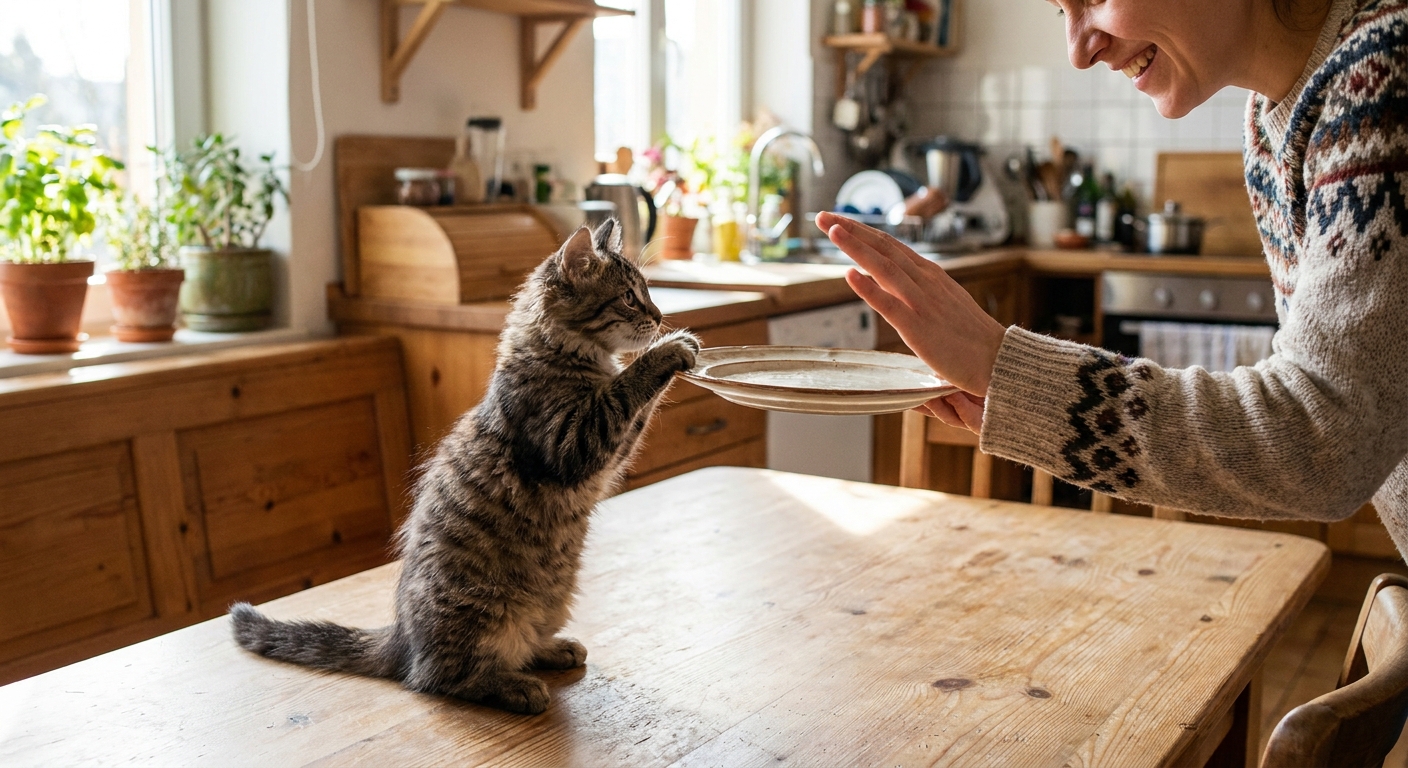
- Offer a lickable treat or wet food on a small plate to encourage lingering.
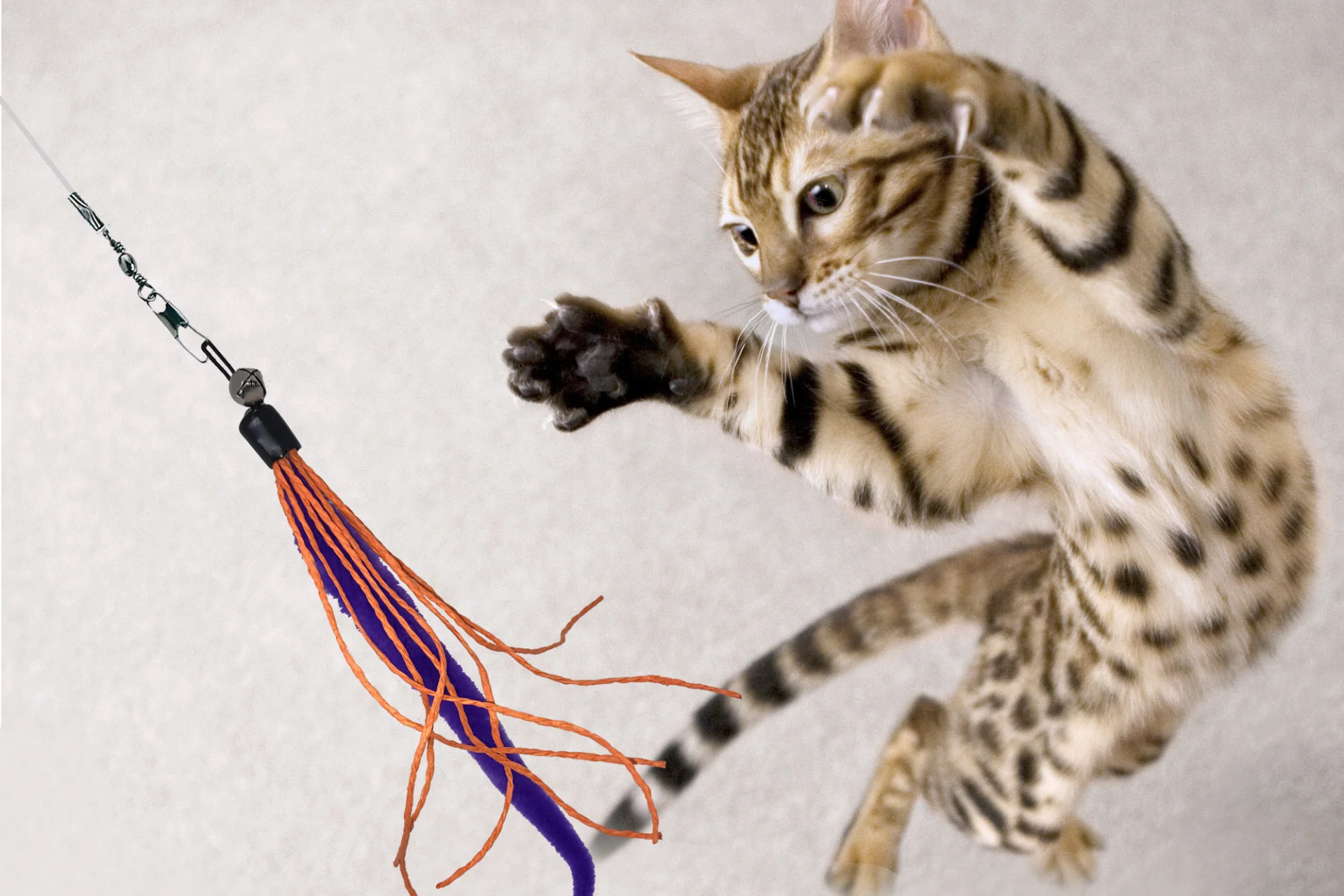
- Keep a special kitchen-only toy (like a wand toy) that appears when they choose the perch.
My foster rule: if the kitten is allowed to be near you, give them a job. “Sit on your perch and earn snacks” is a job kittens can understand.
Humane deterrents that can help
A deterrent should be unpleasant, predictable, and not harmful. It should not rely on you yelling, chasing, or startling. You want your kitten to decide, on their own, that counters are not worth it.
Texture deterrents
- Double-sided tape: place strips near the edges where paws land. Many cats dislike the sticky feeling.
- Upside-down carpet runner (nubby side up): cut to fit the counter when not in use. This is surprisingly effective for persistent jumpers.
- Aluminum foil: some kittens dislike the feel and sound, but plenty do not care. Consider it a “maybe.”
Motion deterrents (use with care)
Motion-activated air puff devices can help in some homes because they remove the human from the equation. That said, some kittens find them startling. If you choose one:
- Use it temporarily, not forever.
- Place it at the typical landing zone.
- Provide an approved perch nearby so your kitten has a clear alternative.
- Discontinue if your kitten shows fear or stress (hiding, refusing to enter the room, flattening ears, crouching, or increased anxiety).
Scent deterrents, used carefully
Many cats dislike citrus scents, but kittens can be sensitive. Avoid essential oils, which can be unsafe for cats in many forms. If you want to try scent, stick to something lower-risk like a small dish of citrus peels placed out of reach, and do not let your kitten lick or chew them. Discontinue if your kitten shows stress or GI upset.
What to skip
- Spray bottles: they teach your kitten that humans are unpredictable, not that counters are off-limits. They also tend to create sneaky behavior.
- Yelling or clapping: startle is not training. It can increase anxiety and attention-seeking.
- Physical corrections: never necessary, and they damage trust.
Redirection: what to do in the moment
When you catch your kitten on the counter, you have to make the right behavior easier than the wrong one, very quickly (within a second or two).
Step-by-step
- Stay boring: no yelling, no chase.
- Interrupt gently: call their name or make a soft kissy noise.
- Guide to the “yes” spot: lure with a treat or toy to the cat tree or perch.
- Reward instantly: the reward happens on the perch, not after a delay.
- Reset the counter: wipe crumbs and remove anything that paid them.
If you pick your kitten up, do it calmly and neutrally, then place them on their perch and reward. The reward is what makes the new habit stick.
Teach an easy cue: “Off”
“Off” is useful, but it needs to be trained when you are not frustrated.
- When your kitten is on a low, safe surface (like a footstool), say “Off”.
- Lure them down with a treat to the floor.
- As soon as all four paws hit the floor, say “Yes” and give the treat.
- Practice for 1 minute a day, then use it in the kitchen.
Build a kitchen routine
Kittens thrive on patterns. A predictable routine can reduce the urge to launch themselves onto the nearest surface.
Try this simple sequence
- Before cooking: 5 to 10 minutes of play (wand toy, chase, pounce).
- During cooking: kitten on the perch with a lickable treat, a small portion of their meal, or a puzzle feeder.
- After cooking: a small reward for staying on the perch while you plate food and wipe surfaces.
This works because you are meeting their needs proactively. A tired kitten with a full belly is usually much less interested in butter residue.
Common mistakes (and quick fixes)
Mistake: sometimes letting it slide
If your kitten is allowed on the counter when you are tired, they will keep trying. Pick a rule and stick to it. If some surfaces are allowed (like a breakfast bar) and others are not, make it visually obvious with a perch or mat on the allowed surface.
Mistake: only reacting when you catch them
If the counter is rewarding when you are not looking, your training will feel like it “isn’t working.” Use deterrent mats or temporary barriers so the rule exists even when you are in the shower.
Mistake: not enough vertical territory elsewhere
In many homes, the kitchen is the tallest, most central space. Add a cat tree, a wall shelf system, or a window perch nearby so your kitten does not have to choose between “be with you” and “follow the rules.”
Mistake: reinforcing with attention
Some kittens jump up because it reliably makes you stand up and engage. Try increasing attention at the right moments: praise and treats for being on the floor while you cook, or for choosing their perch on their own.
Food safety and hygiene
Even if your kitten is healthy, kitchens are full of hazards. A good training plan includes safety basics:
- Never leave hot pans unattended at the edge of the stove or counter.
- Keep onions, garlic, grapes, raisins, chocolate, alcohol, and dough out of reach.
- Put away knives promptly and avoid soaking sharp tools where paws can land.
- Cover cooling foods so the smell does not invite a jump.
- Sanitize surfaces: if your kitten has been on counters or tables, disinfect before food prep, especially before handling ready-to-eat foods.
When to consider a vet check
Most counter surfing is normal kitten behavior plus opportunity. Still, if the behavior suddenly ramps up, your kitten seems constantly hungry, starts gulping water, or acts restless even after play and meals, check in with your vet. Kittens also need enough calories for growth, so make sure meal portions and feeding frequency match their age and body condition.
How long does it take?
With consistent management plus a strong alternative perch, many households see improvement in a few weeks. The exact timeline varies based on age, how long the habit has been practiced, how rewarding the counter has been, and how consistent your household can be.
I tell new foster parents to watch for progress in this order:
- They hesitate before jumping.
- They choose the perch when you are cooking.
- They stop trying when the kitchen is quiet.
- Eventually, they forget the counter is even interesting.
Troubleshooting
My kitten only jumps up when I am eating
Move your kitten’s perch close enough that they can see you, then give a small scatter of kibble on the perch right as you sit down. If they leave the perch to approach the table, calmly return them and reward again. Consistency for a week often makes a big dent.
My kitten is obsessed with the sink
They may want water, cool surfaces, or just the fun of a deep basin. Try a cat water fountain in a nearby spot, keep the sink clean and dry, and place a deterrent mat in the sink when you are not using it.
I have two kittens and they hype each other up
Double the approved spaces. Two kittens often need two perches so they are not competing. Add more play before cooking and offer two puzzle feeders spaced apart.
My kitten seems anxious with deterrents
Back up and simplify. Use management (closed kitchen, gates) and focus on rewarding the perch. Not every kitten tolerates motion deterrents. Your plan should reduce stress, not add it.
FAQ
Is it okay to let my kitten on the table sometimes?
You can, but it will be harder to teach “never” if the rule is “sometimes.” If hygiene matters to you, choose a consistent no-table rule and provide an approved perch nearby so your kitten can still feel included.
Should I reward my kitten for getting off the counter?
Reward the behavior you want to see more often: four paws on the floor and choosing the perch. If you lure them off and then immediately reward on the floor, that is fine. Avoid accidentally turning it into a game where jumping up becomes the fastest way to get a treat.
Will my kitten grow out of it?
Some do, many do not. If counter surfing pays off often enough, it can become a long-term habit. Early training is much easier than undoing a teenage cat’s well-practiced routine.
What if my kitten jumps up when I am not home?
Use management. Keep counters clear, use deterrent mats when away, block kitchen access if needed, and make sure your kitten has vertical enrichment elsewhere.
A calm plan beats constant corrections
If you take one thing from this: your kitten is not being “bad,” they are being a kitten in a place that smells like snacks and offers the best view. Make counters unrewarding, set up an irresistible perch nearby, and reward the choices you want. You will protect your kitchen surfaces and your bond at the same time.
If Barnaby, my tuxedo foster fail, could learn to park himself on his tower while I make toast, your kitten can too.