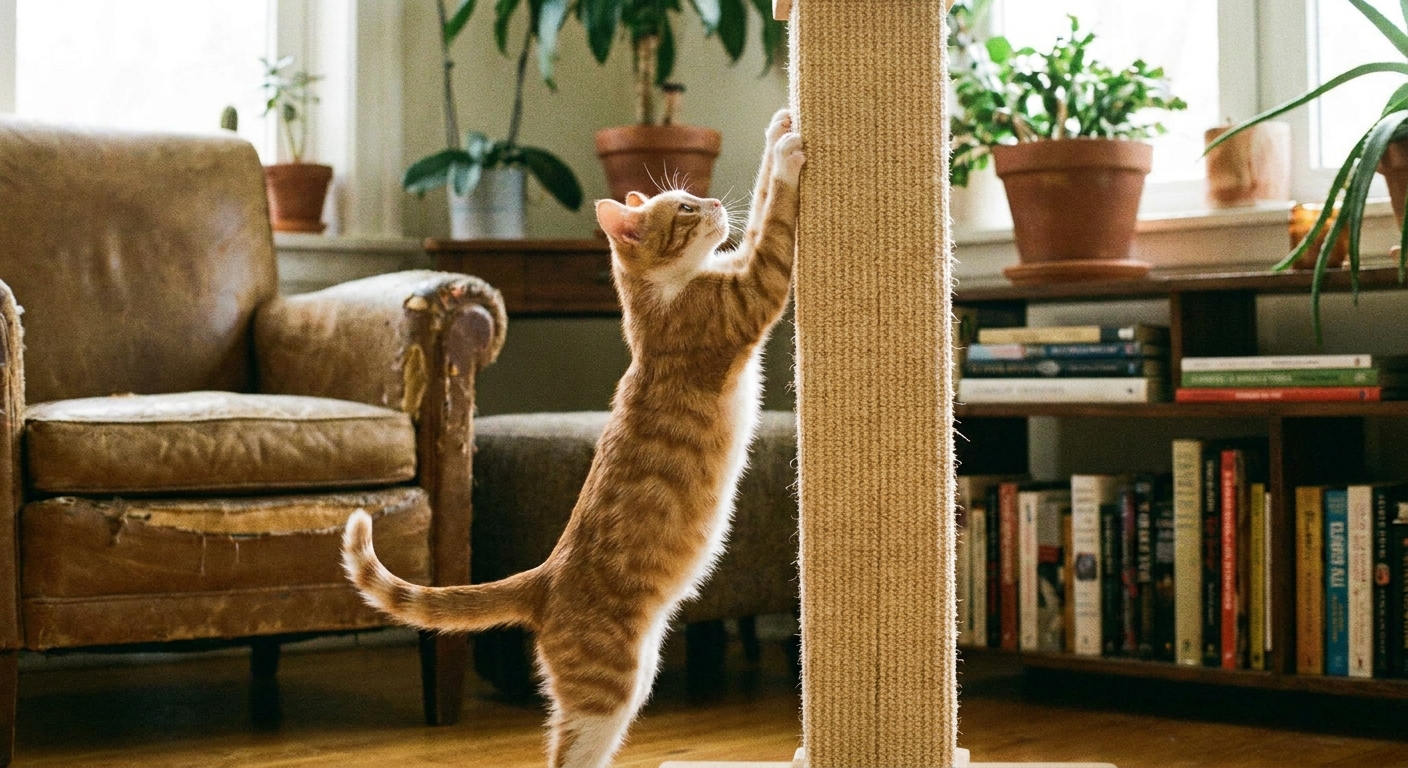
If your kitten has declared war on your couch, you are not failing. You have a kitten doing extremely normal kitten things.
Scratching is how cats stretch, maintain their claws, burn off energy, and leave both scent and visual marks that say, “I live here.” The goal is not to stop scratching. The goal is to move the scratching to a place you approve of, then make that option feel so good your kitten forgets the couch was ever a choice.
Why kittens scratch furniture (and why punishment backfires)
Most furniture scratching is about opportunity, not spite. A couch is tall, stable, and usually placed in the busiest part of the home. That makes it a prime target.
- It is a full-body stretch. Kittens love a vertical scratch that lets them extend their shoulders and back.
- It is familiar and “social.” They scratch where you hang out because your scent is there and the action feels rewarding.
- It is a self-reinforcing habit. The fabric catches, the claws rake, the sensation is satisfying. That loop is powerful.
Yelling, spraying water, or swatting may stop the scratching in the moment, but it often teaches one thing: humans are unpredictable. Many kittens simply scratch when you are not around, and punishment can add fear or stress without teaching the right alternative. Redirection is calmer, clearer, and kinder.
Start with the right scratching setup
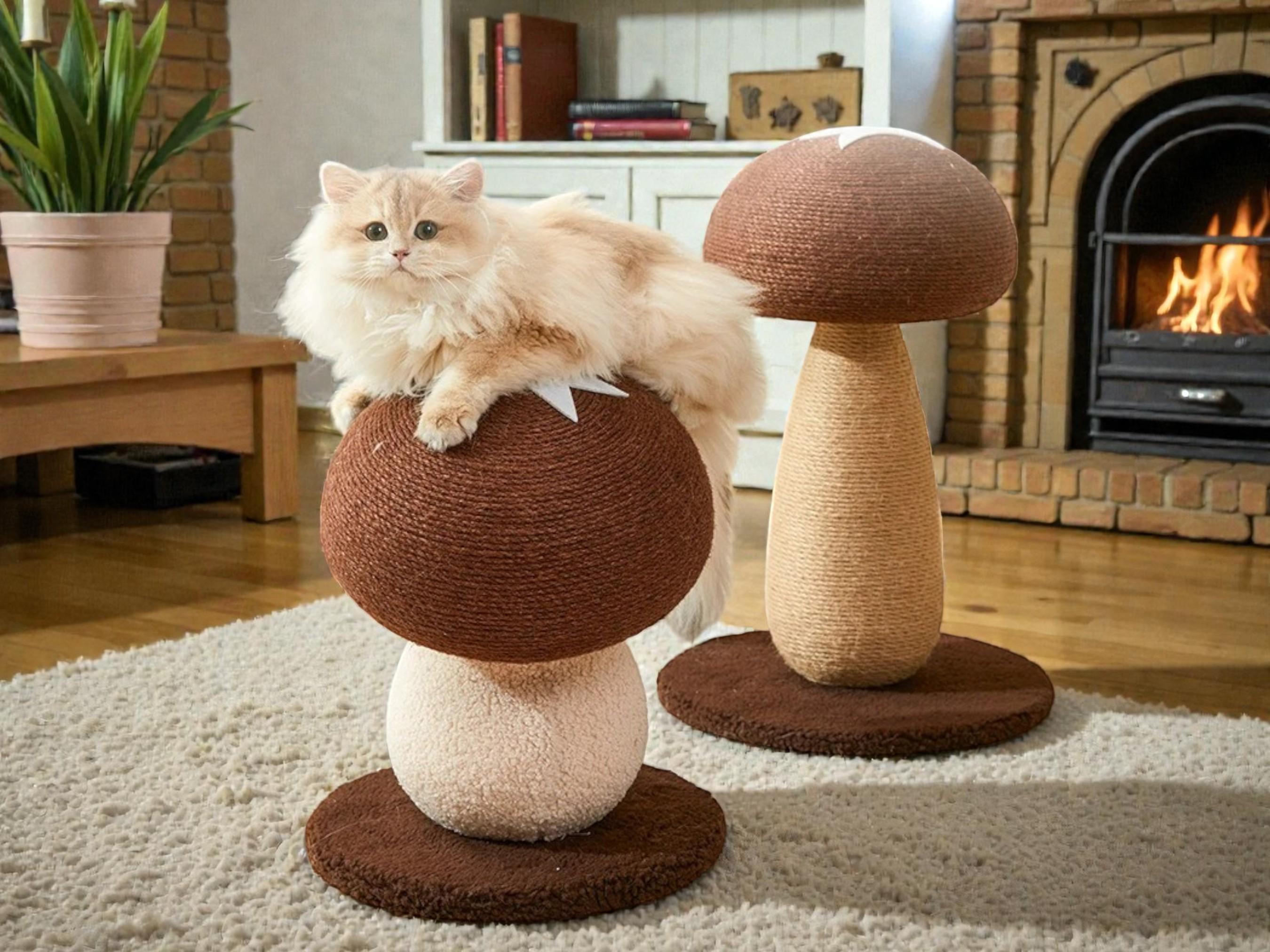
If your scratching post wobbles, is too short, or feels weird under paws, your kitten will vote for the couch every time. Before you “train,” set the environment up to win.
What most kittens prefer
- Stability: heavy base, no tipping. If it moves, it is out.
- Height: tall enough for a full stretch. As a rule of thumb, many kittens do well with a post around 28 to 32 inches or taller, but the real test is whether they can fully extend without running out of post.
- Texture: sisal rope or sisal fabric is usually the easiest “yes.” Some kittens also love corrugated cardboard.
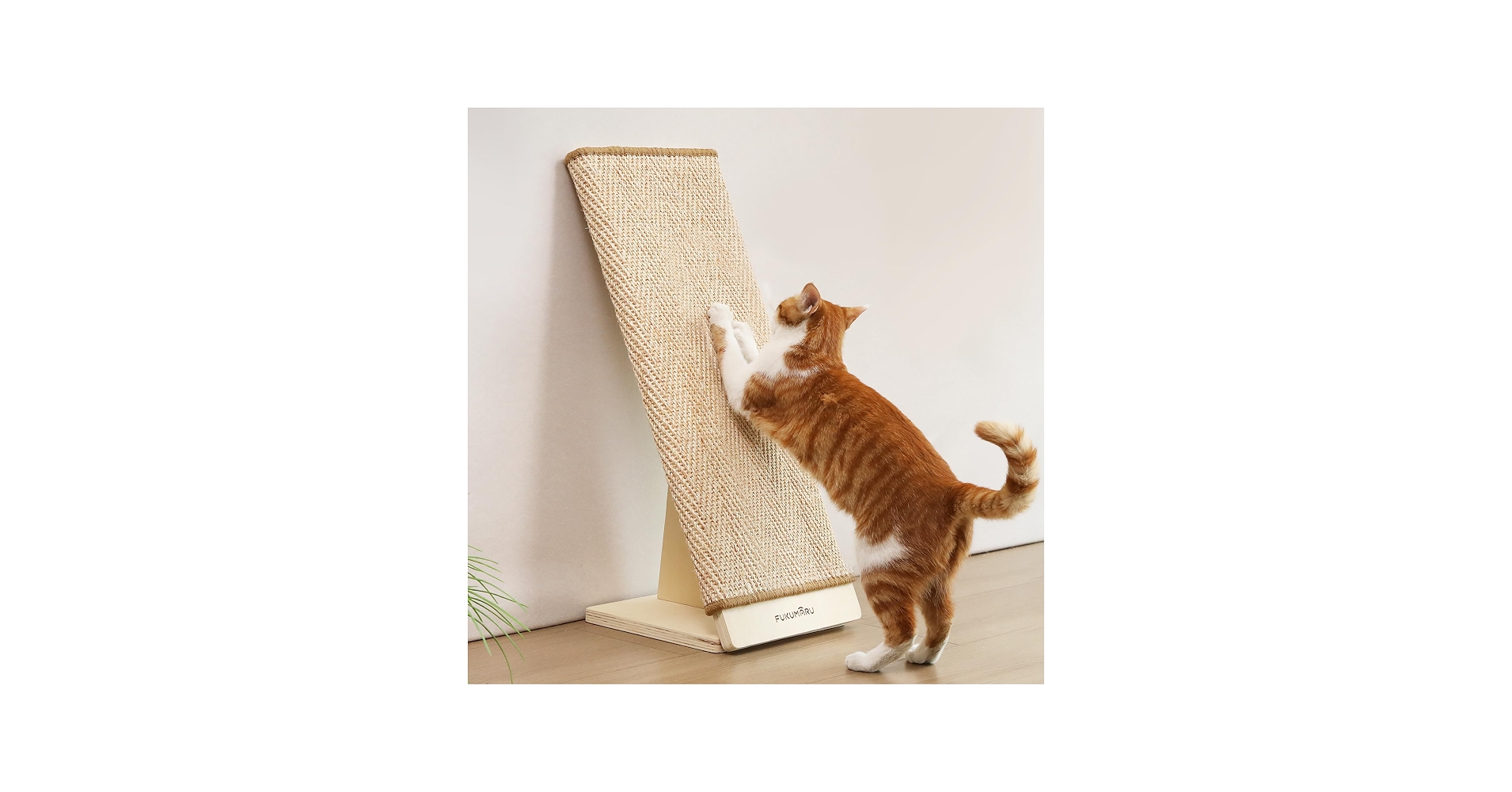
- More than one option: one vertical post plus one horizontal scratcher covers most preferences. Wall scratchers and cat trees count too.
Placement is the secret sauce
Put the scratching post where your kitten already scratches. This is not “giving in.” This is meeting the habit where it lives.
- Right next to the couch corner that is getting shredded
- Near sleeping spots because cats love a stretch-scratch after waking
- Along traffic paths like hallways or near the living room entrance
Once your kitten is reliably choosing the post (think: about 8 out of 10 scratches you see), you can slowly inch it to a more convenient spot over several days.
The redirection plan (step by step)
This is my foster-home routine. It is simple, repeatable, and it works best when everyone in the house does it the same way.
Step 1: Make the post “the best scratch in town”
- Rub catnip on the post (if your kitten responds). Many kittens do not react much until around 6 months old, and some take longer. If catnip does nothing yet, that is normal.
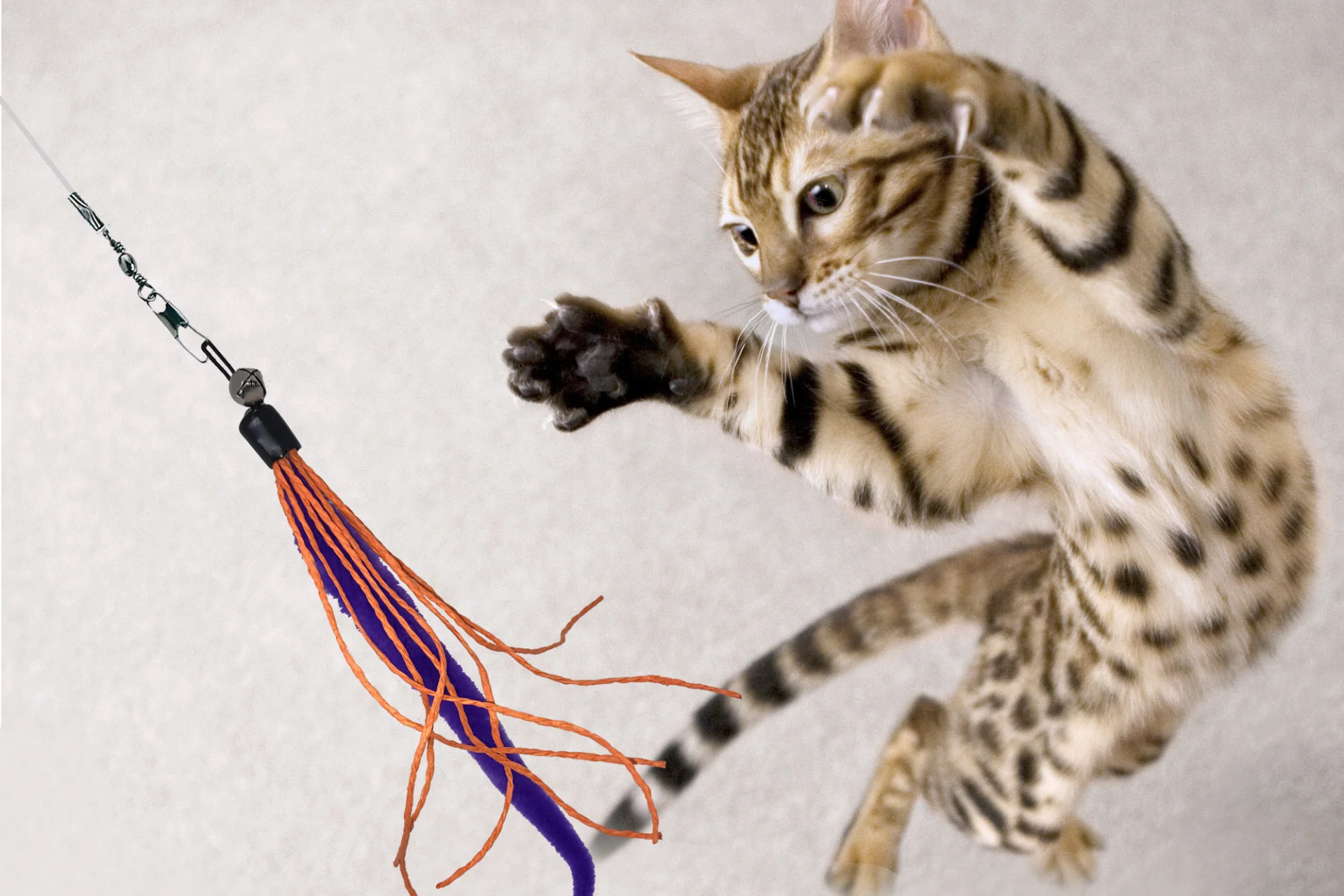
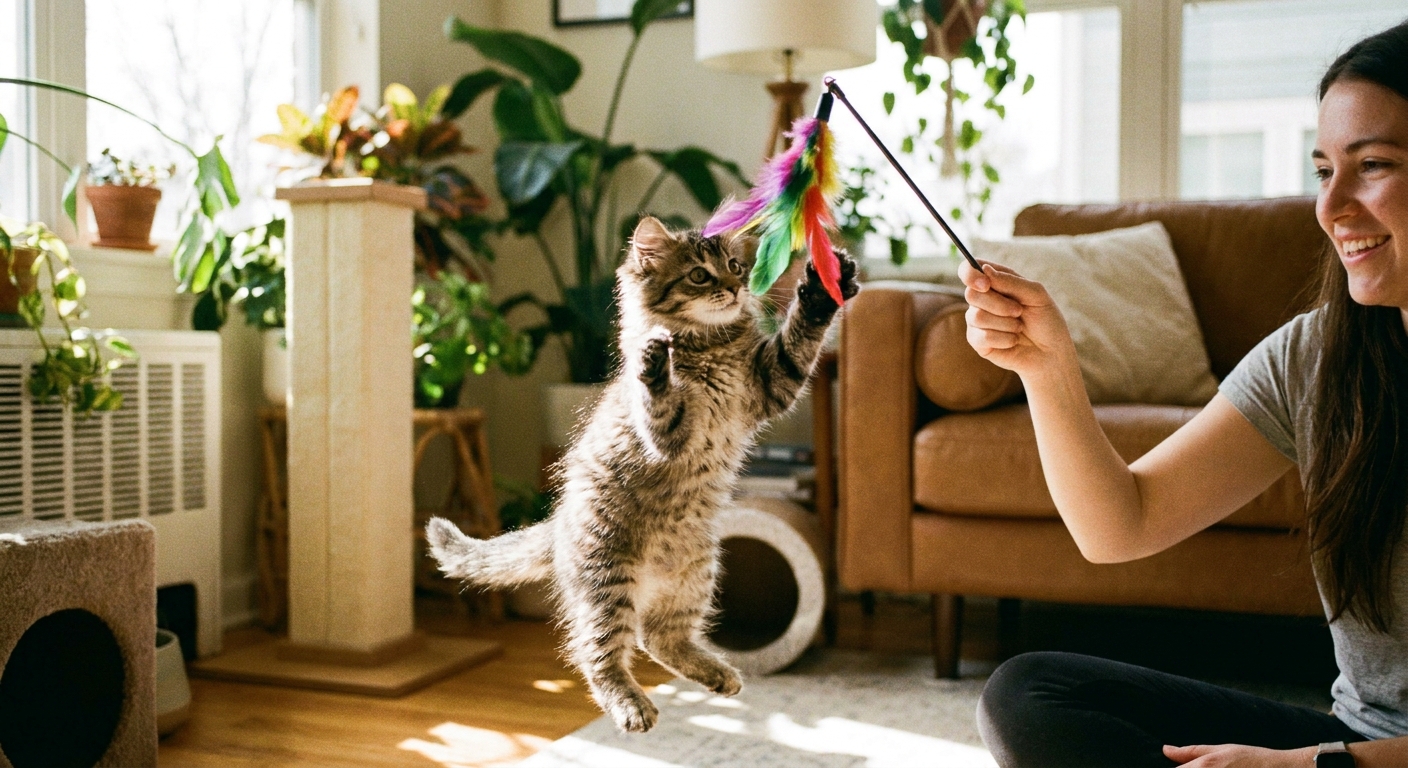
- Play near it using a wand toy so kitten energy naturally lands at the post.
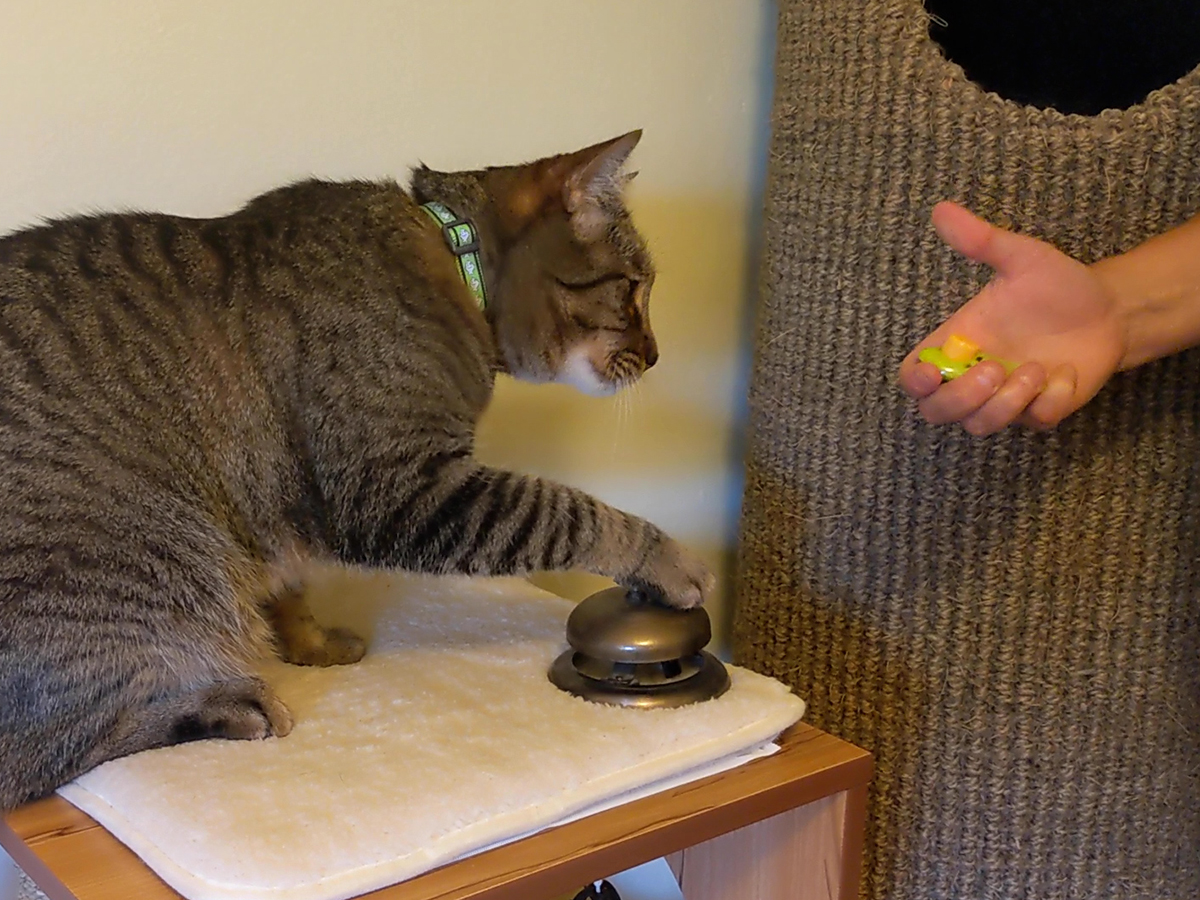
- Reward interest quickly with a treat, praise, or a quick play burst when paws touch the post.
Step 2: Interrupt furniture scratching calmly
When you catch your kitten scratching furniture, think “redirect,” not “react.”
- Make a gentle interrupting sound like a small clap or “oops.” Not yelling, just a pause button.
- Immediately guide them to the post by luring with a toy or treat. Avoid grabbing if you can. Picking them up can turn it into a game, or a struggle.
- The moment they scratch the post, reward. You are paying for the behavior you want.
Step 3: Protect the couch while the habit rewires
Training takes repetitions. In the meantime, remove the “payoff” of the couch.
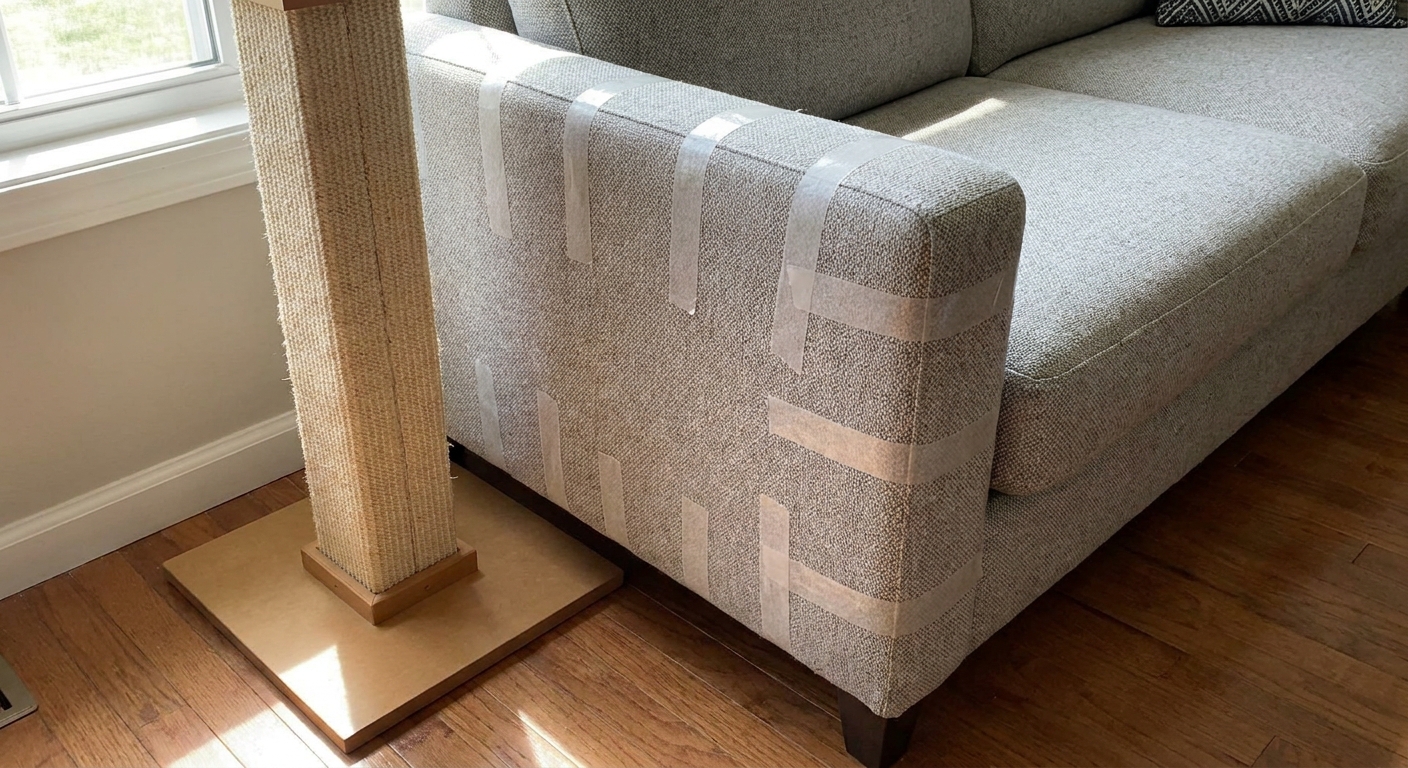
- Double-sided tape on the scratched area (most kittens hate the sticky feel). Test a small hidden spot first to make sure it will not damage your upholstery.
- A couch cover or throw that you do not mind getting snagged during training.
- Furniture scratch guards (clear plastic sheets) for persistent corners.
Important: keep the scratching post even closer to the protected area during this stage. You are not just blocking. You are offering the correct outlet.
Step 4: Practice predictable mini-sessions
I love short, boring consistency over long “training marathons.” Aim for:
- 2 to 4 mini-sessions per day
- 20 to 60 seconds each
- Play near the post, then reward any scratching on it
Most kittens learn fastest when they are a little energetic. After a nap is prime time for couch scratching, so that is a great time to proactively guide them to the post.
What not to do (even if you are desperate)
- Do not declaw. It is an amputation of the last bone in each toe and can cause lifelong pain and behavior issues. It is banned or restricted in some countries and in some U.S. states and cities for good reason.
- Do not use hands as toys. If you wrestle with your kitten, they learn that grabbing and raking is part of play, then they grab whatever moves, including your couch cover while you sit on it.
- Do not punish after the fact. If you find new scratches later, your kitten will not connect your reaction to what happened.
- Do not rely on deterrent sprays alone. They can help, but without an attractive alternative, your kitten just picks a new target.
Claw care that helps
Trim tips regularly
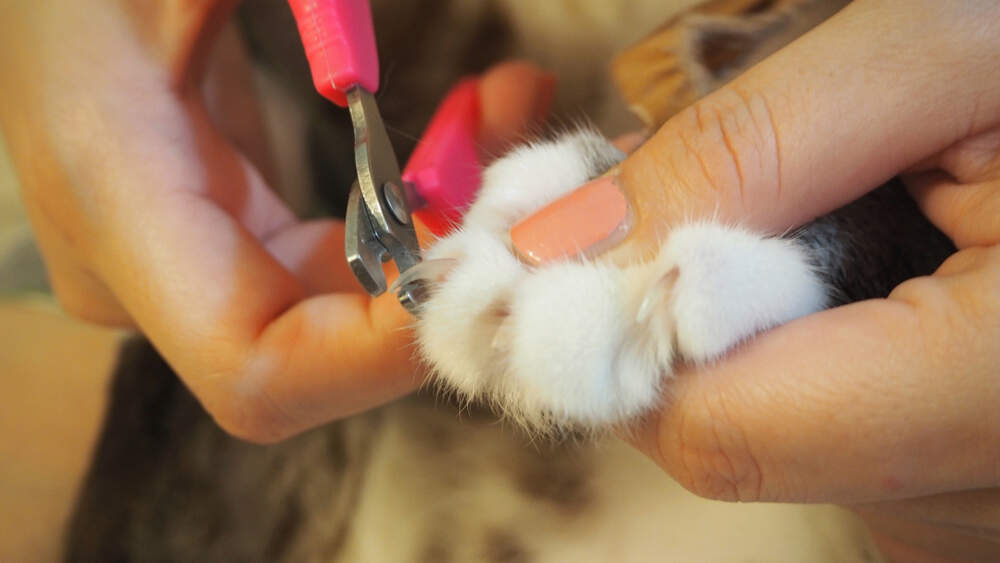
Keeping claws blunt reduces damage and helps your kitten learn better control. For many kittens, a trim about every 1 to 2 weeks is plenty, depending on how fast those tiny talons grow.
- Use cat nail trimmers, not human nail clippers if possible.
- Trim only the sharp tip. Avoid the pink quick.
- Pair trims with a treat. Tiny trims plus snacks beat wrestling matches.
Skip nail caps unless you need a bridge
Soft nail caps can protect furniture temporarily, but they are not a behavior solution by themselves. If you use them, follow the product directions closely, choose the right size, and monitor for irritation. Recheck often to make sure a cap has not loosened, since loose caps can be chewed or swallowed. Either way, still do the redirection work and keep scratching options plentiful.
Troubleshooting
The post is too short or wobbly
This is the most common issue I see in foster homes. Upgrade to a taller, heavier post or place the post so it is braced against a wall and cannot sway.
Wrong texture
Offer one sisal option and one cardboard option. Some kittens strongly prefer one surface type. If your kitten keeps choosing the couch arm, try a vertical scratcher. If they love rugs, add a sturdy horizontal scratcher or cardboard lounge.
Bad location
If the post is tucked in a quiet corner, it is easy to ignore. Move it next to the scratched furniture or a favorite hangout spot for at least 1 to 2 weeks.
Your kitten is under-stimulated
A bored kitten makes their own fun, and furniture is right there. Try:
- Two 10 minute play sessions daily using a wand toy
- Food puzzles or scatter feeding for mental work
- A window perch for safe “cat TV”
Multi-cat homes need more scratch stations
As a rule of thumb, aim for at least one scratching station per cat, plus one extra, spread across your home. Cats do not always want to share the best scratching real estate.
When to get extra help
If scratching suddenly ramps up, looks frantic or compulsive, or comes with other changes (hiding, appetite shifts, litter box changes, new aggression), check in with your veterinarian. Pain, stress, and household changes can all show up as destructive behavior. If you are stuck, a credentialed cat behavior professional can help you tailor the setup and plan to your home.
My quick “save the couch” shopping list
You do not need fancy. You need sturdy and strategic.
- 1 tall, stable sisal post (the main station by the couch)
- 1 cardboard scratcher or lounge (near sleeping area or hallway)
- Double-sided tape or scratch guards (temporary furniture protection)
- Wand toy (to pull energy toward the post)
- Treats (tiny rewards, big results)
FAQ
How long does it take to stop a kitten from scratching furniture?
With the right post and placement, many kittens show improvement within a week. Building a solid habit usually takes 2 to 4 weeks of consistent redirection. If your kitten has been practicing on the couch for months, expect a longer runway. You are undoing a very satisfying routine.
Should I move my kitten’s paws on the scratching post?
I usually do not. Some kittens tolerate it, but many find it annoying and will avoid the post. Lure with a toy, reward any contact, and let your kitten choose the motion.
Does catnip help kittens use scratching posts?
Sometimes. Many kittens do not respond strongly until around 6 months old, and some never care about it. If catnip is a dud, try silvervine or just use play and treats as the “magnet” instead.
What if my kitten scratches the couch while making eye contact?
It can feel personal, but it is usually attention plus habit. Calmly interrupt, redirect to the post, then reward. Also make sure your kitten is getting enough play, because attention-seeking scratching often spikes when they have extra energy.
Can I train scratching without treats?
Yes, but it is slower. You can reward with praise, petting if your kitten enjoys it, or a quick play burst. Treats are just the easiest way to be clear and consistent, especially for first-time kitten parents.
A final reassurance from my foster room
I have raised kittens who could shred a dining chair in the time it took me to refill a water bowl. The fix was never “be stricter.” It was always the same calm combo: better scratch options, better placement, and lots of tiny rewards.
If you want the simplest starting point: put a tall sturdy post directly beside the couch corner, add double-sided tape to the couch for a week (after testing it on a hidden spot), and reward every single scratch on the post like your kitten just won an Olympic medal. Consistency beats intensity, every time.