If you have ever wished your kitten came when you called, hopped onto a scale without a wrestling match, or stopped treating your ankles like a moving toy, clicker training is your new best friend. It is not about turning kittens into tiny circus performers. It is about clear communication, confidence-building, and giving all that kitten brain power a job.
I started clicker training in foster care because it made the chaotic weeks of kittenhood feel a little more predictable. It also helped shy kittens blossom and busy kittens focus. The best part is that it is inexpensive, gentle, and easy to learn even if you are running on new-kitten sleep.
What clicker training is
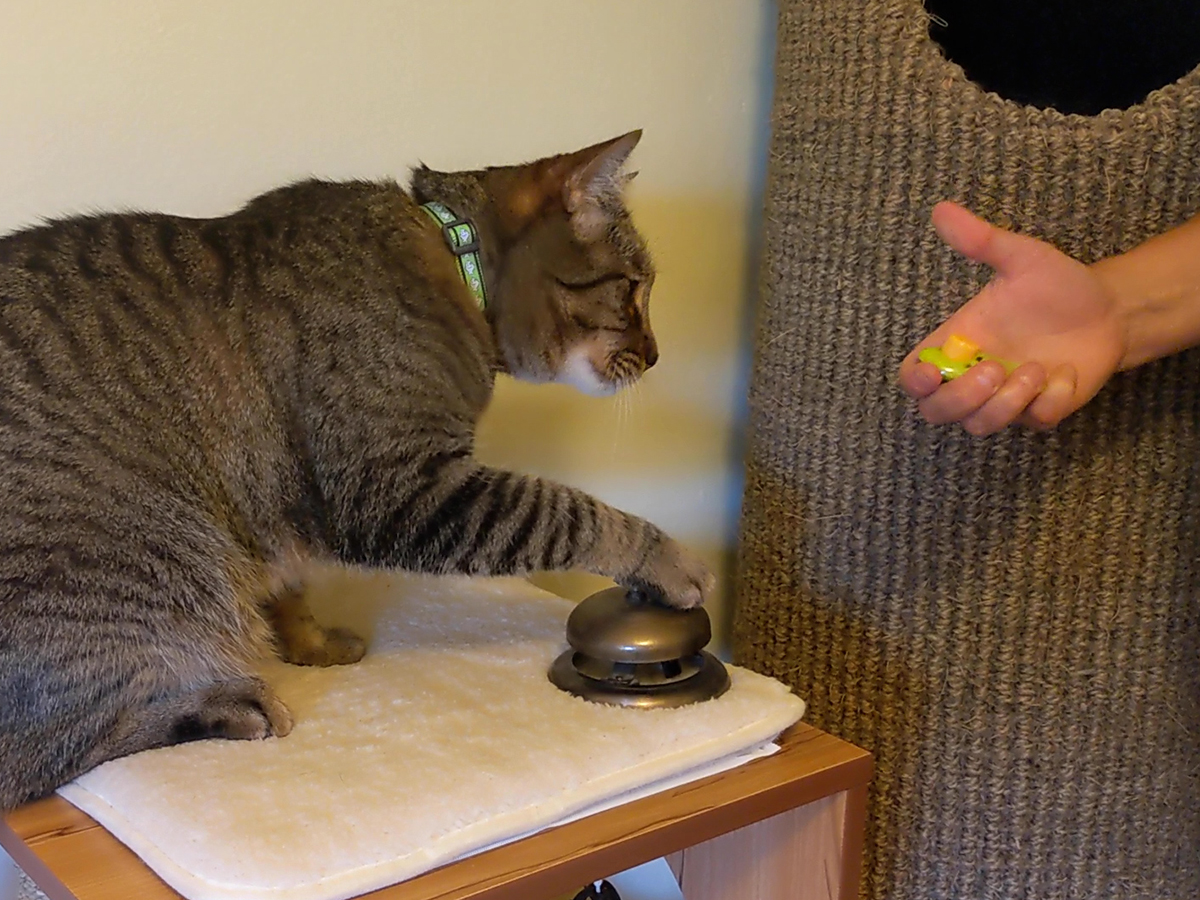
Clicker training is a type of positive reinforcement training. The click marks the exact moment your kitten does something you like. Then you follow the click with a reward, usually a tiny treat.
The click is not a command. It is more like telling your kitten, “Yes, that right there.” Because the sound is consistent, it is often clearer than trying to praise at the perfect millisecond.
Why it works for kittens
- Kittens learn fast and love short games.
- It builds confidence in timid kittens because they control the outcome.
- It creates a shared language, which can help reduce frustration-related nipping by reinforcing calmer, compatible behaviors.
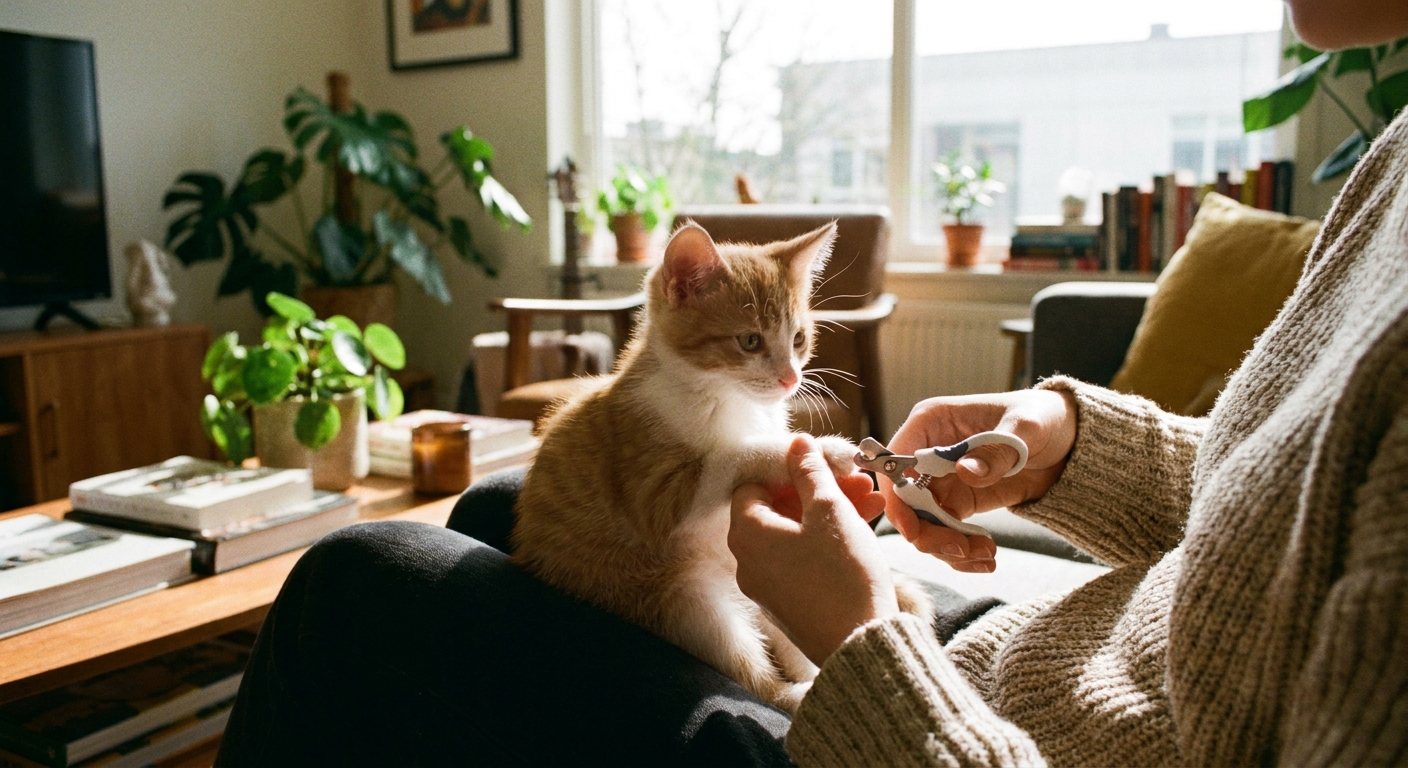
- It makes handling easier for nail trims, carriers, vet visits, and medication practice.
What you need
You do not need a lot of gear. You do need the right rewards and good timing.
Supplies
- A clicker (any basic pet training clicker is fine) or a clicky pen. If your kitten startles easily, choose a softer clicker or muffle it in your pocket at first.
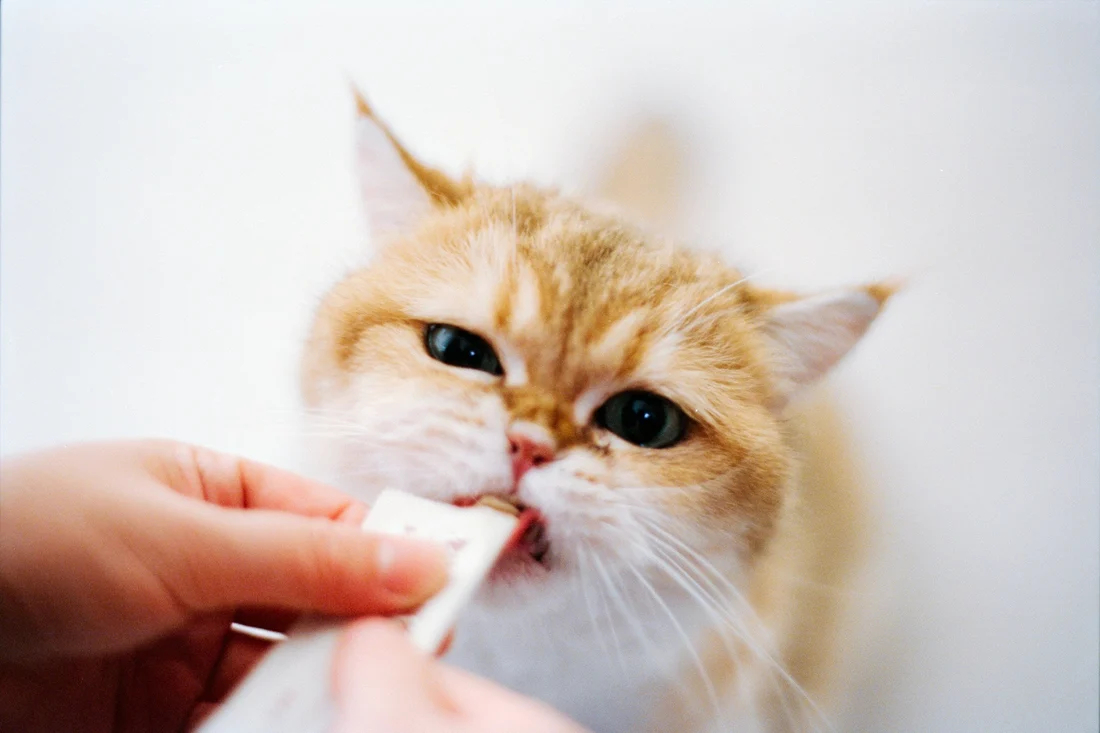
- Treats that are tiny, soft, and high value. Think pea-sized or smaller. My foster go-tos are freeze-dried chicken (crumbled) or a lickable puree squeezed onto a spoon.
- A target stick (optional but helpful). You can buy one or use a chopstick or the end of a wooden spoon.
- A treat pouch (optional) so you are not fumbling mid-session.
Before you start
Pick the right time
A slightly hungry kitten often learns faster than a full, sleepy one. I like training before a meal or using part of a meal as rewards. If your kitten gets frantic when hungry, shorten the session, use lower-value food (like kibble), or train after a small snack instead.
Keep sessions short
Think 1 to 3 minutes, a few times a day. End while your kitten is still excited. If you push too long, you will see distraction, frustration, or the classic flop-and-bite (overstimulated play-bite).
Choose a low-distraction spot
Start in a quiet room. Turn off loud TV. Put other pets behind a gate if needed. We can add distractions later as a “level up.”
One rule that prevents most problems
Click then treat, every single time. Once the click means “reward is coming,” you never want a click that leads to nothing. If you click by accident, just treat and move on.
Step 1: Charge the clicker
This is the first mini-lesson. You are teaching: click equals treat.
- Have 10 to 15 tiny treats ready.
- Click, then immediately treat.
- Repeat until your kitten starts looking for the treat as soon as they hear the click.
Many kittens get this within one session. Shy kittens may need a few short sessions. If your kitten is startled by the click, muffle it in your pocket and gradually make it louder over a few days.
Foundation skill: touch
If I could teach only one thing first, it would be target training. It is the easiest way to steer your kitten without pushing or grabbing, and it turns into come, sit, carrier training, and even nail trim positioning.
How to teach “touch”
- Hold the target stick a few inches from your kitten’s nose.
- The moment they sniff or boop it, click.
- Immediately give a treat.
- Repeat 5 to 10 times.
Add a cue word
Once your kitten is reliably booping the target, say “touch” right before you present the stick. Click and treat for contact.
Level it up
- Move the target slightly left or right so your kitten takes one step to reach it.
- Gradually increase distance across the room.
- Practice on new surfaces like a couch cushion or cat tree step.
Kitten-safe tip: Keep the target away from eyes and whiskers. We want a gentle nose touch, not a poke.
Teach “come”
“Come” is easier if you build it from target training. Your goal is a kitten who happily runs toward you because it pays off.
Step-by-step
- Start a few feet away in a quiet room.
- Say your kitten’s name once, then say “come” in a cheerful voice.
- Present the target stick near your legs or point to a spot right in front of you.
- When your kitten reaches you, click the instant they arrive.
- Reward with a treat at your feet, then a second treat after a second of calm. This helps prevent drive-by grabs.
Make it real life
- Call your kitten for good things: meals, play, cuddles, treats.
- Do not call to punish or immediately do something they hate. If you need to trim nails or give medicine, call them, reward, then do a quick treat sandwich before and after.
- Practice from different rooms, not just the same spot.
If your kitten only comes when you have treats visible, hide treats in jars around the house or keep a few in your pocket so “come” still gets rewarded.
Teach “sit”
Some kittens sit naturally. Some prefer standing, crouching, or flopping dramatically. We can still teach a reliable sit using a lure paired with the clicker, then fading the lure so the cue does the work.
Step-by-step sit
- Hold a treat right at your kitten’s nose.
- Slowly move the treat up and slightly back over their head.
- As their head tilts up, their bottom often drops into a sit.
- Click the moment the bottom touches the floor.
- Give the treat.
Add the cue
Once you can predict the sit, say “sit” right before you make the lure motion. Click and treat when they sit.
Fade the lure
After a few good sessions, do the same hand motion with an empty hand. Click and treat from the other hand or your pouch. Over time, make the hand motion smaller so “sit” becomes the main cue, not the treat in your fingers.
Common sit problems and fixes
- Jumping for the treat: lower your hand, slow down, and practice after a short play session when energy is slightly lower.
- Backing up instead of sitting: try near a wall or couch so there is nowhere to back up.
- Instant flop: click for a quick sit, treat, then reset. Some kittens need a few sessions before they offer a neat sit.
Shaping: tiny steps count
For goals like getting on a scale, going into a carrier, or practicing a pill or syringe routine, think “reward tiny approximations.” You are not asking for the final behavior on day one.
- Scale example: click for looking at the scale, then one paw on, then two paws, then standing on it for one second, then longer.
- Medication practice example: click for calmly sitting in your lap, then for letting you touch the cheek, then for a gentle lip lift, then for accepting a lick of puree after each step.
Small wins add up fast, and they keep trust intact.
Fade treats
You do not need to give a treat forever for every behavior. You do need to pay well while your kitten is learning.
A simple reward plan
- Learning stage: treat every click.
- Building reliability: treat most times, but occasionally reward with play, petting, or a jackpot of 3 to 5 treats for an especially good response.
- Maintenance: treat randomly, like a slot machine, and still use praise or a quick toy toss as a reward.
I still treat adult cats sometimes for coming when called. If you want that behavior in an emergency, it needs to stay valuable.
Training games
1) Find me
Two people in two rooms take turns calling the kitten and rewarding. Great for building “come” fast.
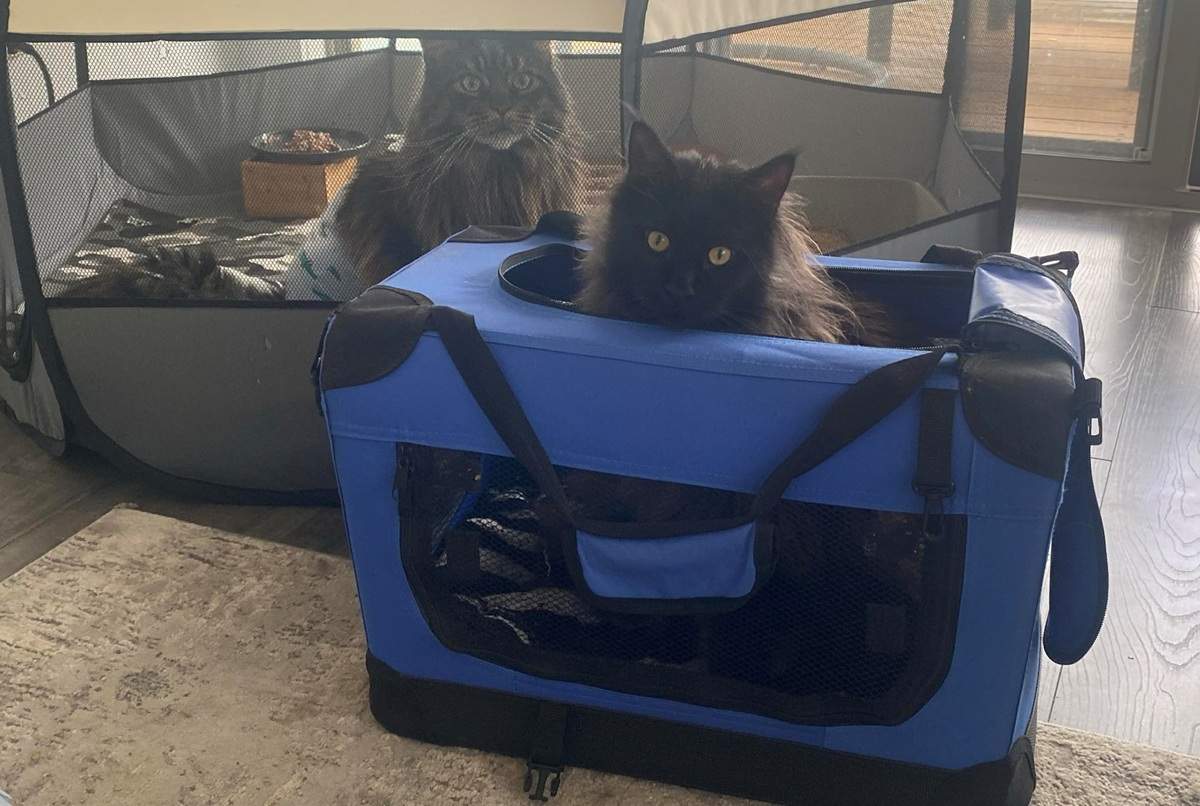
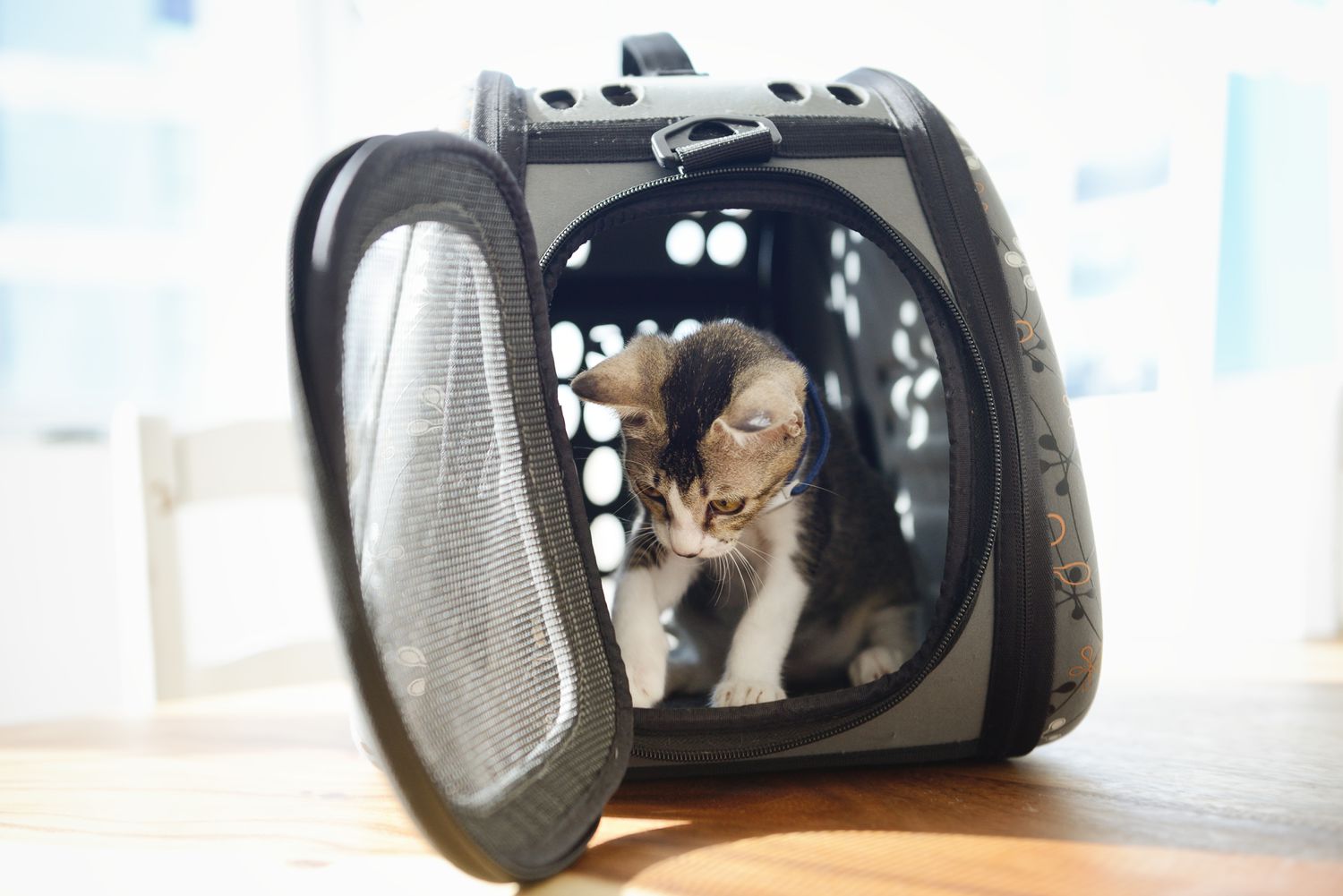
2) Target to carrier
Click and treat for touching the target near the carrier. Then for stepping into the carrier. Then for sitting calmly inside. This turns the carrier into a snack machine instead of a panic box.
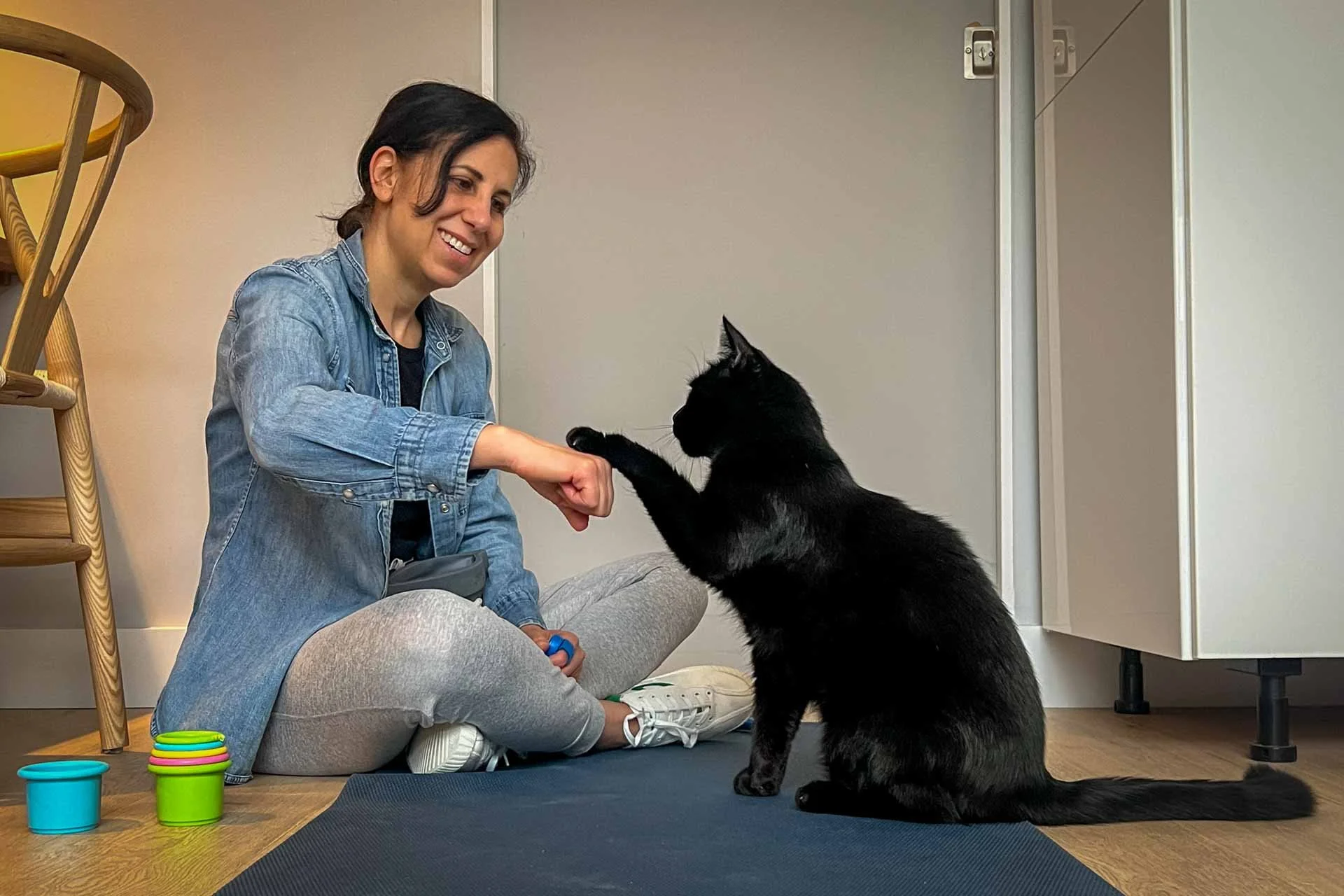
3) Paw on the mat
Put a small towel or mat on the floor. Click and treat for looking at it, then stepping on it, then standing with all four paws on it. This becomes a wonderful “station” behavior for calm moments.
Health and food safety
Clicker training is easiest when your kitten feels good and the rewards agree with them.
- Use cat-safe treats and keep them plain. Avoid anything seasoned with onion or garlic, and skip salty deli meats.
- Go tiny to prevent upset stomachs. If stools get soft, cut back and switch to a gentler treat.
- Count calories if you are doing multiple sessions. Using part of your kitten’s regular meal as rewards can help.
- Fresh water always, especially if you use dry treats.
Safety and boundaries
Clicker training should feel safe and upbeat. A few guardrails keep it that way.
- No hands as toys. If your kitten grabs fingers during training, switch to treat delivery on the floor or from a spoon.
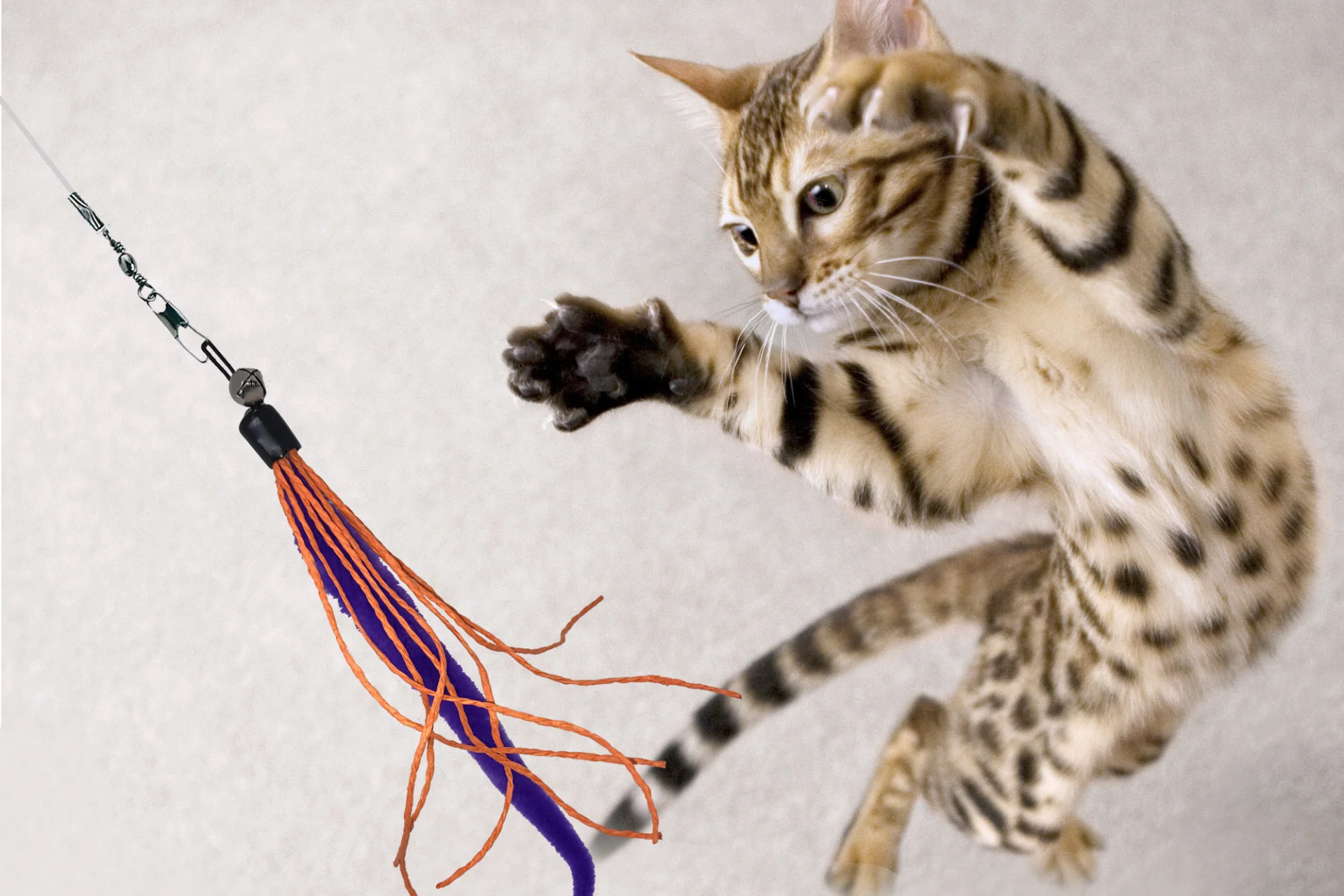
- Avoid laser pointers as a primary reward. Many kittens get frustrated without a “catch.” Use a wand toy or tossed soft toy instead.
- Watch for overstimulation. Tail flicking, sudden biting, or frantic zooming can mean your kitten is done. End the session, offer a kicker toy, and try later.
- Go easy on impact. Avoid repeated vertical jumping on cue or lots of forced repetitions. Normal play jumping is typically fine for healthy kittens, but training should stay low and gentle.
When to pause
Do not train through stress or sickness. Take a break and focus on comfort first.
- If your kitten is not eating normally, seems painful, or suddenly hides more than usual, skip training and talk to your vet.
- If your kitten is extremely fearful or reactive, scale back to easier steps and consider working with a qualified positive-reinforcement trainer.
Troubleshooting
“My kitten is scared of the clicker.”
Muffle the click in your pocket or under a towel for a few sessions, then slowly increase volume. You can also use a softer clicker or a mouth click sound. The rule stays the same: click then treat.
“My kitten bites for treats.”
Use smaller treats and deliver them on the floor between your kitten’s paws. You can also use lickable puree on a spoon to slow them down. If biting starts, pause, stand up, and end the session calmly. Resume later with easier steps.
“My kitten only listens when they see treats.”
Hide treats in pockets, a pouch, or small containers around your home so rewards can appear “magically.” Also practice giving the cue first, then reaching for the treat after the behavior.
“We were doing great, then my kitten forgot everything.”
That is normal. Growth spurts, new environments, and distractions can make skills wobble. Go back one step, reward heavily for a day or two, and rebuild.
7-day beginner plan
If you love having a checklist, here is a gentle first week. Repeat days as needed. Some kittens speed through, others need more time.
| Day | Focus | Goal |
|---|---|---|
| 1 | Charge the clicker | Click equals treat |
| 2 | Target touch | Nose boop to target stick |
| 3 | Touch with cue | Respond to “touch” |
| 4 | Come (short distance) | Run to you in same room |
| 5 | Come (different rooms) | Find you with mild distractions |
| 6 | Sit with lure | Bottom hits floor, click timing |
| 7 | Mix and play | Short sessions, big rewards, end happy |
FAQ
What age can you start clicker training a kitten?
Most kittens can start as soon as they are comfortable in your home and willing to take treats, often around 8 to 12 weeks. For very young or timid kittens, start with ultra-short sessions and high-value rewards.
Do I have to use a clicker?
No. A consistent marker sound works too, like a mouth click or a short word such as “yes.” Clickers are popular because they sound the same every time, which helps with timing.
How many treats is too many?
Use tiny pieces and keep training treats within your kitten’s daily calories. If you are doing multiple sessions, consider using part of their regular kibble or meal as rewards, plus a few higher-value treats for harder tasks.
Can clicker training help with biting and rough play?
It can help by giving your kitten a structured way to earn attention and rewards, and by reinforcing gentle behaviors you want more of. Pair training with appropriate play (wand toys, kicker toys), plenty of naps, and redirecting bites to toys instead of hands.
My favorite mindset
Think of this as building a little communication bridge with your kitten. You are not looking for perfection. You are looking for progress, calm repetition, and lots of tiny wins.
In my foster room, the kittens who trained for a week were usually the same kittens who handled new sounds, new people, and the carrier with much less drama. That confidence is the real trick.
If you want to keep going after sit, come, and touch, the next fun steps are “high five,” “spin,” and mat training for calm. Your kitten will absolutely have opinions about which one is worth working for, and that is half the fun.