If your kitten turns into a tiny piranha the second you wiggle your fingers, you are not failing. You are raising a normal kitten with sharp little tools and a big opinion about how play should go. That said, repeated hard bites and scratches are not something you have to just live with. They are common, and they are very teachable.
The goal is not to stop play. It is to teach rules of play: toys are for biting, skin is not. And we can do that without scolding, scruffing, or spray bottles. Below is the same approach I use with foster litters, including my own tuxedo “foster fail,” Barnaby, who thought ankles were a food group.
Why kittens bite and scratch during play
Play aggression is usually not “aggression” at all. It is practice. Kittens are hardwired to stalk, pounce, bite, bunny-kick, and grapple. In a litter, they learn manners because another kitten yelps and stops playing when things get too rough.
Common reasons it shows up in homes:
- Hands accidentally became the toy. Wrestling with fingers teaches “skin is fair game.”
- Overstimulation. Kittens can go from delighted to wild in seconds, especially with fast movements.
- Not enough appropriate outlets. A bored kitten will invent a job, like hunting your feet.
- Solo kittens miss feedback. Some kittens raised without a kitten playmate do not get as many chances to learn bite inhibition the way littermates teach each other.
- Teething and growth spurts. Mouthy phases are common as adult teeth come in.
The good news: because it is learned behavior, it is also very teachable.
First rule: never use your hands as the toy
If you remember only one thing, make it this: hands deliver food, pets, and toys. Hands do not wrestle.
Even “gentle” finger play tends to escalate as kittens get faster and stronger. What was cute at 10 weeks is painful at 6 months.
Switch your play style
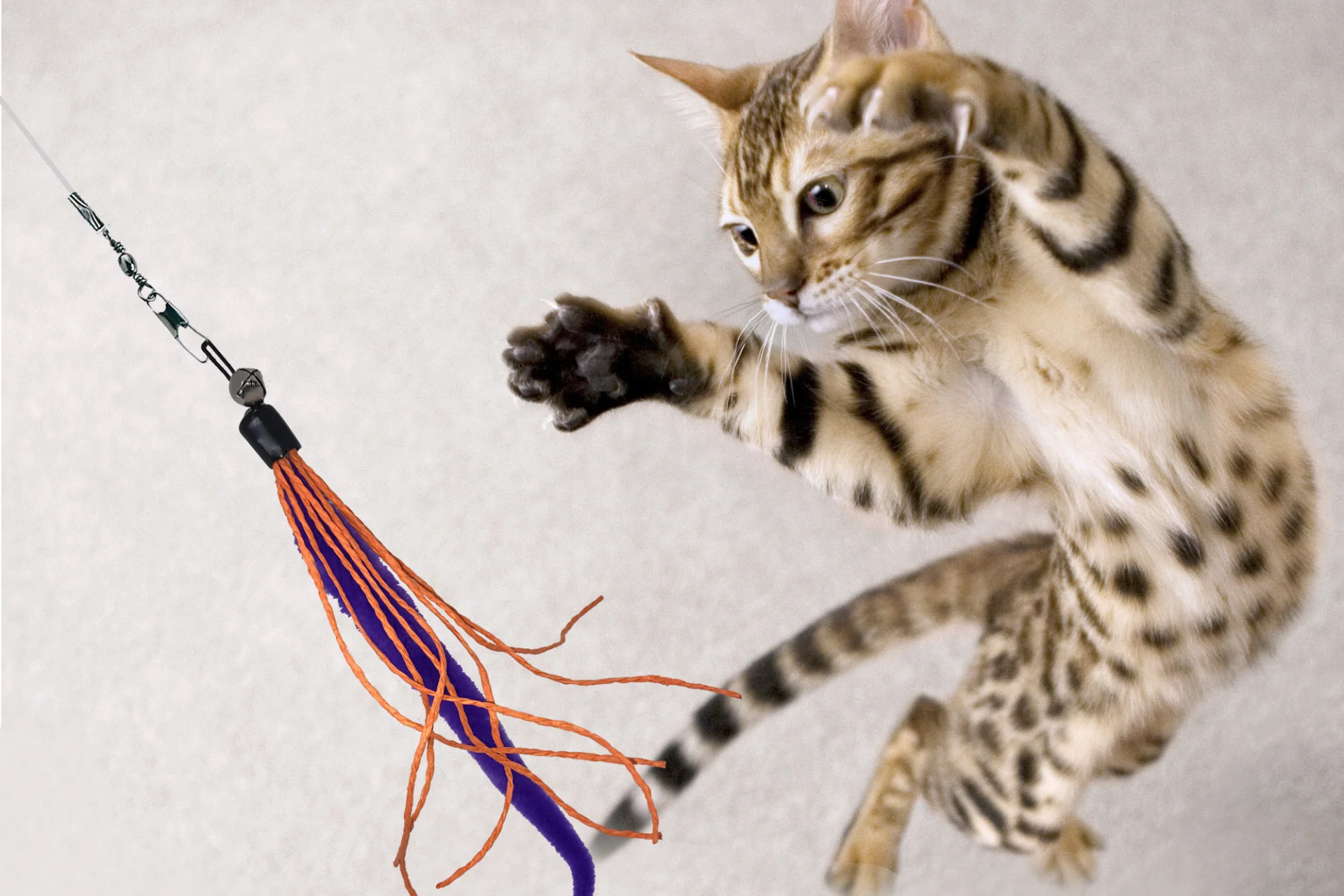
- Use wand toys to keep distance while still playing intensely.
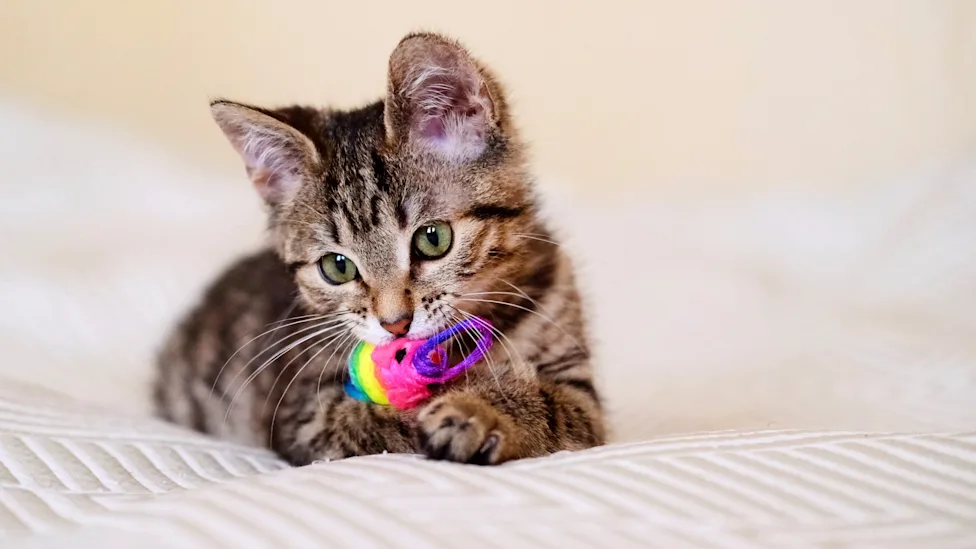
- Use toss toys (mice, crinkle balls) for chasing.
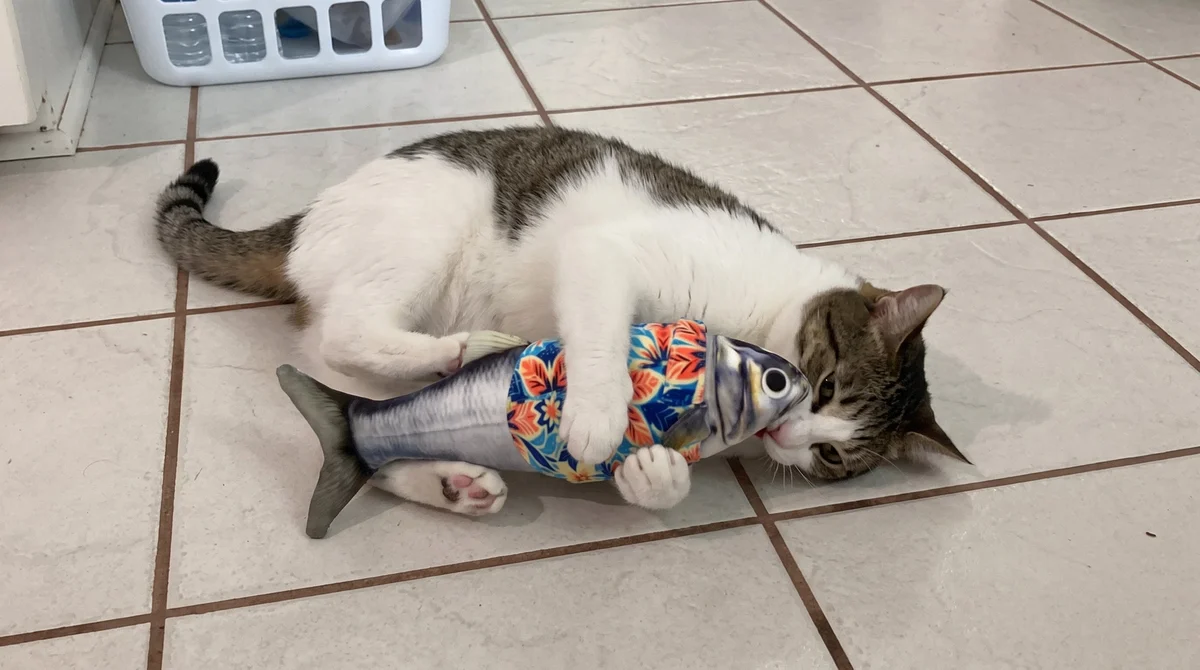
- Offer kicker toys for bunny-kicking and wrestling.
What to do when teeth or claws hit skin
Timing matters. Aim to respond immediately, ideally within a couple of seconds, so your kitten can connect the dots. If you wait too long, they just think you randomly stopped having fun.
Step-by-step: the boring stop
- Freeze. Do not yank your hand away. Pulling back can trigger chasing and biting harder.
- Go neutral. No squealing, no flapping, no lecture. Excitement is still rewarding.
- End the game briefly. Stand up, turn away, or gently set the kitten down for about 10 to 30 seconds.
- Redirect to a toy. Restart play with a wand or toss toy the moment they engage appropriately.
- Praise the right choice. A calm “good” and continued play is your reward.
This teaches a simple cause-and-effect lesson: rough play ends the fun; gentle play keeps it going.
If they grab and will not let go
Some kittens clamp down or hook with claws. Instead of pulling away:
- Try a trade first. Place a toy right in front of their mouth and let them switch targets.
- Use a barrier. Slide a small pillow, folded blanket, or thick towel between you and the kitten if they are in full tackle mode.
- If needed, use a tiny “push in.” A very small movement toward the bite can reduce the “prey pulling away” feeling and help you unhook. Do not force it, do not shove, and skip this if your kitten bites harder or you feel unsafe. Trading and barriers are usually the safest options.
Teach bite inhibition with gentle feedback
Bite inhibition means your kitten learns to control jaw pressure. Even if a kitten never bites again, you still want them to understand, “If I ever put teeth on skin, I must be gentle.”
The yelp method: use it carefully
Some kittens respond well if you make a short, low “ow” and freeze. Others get more excited by noise. If your kitten ramps up when you yelp, skip it and use the boring stop instead.
Reward soft play
Keep tiny treats nearby during calmer play sessions. When your kitten:
- Touches you with paws without claws
- Chases a toy instead of your hand
- Lets go quickly when redirected
Mark it with a gentle “yes” or “good” and give a treat or continue play. You are teaching what to do, not only what not to do.
Set up playtime for success
Many biting and scratching problems are really play setup problems. Fix the setup, and the behavior often improves fast.
Use hunt, catch, chew, rest
Kittens feel most satisfied when play mimics a real sequence:
- Hunt: slow wand movements around corners or behind furniture
- Catch: let them actually grab the toy often
- Chew: switch to a small plush or kicker they can bite
- Rest: end with a small meal or a lickable treat
This reduces the frustrated, frantic biting that happens when a kitten never “wins.”
Short sessions beat marathons
Plan for 2 to 4 sessions per day, about 10 to 15 minutes each. End while your kitten is still having fun, not when they are already over the edge.
Rotate toys
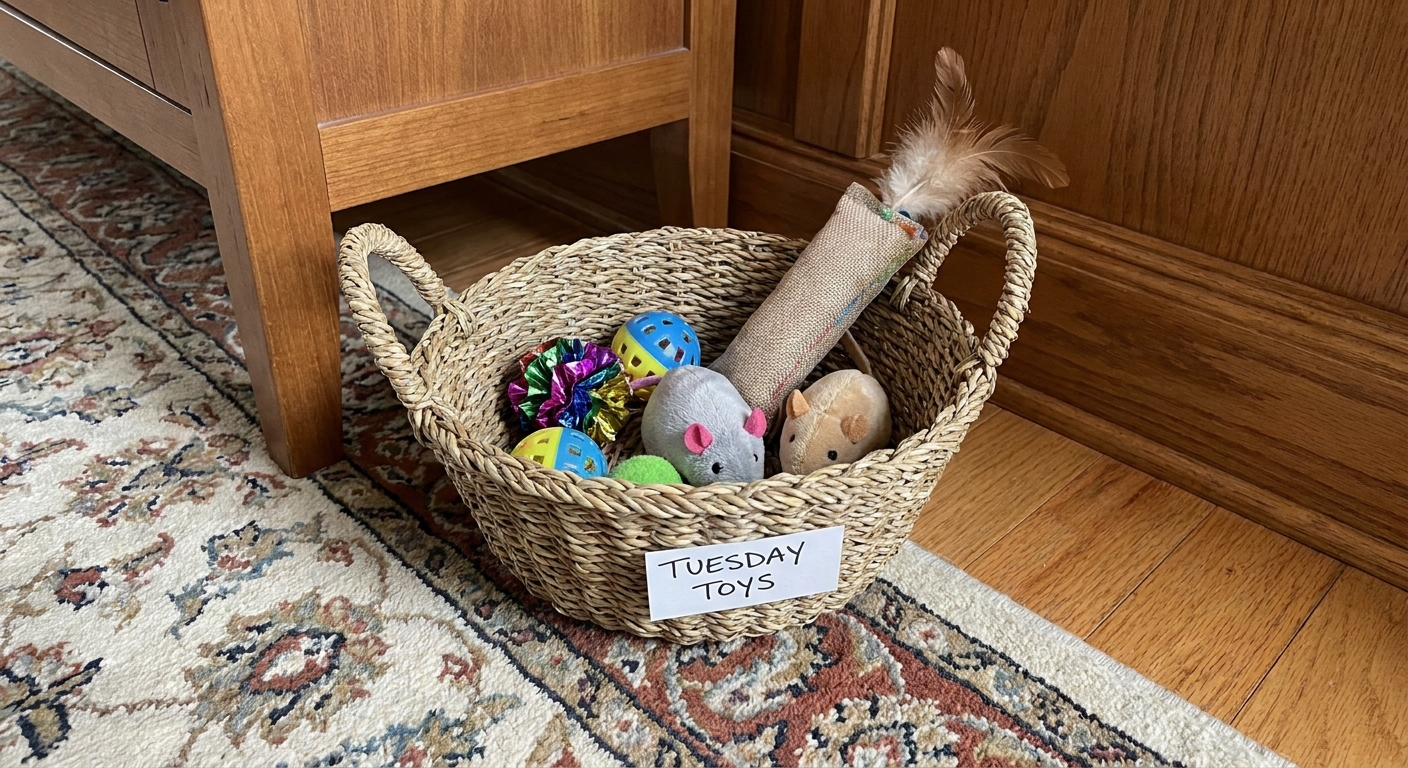
Leave only a few toys out and rotate every couple of days. Novelty is powerful for kittens.
Add enrichment beyond toys
When kittens have more ways to climb, watch, and think, they are less likely to invent games that involve your ankles.
- A sturdy cat tree or shelf near a window
- A cardboard box “fort” that changes location now and then
- Two-minute training breaks (sit, touch, into carrier) using treats
Do this instead of punishment
I know it is tempting to clap, flick, spray, or pin a kitten when they go for your hands. Those methods can stop behavior in the moment, but they commonly create bigger problems: fear, avoidance, and a kitten who bites without warning.
Skip these common fixes
- Spray bottles: teaches “humans are scary,” not “hands are not toys.”
- Scruffing or pinning: can increase stress and defensive biting.
- Hitting the nose or tapping: damages trust and often escalates play into conflict.
- Blowing in the face: can create anxiety and does not teach an alternative behavior.
Instead, use clear boundaries plus redirection. It is kinder, and it works.
Common biting situations
1) They attack my hands when I pet them
This is often overstimulation or petting in a spot that feels too intense. Try:
- Pet for 3 seconds, pause, and see if they lean in for more.
- Stick to head and cheek rubs, avoid the belly.
- Stop at the first signs of rising energy: tail twitching, skin rippling, ears turning sideways, sudden head whip toward your hand.
If your kitten is in a bitey phase, keep affection sessions short and pair them with calm treats.
2) They ambush my ankles
Ankle hunting is classic. The fix is twofold: prevent rehearsals and provide a better target.
- Preempt with play: a 10-minute wand session before your busiest household times helps a lot.
- Carry a toss toy: keep a soft ball or mouse in your pocket and toss it away from your feet the moment you see stalking.
- Use a hallway toy station: keep a kicker or crinkle toy in the ambush zone for quick redirection.
3) They bite when they are excited at night
Evening zoomies are real. Build a predictable wind-down:
- Play hard in the early evening
- Offer dinner or a snack after play
- Switch to calmer toys (soft kicker, puzzle feeder)
- Dim lights and keep movement low-key
If your kitten is waking you to play-bite, keep nighttime boring. No chasing, no talking, no attention. Redirect once, then disengage.
4) They bite while I work at my desk
This is usually attention-seeking plus boredom. Set up a “yes zone” nearby:
- A cat tree or window perch
- A small box or soft bed
- A few solo toys
- A treat puzzle they only get during work hours
Then reward calm choices, like sitting on their perch, with a treat tossed to them.
5) Kids and visitors make it worse
Kittens get extra spicy when the house gets louder and hands get wiggly. For safety and sanity:
- Supervise all kid-kitten play.
- Teach kids to use wand and toss toys only, no hand wrestling, no chasing.
- If your kitten is revved up, use a short break behind a baby gate or in a separate room with toys and a scratcher until they reset.
Make your home scratch-friendly
Scratching is normal and necessary. Your job is to make the allowed options better than your legs and sleeves.
Scratchers that work for kittens
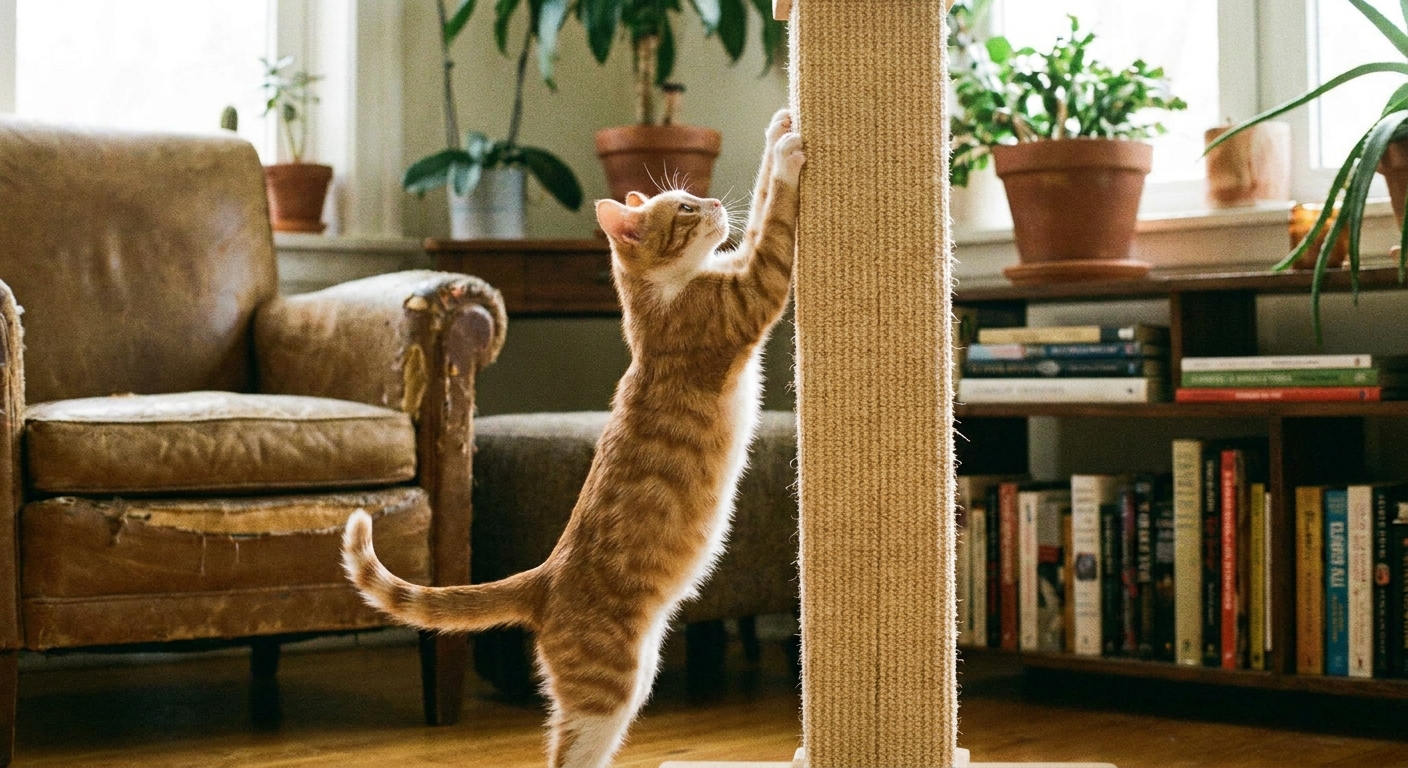
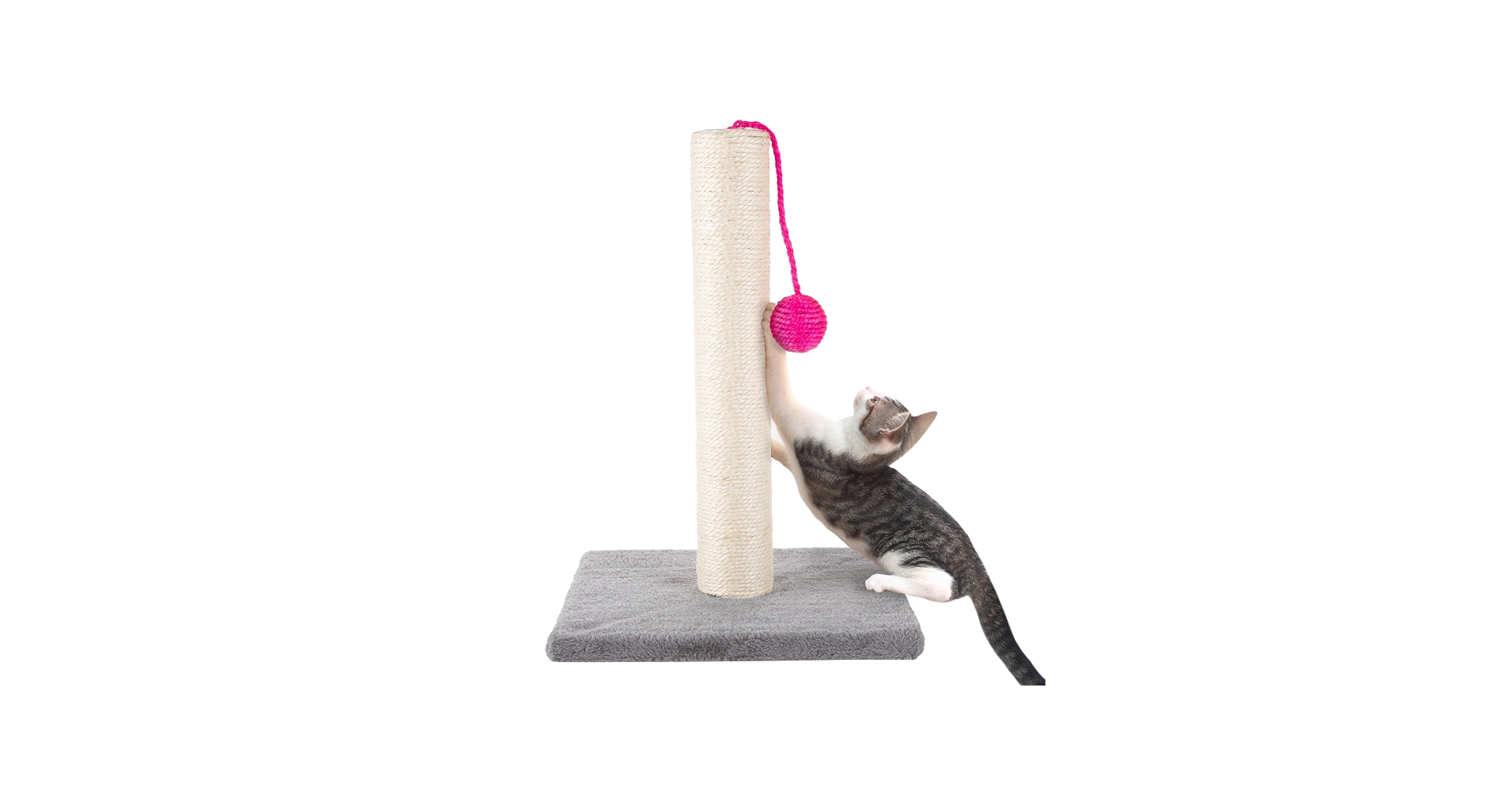
- One tall, sturdy vertical post: at least tall enough for a full stretch
- One horizontal scratcher: cardboard lounges are often a hit
- One near-the-action scratcher: place it where your kitten gets wild, like near the couch or favorite hallway
When you see claws coming out during play, pause and move the game beside the scratcher. When they scratch the post, praise and keep playing.
Tools that help
My top toy picks for bitey kittens
- Wand toy with replaceable attachments: keeps distance and adds variety
- Kicker toy: gives them something appropriate to wrestle and bunny-kick
- Crinkle balls or plush mice: great for tossing away from hands and feet
- Food puzzle or treat ball: burns energy without using your skin as a target
Nail trims: small and frequent
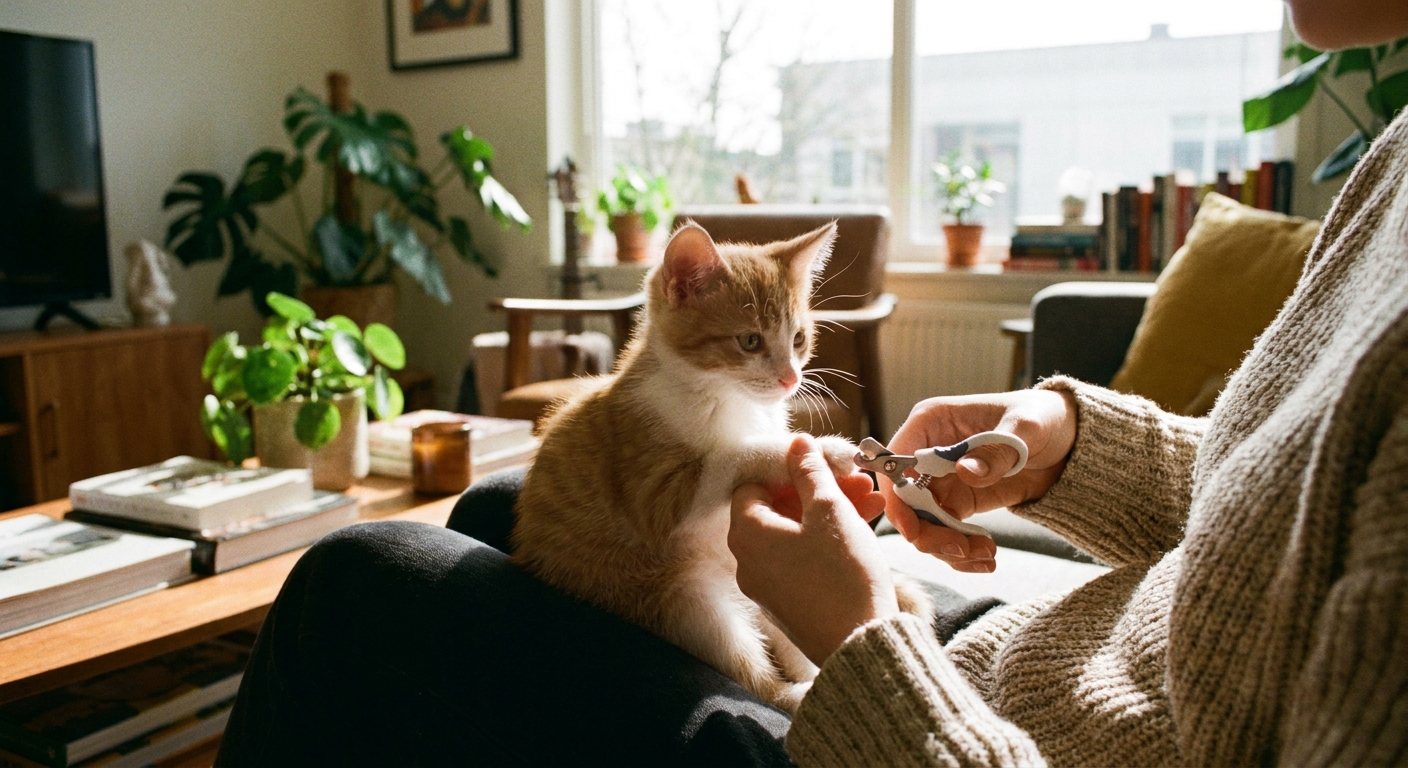
Trimming claws will not solve play aggression, but it does reduce the damage while you train.
- Trim just the sharp tip every 1 to 2 weeks.
- Pair each paw with a treat so trims stay low-stress.
- If you are nervous, ask your vet or groomer to show you once.
When biting is a red flag
With consistency, many families see improvement within a few weeks, but timelines vary by age, routine, and how long the behavior has been practiced. If things are not trending better, that is a sign to adjust the plan, not a sign you failed.
Consider a vet check if you notice:
- Sudden biting out of nowhere in a previously gentle kitten
- Signs of pain: hiding, limping, crying when picked up, sensitivity to touch
- Swollen gums, very bad breath, or refusing food (possible dental pain)
- Growling, stiff posture, or fear-based behavior during normal handling
If the behavior feels intense or you are getting injured, a certified cat behavior consultant can be a game-changer. You do not have to figure it out alone.
If you get bitten or scratched
Most kitten play injuries are minor, but punctures can get infected.
- Wash bites and scratches right away with soap and running water.
- Do not ignore swelling, spreading redness, warmth, pus, fever, or increasing pain.
- Seek medical advice promptly for deep punctures, bites on the hand or face, or if you are immunocompromised.
Quick play plan
- Every day: 2 to 4 short play sessions using wand and toss toys
- During play: let your kitten “catch” the toy often
- If teeth or claws touch skin: freeze, go neutral, stop play briefly
- Restart: redirect to a toy and praise the right choice
- Evenings: play, then feed, then calm down
Consistency is what makes this work. You are not trying to win every moment. You are building a habit, one interrupted bite at a time.
FAQ
Should I hiss at my kitten when they bite?
I do not recommend it. Some kittens get scared, others get more excited. It rarely teaches a clear alternative. A calm stop and redirect is more consistent and keeps trust intact.
Will my kitten grow out of biting?
Many kittens mellow with age, but the ones who practice biting on hands often keep doing it as bigger, stronger adolescents. Training now is worth it.
Is it okay to use gloves and let them bite?
It can backfire because it still teaches “biting humans is part of play.” If you need protection during a rough phase, use a barrier briefly (like a pillow) while you redirect to toys, then focus on teaching toy play.
What if my kitten only bites me?
Usually it means you move the most during play, use hands more, or your kitten has learned you are the most fun target. Follow the same plan, and ask other household members to do it too so rules stay consistent.