If your kitten suddenly turns into a tiny, purring woodchipper, welcome to teething. One week they are politely nibbling toys, the next they are trying to chomp phone chargers, chair legs, and your unsuspecting fingers. The good news is that teething is normal, temporary, and a perfect time to build dental habits that pay off for life.
Below is my foster-tested guide to recognizing teething symptoms, soothing sore gums safely, and easing into a brushing routine that does not end with you wearing toothpaste. When in doubt, ask your vet. Mouth pain has a lot of look-alikes.

When do kittens teethe?
Kittens have two rounds of teeth, just like human kids: baby teeth (deciduous) and adult teeth (permanent). They have 26 baby teeth and 30 adult teeth.
Quick teething timeline
- 0 to 2 weeks: Usually no visible teeth yet.
- 2 to 6 weeks: Baby teeth start coming in. Most kittens have all baby teeth by about 6 to 8 weeks.
- Around 3 to 4 months: Adult teeth start replacing baby teeth. This is the big chewing phase.
- By about 6 months (sometimes up to 7): Most kittens have a full set of adult teeth (30 total).
Some kittens run early or late by a couple weeks. What matters is whether your kitten is comfortable, eating, and acting like themselves.
Common kitten teething symptoms
Teething can look dramatic, but most signs are mild and manageable. Here is what I see most often in foster litters.
- Increased chewing on toys, cardboard, cords, fingers
- Red, puffy gums or mild gum tenderness
- Drooling (a little is normal during peak tooth changes)
- Breath changes that come and go
- Loose baby teeth or tiny teeth on the floor (many are swallowed, and that is usually fine)
- Pawing at the mouth or rubbing the face on furniture
- Temporary pickiness or slower eating, especially with crunchy kibble
- More mouthy or irritable play, followed by a hard nap
Quick reality check: Teething is annoying, not debilitating. Also, persistent bad breath is not a classic teething hallmark. It can point to gingivitis, infection, or other issues, so loop in your veterinarian if it lingers.
How to soothe sore gums safely
The goal is to give your kitten approved things to chew and gentle ways to reduce irritation, while keeping them safe from choking hazards and toxins.
1) Offer smart chew options
Look for kitten-safe chews that are soft enough to give a little when you press them with your fingernail.
- Soft rubber kitten chew toys with rounded nubs
- Plush toys that are well-made and not shedding strings
- Dental-friendly kitten toys designed for light chewing (not hard dog chews)
- Food puzzles made for cats, which redirect mouthy energy
Avoid: bones, antlers, hooves, very hard nylon chews, and anything that feels like it could crack a tooth.
Safety note: If a plush or fabric toy starts to shred, take it away. Swallowed strings and fibers can turn into a serious emergency.

2) Try a chilled, not frozen, comfort toy
Cool pressure can feel great on sore gums. You can:
- Chill a rubber chew toy in the refrigerator for 10 to 15 minutes.
- Offer a cool, damp washcloth for supervised chewing if your kitten likes fabric.
Skip the freezer. Frozen items can be uncomfortably hard on sensitive gums.
3) Adjust food texture for a few days
If your kitten seems hesitant with kibble during peak teething weeks, you have options:
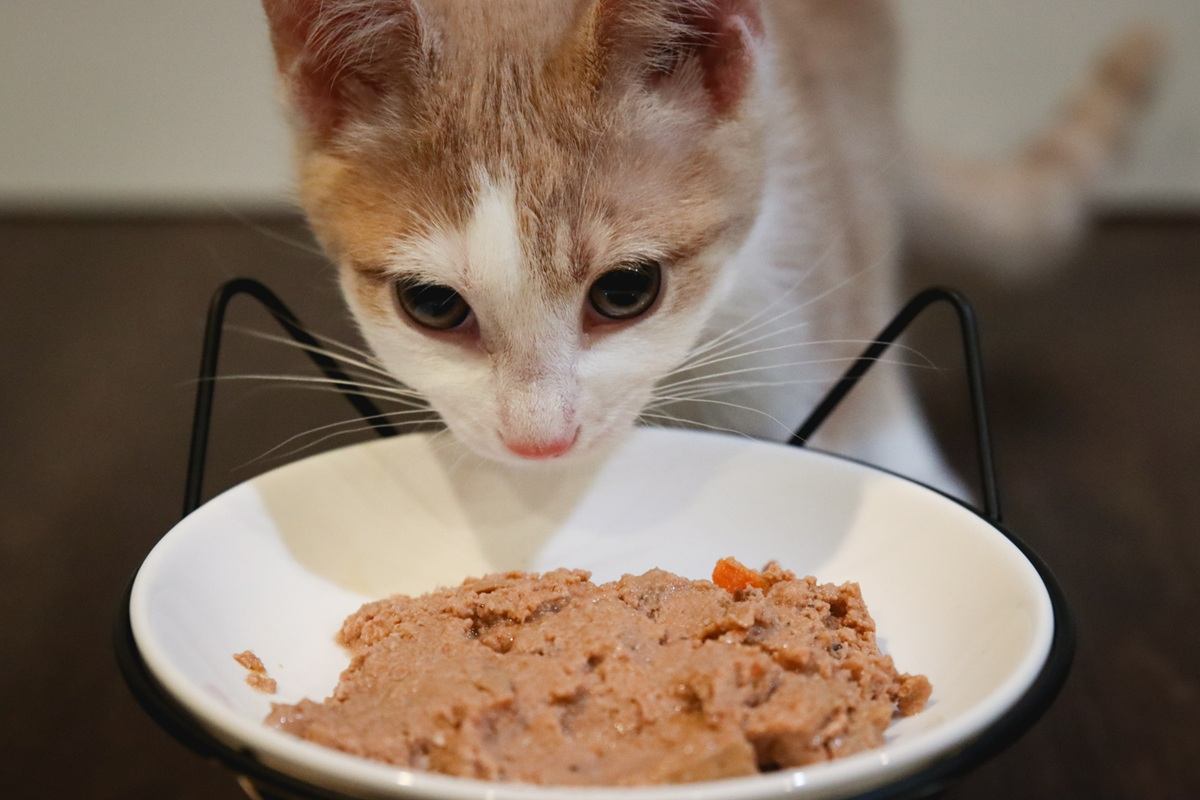
- Feed wet kitten food for a meal or two a day.
- Soften kibble with warm water and let it sit for a few minutes.
- Offer smaller, more frequent meals if they are starting, stopping, and wandering off.
Tip from my foster room: Keep water fresh and easy to access and keep an eye on hydration, especially if your kitten is drooling more than usual.
4) Protect your home, not just your hands
Teething kittens go looking for resistance, and that often means cords and corners.
- Cord-manage with covers or keep chargers in drawers.
- Unplug anything you are not using. Chewing live cords can cause mouth burns and, in worst cases, electrocution.
- Use bitter deterrent sprays only if labeled safe for cats, and test a small spot first. Some cats salivate or ignore them, and you should not apply products to cords unless the label explicitly says it is appropriate for that use.
- Provide a "yes zone" with approved chews near their favorite nap and play areas.
If your kitten bites hands during play, switch to wand toys and kickers. Hands should stay boring.
What not to do
- No human pain meds (including acetaminophen, ibuprofen, aspirin). These can be toxic to cats.
- No teething gels made for babies or dogs unless your veterinarian specifically approves a product for your kitten.
- No hard chew items that could crack teeth.
- No punishment for chewing. Redirect, replace, and praise the "yes" choice.
When to call the vet
Teething can cause mild gum redness and some extra chewing, but it should not cause significant illness. Call your veterinarian if you notice:
- Not eating for more than a meal or acting hungry but unable to chew
- Bleeding that does not stop or heavy bleeding from the mouth
- Marked swelling of the face, jaw, or gums
- Foul breath that is strong and persistent
- Thick drool, drool with blood, or repeated gagging
- Fever, lethargy, or hiding
- Adult teeth coming in crooked or a baby tooth that seems stuck next to an adult tooth (retained baby tooth)
Retained baby teeth are more common in some kittens than people expect, and they can contribute to crowding and tartar later. A quick vet check can save trouble down the road.
Why start brushing now?
I know, it sounds backwards: "My kitten’s mouth hurts, and you want me to brush?" But teething is when kittens are already thinking about their mouth. If you keep it gentle and positive, you can normalize mouth handling now, long before plaque and dental disease become a bigger issue.
Even a few seconds of brushing several times a week is a huge win compared with starting from scratch on an adult cat who has never seen a toothbrush.
Supplies
- Cat toothpaste only (enzymatic is a popular choice). Never use human toothpaste.
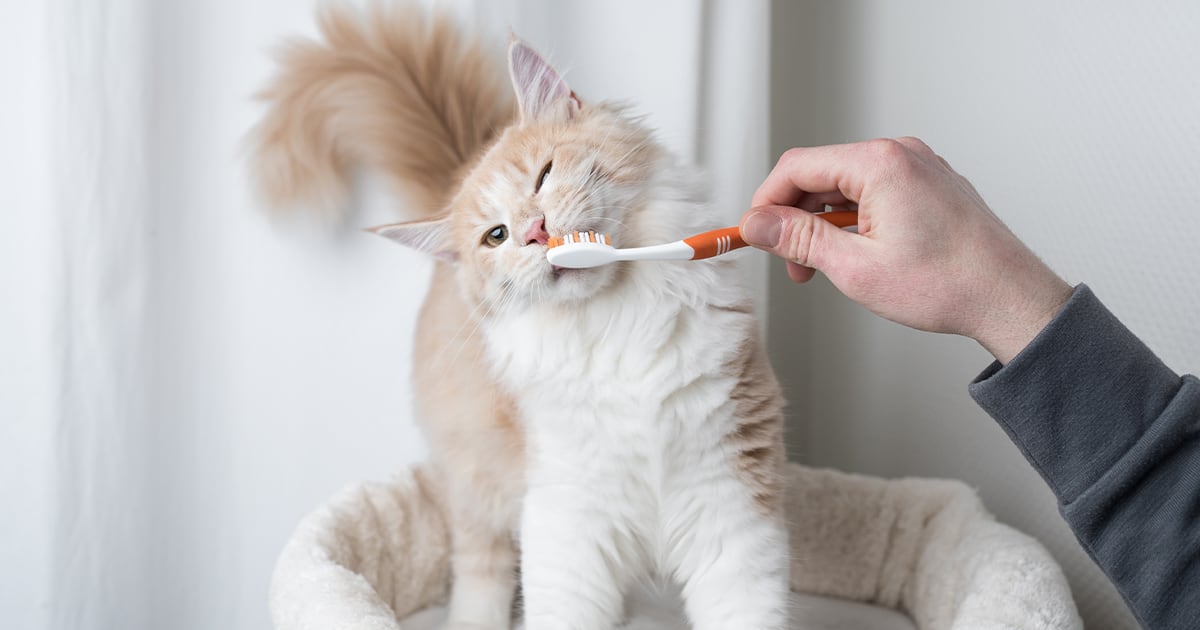
- Soft kitten toothbrush or a silicone finger brush (some kittens prefer the smaller feel).
- High-value lickable treat for rewards (think kitten-safe puree treats).
- A small towel for lap time, especially for wiggly kittens.
Step-by-step brushing
This is the exact progression I use in foster homes. Move forward only when your kitten is relaxed at the current step. Many kittens take 1 to 2 weeks, some need longer, and that is totally fine.
Step 1: Normalize mouth touches (days 1 to 3)
When your kitten is sleepy and cuddly:
- Gently rub a cheek with one finger.
- Briefly lift the lip for one second.
- Reward with a tiny treat and stop.
Your goal is "that was weird, but it paid well." Keep sessions under 10 seconds.
Step 2: Toothpaste first (days 3 to 7)
Put an uncooked rice-grain sized dab of cat toothpaste on your finger.
- Let your kitten lick it.
- If they like it, lightly rub it on the outer gumline of the upper teeth for one second.
- Reward and stop.
If they hate the flavor, try a different cat toothpaste. Flavor preference is real.
Step 3: Add the brush (week 2)
Let your kitten sniff the brush, then:
- Smear a tiny dab of toothpaste on the bristles.
- Let them lick the brush for a moment.
- Touch the brush to one outer canine tooth and stop.
This step is about confidence, not cleaning.
Step 4: Brush the outer surfaces (weeks 2 to 4)
When your kitten is calm, aim for the outside of the teeth. Cats get most plaque buildup on the cheek side, so you can skip the inside surfaces for now.
- Lift the lip gently.
- Use tiny circles or short strokes at the gumline.
- Start with 3 to 5 seconds on one side.
- End on a success, reward, and stop.
Step 5: Build a realistic goal (ongoing)
My foster-friendly goal is:
- 3 to 4 times a week minimum, daily if your kitten tolerates it.
- 20 to 30 seconds total at first.
- Focus on canines and back teeth on the outside surfaces.
If you only manage 10 seconds, that still counts. Consistency beats perfection.
How to hold a kitten
Most kittens do best with a secure, predictable setup:
- Lap method: Sit on the floor, kitten on your lap facing away from you, one arm gently around the body.
- Countertop method: Place kitten on a non-slip mat, stand to the side, and keep sessions short.
- Towel wrap (light burrito): Only if your kitten flails. Keep it loose enough to breathe comfortably and stop if they panic.
Always support the body. If your kitten feels unstable, they will fight you to regain control.
Teething and biting
Teething can make kittens extra mouthy, but it is still important to teach gentle play.
- If teeth touch skin, freeze your hand for one second and calmly disengage.
- Immediately offer a kicker toy or wand toy as a replacement.
- When they chew the toy, praise softly.
Try not to squeal or yank your hand quickly, since fast movement can trigger chase-play instincts.
FAQ
Is it normal for kittens to lose teeth?
Yes. Between about 3 and 6 months, baby teeth fall out as adult teeth come in. Many kittens swallow baby teeth, so you may never see them.
My kitten’s gums are bleeding a little. Should I worry?
A tiny bit of spotting can happen when a tooth is actively loosening, especially if your kitten is chewing a lot. If bleeding is heavy, frequent, or your kitten seems painful or stops eating, call your veterinarian.
Can I use dental treats instead of brushing?
Dental treats can help, but they do not replace brushing. Think of treats as extra credit, and brushing as the main assignment for plaque control.
When can kittens have a professional dental cleaning?
That is a veterinarian decision based on age, health, and what they see in the mouth. Most kittens do not need cleanings early, but early checks are valuable, especially if you suspect retained baby teeth or abnormal alignment.
A closing note
Teething feels chaotic because it lands right in the middle of kitten zoomies, growth spurts, and learning boundaries. Keep plenty of safe chew options around, take photos of anything in the mouth that looks odd, and aim for tiny brushing wins that stay positive.
If you do that, you are not just getting through teething. You are giving your kitten a lifelong head start on dental health.