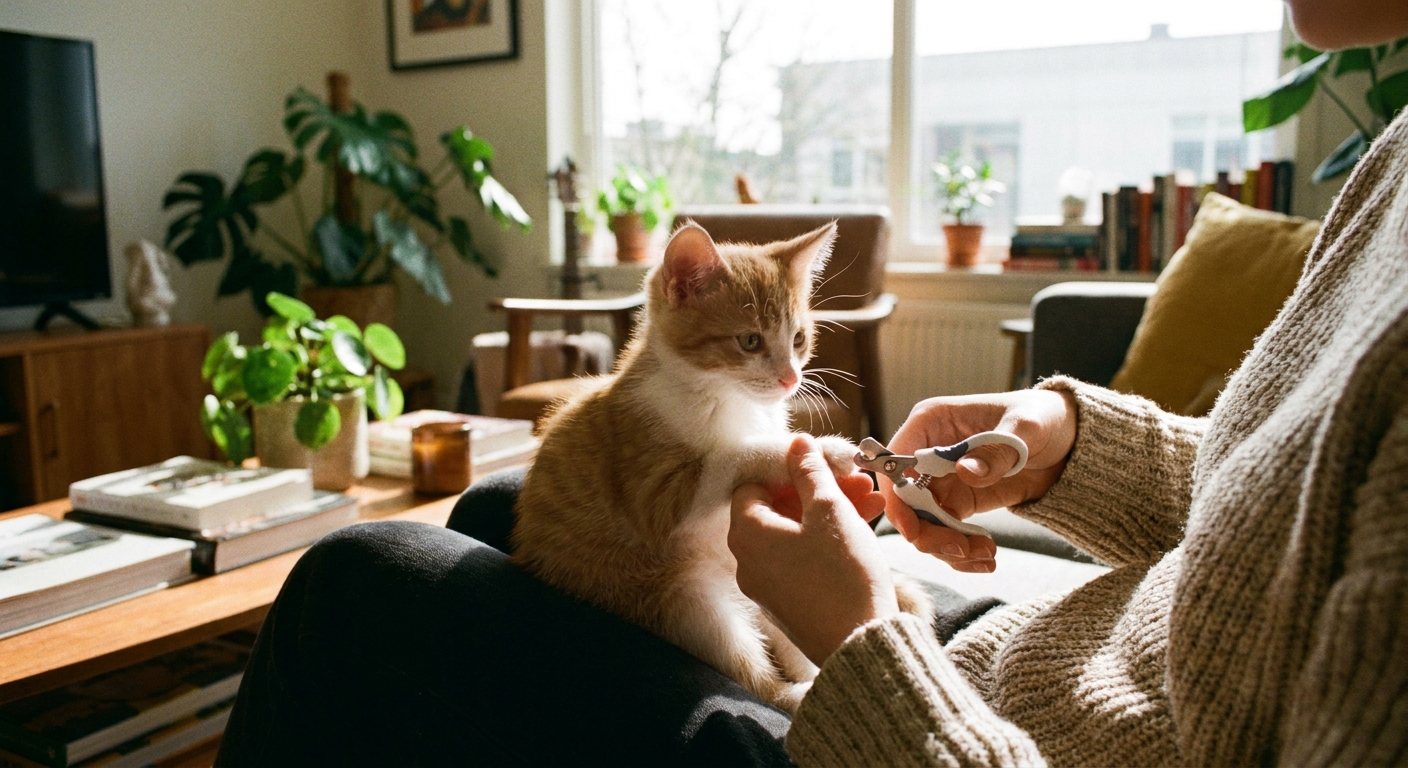
Kitten claws are tiny, sharp, and very good at finding your ankles, curtains, and the soft parts of your face at 5 a.m. The good news is that nail trims do not have to be a wrestling match. With the right setup and a slow, reward-heavy approach, most kittens can learn to tolerate (and sometimes even relax through) a quick weekly or biweekly trim.
I have trimmed the nails of dozens of foster kittens, including my tuxedo “foster fail,” Barnaby, who started out as a squirmy little land shark and matured into a cat who offers his paws like he is clocking in for a spa appointment. Your kitten can get there too.
Before you start: what you are trimming
A cat’s nail has a hard outer shell and a sensitive inner core called the quick. The quick contains blood vessels and nerves. Your goal is to remove only the sharp, hooked tip while staying well away from the quick.
- Light-colored nails: the quick often looks like a pink triangle inside the nail.
- Dark nails: you usually cannot see the quick. You will trim more conservatively and take off less.
- Front paws: typically sharper and need trims more often.
- Back paws: often wear down a bit more naturally, but still get needle-sharp in many kittens.
Supplies to gather
You do not need a fancy grooming station. You need the right tool, good lighting, and rewards.
- Cat nail clippers: a small scissor-style or guillotine-style clipper made for cats. Human nail clippers can crush tiny kitten nails.
- Bright light: a lamp you can angle toward the paw helps you see what you are doing.
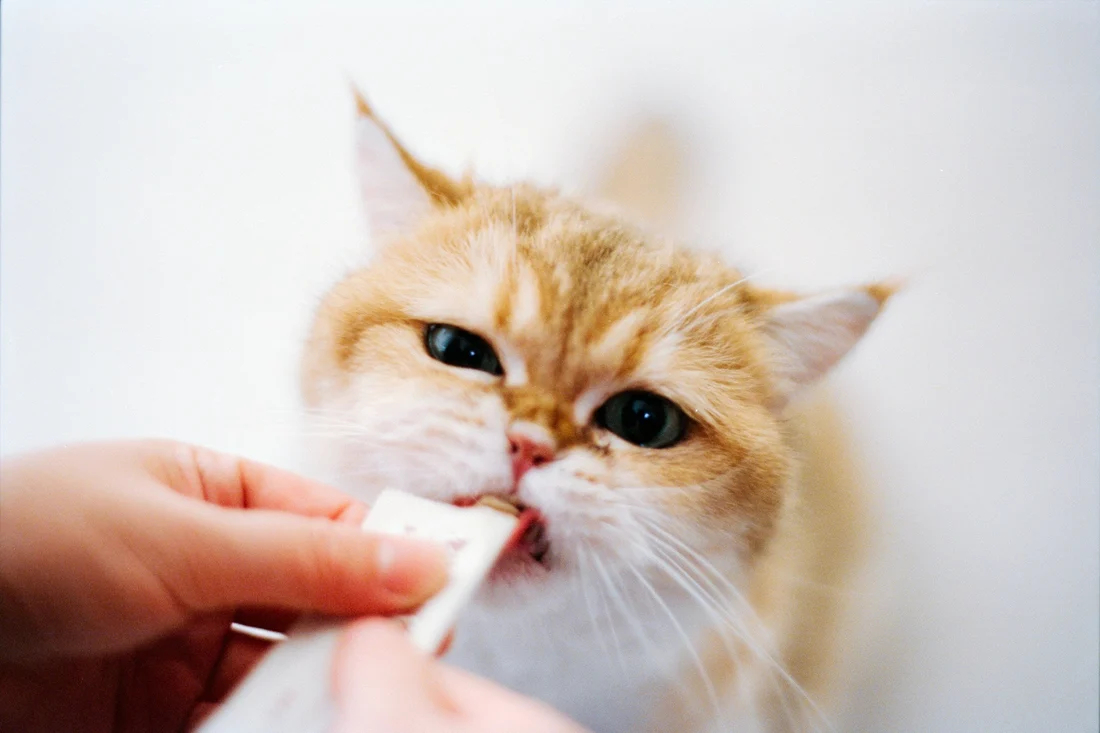
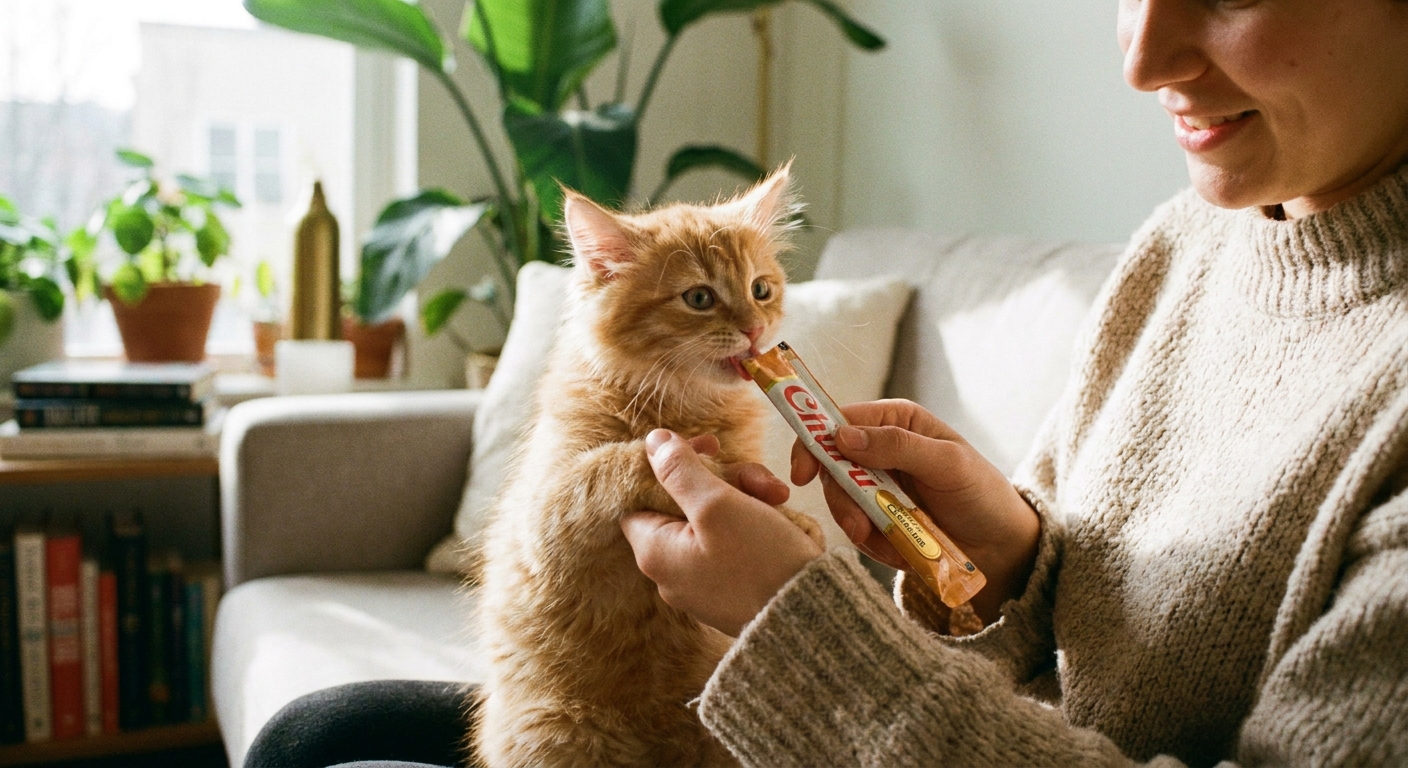
- High-value treats: squeeze-up style treats, tiny soft treats, or a spoon of wet food.
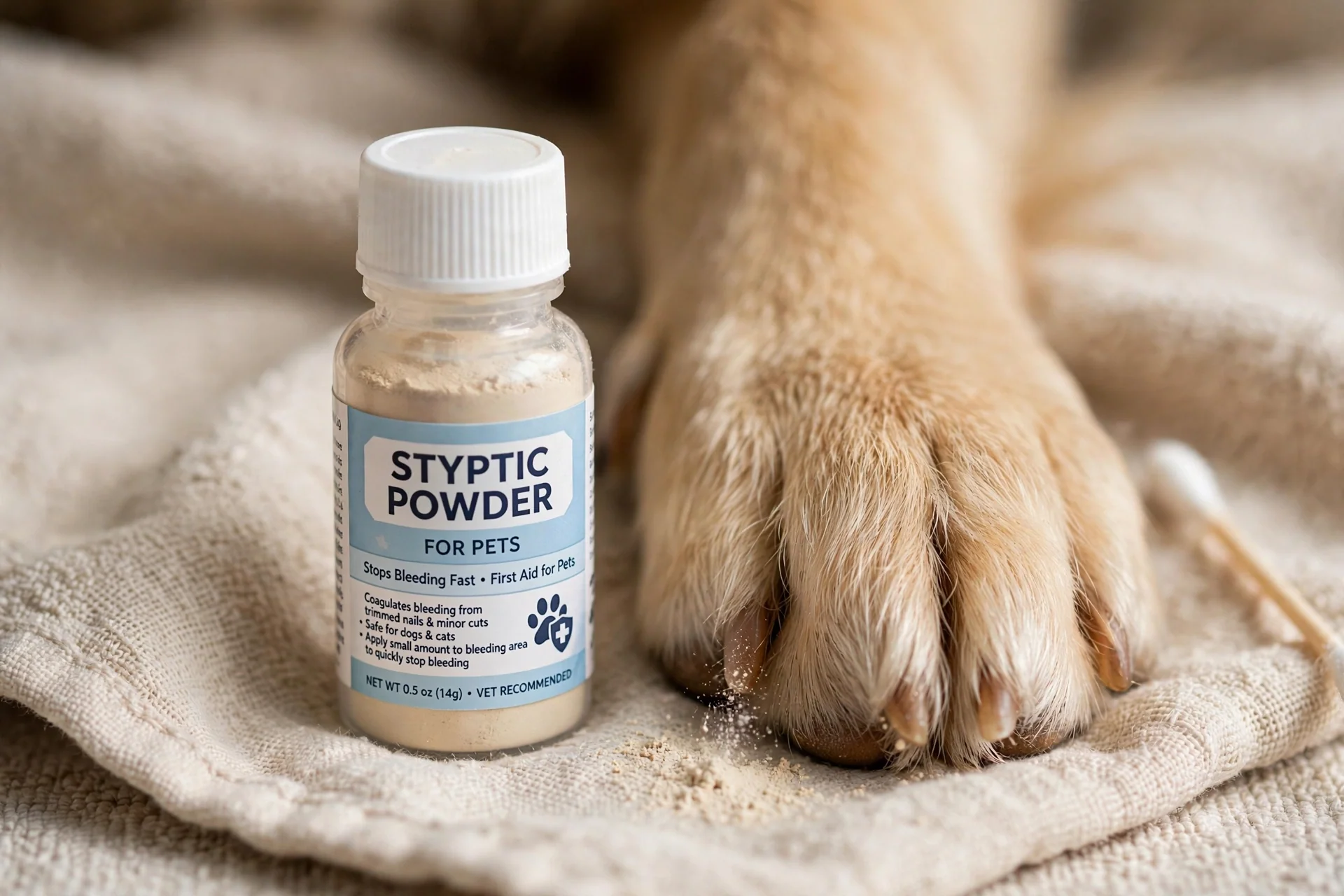
- Styptic powder (or styptic pencil) just in case: for stopping bleeding if you nick the quick.
- A towel or small blanket: optional for a gentle “purrito” wrap if your kitten flails. Keep it loose enough for easy breathing, and stop if your kitten seems overheated or more stressed.
When to trim
The easiest trims happen when your kitten is already calm and a little sleepy. Aim for:
- After a meal
- After a big play session (wand toy zoomies first, trim second)
- During cuddle time when purring is happening
Avoid trying to clip when your kitten is in full hunt mode, has the midnight crazies, or is already stressed by visitors, kids running around, or a noisy vacuum.
Extra note for tiny kittens: even very young kittens can have needle tips, but keep sessions extremely short. If they are fighting hard, stop and try again later. A few calm seconds beats one big struggle.
Desensitizing first
If you only touch your kitten’s paws when clippers come out, they learn to hate paw touches. Instead, build positive paw handling into daily life. Think of this as training, not just grooming.
Step 1: Touch and treat
While your kitten is relaxed, lightly touch one shoulder, then slide down the leg to the paw. Treat. Repeat. Stop before they get annoyed.
Step 2: Hold the paw
Gently hold a paw, count “one,” release, treat. Over a few sessions, work up to 3 to 5 seconds.
Step 3: Extend the claw
With your thumb on top of the toe and your finger underneath, apply gentle pressure so the claw extends. Treat immediately. You are teaching that the “weird toe squeeze” predicts snacks.
Step 4: Make clippers boring
Let your kitten sniff the clippers. Treat. Then very lightly touch the closed clippers to the paw for a second, or tap them gently on your own hand near the paw, then treat. The goal is that the sound and presence of the clipper becomes boring.
My foster rule: end on a win. If you got one calm paw hold today, that is progress. You are building trust, not checking off a box.
How to trim: step-by-step
1) Set up a calm spot
Choose a quiet room with good light. Sit on the floor or a sturdy chair. Keep treats within reach. If your kitten likes being up high, a table with a non-slip towel can help.
2) Choose a hold
Use the least restrictive position that keeps everyone safe:
- Lap hold: kitten sits sideways on your lap while you support their chest with your forearm.
- Against-your-chest hold: kitten tucked against you, usually facing away from your hands so you can work on one paw at a time.
- Tabletop towel: kitten stands or loafs on a towel while you handle one paw at a time.
3) Find the safe tip
Press gently on the toe to extend the claw. Look for the curved hook at the end. You are trimming off just that sharp point, staying in the thinner, more translucent area and away from the thicker, more opaque base near the quick.
4) Clip with the curve
Make a small clip that generally follows the nail’s natural curve, aiming to remove the point without splitting the nail. Many people find it easiest to clip close to perpendicular to the nail, but the real goal is a clean cut with no splintering. With kittens, smaller clips are safer than trying to take off “the perfect amount” in one go.
5) Do a little, then pause
Especially for your first few sessions, do not aim for all 18 claws (or more, if your kitten is polydactyl) in one sitting. Many kittens do best with:
- 2 to 4 nails per session for a week
- then one paw per session
- then all paws once the routine feels normal
6) Treat like you mean it
Treat after every nail at first. Yes, every nail. You can fade treats later, but early on, your kitten should think nail trims are a snack-generating superpower.
How much to cut
If you can see the quick, stay a couple millimeters away from it. If you cannot see the quick, follow this conservative approach:
- Trim only the very tip, just enough to blunt the needle point.
- Look at the cut surface. If you see a pale, chalky center, you are still in safe territory.
- If you see a darker center or your kitten reacts suddenly, stop. You are getting close.
It is completely fine if your trims are tiny. Frequent tiny trims are safer than rare big trims.
Avoiding the quick
- Use bright light. In my experience, poor lighting is one of the biggest “oops” factors.
- Clip tiny amounts. You can always take off more, but you cannot un-cut.
- Do not rush. If you are tense, your kitten will be too.
- Skip the struggle. If your kitten is escalating from wiggly to panicked, stop and try later.
- Keep the clipper sharp. Dull clippers can crush and splinter nails.
If you hit the quick
First, take a breath. It happens, even to experienced fosters, especially with dark nails or sudden kitten wiggles. The quick can bleed more than you would expect from such a tiny paw, but it is usually manageable at home.
What to do
- Apply styptic powder to the tip of the nail. Press a small pinch onto the nail and hold gentle pressure for 10 to 20 seconds.
- If you do not have styptic powder, you can use cornstarch in a pinch.
- Keep your kitten calm and prevent licking for a minute.
- End the session. Give comfort and a high-value treat, then stop trimming for the day.
When to call your vet
- Bleeding does not stop after 5 to 10 minutes of pressure and styptic powder
- Your kitten seems very painful or will not bear weight
- The nail looks cracked up toward the base
Common problems
“My kitten bites or bunny-kicks when I touch paws.”
That is normal kitten communication for “too much, too fast.” Go back to desensitizing steps and shorten sessions to 10 to 20 seconds. Add a kicker toy nearby so their feet have something appropriate to attack during play, not grooming.
“My kitten screams, but I have not clipped yet.”
Many kittens protest restraint more than the trim itself. Try a different position, reduce pressure on the paw, and let them eat a lickable treat while you handle the foot. Some kittens do better with a second person feeding treats while you clip.
“They will not hold still for all paws.”
Do not force it. Split trims across the day or across multiple days. Two nails after breakfast, two after dinner is still a win.
“My kitten’s nails feel sharp again immediately.”
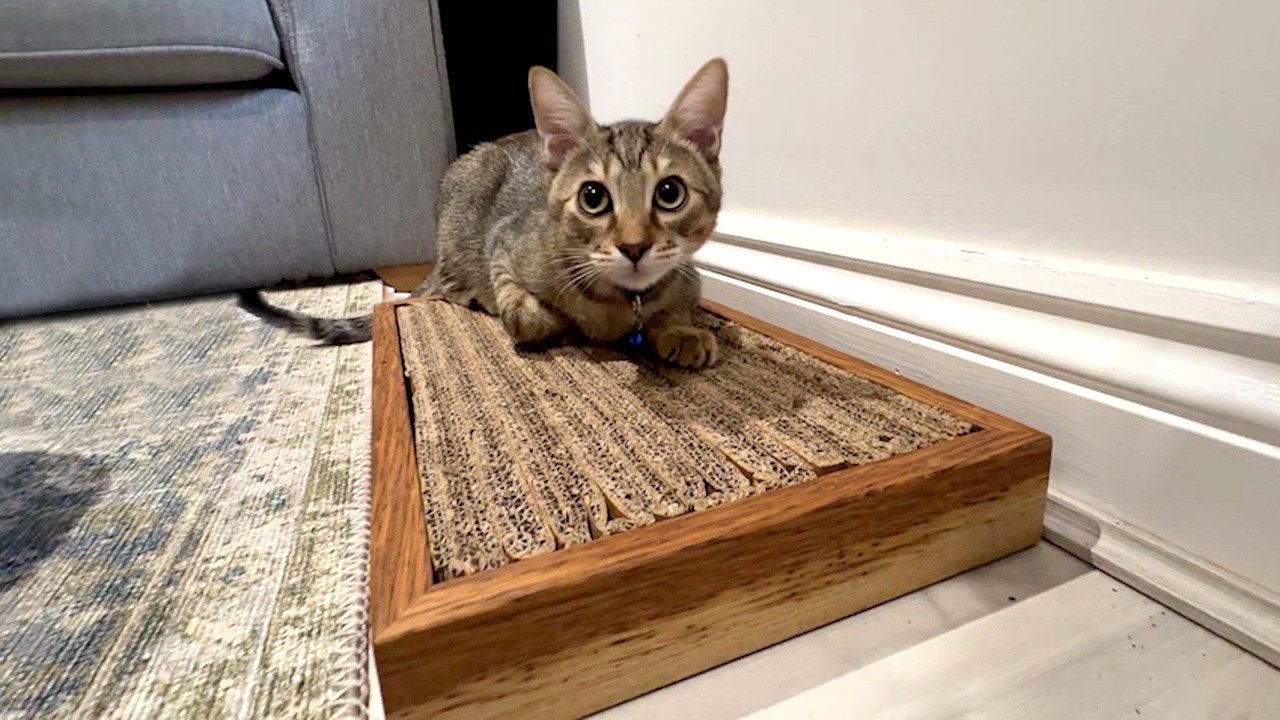
Kittens grow fast. Weekly trims are common in kittenhood. Also add scratchers in key locations so nails can shed naturally between trims.
How often to trim
Most kittens do well with a trim every 7 to 14 days. The right schedule depends on how fast nails grow and how much your kitten uses scratchers.
- If you are getting accidental scratches daily: aim weekly for a while.
- If nails are mostly blunt but still hooky: every 2 weeks often works.
- If your kitten climbs fabric: trims plus more scratchers and play redirection help a lot.
Scratchers help
Nail trims are only one part of claw management. Give your kitten good options for scratching so they are less likely to snag you and your home.
- One tall vertical scratcher they can fully stretch on
- One horizontal scratcher (cardboard is usually a hit)
- Place scratchers near sleep spots and near any “problem” furniture
- Reward scratching with praise or a treat when they use it
FAQ
Is it okay to trim a kitten’s nails, or should I wait?
It is absolutely okay to trim kitten nails. In fact, kittenhood is the best time to start because you are building lifelong comfort with paw handling.
Do kittens need their dewclaws trimmed?
Yes. Dewclaws (the “thumb” nails on the front legs) do not always wear down naturally and can get very sharp. Check them during every trim session.
Can I use a nail grinder instead of clippers?
Some cats tolerate grinders, but many kittens find the sound and vibration scary. If you want to try one, desensitize slowly and keep sessions extremely short. For most first-time kitten parents, small cat clippers are simpler.
What if my kitten will not let me trim nails?
Pause and focus on desensitizing for a week or two. You can also ask your vet or a cat-savvy groomer to demonstrate technique, or have the first trim done professionally while you watch. If your kitten is fearful or reactive, your vet can help you create a low-stress plan.
Should I bathe my kitten before trimming nails?
No need. A bath can make a kitten more stressed. A better “prep” is play, food, and a calm cuddle.
Is declawing an alternative to trimming?
No. Declawing is a surgical amputation, not a nail trim, and it can cause lifelong pain and behavior issues. For most homes, regular trims, good scratchers, and training are the kinder, more practical plan.
Calm beats perfect
If you only manage two nails today, that still counts. You are teaching your kitten that you listen when they are overwhelmed and that handling leads to good things. Over time, those tiny, low-stress reps add up to a kitten who trusts you with their paws, which is a gift for every future vet visit and grooming moment.
If you want a simple starting plan: do 2 nails per day for a week, treat generously, and stop while it is still going well. You will be surprised how quickly “tiny shark claws” turn into “oh, this again” levels of calm.