If you have a kitten, you have a scratcher situation. Scratching is not “bad behavior.” It is exercise, nail maintenance, and scent marking all wrapped into one tiny, determined package. It can also help kittens burn off energy and work through stress.
The good news is you can absolutely steer that instinct toward scratching posts instead of your sofa. The trick is choosing the right material, the right height and stability, and then putting it in the right spots so your kitten thinks, “Oh, this is where we scratch.”
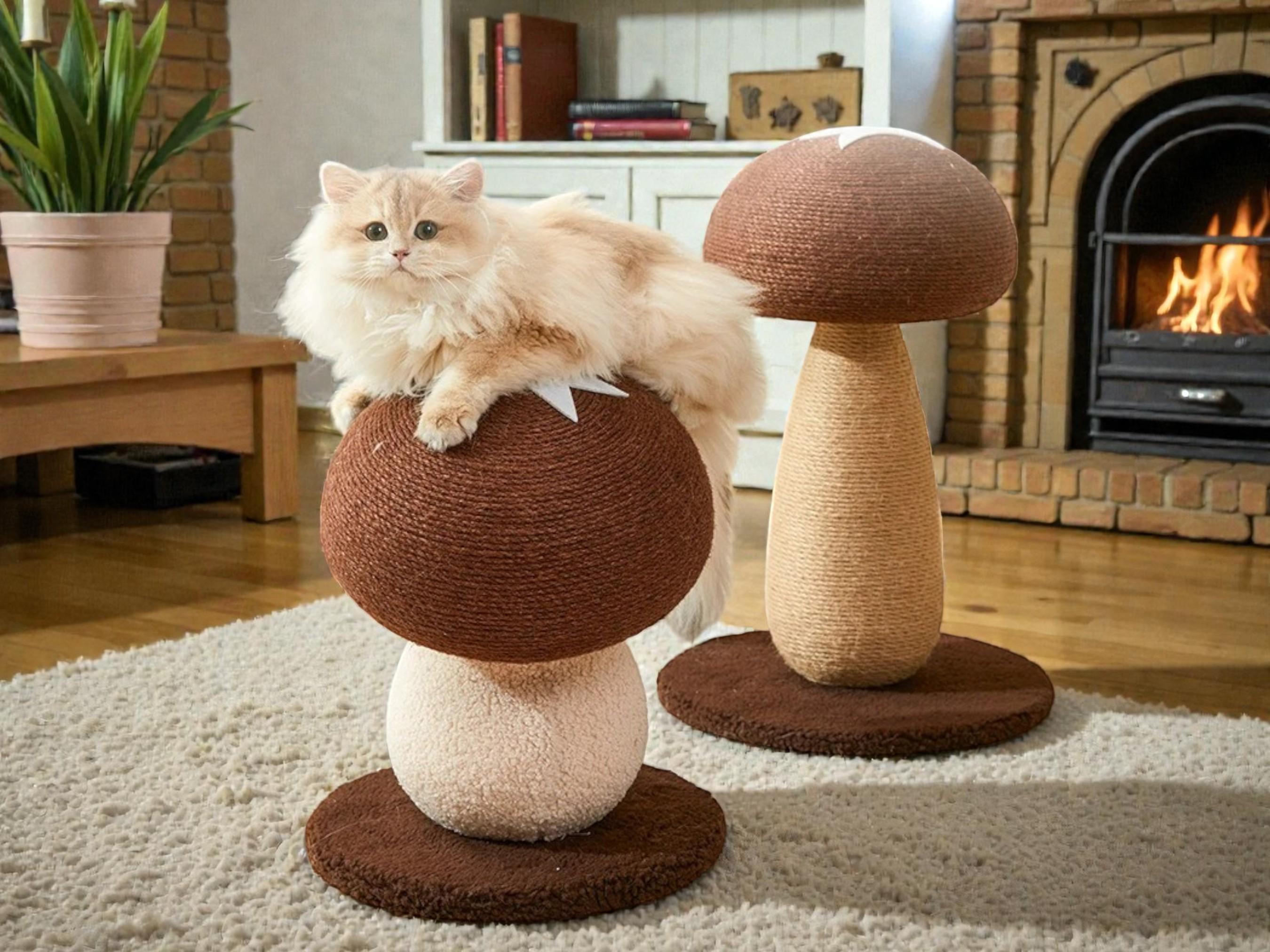
What makes a scratching post the best?
I’ve fostered kittens who would scratch anything and kittens who were deeply picky. Across the board, the “best” scratching post is the one your kitten will choose every day, without you hovering. Look for these basics:
- Stability: It should not wobble, slide, or tip when your kitten launches at it.
- Enough height to stretch: Kittens scratch with their whole body. Full stretches can help establish a strong, lasting preference for scratchers.
- A texture that feels satisfying: Many kittens love rough, shreddable, or fibrous surfaces.
- Convenient placement: The most perfect post still fails if it is tucked in a back corner no one visits.
- More than one option: Ideally you provide at least one vertical and one horizontal scratcher.
Materials: sisal vs carpet vs cardboard
Different textures scratch different itches. If your kitten keeps choosing a particular fabric in your home, treat that as a clue about what surface they like best.
Sisal (rope or fabric)
My top pick for most kittens, especially for vertical scratchers. Sisal has a rough, grippy texture that feels great under claws and holds up well.
- Best for: Kittens who love vertical scratching and full-body stretches
- Pros: Durable, satisfying texture, encourages healthy stretching
- Cons: Cheap rope can unravel quickly; some kittens prefer flatter surfaces
What to look for: Tightly wrapped sisal with minimal gaps, or a post covered in sisal fabric (often longer-lasting and less “stringy”).
Safety note: If the rope starts to fray, trim loose threads and supervise. If you notice chewing or swallowing fibers, switch materials and contact your vet, especially if you see gagging, vomiting, or a drop in appetite.
Carpet
Carpet scratchers can work, but I use them thoughtfully. The risk is that they can blur the line between “scratcher” and “rugs are fair game,” especially if the carpet texture feels similar to what is on your floors.
- Best for: Homes without much carpet, or kittens already obsessed with carpeted stairs
- Pros: Soft, familiar texture, often very sturdy on cat trees
- Cons: May make redirection harder in some homes, depending on the carpet type
If you choose carpet: Pick a carpet texture that is noticeably different from your home’s rugs, and pair it with a sisal option so your kitten learns multiple approved targets.
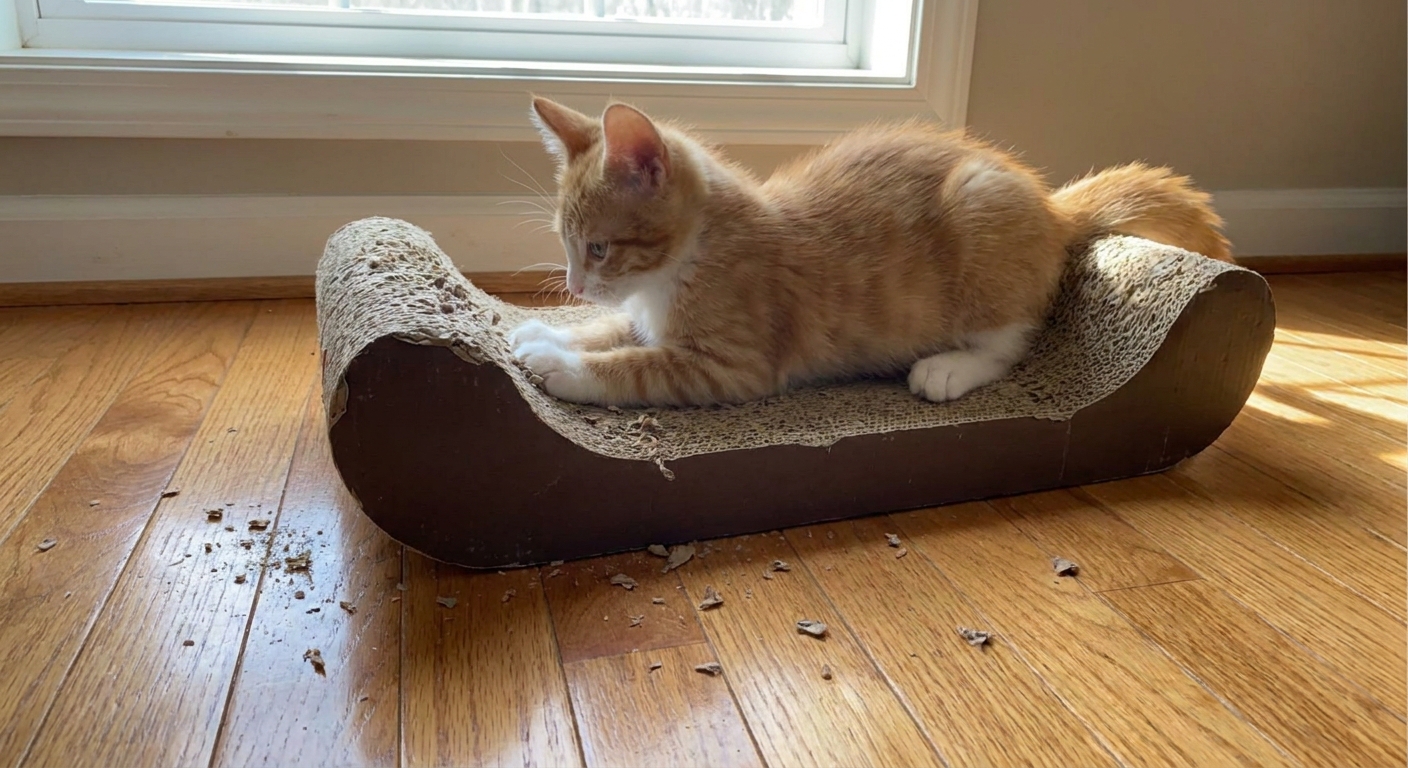
Cardboard (pads, ramps, lounges)
Cardboard is the budget-friendly hero of kittenhood. Many kittens adore the shred factor.
- Best for: Kittens who scratch horizontally, or who like to dig and shred
- Pros: Inexpensive, easy to place, very appealing, great for apartments
- Cons: Messy, wears out faster, lightweight (can slide around)
Pro tip: Put a non-slip rug pad under lightweight cardboard scratchers, or choose a heavier “lounger” style so it stays put during enthusiastic scratching sessions.
Height and shape
Kittens grow fast. A post that works at 8 weeks may feel tiny by 5 months. If you can only buy one vertical post, go bigger than you think you need.
Vertical posts: tall and steady
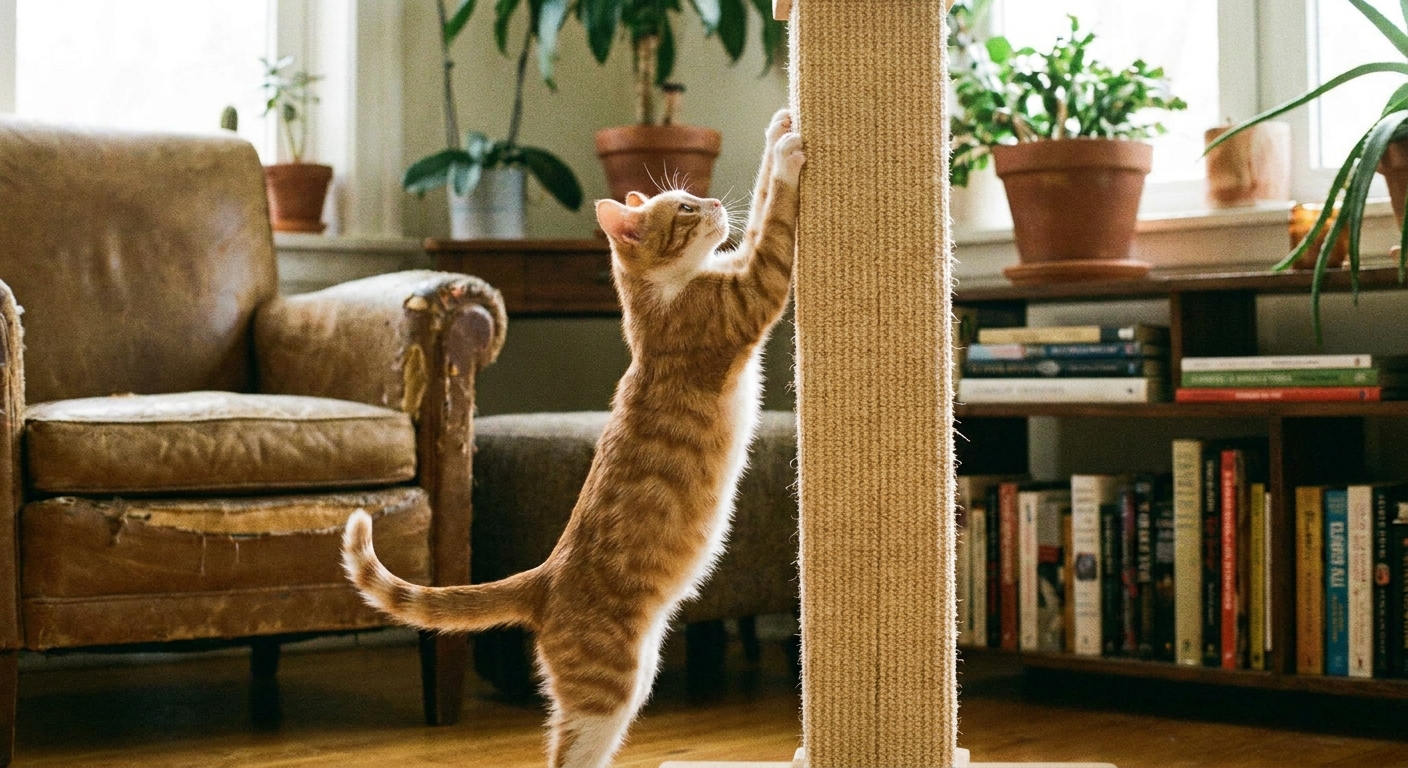
A good rule is to size the post to your kitten’s full stretch: they should be able to stand on their back legs and reach up fully without topping out.
- Aim for: Around 24 inches as a solid starting point for many kittens.
- Even better: 28 to 32 inches if you have the space, or if you suspect you are raising a long, leggy cat.
- Base matters: Look for a wide, heavy base. Wobble is one of the fastest ways to make a kitten avoid a post.
If your kitten is on the bold side, they may treat the post like a launch pad. Stability is key.
Horizontal scratchers: long enough to sprawl
Flat scratchers are not “lesser.” Many kittens prefer them, especially during zoomy play cycles.
- Look for: Longer pads or lounges that let your kitten scratch with both front paws comfortably.
- Added bonus: Some kittens like to nap on a cardboard lounger, which keeps the scratcher in the center of their routine.
Angled scratchers and ramps
These are wonderful for kittens who can’t decide between vertical and horizontal scratching. The angle supports a good stretch but still feels grounded and stable.
Placement tips
Placement is the secret sauce. Cats scratch where scratching makes sense to them. Your goal is to put scratchers where your kitten already wants to scratch.
Put a scratcher near sleeping spots
Most cats scratch when they wake up. Place a vertical post or cardboard pad within a few steps of your kitten’s favorite nap zone.
Anchor scratchers in social areas
Scratching is also communication, including scent marking. A scratcher in the living room often gets more love than one hidden in a laundry room.
Block hot spots with a better option
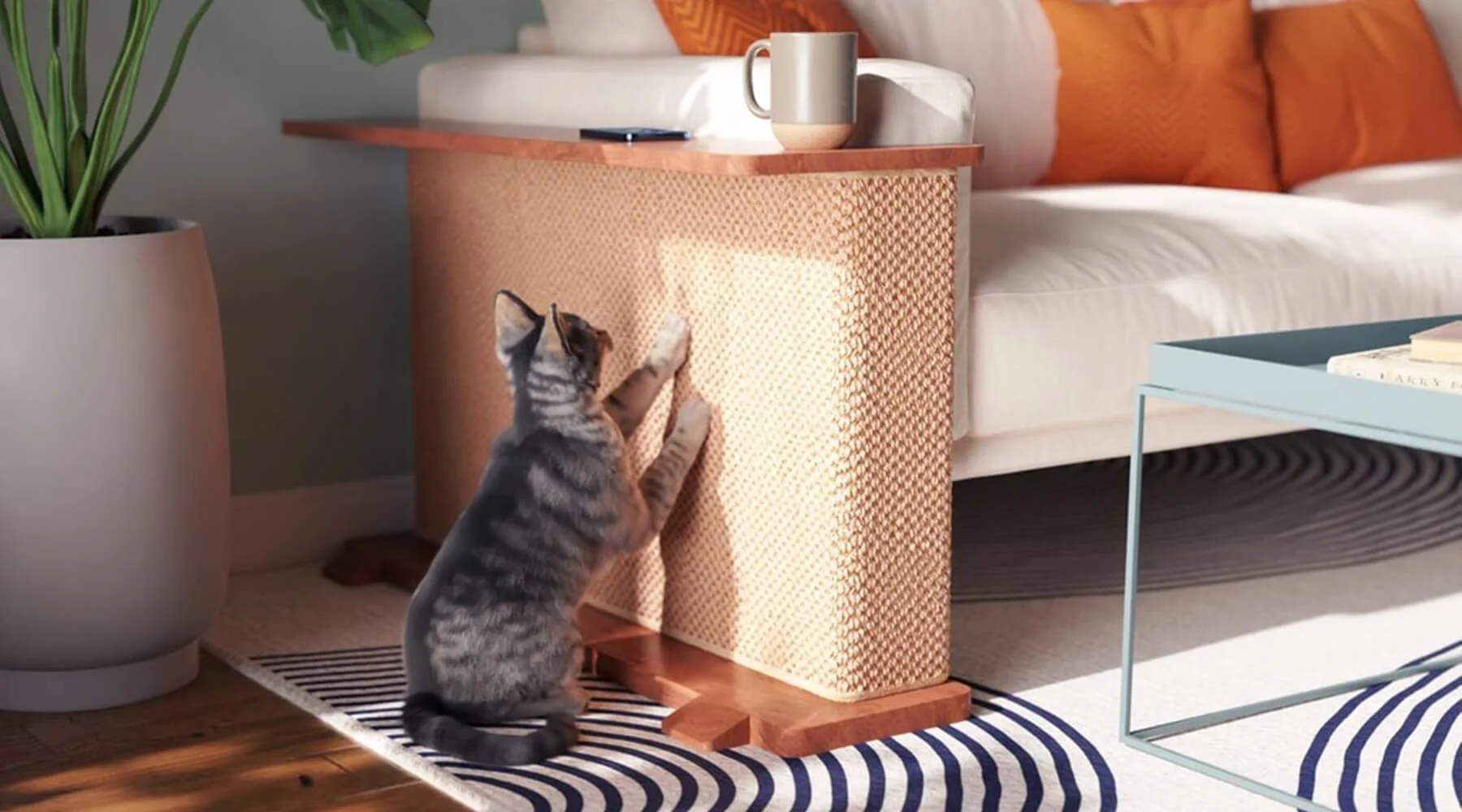
If your kitten is scratching the couch arm, do not just say “no.” Place a tall, stable scratcher right next to that exact corner. I like to position it so your kitten hits the post before they hit the furniture.
- Next to the couch arm they target
- By doorways or high-traffic paths (common marking areas)
- Near windows if your kitten gets excited watching birds
Extra management that helps: While you are building the habit, use double-sided tape, a couch corner protector, or a throw blanket on the exact spot they keep choosing. This is not “giving up.” It buys you time while your kitten learns what you want.
Give choices in each zone
In a small home, one vertical and one horizontal option may be enough. In a larger home, plan for at least one scratcher per main area. Think: where your kitten plays, where they sleep, and where the humans hang out.
Multi-cat note: If you have more than one cat, add more scratchers than you think you need, and spread them out. More locations can reduce competition and squabbles.
How to teach a kitten to use a post
Some kittens run to a new post like it is a gift from the universe. Others need a little coaching. Keep it gentle and positive.
Make the post feel alive
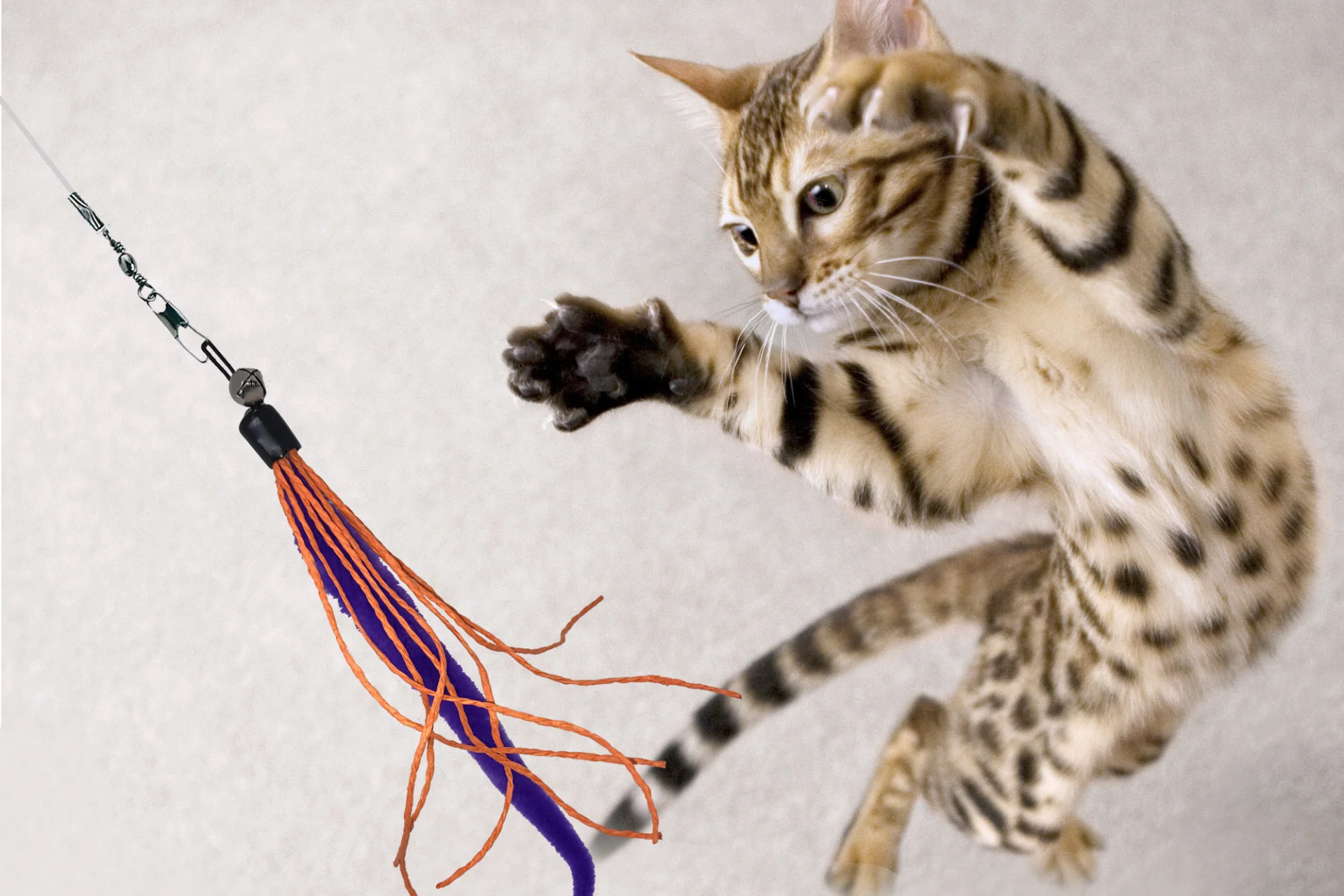
- Play nearby: Drag a wand toy up the post so your kitten’s paws land on the scratcher naturally.
- Praise the moment they touch it: A cheerful voice and a treat can lock in the habit fast.
- Catnip, silver vine, or valerian: Many adult cats love catnip, but some kittens do not respond until they are a bit older (and some never respond). Silver vine can be a hit with cats who ignore catnip. Valerian is very pungent and can be extra stimulating, so use a tiny amount, offer it during supervised time, and store it well-sealed.
Skip forced paw dragging
I know the internet suggests taking your kitten’s paws and “showing them.” Most kittens find that startling and it can make the post feel suspicious. Instead, let them choose it during play or right after a nap.
Redirect the kind way
If you catch furniture scratching:
- Interrupt gently with a calm voice, a quick “uh-uh,” or a soft attention-getting sound. The goal is to break focus, not scare them.
- Guide your kitten to the scratcher that is nearby, or lure them with a toy.
- Reward scratching the moment it happens on the approved surface.
Consistency beats intensity here. Tiny corrections, repeated calmly, are how you build a habit.
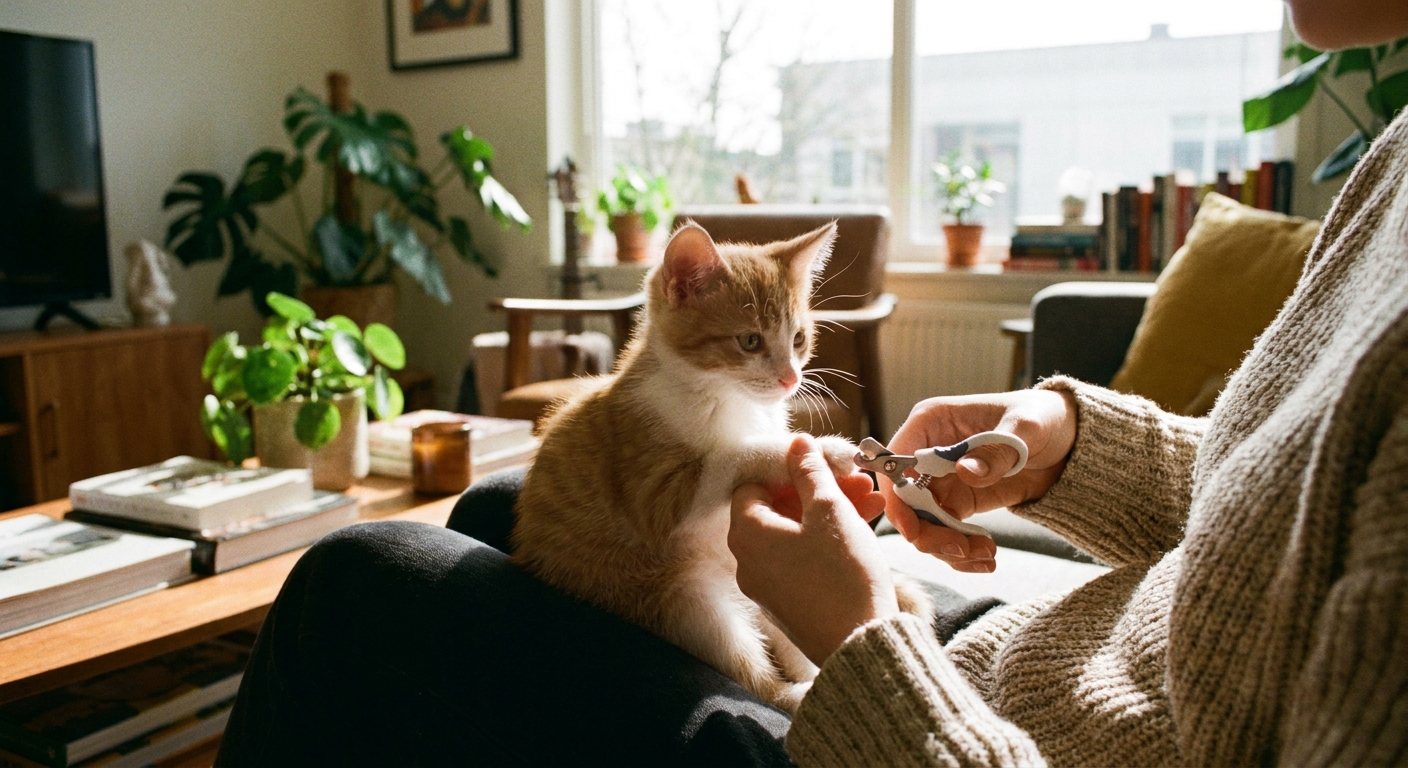
Also helpful: Keep nails trimmed so accidental couch damage is less dramatic. If you are new to nail trims, ask your vet or groomer to show you a safe technique. Scratching is still normal, even with trimmed nails. The goal is redirection, not elimination.
Common mistakes
The post wobbles
Fix: Upgrade to a heavier base, wedge the base against a wall, or choose a post that attaches to a larger cat tree. You can also place the base on a grippy mat.
The post is too short
Fix: Add a taller sisal post, or use an angled ramp scratcher that allows a longer stretch.
Only offering one type of scratcher
Fix: Add a cardboard pad or a horizontal sisal scratcher. Many kittens have a clear preference, and it is not always vertical.
Tucking the scratcher in a corner
Fix: Move it where life happens. If you feel like the scratcher is “in the way,” it is probably in the perfect spot.
Replacing scratchers too late
Fix: If cardboard is shredded or sisal is smooth and worn, the scratch feel may be gone. Refreshing the scratch surface often brings interest right back.
Quick checklist
- One tall, stable vertical post (ideally sisal) in a main living area
- One horizontal option (cardboard pad or lounger) near a play zone
- Non-slip setup so nothing slides on tile or hardwood
- Placed near sleep and traffic, not hidden away
- Budget for replacement surfaces (especially cardboard)
FAQ
Is sisal safe for kittens?
Yes, sisal is widely used and generally safe for kittens. Choose a well-made post with tightly wrapped rope or sisal fabric. If your kitten is chewing and swallowing fibers, switch to a different material and talk to your vet, especially if you see gagging, vomiting, or reduced appetite.
Should I buy a scratching post or a cat tree?
Either can work. For many kittens, a simple dedicated scratching post gets more consistent use because the scratch surface is the main feature. A cat tree is great if it is stable and includes a tall scratch area. If you pick a tree, make sure the scratch zone is not tiny or wobbly.
How many scratchers does a kitten need?
At minimum, one vertical and one horizontal. If your kitten has a favorite scratch location (like the couch), add a scratcher right there. More scratchers usually means less furniture damage, especially in multi-cat homes.
What if my kitten only scratches the carpet?
Start by offering a horizontal scratcher with a similar grabby feel, like cardboard or a low sisal mat, placed directly on the preferred spot. Then gradually slide it a few inches at a time to the location you want. Pair that with temporary management, like blocking access to the carpet corner with a heavy object or using a protector, while the habit shifts.
If you’re feeling overwhelmed, keep it simple: buy one tall sisal post, add one cardboard scratcher, and place them where your kitten already hangs out. That combination solves the vast majority of scratching drama I see in foster homes, and it makes life calmer for both you and your tiny whirlwind.