The day you bring your kitten home should feel exciting, not like a frantic late-night run to the pet store because you forgot a litter scoop. I have been there. When I brought home my first foster litter, I thought I was prepared… until I realized I had the wrong litter, no baby-safe toys, and exactly one food bowl for five tiny chaos gremlins.
This checklist is the exact “set it up before the kitten arrives” supply list I use at Kitten Sprout. It covers what you truly need for day one, what is nice to have, and what to skip until you know your kitten’s preferences.
Quick note: This list assumes a weaned kitten (typically around 8+ weeks). If you are caring for a bottle baby or a kitten still learning to eat on their own, you will need specialized feeding and heating guidance from your vet or rescue.
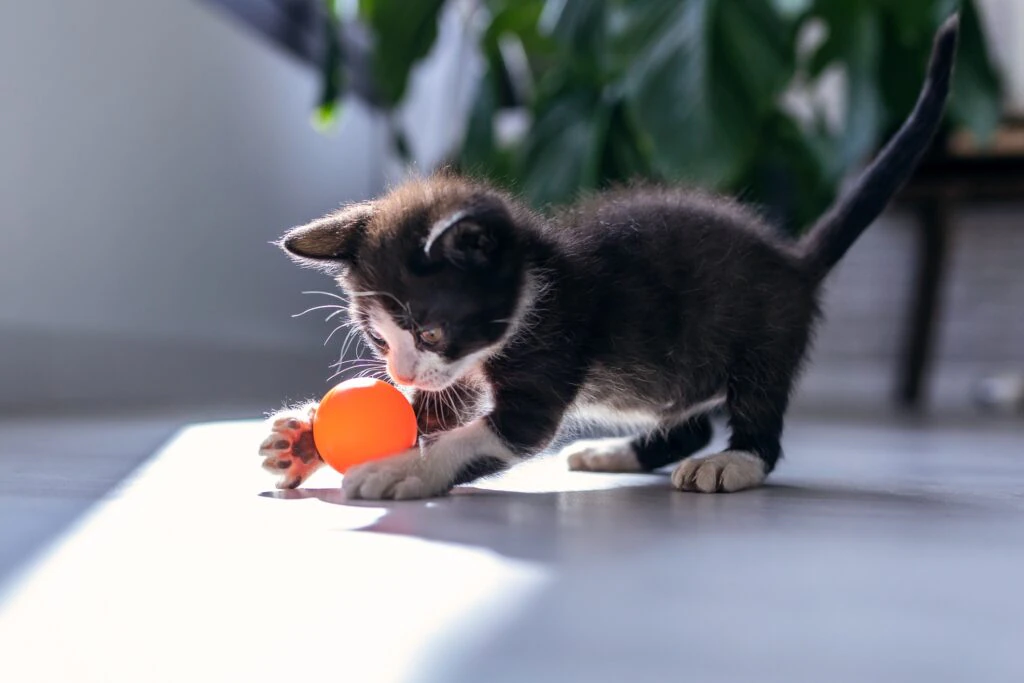
The quick checklist (day-one essentials)
If you want the short version first, here are the non-negotiables for most kittens:
- Litter box (low entry) + litter + scoop + mat
- Kitten food (wet and/or dry) + treats (optional) + measuring scoop
- Food and water bowls (or fountain) that are easy to clean
- Carrier (hard-sided or sturdy soft-sided)
- Scratching option (horizontal or angled scratcher, plus a vertical post if you can)
- Cat-safe toys (a variety, including wand toys)
- Cozy bed or blanket and a hiding spot
- Nail trimmers and a basic brush
- Enzymatic cleaner for accidents
- ID plan: microchip + registration, plus an ID tag and breakaway collar (optional for indoor kittens), or a harness for training later
- Kitten-proofing basics: cord protection, trash can with lid, and safe storage for chemicals
Set up a home base room
Before we talk products, pick a small, calm starter space for the first 2 to 7 days. A bedroom, office, or large bathroom works great. This is where your kitten learns: this is where food happens, this is where the litter box is, and these humans are safe.
In that room, you will want three zones:
- Litter zone: box and mat in a quiet corner, away from food.
- Food and water zone: bowls spaced apart a little, away from litter.
- Sleep and comfort zone: bed, blanket, and a hiding spot (more on that below).
Once your kitten is confidently eating, playing, and using the box, you can slowly expand access to the rest of the home.
Litter box supplies
Litter box
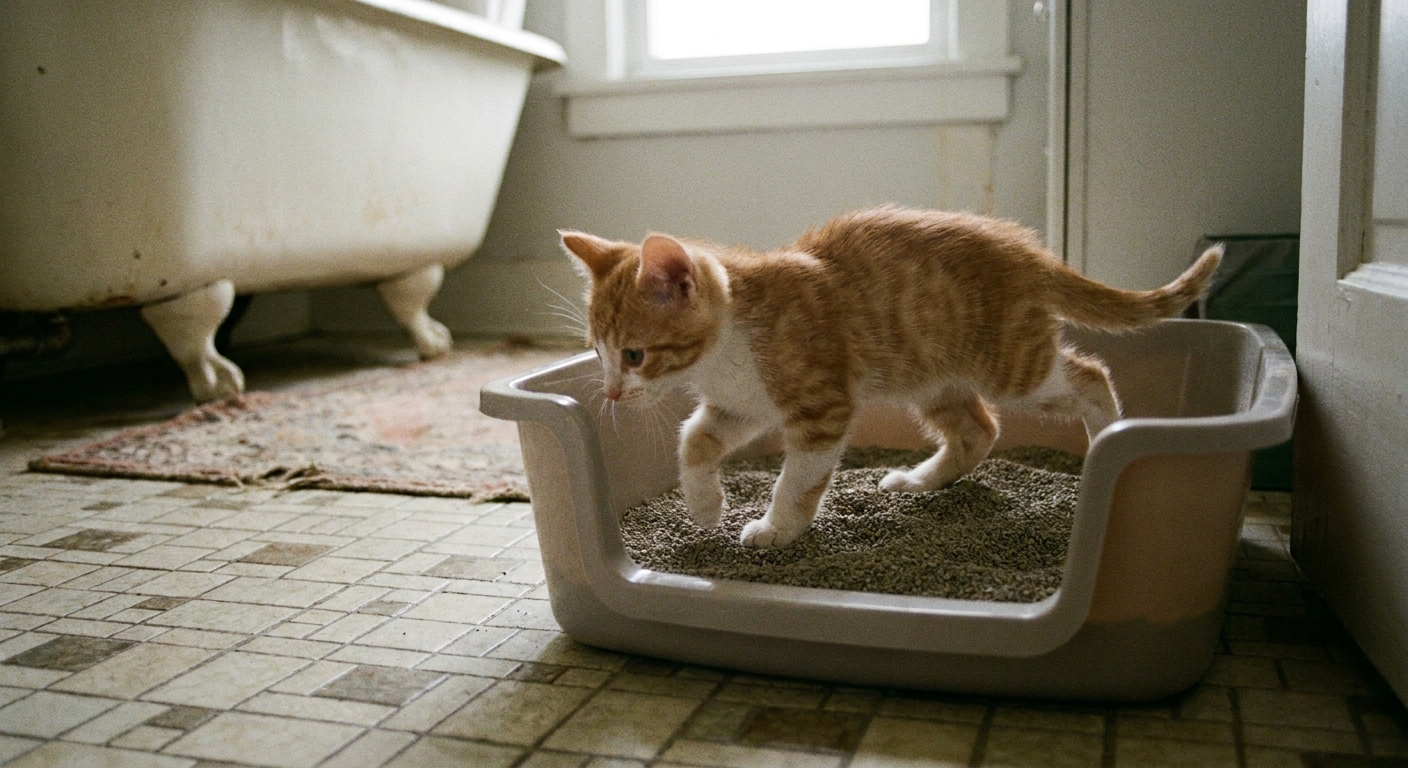
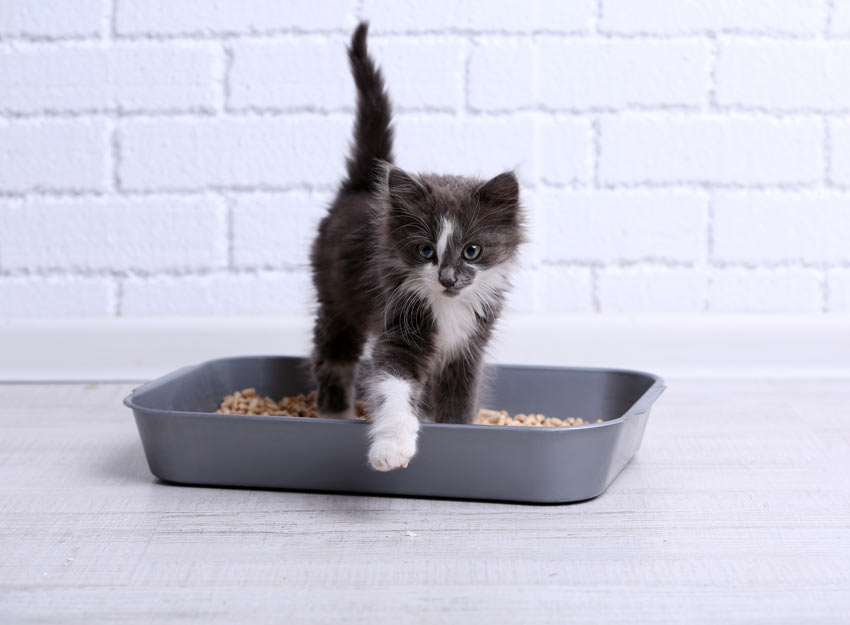
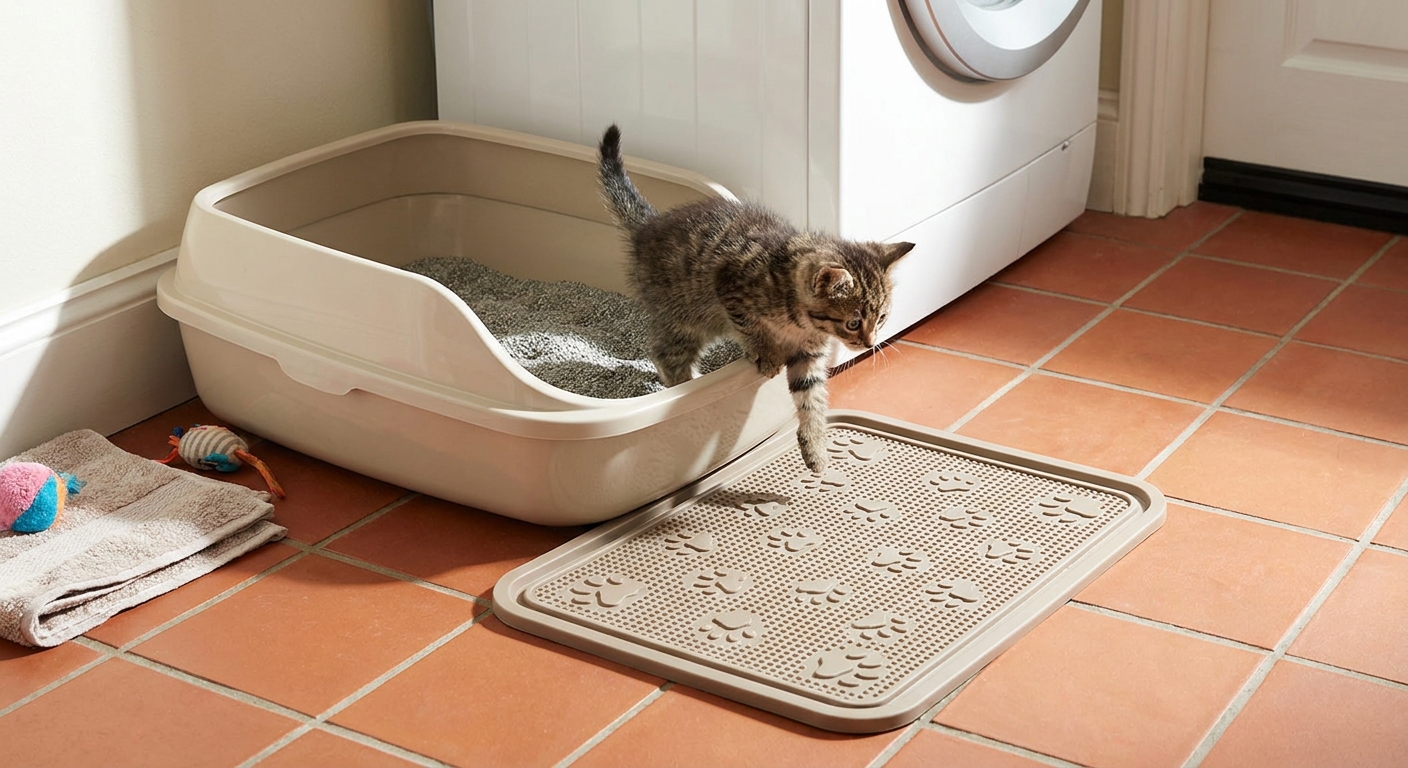
What to buy: A low-entry, open litter box for kittens. High sides can be tough for little legs, and covered boxes can trap smells and intimidate nervous kittens.
- Size tip: Bigger is usually better, but the entry needs to be easy.
- How many: The classic “one box per cat, plus one extra” is a helpful guideline, not a law. For a single kitten in a small space, one box is fine for day one, then add another as they gain access to more rooms. If your home has multiple floors, having at least one box per floor is a practical way to prevent accidents as their territory expands.
Litter
What to buy: A basic, unscented litter is a solid default for most kittens. Many households use clumping litter successfully, but the best choice depends on your kitten’s age, habits, and whether they try to taste everything in sight.
Important safety note: Some kittens will mouth or eat litter, especially if they are very young, newly weaned, stressed, or simply determined to sample the world. If you notice chewing or ingestion, talk to your vet or rescue about starting with a non-clumping litter until the habit passes. Some clumping litters, including certain plant-based types, can form very firm clumps if swallowed, so this is one area where it is worth being cautious.
Scoop, trash system, and mat
- Scoop: Metal lasts longer and is easier to sanitize, but any sturdy scoop works.
- Waste container: A small lidded trash can or litter pail. Odor control is your future best friend.
- Litter mat: Helps catch litter and keeps paws cleaner.
Food and feeding supplies
Kitten food (wet, dry, or both)
What to buy: Food labeled for kittens or growth. Kittens need higher calories and specific nutrients for development.
- If your kitten comes with a current food: Buy that first. Sudden diet changes can cause tummy trouble.
- Wet food benefits: Extra hydration and often easier for tiny mouths.
- Dry food benefits: Convenient and can help some kittens graze.
If you want to switch foods, do it slowly over 7 to 10 days by mixing increasing amounts of the new food into the old.
Bowls (and where to place them)
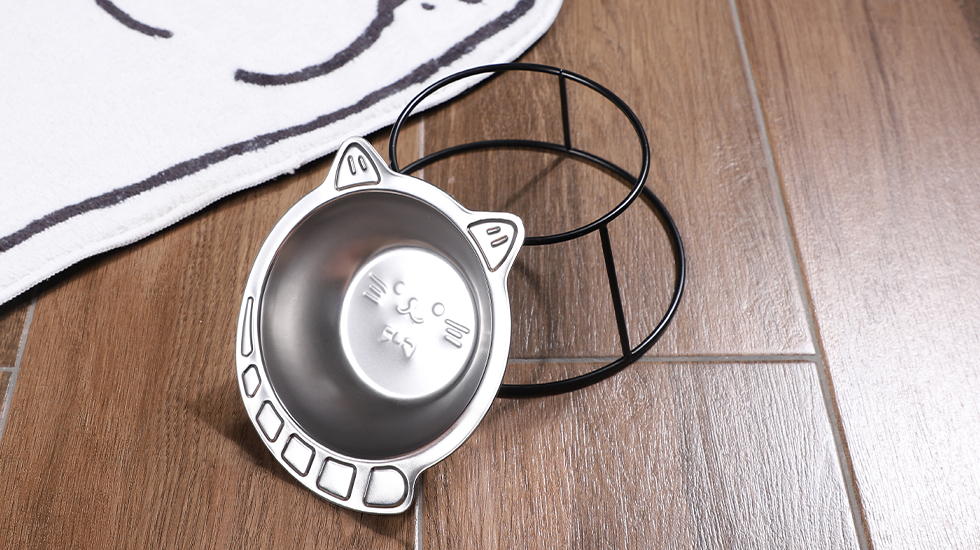
What to buy: Two shallow, easy-to-clean bowls (food and water). Stainless steel or ceramic are easiest to sanitize and tend to hold less odor than plastic.
- Whisker comfort: Shallow, wide bowls can be more comfortable than deep narrow ones.
- Spacing tip: Place water a bit away from food, and both away from the litter box.
Water fountain (optional)
A fountain can encourage drinking. This is optional for day one, but if you do buy one, choose a model with easily available filters and parts you can clean thoroughly.
Measuring scoop and food storage
Overfeeding is surprisingly easy with kittens who act like they have never eaten a day in their lives. A simple measuring scoop helps you stay consistent, and an airtight container keeps dry food fresher.
Carrier and transport
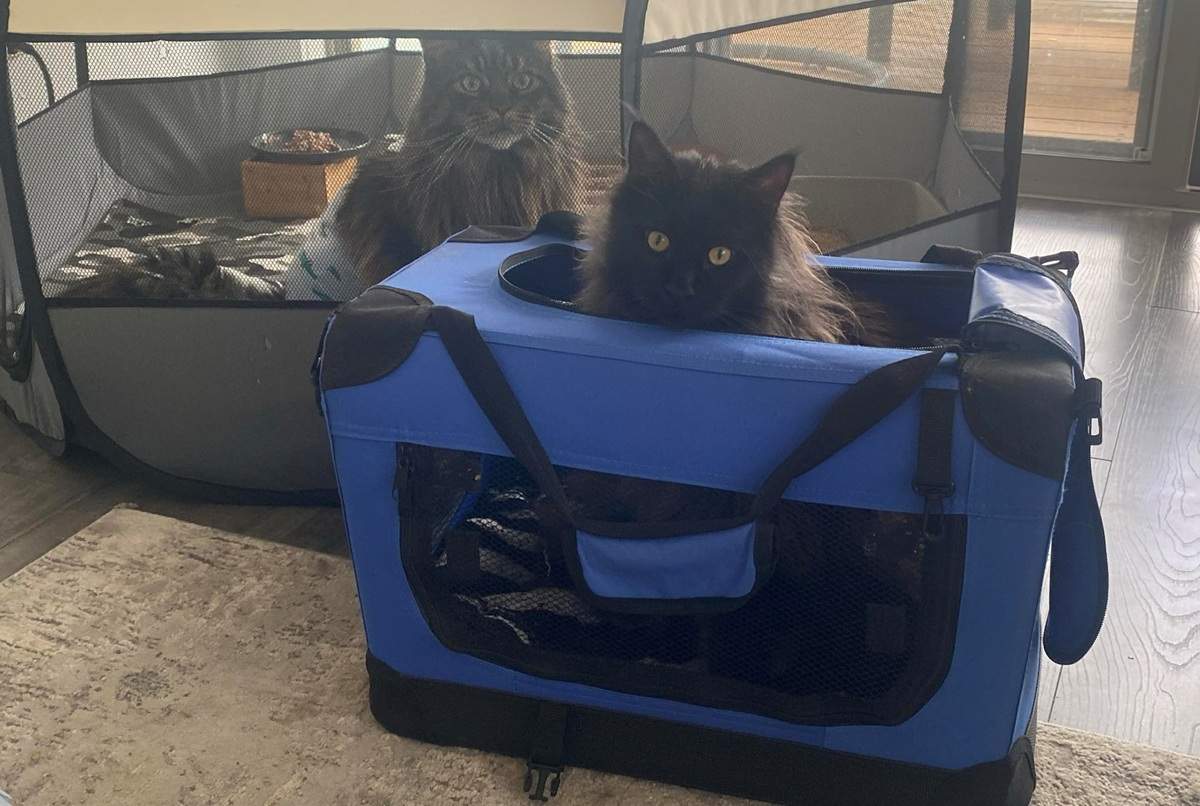
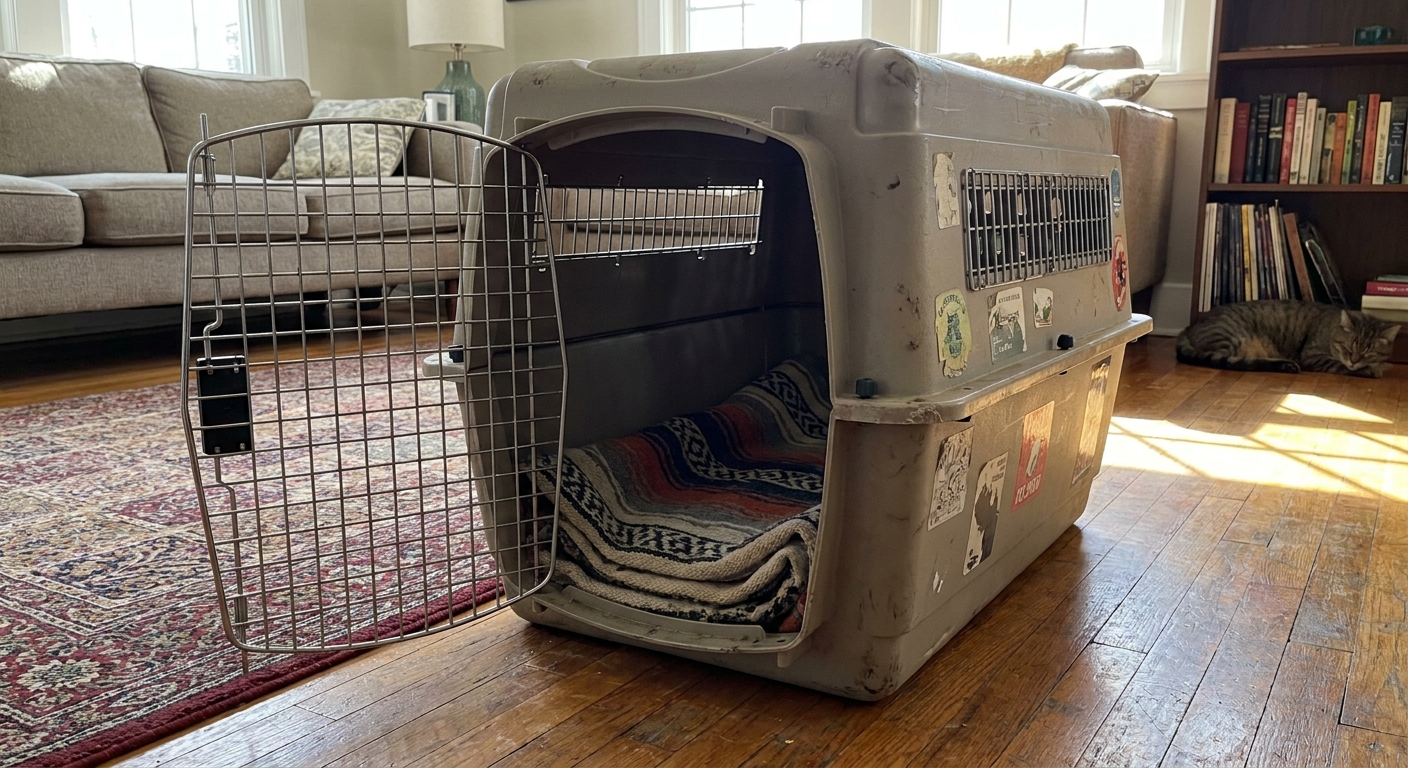
What to buy: A secure carrier that opens easily and can be cleaned. You will use it for vet visits, emergencies, and travel. Even indoor cats need carriers.
- Hard-sided carriers: Durable, stable, and usually the easiest to clean.
- Soft-sided carriers: Lightweight and often more comfortable to carry, but choose one with sturdy structure and good ventilation.
Size tip: Your kitten should be able to stand up, turn around, and lie down comfortably. Too small is stressful, but too huge can feel wobbly in the car.
Day-one tip: Leave the carrier out in the home base room with a soft blanket inside. If it becomes a cozy nap spot, future vet trips get so much easier.
Scratchers
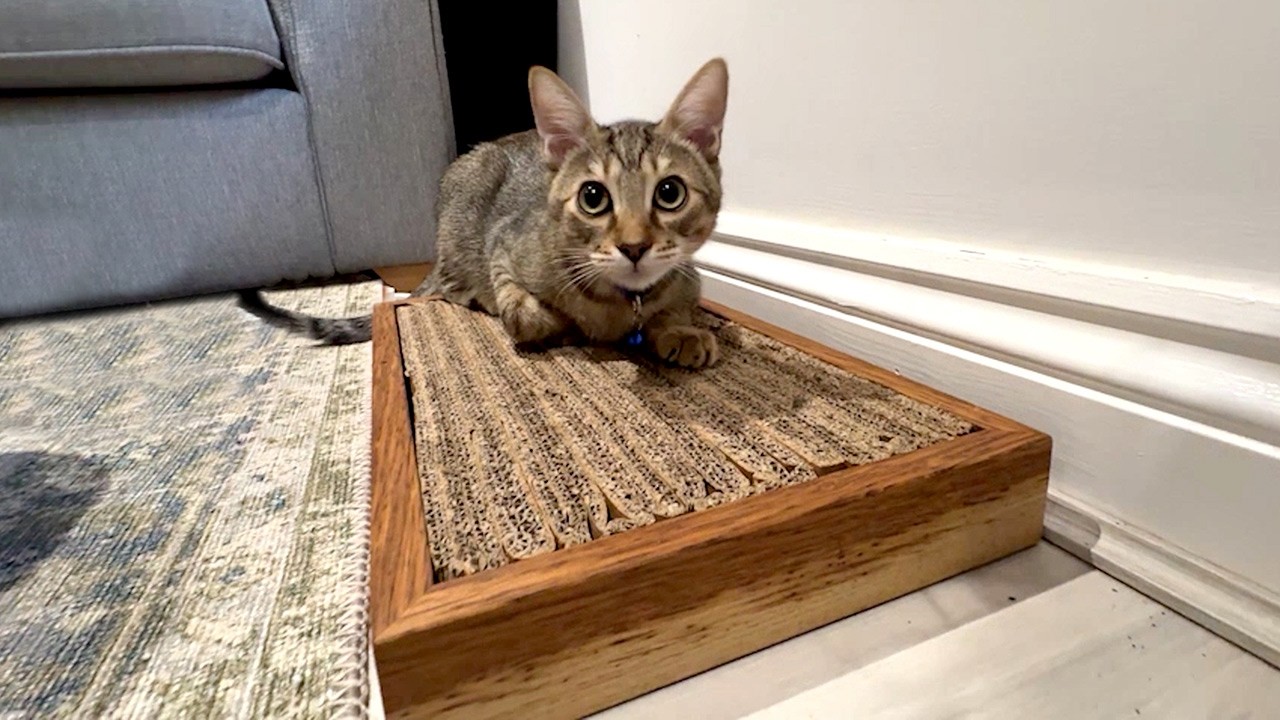
Scratching is normal, healthy, and non-negotiable for cats. Your job is to make the right scratching option more appealing than your couch.
What to buy
- One horizontal scratcher (cardboard is fine and budget-friendly)
- One vertical scratching post that is sturdy and tall enough for a full stretch
- Optional: An angled scratcher, which many kittens adore
Height tip: Many cats do best with a post that is roughly 28 to 32 inches tall (or taller). Stability matters more than perfection. A wobbly post is a rejected post.
Placement tip: Put a scratcher near where your kitten wakes up and near any furniture you worry about. Cats love a “big stretch scratch” after naps.
Toys for play and bonding
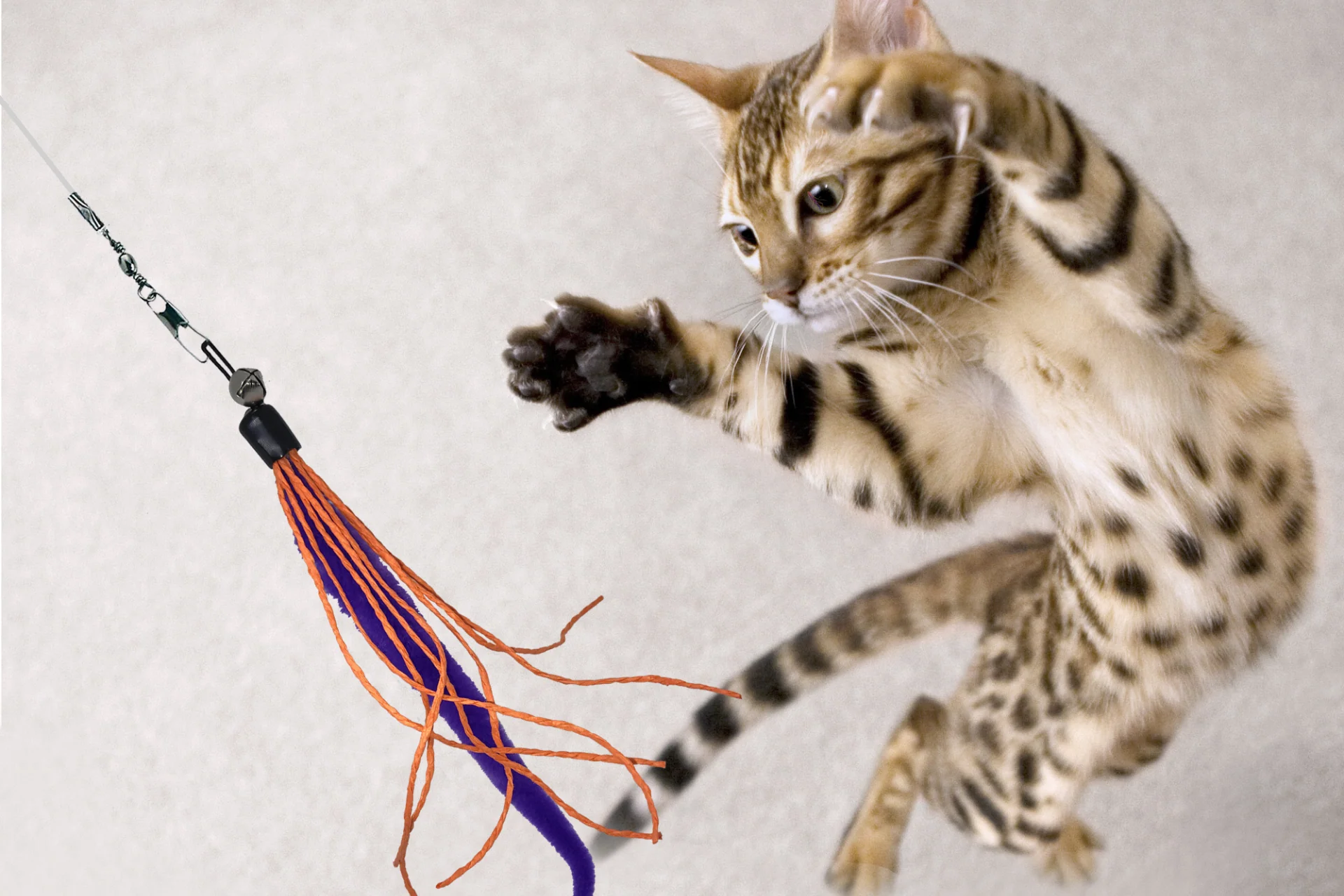
Toys are not just entertainment. They are how kittens burn energy, build coordination, and learn appropriate bite and claw control.
Must-have toy types
- Wand toy: My top bonding tool. It lets your kitten chase while keeping your hands out of “prey range.”
- Small kick toy: Great for bunny-kicking urges.
- Lightweight balls or mice: For solo play and nighttime zoomies.
Toy safety rules I follow
- Skip toys with easily pulled-off eyes, feathers that shred, or loose strings your kitten can swallow.
- Do not leave wand toys out unattended. Put them away after playtime.
- If your kitten destroys a toy, toss it. If it can be eaten, it will be eaten.
My foster-house trick: Rotate toys every few days. You do not need a mountain of toys, just a small variety that feels “new” on rotation.
Bedding and comfort
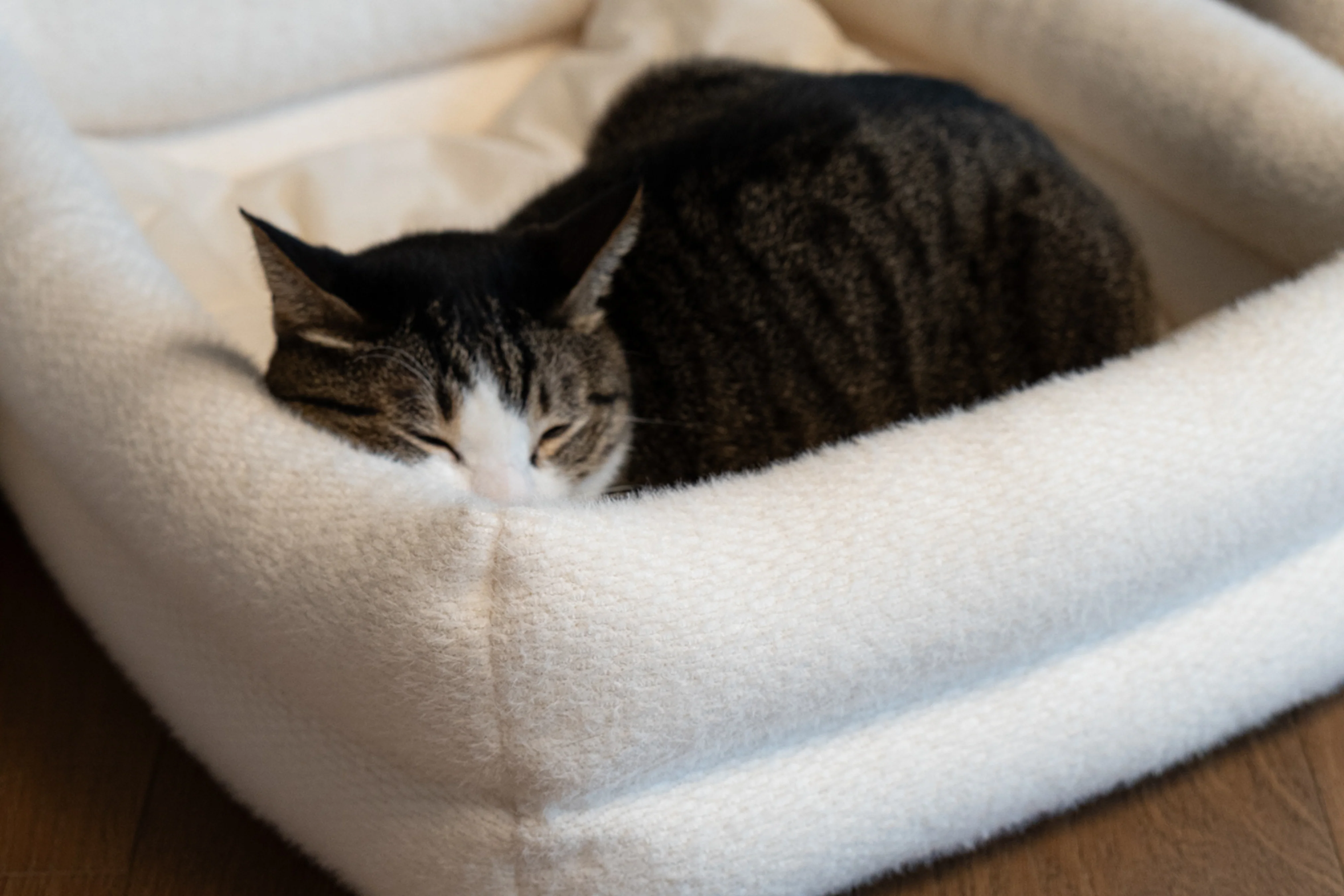
New places are overwhelming. A kitten who has a safe place to hide usually becomes brave faster, not slower.
What to buy
- Washable bed or a soft blanket
- Hiding spot: A covered cat bed, a pop-up cube, or even a sturdy cardboard box on its side
- Heating option (optional): For very young kittens or chilly homes, a pet-safe heating pad or a microwavable heat disk can help. Always provide space to move away from the heat.
Day-one tip: If you have a blanket or towel that smells like their previous space (rescue, foster home), bring it. Familiar scent is powerful comfort.
Grooming basics
You do not need a salon setup. You just need the basics so your kitten learns handling is normal and not scary.
What to buy
- Nail trimmers: Small pet clippers are easiest. Start with tiny trims and lots of praise.
- Brush or comb: A soft brush for short-haired kittens, and a gentle comb for longer coats.
- Cat-safe wipes (optional): Helpful for messy paws or food faces, especially during weaning stages.
- Pet toothbrush and cat toothpaste (optional for day one): Great long-term habit, but you can start later once your kitten settles in.
Handling tip: Touch paws, ears, and mouth briefly during calm cuddle moments. One second at first is plenty. This is how you raise a cat who tolerates nail trims without acting like you have betrayed them forever.
Cleaning and accident insurance
Even litter-trained kittens can have accidents during the first week. New smells, new layout, and stress can throw them off.
What to buy
- Enzymatic cleaner: This is the big one. It breaks down odor so your kitten is less likely to re-soil the same spot.
- Paper towels and washable rags
- Disposable gloves (optional)
Quick fix for accidents: If your kitten has an accident, gently place them in the litter box afterward. No scolding. We want the box to feel safe.
Health and safety
Vet plan
If your kitten did not come with recent medical records, schedule a vet visit within the first week. Bring any paperwork you have from the rescue or breeder, including vaccine dates and deworming history.
Microchip and ID
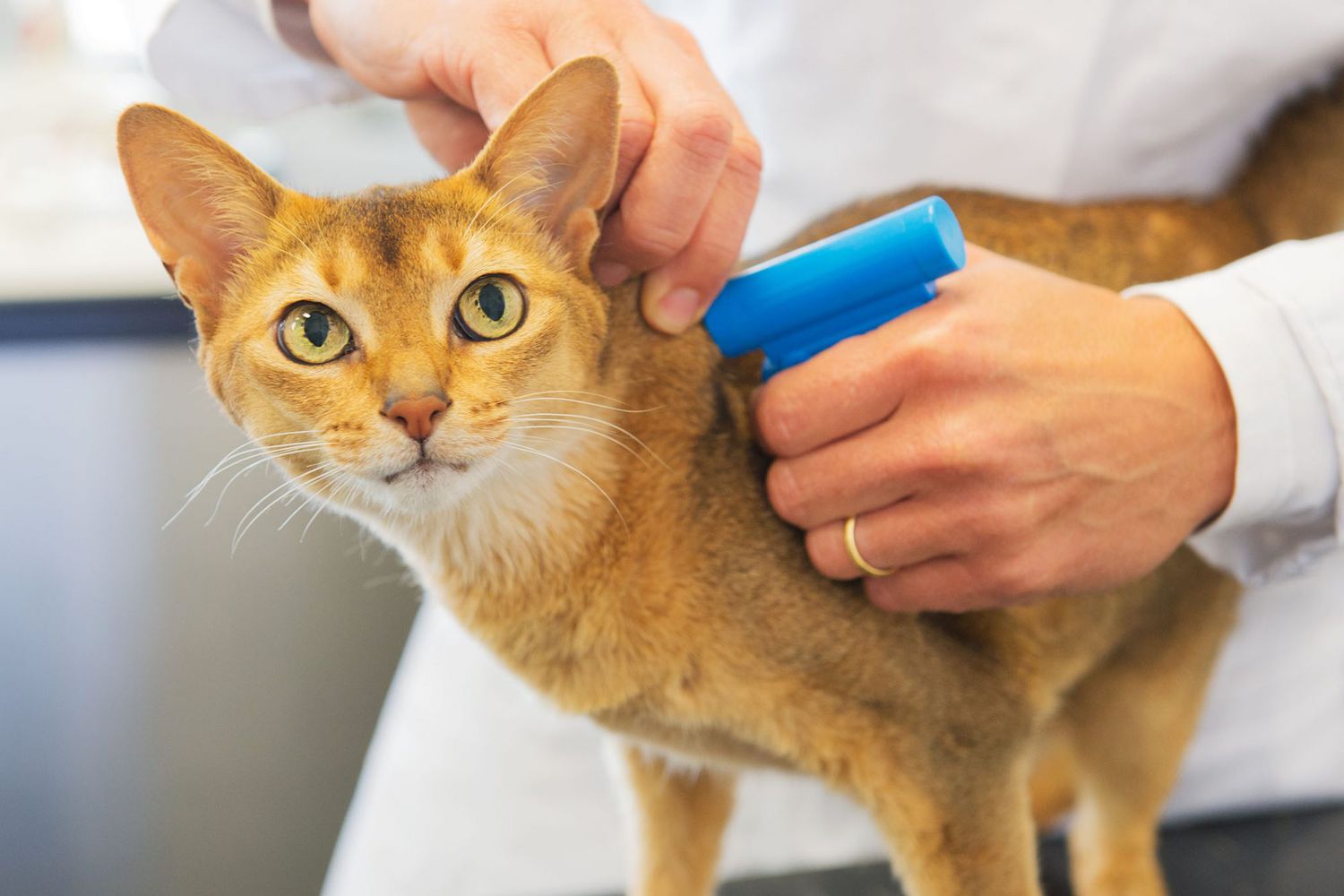
Even indoor cats can slip out. A microchip is the most reliable, long-term ID you can give your kitten. If your kitten is chipped, confirm the chip number and register it with your current contact info. If they are not chipped, ask your vet about microchipping at an appropriate age and weight.
Flea comb and parasite prevention
What to buy: A simple flea comb is useful to have on hand. For flea medication, do not guess. Many over-the-counter products are not safe for kittens, especially very young or small ones. Ask your vet for the right option based on your kitten’s weight and age.
Pet-safe first aid basics (nice to have)
- Digital thermometer (and vet guidance on how to use it)
- Saline wound wash
- Non-stick gauze and self-adhesive wrap
For anything more than a minor scrape, call your vet. Kittens can go downhill fast, and it is always worth getting professional advice.
Kitten-proofing
Kittens explore with their mouths and paws. If it dangles, crinkles, or fits under a couch, it is automatically fascinating.
Do this before they arrive
- Cord protection: Cord covers or cord organizers for exposed wires.
- Trash can with a lid: Especially if you use dental floss, hair ties, or have food scraps.
- Secure storage: Put cleaners, medications, and small swallowable items behind closed doors.
- Houseplant check: Many common plants are toxic to cats. If you have plants, verify they are cat-safe or move them out of reach.
- Block unders: If your kitten can crawl under the bed or couch, decide if that is okay. If not, block it before day one.
- Extra hazard sweep: Pick up string, ribbon, rubber bands, needles and pins, and anything else tiny and swallowable. Close toilet lids, check window screens, and be cautious with recliners, rockers, washers, and dryers before you sit or shut a door.
My rule: If you would not hand it to a teething toddler, do not leave it where a kitten can reach it.
Optional upgrades
These can be great, but they are not necessary for day one. If you are trying to keep costs down, start with the essentials and add later.
- Fancy cat tree (start with a simple scratcher and add vertical space later)
- Automatic feeder (hand feeding helps bonding early on)
- Extra beds (your kitten will sleep in the weirdest places anyway)
- DNA tests, pet cameras, or premium subscription toys
Budget starter plan
If you want a practical approach that keeps you from overbuying, this is what I recommend:
Buy before pickup
- Litter box setup (box, litter, scoop, mat)
- Food they are already eating (or vet recommended kitten food)
- Two bowls
- Carrier
- One scratcher
- A few safe toys (including one wand)
- Enzymatic cleaner
Buy after week one
- Second litter box (especially if you open up more rooms or add a box on another floor)
- Different scratcher style if they ignore the first
- Water fountain if they are not drinking much
- Upgraded cat tree or window perch
Day-one setup checklist
- Home base room ready: quiet, warm, door closes securely
- Litter box: accessible, unscented litter, scoop nearby
- Food and water: bowls filled, water refreshed
- Sleeping spot: bed or blanket plus a hiding place
- Scratcher: placed near bed and or main area
- Toys: wand toy put away until supervised play
- Carrier: left out with a blanket so it feels normal
- Cleaning: enzymatic cleaner within reach
- Kitten-proofing: cords managed, trash secured, tiny objects picked up
FAQ
Do I need a collar for my indoor kitten?
Not strictly, but a breakaway collar with an ID tag can be helpful in case of an accidental escape. Some kittens hate collars at first, so go slow and make sure it is properly fitted (you should be able to slip two fingers underneath). Check the fit often. Kittens grow fast.
That said, a microchip is the most durable form of ID. Collars can break away, which is exactly what you want for safety.
Should I get clumping or non-clumping litter?
For many kittens, unscented clumping litter works well. For kittens who try to eat litter, or kittens your vet considers higher risk, start with non-clumping and switch later. When in doubt, ask, and prioritize safety over convenience.
How many toys does a kitten need?
A small variety is plenty: a wand toy, a couple of solo toys, and something to kick. Rotate them to keep things interesting.
One last thing
If you adopt from a rescue or foster, ask what litter and food your kitten is currently using. Matching those for the first couple of weeks can save you a lot of stomach upset and litter box confusion.
And if you are standing in the aisle debating between the seventh and eighth toy pack, take a breath. Your kitten needs safety, consistency, and a few solid basics far more than they need a cart full of gadgets. You have got this.