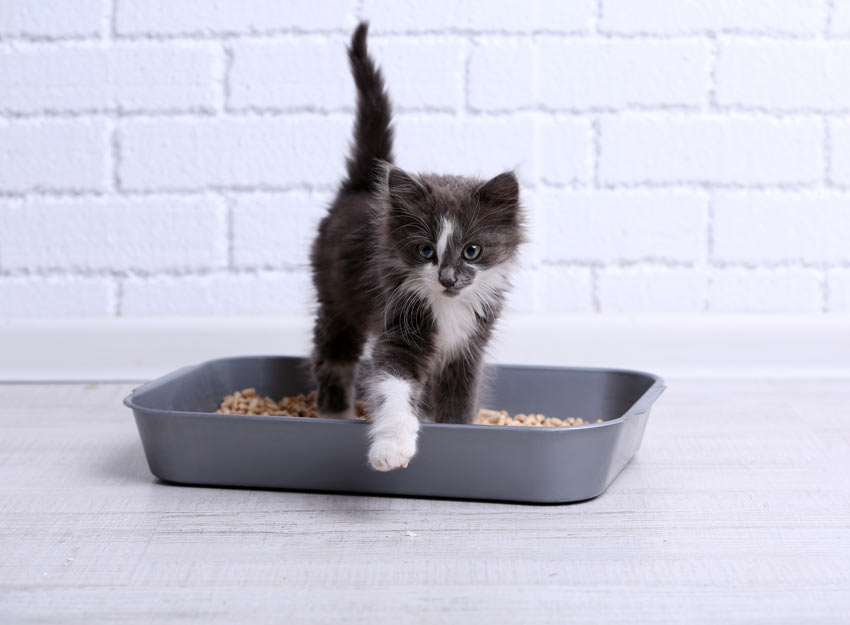
If you are staring at your new kitten and thinking, "Please just know what the litter box is," take a breath. Most kittens learn quickly with the right setup and timing, without punishment. In foster homes, I have litter-trained tiny chaos goblins who arrived with no clue what sand is for. The secret is making the correct choice feel obvious and easy.
This guide walks you through a simple plan you can start today, plus the most common reasons accidents happen and exactly what to change.
Before you start: what is normal
Healthy kittens often pee every few hours and poop about one to two times a day, but it can vary a lot by age, diet, and hydration. A brand-new home can also trigger a few mistakes. Your goal the first week is not perfection. It is consistency and confidence.
- Most kittens naturally want a soft, diggable surface and a little privacy.
- Accidents are information, not spite. Kittens do not do this out of revenge.
- Punishment backfires and can cause litter box fear or sneaky elimination.
One important age note: kittens under about 4 weeks old are not litter trained in the usual sense and may still need help eliminating (usually stimulation from mom or a caregiver). If you have a very young kitten, ask your vet or rescue for guidance on safe elimination support.
Choose a kitten-friendly setup
Pick the right box (or boxes)
For a new kitten, the best litter box is often the simplest one.
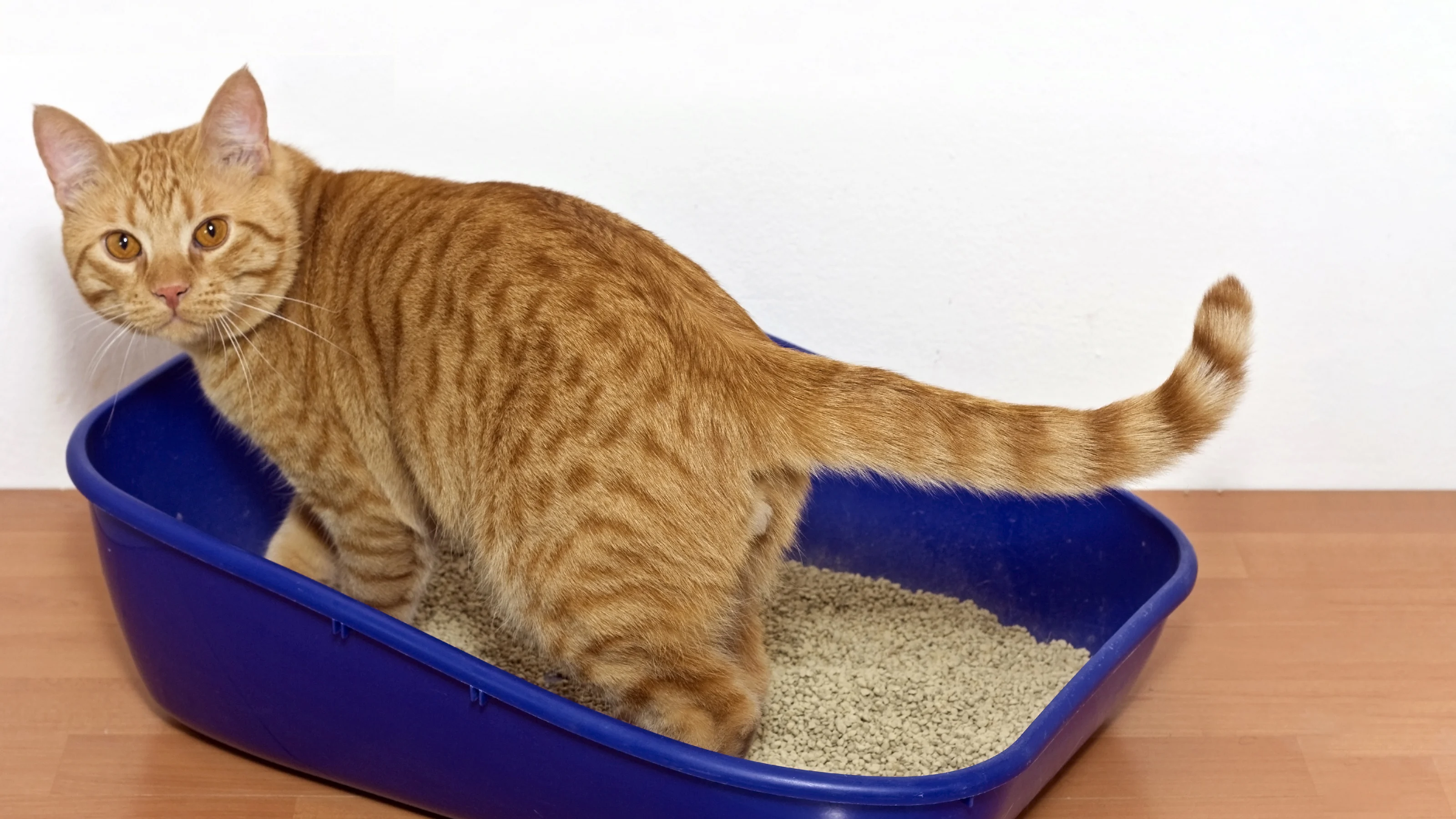
- Size: big enough to turn around easily. Many kittens do great with a standard small cat pan.
- Height: low entry (about 2 to 3 inches) so tiny legs can step in without climbing.
- Covered or not: start uncovered. Some kittens dislike covered boxes, and covers can trap smells and feel cramped. Covered boxes can work for some households later, but training is usually easier with an open pan.
- How many: at least two boxes for one kitten if your home has more than one room they roam. The classic rule is number of cats + 1.
Start with gentle, unscented litter
Many kittens refuse strongly scented litter. For training, I recommend:
- Unscented clumping litter with a fine texture (feels like sand) for most kittens who are not trying to taste it.
- If your kitten is very young or still mouthy, consider a non-clumping unscented litter at first. Clumping litter can be risky if swallowed, especially if a kitten is eating noticeable amounts. If litter-eating is persistent, call your vet.
- Kitten-safe alternatives like paper-based litter or pellets can also be good options for very young kittens. If you switch later, do it gradually to avoid box refusal.
Avoid switching litter brands repeatedly during the first week. Pick one and give it time.
Location matters
Put boxes in calm, easy-to-reach spots.
- Quiet corner, not directly next to loud appliances.
- Not right beside food and water bowls.
- Not hidden behind obstacles your kitten has to squeeze past.
- If your kitten is confined to one room at first, keep a box within a few steps of their resting area.
- If you have stairs or multiple floors, put at least one box on each level. Tiny kittens do not always make it in time.
Step by step: first 3 days
Day 1: make the box the easiest option
- Set up a starter room (bathroom, laundry room, or bedroom). Keep it simple: bed, food, water, toys, and a litter box.
- Show them the box as soon as they arrive. Gently set them in the box and let them step out on their own.
- Offer a "box trip" after key moments: after naps, after meals, after play sessions, and any time they start sniffing and circling.
- Praise softly when they use it. Calm voice, maybe a treat for bold kittens.
Day 2: build a routine
- Scoop at least once daily. Twice is better for picky kittens.
- If you see a near-miss, calmly lift the kitten into the box. No scolding.
- Keep them in the starter room until you are seeing consistent use.
Day 3: expand slowly
Once your kitten reliably uses the box, open one additional room at a time. Add a second litter box if the new space is far from the first, or if it is on another floor. Tiny kittens do not always make it across the house in time.
Keep it working long-term
Keep the box clean
Kittens have surprisingly strong opinions. A dirty box is one of the most common reasons for accidents.
- Scoop: daily minimum.
- Deep clean: every 1 to 2 weeks. Dump litter, wash with mild soap and warm water, dry fully, then refill.
- Avoid harsh cleaners: strong smells can make kittens avoid the box.
Do not move the box suddenly
If you need to relocate a box, do it gradually. Move it a few feet per day so your kitten can keep track. If you move it across the house overnight, you might get "I could not find it" accidents.
Make access easy
If your kitten sleeps with you and the door is closed, they still need a box nearby. Nighttime accidents are often simple logistics, not behavior.
Troubleshooting accidents
When accidents pop up, think like a detective. The fix is usually a small change.
Problem: "My kitten pees right next to the box"
- Likely causes: box is too dirty, litter texture is disliked, box is too tall to enter comfortably, or the kitten feels rushed or startled in that location.
- Try:
- Add scooping sessions and add a second box.
- Switch to an unscented, fine-grain litter.
- Use a low-entry pan.
- Move the box to a quieter corner.
Problem: "My kitten pees on the bed or couch"
Soft surfaces can feel similar to litter, especially if your kitten is stressed or the box is unpleasant.
- Try:
- Block access temporarily while you retrain, or supervise closely.
- Add a litter box closer to that favorite hangout zone.
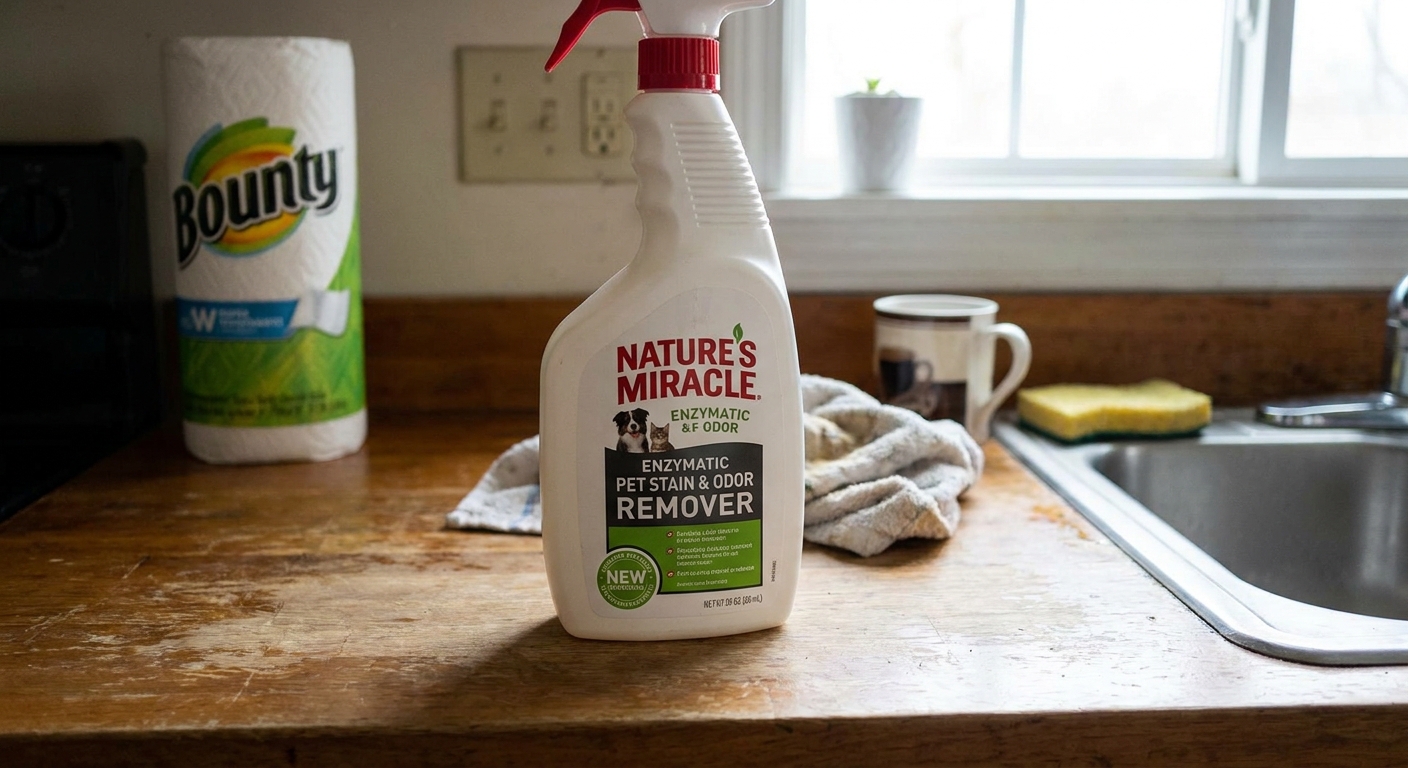
- Clean bedding and upholstery with an enzymatic cleaner made for pet urine, and give it the full dwell time on the label. For upholstered items, check the manufacturer cleaning instructions first.
- Increase calm with predictable play sessions, cozy hiding spots, and a gentle routine.
Problem: "My kitten poops outside the box"
- Likely causes: constipation, diarrhea, box aversion, or they did not make it in time.
- Try:
- Add a second box near the most common accident area.
- Use a larger box. Some kittens outgrow the tiny pan quickly.
- Watch the stool. If it is hard, very soft, has blood, or your kitten strains, call your vet.
Problem: "My kitten plays in the litter or eats it"
Digging is normal. Eating litter is not something to ignore.
- Try:
- Switch to a non-clumping, unscented litter temporarily.
- Provide extra digging outlets with crinkle tunnel time, kicker toys, and short play bursts after meals.
- Call your vet if your kitten repeatedly eats litter, especially if they swallow noticeable amounts.
Problem: "My kitten used the box, then stopped"
- Likely causes: stressful change (new pet, visitors), painful urination, box suddenly dirtier than usual, or you changed litter or box style.
- Try:
- Reduce space again and reset with two boxes, then rebuild the routine for a few days.
- Undo recent changes if possible and return to the previous litter or box style.
- Watch for medical red flags listed below.
Clean accidents the right way
If a kitten can smell the old spot, they may think it is an approved bathroom. Cleaning is training.
Use the right products
- Urine: enzymatic cleaner designed for pet urine. Follow the soak time on the label and let it fully air dry.
- Poop: remove solids, clean with mild soap, then follow up with enzymatic cleaner if any staining or odor remains.
Quick do-not list
- Do not use ammonia-based cleaners. They can smell like urine to cats.
- Do not rub aggressively into carpet. Blot and soak instead.
- Do not put the litter box on top of the accident spot unless you are intentionally using that as a short-term retraining tactic. In many homes, adding a second box nearby works better.
When it is medical
I know we are here to talk training, but I never want you to miss a health issue. Call your vet promptly if you notice:
- Straining to pee or crying in the litter box
- Frequent tiny pees, especially outside the box
- Blood in urine or stool
- Sudden diarrhea, vomiting, or lethargy
- No poop for 48 hours, or obvious constipation and discomfort
- Sudden new accidents after a period of reliable box use
Kittens can dehydrate quickly, and urinary issues can escalate. If your kitten seems unable to pass urine at all, treat it as urgent and seek veterinary care right away.
Common mistakes
- Box is too hard to enter: choose a low-entry pan or a cut-down storage bin with a smooth edge.
- Using scented litter or strong deodorizers: kittens often prefer unscented.
- Not enough boxes: add one. This solves more problems than you would think.
- Box in a scary spot: avoid noisy laundry machines, busy hallways, and areas where other pets can corner them.
- Free roaming too soon: start small, then expand once habits are solid.
- Rubbing their nose in it: it teaches fear, not location.
Accident reset (48 hours)
If you are in the messy stage right now, do this for the next two days.
- Reduce space to one easy room.
- Add two boxes with unscented litter and low entry.
- Schedule box trips after sleep, play, and meals.
- Scoop twice daily and keep the area calm.
- Clean every accident with enzymatic cleaner.
Most kittens improve fast once the environment is doing the heavy lifting.
FAQ
How long does it take to litter train a kitten?
Many kittens catch on within a few days, especially if they were with mom or in a foster home. If your kitten is very young, stressed, or the setup is not kitten-friendly, it can take a couple of weeks to become fully consistent.
Should I put the kitten in the litter box over and over?
Use gentle reminders at the right times, not constant placing. After meals, naps, and play is perfect. If your kitten is resisting, focus on improving the box setup and location rather than forcing it.
What if my kitten is scared of the litter box?
Start with an uncovered, low-sided box in a quiet area. Avoid liners that crinkle, switch to unscented litter, and make sure no other pet can ambush them while they are inside.
Can I use litter attractant?
It can help some kittens, especially if they are confused about where to go. Use it as a short-term assist while you also fix the underlying issue, like box location or litter type.
One last reassurance
Litter training rarely fails because you are doing something wrong. It usually fails because the box is inconvenient, unpleasant, or a little intimidating for a tiny animal still learning the map of your home. Make it easy, keep it clean, and treat accidents as clues. You and your kitten will get there.