If you are raising a kitten, microchipping is one of those small, quick choices that can make a life-changing difference later. I have fostered plenty of “totally indoor” kittens who still managed to bolt through a door during a grocery run or slip out when a guest arrived. A collar can fall off. A tag can get snagged. A microchip, once it is in place and properly registered, stays with your kitten and gives shelters and vets a reliable way to contact you.
Below is exactly how microchipping works, what to expect during the appointment, what it can cost, and the part many loving pet parents accidentally skip: registering and keeping the chip information up to date.
What a microchip is and what it is not
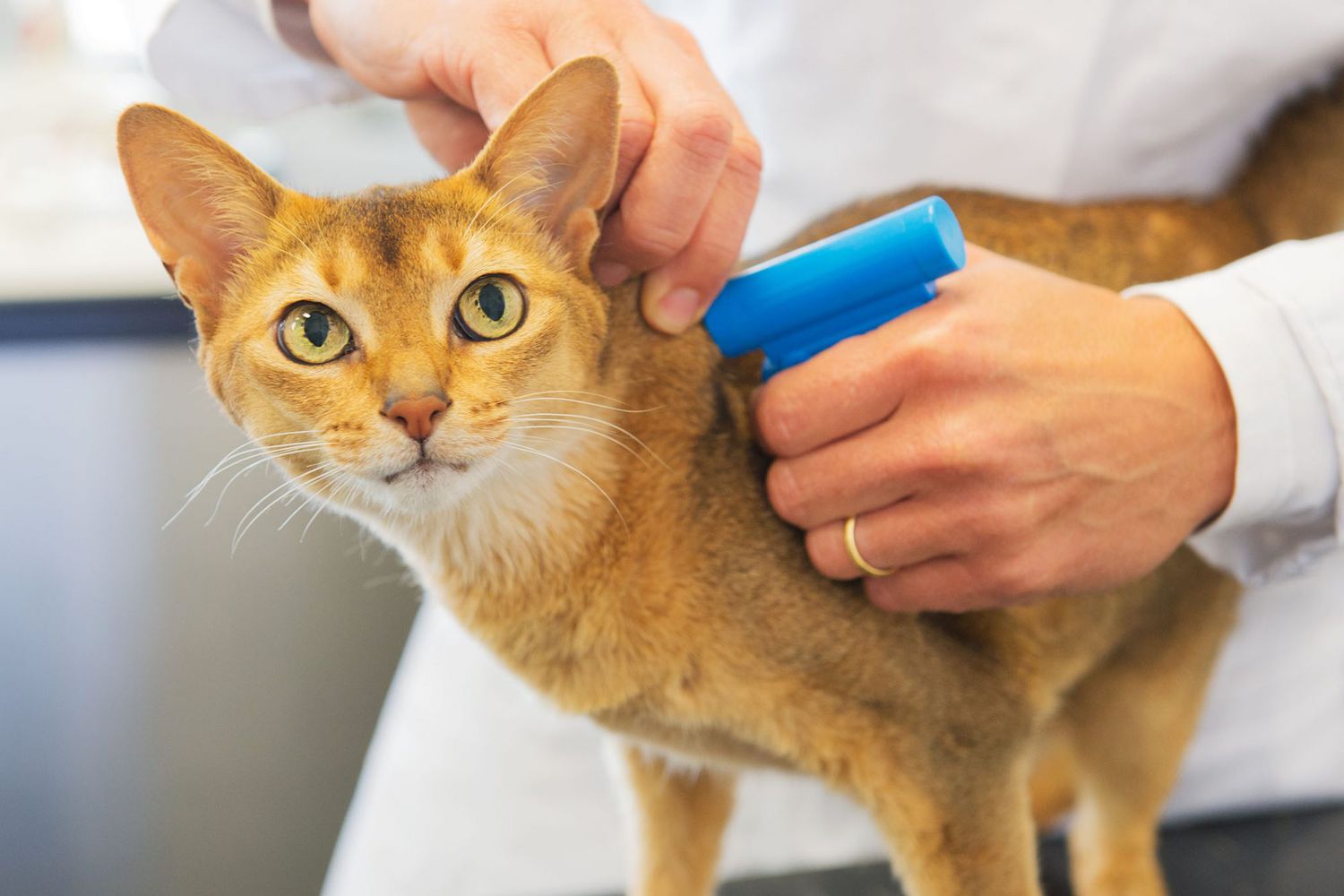
A pet microchip is a tiny electronic chip, about the size of a grain of rice, that is placed just under the skin between your kitten’s shoulder blades. The chip holds a unique ID number. That number is what a shelter or veterinary clinic reads using a scanner.
Microchips do not track your kitten
This is the biggest misconception I hear. A standard microchip is not a GPS tracker and it does not show your cat’s location in an app. It is more like a permanent ID tag that can be scanned when someone finds your kitten and brings them to a vet or shelter.
Microchips are passive
The chip has no battery. It “wakes up” only when a scanner passes over it, and then it transmits the ID number. Because there is no battery to die, the chip is intended to be long-lasting and it typically lasts for a cat’s lifetime. Rare failures can happen, which is one reason it is smart to ask your vet to scan the chip at routine checkups.
How microchipping works at a vet visit
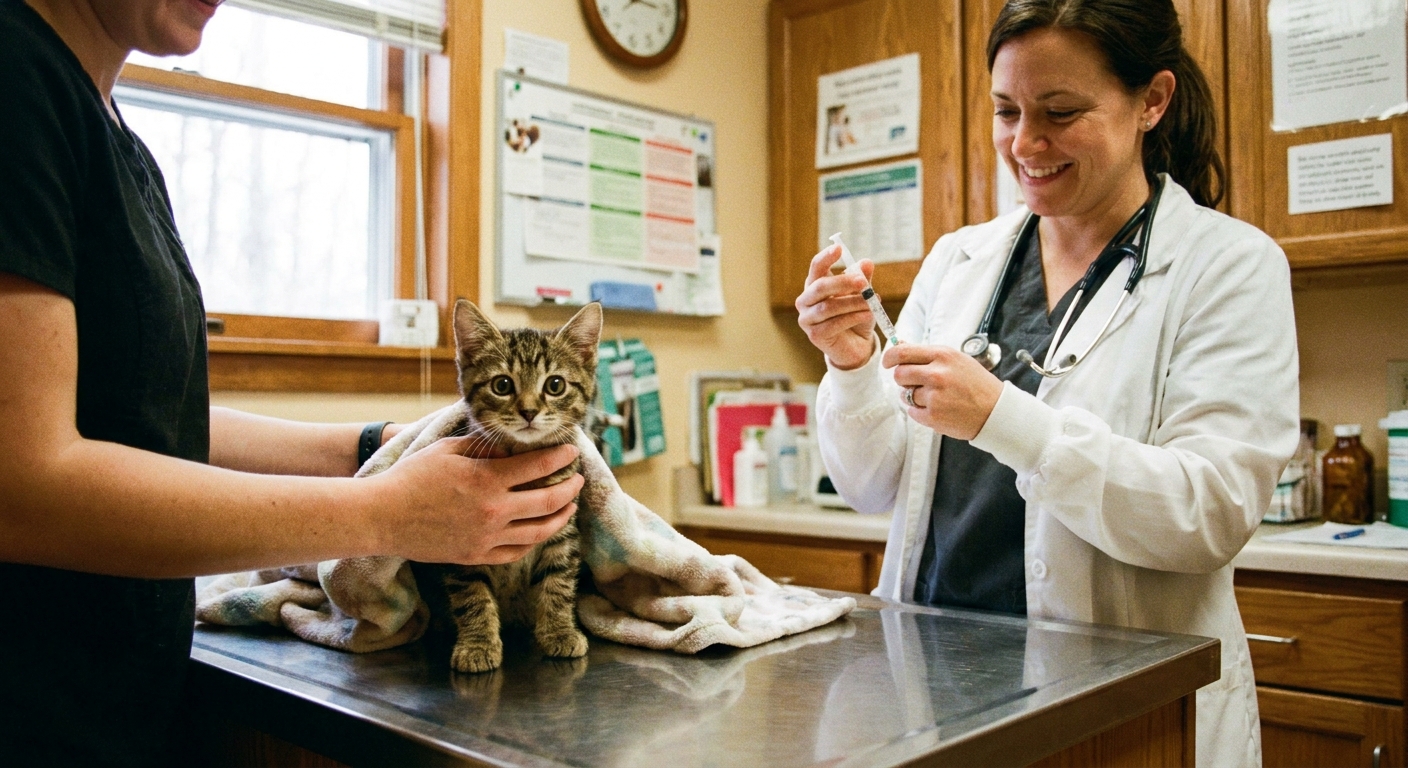
The actual microchipping part is fast. Most of the appointment is simply your vet confirming your kitten is healthy, answering your questions, and documenting the chip number in the medical record.
Step-by-step
- Quick exam and weight check. Your vet or technician will do a standard exam and confirm your kitten is stable for the procedure.
- The chip is scanned before it is placed. This verifies the chip is readable and matches the number on the paperwork and label.
- The chip is inserted under the skin. It is delivered with a sterile needle, similar to a vaccine needle but typically a bit larger.
- Your kitten is scanned again. This confirms the chip is in place and readable.
- You receive the microchip number. You may get stickers for your records, plus instructions for registration.
Most kittens react like they do to a vaccine: a quick “hey, what was that?” moment, and then they are busy sniffing the exam room again. Some are more dramatic. Some do not notice at all. Either is normal.
When to microchip a kitten
Many clinics microchip at a spay or neuter appointment because your kitten is already there and the team can scan and document everything neatly. Microchipping can also be done during a vaccine visit.
Age and weight guidelines vary by clinic. If your vet gives you a specific target like “once they are around 2 pounds” or “at the spay or neuter visit,” that is usually about making handling easier and safer and matching the timing of other care. If you have a very tiny kitten or a medical concern, ask your veterinarian what timing is best for your specific cat.
Average costs for kitten microchipping
Microchipping is usually a one-time cost, and it is often less expensive than people expect. Pricing is highly region-dependent and it changes over time, so consider these common U.S. ranges as a starting point.
Typical price range
- Veterinary clinic: often $45 to $75, depending on region and whether it is bundled with another service.
- Spay or neuter package add-on: often discounted, sometimes around $20 to $50 as an add-on.
- Low-cost clinics and vaccine events: may offer microchips for $10 to $30 on certain days.
Some microchip registries also offer optional paid upgrades, like enhanced alerts or lifetime enrollment. The key thing is that your contact information must be linked to the chip number in a registry that can be searched. That can often be done for free, depending on the chip company and the registry used.
What can change the price
- Your location and local clinic pricing
- Whether the chip is bundled with surgery or vaccines
- Whether the clinic includes registration support or enrollment fees
- After-hours or emergency visits (avoid if you can, schedule proactively)
Is microchipping safe for kittens?
For the vast majority of kittens, microchipping is considered very safe. Complications are uncommon, but it helps to know what is normal and what is not so you can feel confident.
Normal after microchipping
- Mild tenderness at the insertion site for a day or two
- A brief yelp during insertion
- A tiny scab where the needle went in
Call your vet if you notice
- Swelling that grows, feels hot, or looks painful
- Discharge or bleeding that does not stop
- Lethargy, vomiting, facial swelling, or hives (rare, but treat urgently)
- A lump that persists or enlarges over time
One more practical note from foster life: kittens are world-class wrestlers. For the first day, try to keep rough play a little calmer if you can, especially if your kitten has also had vaccines that day.
Why microchipping matters for indoor kittens
I love an indoor-only lifestyle for cats. It is safer, and it helps protect local wildlife. But “indoor-only” does not prevent accidents.
Common escape scenarios
- A door is propped open while carrying groceries
- A guest opens the door without realizing you have a kitten
- A window screen pops loose
- A move to a new home leads to a frightened dash
- A fire alarm or repair visit causes chaos and hiding, then slipping out
When a microchipped cat is found, the finder does not need to know your name or your address. They only need to bring the cat to a clinic or shelter so staff can scan and contact you.
Microchips can also support an ownership claim if a cat is picked up by animal control, ends up at a shelter, or is mistaken as a stray. It is not the only proof that matters, so I still recommend keeping any adoption paperwork, vet records, and a few clear photos of your cat at home.
The most important step: register the microchip
A microchip is only as good as its registration. I have seen heartbreaking cases where a cat had a chip, but it was never registered or it was registered to an old phone number. In those situations, shelters may have no way to reach the family.
How to register it correctly
- Get the microchip number. Your clinic should provide it on a label or paperwork. Take a clear photo of it with your phone.
- Ask which company and registry is associated with the chip. If your paperwork lists a website or phone number, start there.
- Complete the registration promptly. Ideally the same day, while all your info is in front of you.
- Add multiple contact methods. Use at least one phone number plus an email address.
- Add an alternate contact. Choose someone who will pick up unknown calls and can help if you are unreachable.
- Confirm the listing is active. Look for a confirmation email or registration number.
If you are not sure where to register, ask your veterinarian to point you to the correct registry for that specific chip brand. Many clinics will help you double-check the process at checkout.
Keep your registration updated
Any time your contact information changes, update the registry:
- New phone number
- New address
- New email
- Change in emergency contact
Set yourself a reminder to verify microchip info once a year. I do this around my own cat’s adoption anniversary because it is easy to remember.
While you are at it, ask your vet to scan the chip at annual visits. It is a quick way to confirm the chip is still readable and to note where it sits, especially if it has migrated a little under the skin.
Chip standards and travel
If you ever travel or relocate with your cat, ask your vet what standard your kitten’s chip uses. Many modern chips follow ISO standards (often 11784/11785 at 134.2 kHz), but older chips and some regional programs can differ. In plain English: you want a chip that is widely readable, and you want your destination’s scanners to be able to pick it up.
For trips or moves, keep the microchip number with your pet’s paperwork, and double-check that your registry contact info is current before you go.
Microchipping and collars
Microchips and collars do different jobs. If your kitten tolerates a collar, I like a “belt and suspenders” approach.
- Microchip: permanent ID that works when scanned at a shelter or vet.
- Breakaway collar with ID tag: instant contact if a neighbor finds your kitten and can call you right away.
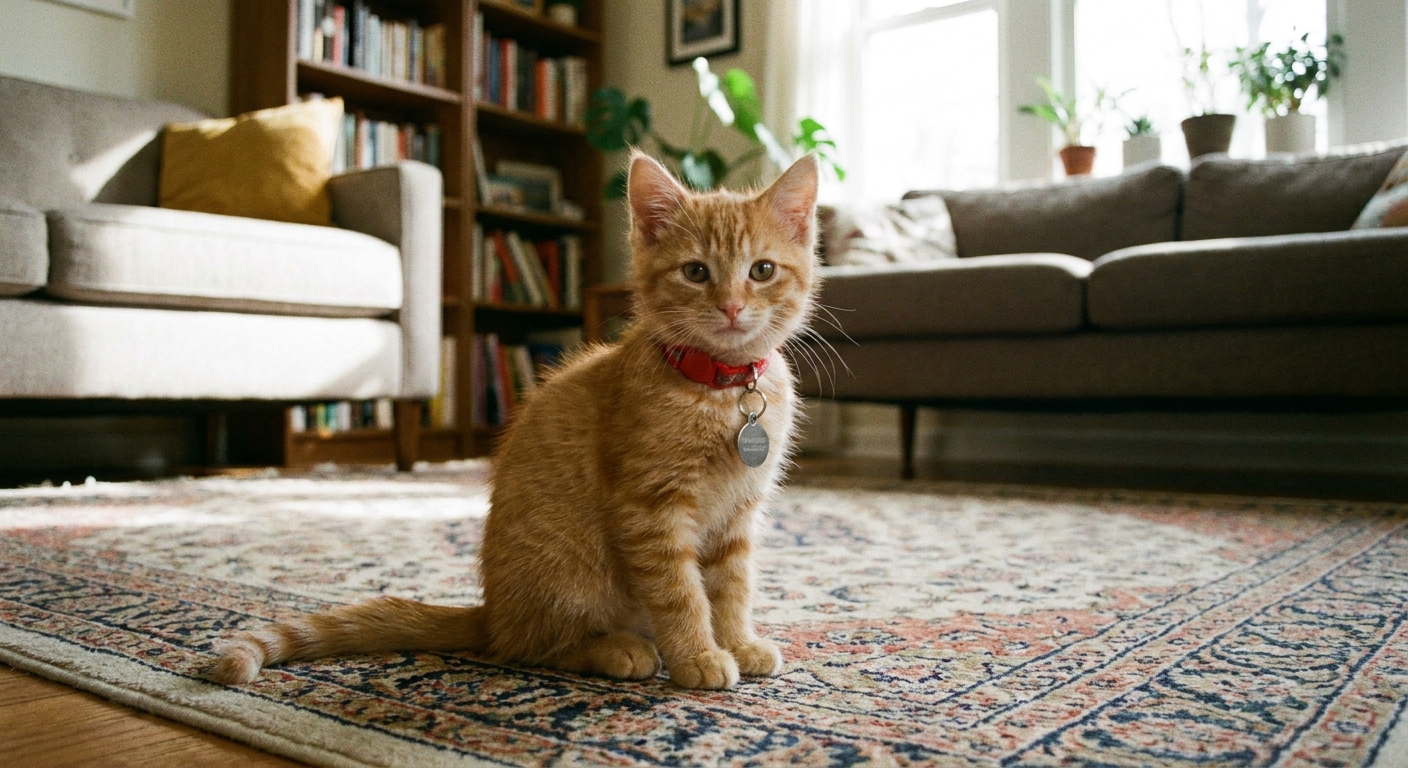
For kittens, choose a properly fitted breakaway collar designed for cats. You should be able to fit two fingers under it comfortably, and you should check the fit weekly while your kitten is growing.
What to ask your vet
If you want to walk out feeling completely confident, these are my favorite quick questions:
- “Can you scan my kitten now and read the number out loud?”
- “Which registry should I use for this chip?”
- “Is registration included, or do I need to complete it at home?”
- “Can you add the chip number to today’s invoice and medical record?”
- “What standard is this chip, especially if I ever travel?”
Microchip FAQ
Can a microchip move around in a kitten’s body?
Microchips are placed under the skin between the shoulder blades, and they are intended to stay there. In some pets, chips can migrate slightly under the skin. That is one reason shelters and clinics scan broadly over the shoulders, back, and chest area when checking for a chip.
Do all shelters and vets have scanners?
Most do, and scanning found cats is routine at shelters and veterinary clinics. Still, scanner capabilities can vary, especially with older equipment. The practical takeaway is the same: a thorough, full-body scan in the shoulder and chest area helps, and it is worth calling ahead if you are bringing in a found cat.
Will the microchip show my private information to a stranger?
The scanner reads the chip’s ID number, not your address. Authorized staff use that number to look up contact details in the registry. Policies vary by organization, but generally they will call you rather than hand out your personal information to a finder.
What if my kitten was adopted from a shelter and already microchipped?
Great. Now make sure the chip is registered to you. Ask your vet to scan the chip at your first appointment, then contact the registry to transfer or update ownership details.
Do I need to microchip if my kitten is strictly indoors?
I still recommend it. Indoor cats escape more often than we think, especially during moves, holidays, and repair visits. Microchipping is a quiet safety net you hope you never need.
The bottom line
Microchipping is quick, safe for most kittens, and usually affordable. More importantly, it turns a scary “missing kitten” situation into a solvable one, because it gives good people a way to contact you.
If you do one thing after reading this, let it be this: register the microchip and add an alternate contact. That small step is what makes the chip actually work when it matters.