When you bring home a new kitten, the litter box setup quietly decides how the first week goes. A box that is too tall, too cramped, or filled with the wrong kind of litter can lead to avoidable accidents and a stressed-out baby cat who is still learning what life in your home means.
I have fostered a lot of tiny chaos gremlins, and the pattern is consistent: keep the box easy to reach, keep the litter as safe as possible if a curious kitten mouths it (because many of them do), and keep the whole setup simple until your kitten is older and reliable.
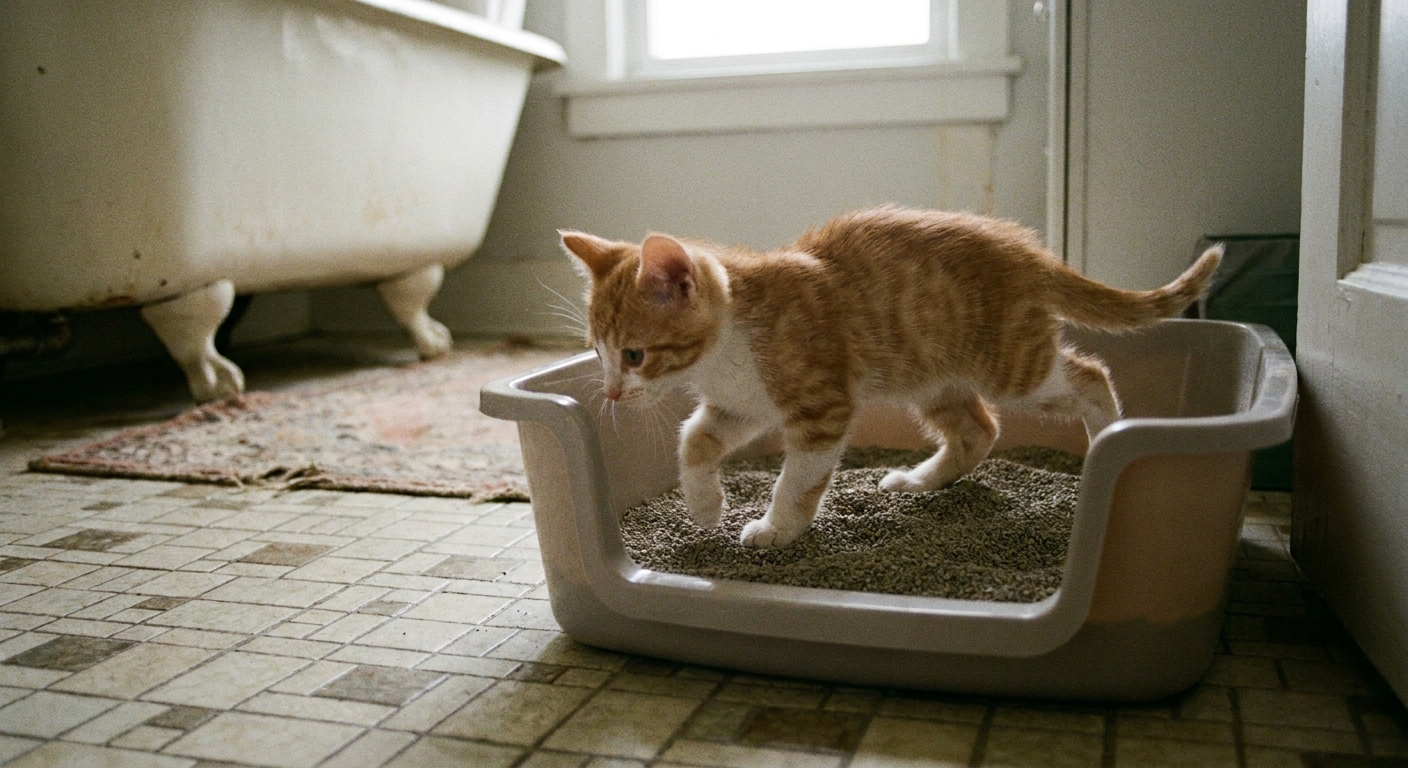
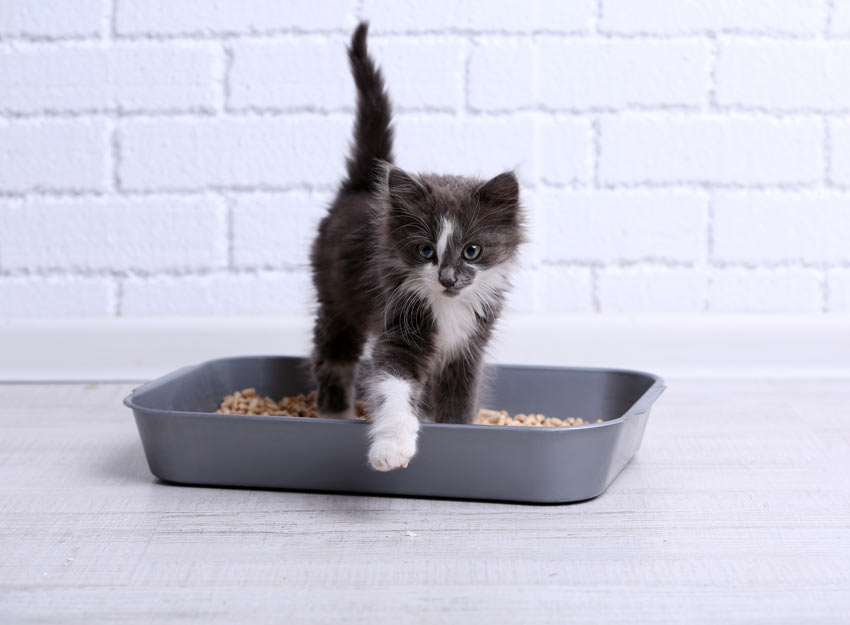
Start with the kitten rule: low, open, easy
Kittens learn fastest when the box is effortless to get into and does not feel like a trap. Most problems I see with brand-new kitten homes come from well-meaning upgrades like tall covered boxes, fancy top-entry styles, or strongly scented litter.
- Low entry: Your kitten should be able to walk in without climbing or hopping. If they hesitate at the doorway, it is too tall.
- Open top: Open boxes are easier for kittens to understand and less intimidating than a covered cave. They also let you notice stool and urine changes early.
- Big enough to turn around: Kittens like space to circle and choose a spot. A box that feels cramped can lead to “half in, half out” peeing on the rim.
Choosing the right box size
Pet stores love selling tiny “kitten” pans that get outgrown fast. I prefer a roomy, simple pan from the start, as long as the entry is still low.
Quick sizing guide
- Very young kittens (under 8 weeks): low-sided pan, roughly the footprint of a baking tray or small under-bed storage tray.
- 8 to 16 weeks: a standard small-to-medium litter pan is usually perfect.
- Long-term rule of thumb: aim for a box about 1 to 1.5 times your cat’s body length from nose to base of tail.
If you are adopting a 10 to 12 week old kitten, you can usually skip the tiny pan stage and go straight to a larger open box with one low side.
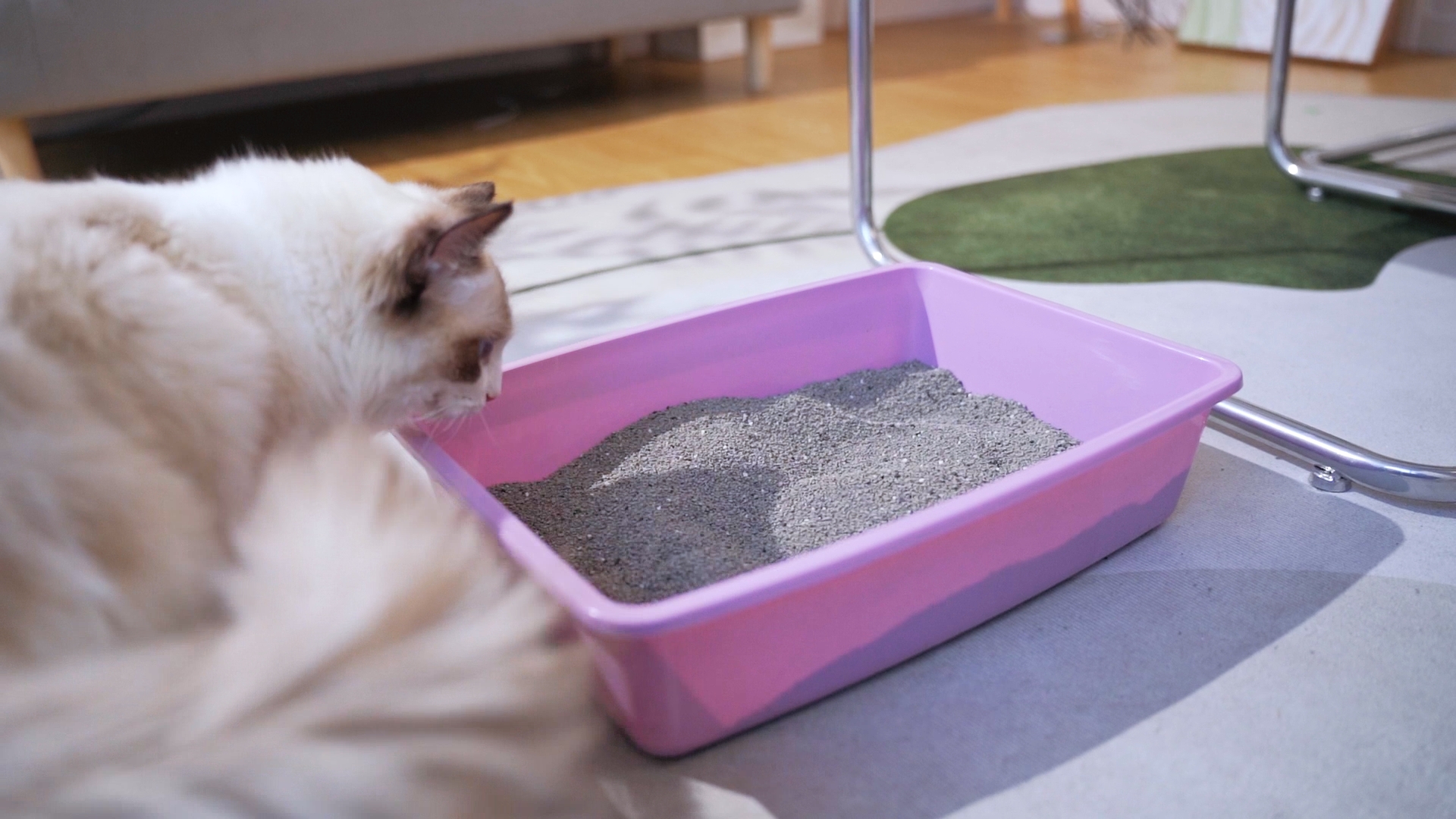
Entry height matters most
Entry height matters more than overall box size for young kittens. Many kittens can climb, but that does not mean they want to do it when they need to go right now.
What to look for
- Low front door or cut-out: Some pans have a dip or a lowered front edge. These are fantastic for kittens.
- High sides are fine in one direction: If your kitten is a digger, high walls help, but keep at least one side low for entry.
- Avoid top-entry boxes for kittens: They require a jump and a drop, which is asking for accidents and fear.
Foster hack: If you already own a high-sided box, you can temporarily use a shallow tray as the main box and keep the taller box nearby as a “future upgrade.” Once your kitten is confidently using the tray for 1 to 2 weeks, transition slowly.
Covered vs. uncovered
Covered boxes can work for adult cats, but for kittens they often create three issues: scary enclosed space, trapped odors, and owners missing early warning signs (like diarrhea, constipation, or not peeing enough).
When a cover is okay
- You have a confident, older kitten who is already reliably using an open box
- Your kitten is not startled by enclosed spaces
- You are keeping the box very clean so odor does not build up
If you add a cover later, leave the door flap off. That little swinging door bothers a lot of cats, especially babies.
How many boxes for one kitten?
Even with one kitten, having two boxes can save your sanity, especially in a multi-level home.
- One kitten in a small apartment: 1 box can work, but 2 is better during training.
- One kitten in a house: 2 boxes, ideally on different floors or at least in different areas.
- General cat rule: number of cats + 1 boxes is the gold standard, but for one kitten, even a second “backup” box helps prevent accidents during play zoomies.
Safest litter for young kittens
This is the part that surprises first-time kitten parents: many shelters and some vets recommend non-clumping litter for very young kittens, especially under about 3 to 4 months. If your rescue gave you a litter recommendation, follow that first, and ask your vet if you are unsure.
Why non-clumping is often recommended early
Kittens explore with their mouths. If they eat clumping clay litter, it can swell and clump in the digestive tract and raise the risk of constipation or blockage. Any litter eating is worth taking seriously, but clumping clay is the one I worry about most in the baby stage.
What to choose
- Unscented non-clumping clay (simple and affordable)
- Paper pellets (low dust, gentle, great for respiratory-sensitive kittens)
- Wood or pine pellets (often low odor, but some kittens dislike the texture at first)
What I avoid for young kittens: strongly scented litter, deodorizing crystals, and typical clumping clay until your kitten is older and no longer sampling the box.
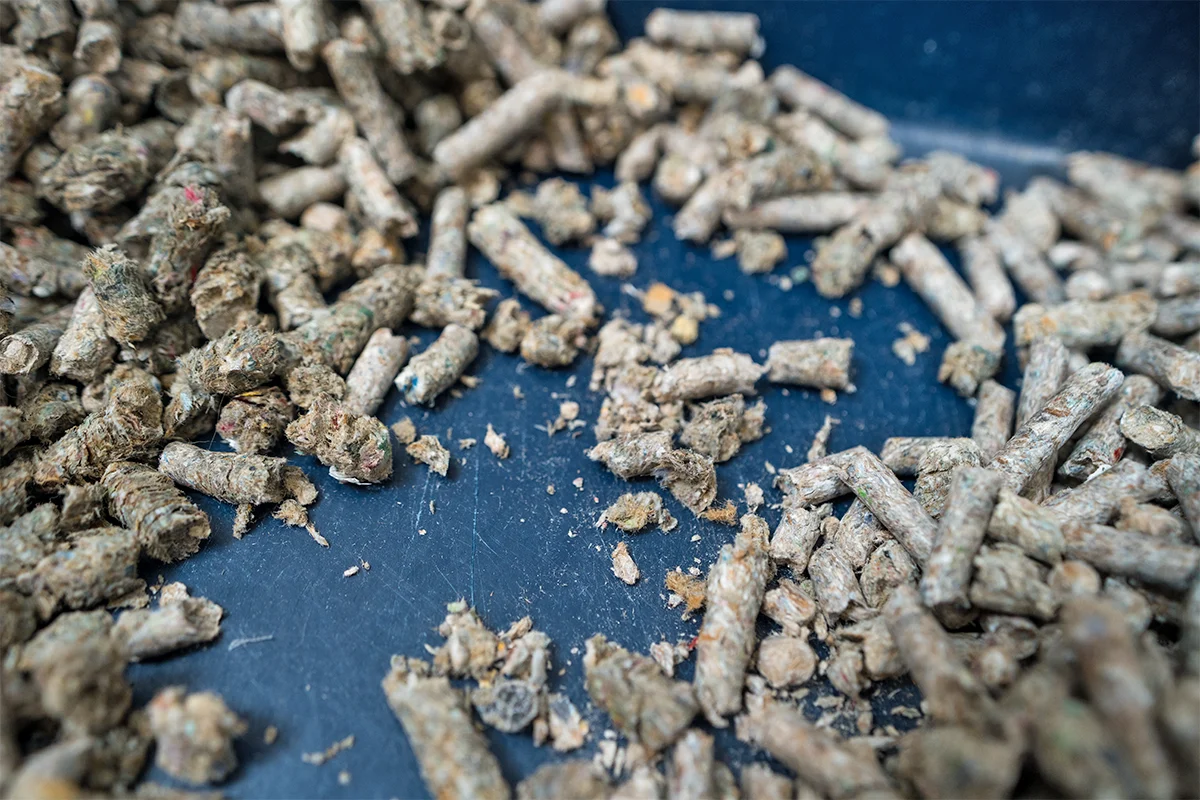
Texture matters most
Kittens can be picky about how litter feels on their paws. If your kitten starts avoiding the box, the texture is one of the first things I troubleshoot.
- Most kittens prefer fine, sand-like texture because it resembles outdoor soil.
- Pellets can feel weird to some kittens at first. If your kitten hesitates, try mixing pellets with a small amount of non-clumping clay to ease the transition.
- Very dusty litters can irritate eyes and noses. If you see sneezing fits right after digging, consider switching.
How deep should litter be?
More litter is not always better. With kittens, deep litter can encourage digging marathons and lead to stepping in waste.
- Start with 1 to 2 inches of non-clumping litter.
- If your kitten pees on the bottom: add a little more.
- If your kitten kicks litter everywhere: reduce depth slightly and consider a higher-sided pan with a low front entry.
Where to put the box
Location can make a perfect box fail. Kittens need a spot that is easy to reach, quiet, and not next to anything scary.
Best placement basics
- Quiet, low-traffic area: A bathroom or corner of a bedroom often works well.
- Not next to food and water: Cats prefer separation.
- Avoid loud appliances: Washing machines, furnaces, and slamming doors can create a litter box fear association.
- Easy access during the first week: If your kitten is confined to one room at first (recommended), keep the box in that room.
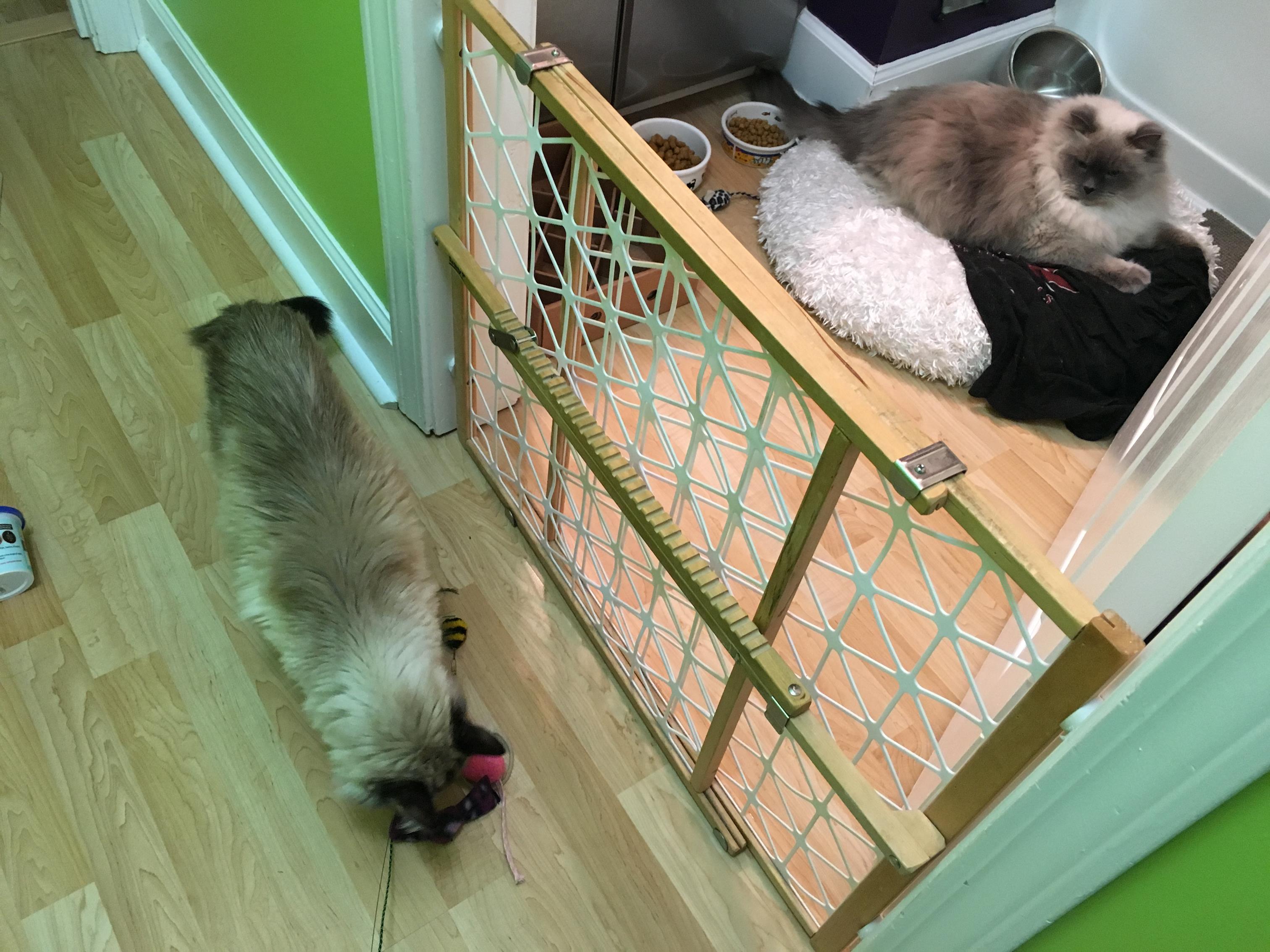
- No obstacle course: For tiny kittens, keep the box on the same level as them. Do not make them navigate stairs or baby gates to get there.
My first 48 hours setup
If you want the calmest start possible, here is the exact approach I use with fosters and with my tuxedo troublemaker Barnaby back when he was tiny.
- Choose one open, low-entry box and fill with unscented non-clumping litter.
- Place the box in the kitten’s starter room, in a quiet corner.
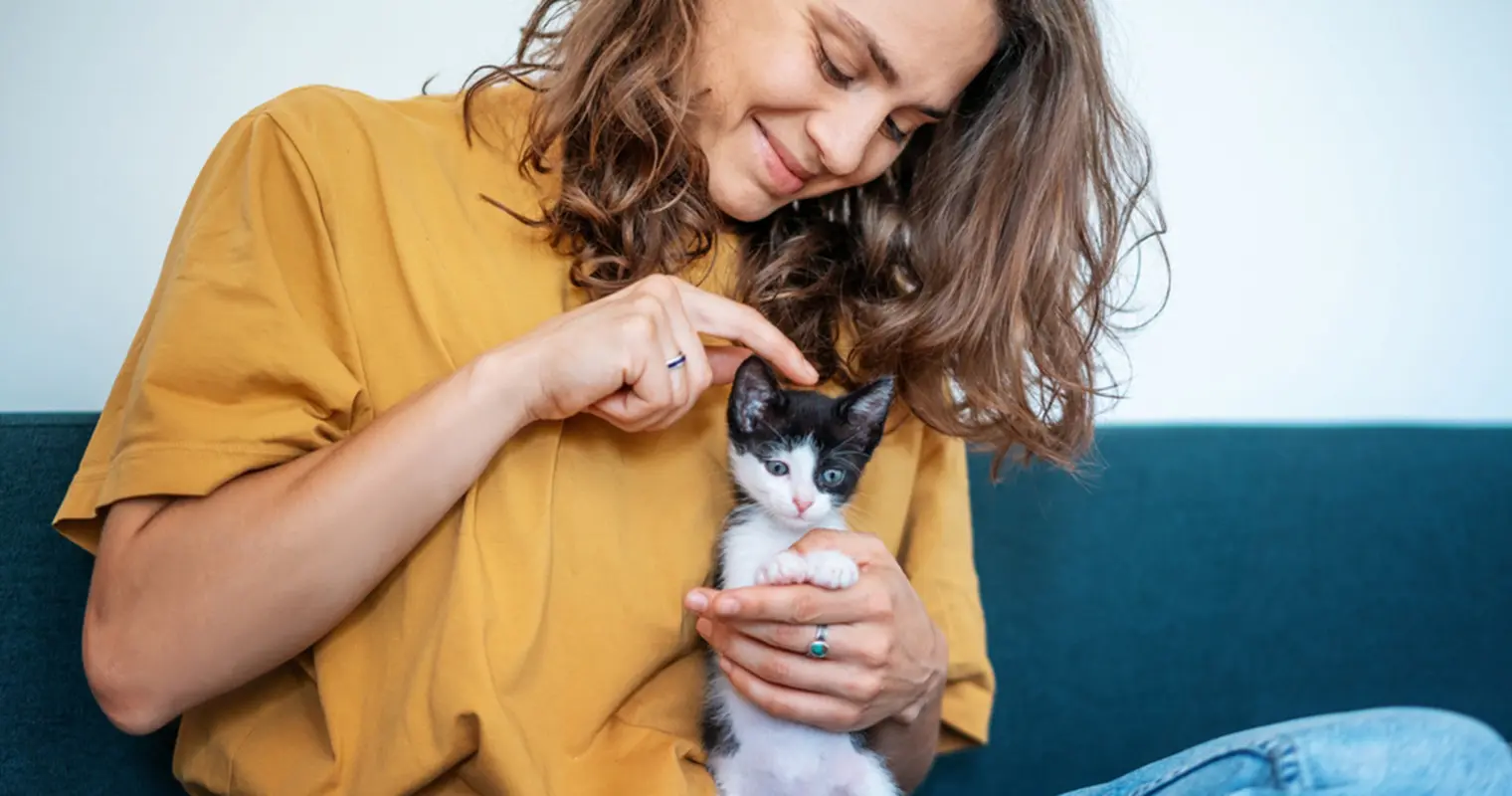
- After meals, naps, and play, gently set your kitten in the box and let them step out on their own.
- Praise softly when they use it. No big celebrations needed, just calm positive attention.
- Scoop at least once daily, more often if your kitten is messy or you are using a small pan.
Most kittens catch on fast. The goal is to make the right choice the easiest choice.
Very young kittens: a quick note
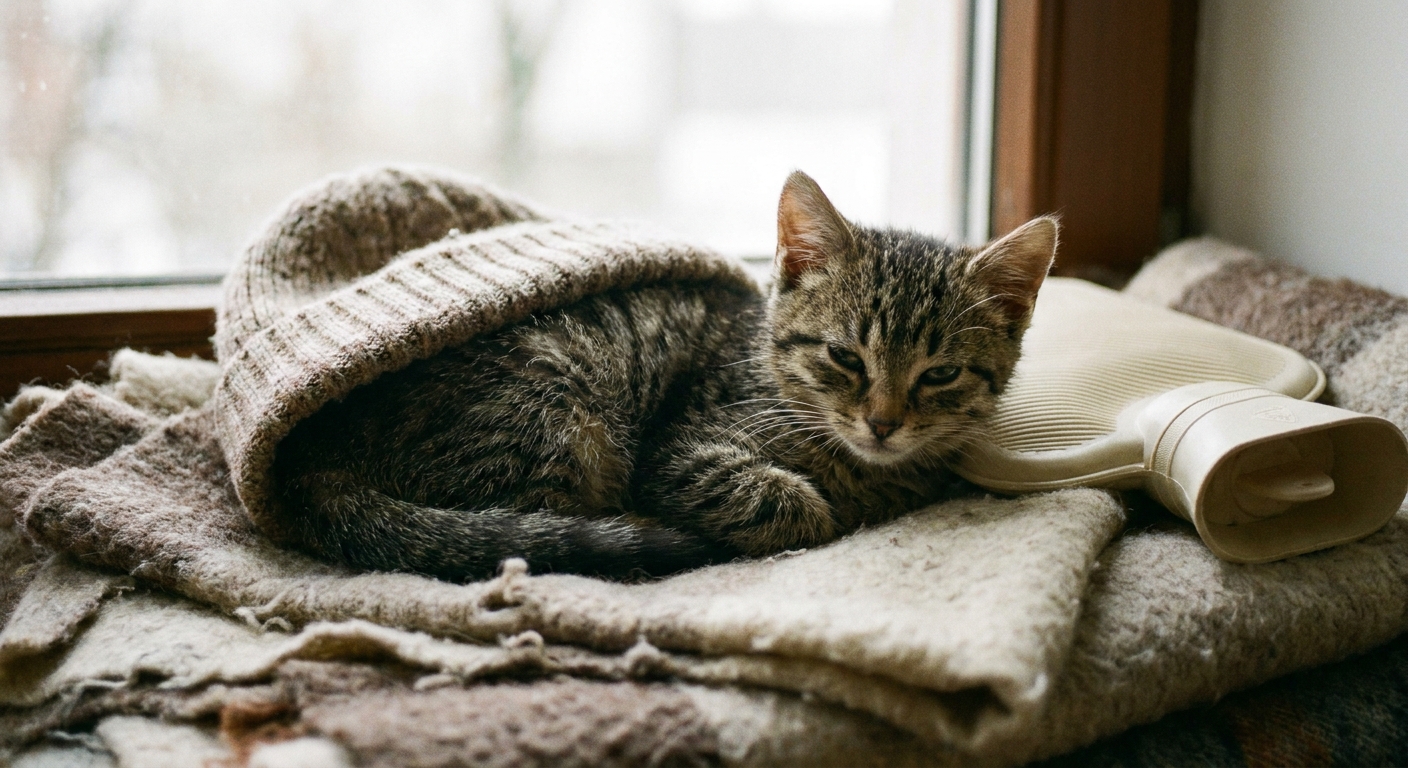
If your kitten is under 8 weeks (or not fully weaned), treat that as a special case. They may need help staying warm, eating on schedule, and in some situations even help with elimination. Your rescue, foster coordinator, or vet can walk you through what is normal for that age and what is not.
Cleaning and odor
Cats are more likely to use a box that is kept clean. Kittens also have sensitive noses, and harsh cleaners can make a box smell “wrong.”
- Scoop daily: twice daily is even better in the early weeks.
- Full change frequency: non-clumping litter usually needs a full dump and wash more often than clumping, often every few days to weekly depending on box size and kitten age.
- Wash with mild, unscented soap: rinse very well and dry before refilling.
- Avoid ammonia-based cleaners: the smell can resemble urine and may make a previously soiled spot more interesting to revisit. For accidents outside the box, enzymatic cleaner is your best friend.
Common mistakes and fixes
“My kitten pees right outside the box.”
- Try a lower entry or move the box closer to where the accident happened.
- Use a larger box so they do not perch on the edge.
- Rule out medical issues if you see frequent tiny pees, crying, or straining.
“My kitten keeps eating the litter.”
- Switch to paper litter or another kitten-safer option immediately.
- Offer more appropriate chewing outlets, and make sure your kitten is on a complete kitten diet.
- Call your vet if litter eating persists, especially if your kitten seems lethargic, vomits, gets constipated, or stops eating.
“The litter is everywhere.”
- Use a box with higher sides but a low front entry.
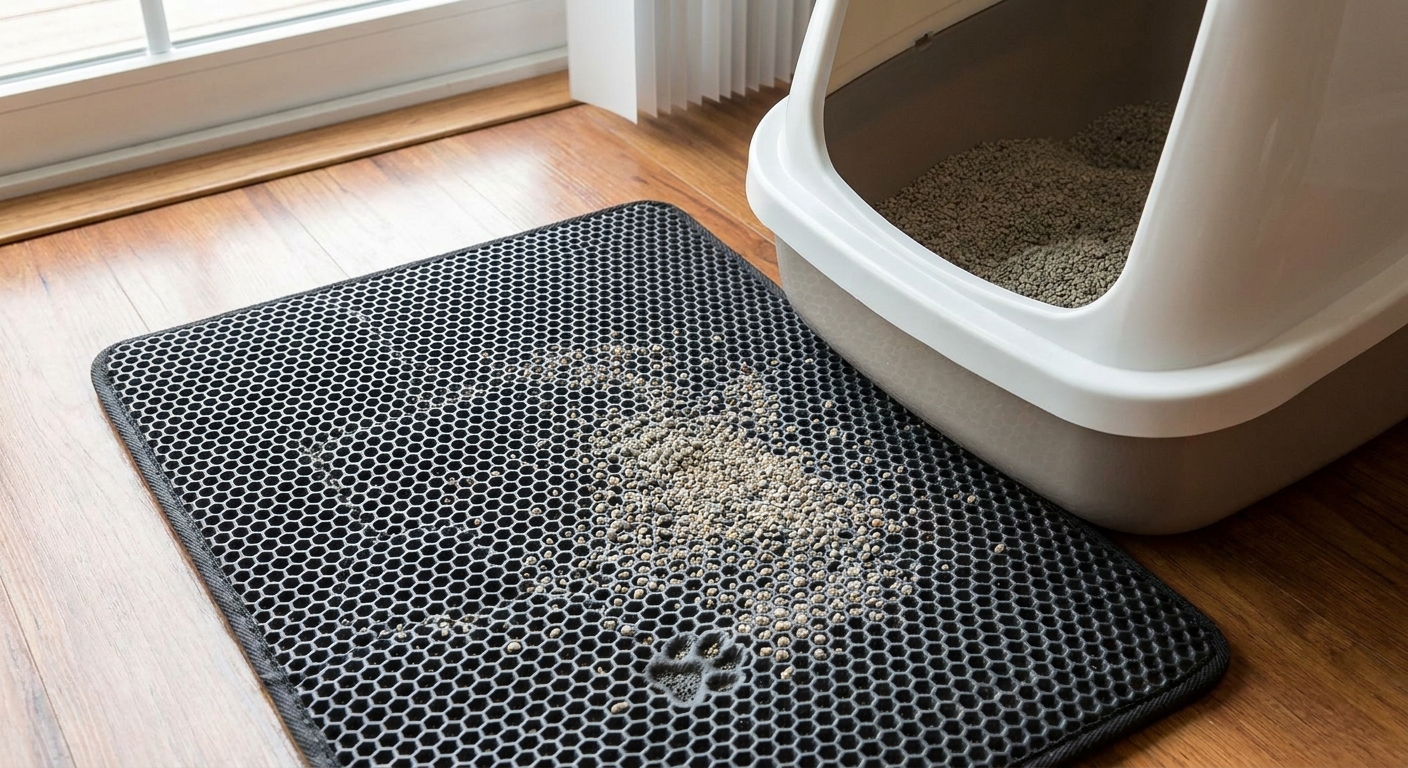
- Add a litter mat with a gentle texture.
- Reduce litter depth slightly.
Fast vet red flags: repeated trips with little output, straining, blood in urine or stool, vomiting, sudden lethargy, or a kitten who stops eating are all reasons to contact a vet urgently.
When to switch to clumping litter
Many homes transition once the kitten is older, no longer mouthing litter, and has consistent litter box habits. If you want a simple checkpoint, ask yourself:
- Has my kitten stopped trying to eat litter?
- Is my kitten using the box reliably for at least 2 weeks?
- Is my kitten big enough and coordinated enough that a slightly heavier litter will not discourage digging?
If the answer is yes to all three, you can try a slow transition by mixing a small amount of clumping litter into the current litter and increasing gradually over 7 to 10 days. If your kitten objects, go back a step.
Quick shopping checklist
- Open litter pan with low entry
- Box size that allows turning around easily
- Unscented non-clumping litter (or paper litter for extra safety)
- Scoop sized for the litter type
- Litter mat (optional but helpful)
- Enzyme cleaner for accidents (a must-have for kittens)
FAQ
Should I buy a self-cleaning litter box for a kitten?
I would wait. The movement and noise can scare kittens, and timing matters since kittens dart in and out unpredictably. Start simple. Upgrade later once habits are rock-solid.
Can I use crystal litter for a kitten?
I usually do not recommend it for very young kittens. The texture and dust can be irritating, and some kittens try to mouth it. If you love it for adult cats, save it for later and start with a kitten-safer, unscented option.
What if my kitten was using clumping litter at the shelter?
Ask what they used and consider starting with the same product for the first week to keep everything familiar. If you want to switch to non-clumping for safety, do it gradually by mixing litters over several days while watching for any refusal.
Do I need a special “kitten litter” product?
Not necessarily. What matters is non-clumping, low-dust, unscented. Many standard non-clumping litters meet those needs without the kitten marketing markup.
Final reassurance
If litter box shopping feels oddly high-stakes, you are not imagining it. It is one of the first routines your kitten has to master, and the right setup makes everything smoother.
Go for a low, open box and an unscented non-clumping litter to start. Once your kitten grows and their habits are reliable, you can experiment with different litter types and box styles without the stress.