What socialization means
Socialization is not about turning your kitten into a party animal who loves everyone. It is about building resilience. A well-socialized kitten learns that new things can be safe, predictable, and even rewarding. That confidence tends to show up later as fewer fears, easier vet visits, smoother moves, and less stress around guests, grooming, and household noise.
At Kitten Sprout, I think of socialization as a series of tiny, positive samples of real life. Short, gentle exposures add up faster than one big, overwhelming event.
The critical window
The classic “critical socialization window” for kittens is roughly 2 to 9 weeks, with a peak often cited around 2 to 7 weeks. Meaningful learning still continues into early kittenhood, often through about 14 to 16 weeks, and there is plenty of individual variation. Many kittens go home around 8 to 12 weeks, which means you are still in a powerful learning period even if you did not have them from birth.
Also normal: some kittens hit a “spookier” phase as fear responses develop, commonly around 8 to 10 weeks (and later again in adolescence). That does not mean you stop. It means you go slower and keep it extra positive.
- 2 to 7 weeks: Most sensitive period. Gentle handling, safe novelty, and positive associations matter a lot.
- 8 to 12 weeks: Confidence building continues. Keep exposures short and treat-heavy.
- 12 to 16 weeks: Skills can still improve, but fear can show up more easily. Keep it predictable and progress in smaller steps.
If your kitten is older, do not panic. You can still make huge progress. You just want smaller steps, more repetition, and a little more patience.
5 socialization rules
1) Pair new things with something your kitten loves
Food is my favorite tool. Tiny treats, wet food on a spoon, Churu-style puree, or even a few pieces of their regular kibble can turn “scary” into “oh, cool.”
2) Keep sessions short
Think 30 to 90 seconds for brand-new experiences, a few minutes for easier ones. Quit while your kitten is still doing well.
3) Let the kitten choose distance
If they lean in, great. If they lean away, you went too fast. Back up, lower intensity, and try again later.
4) Watch body language
Green flags: curious sniffing, soft body, normal blinking, ears forward, playful pounces. Yellow flags: crouching, ears sideways, tail tucked, freezing, wide pupils. Red flags: hissing, swatting, growling, trying to flee. Yellow means “make it easier.” Red means “stop now and reset.”
5) One new challenge per session
Do not combine “new person” + “loud vacuum” + “carrier time” in one go. Stack wins, not stress.
Bonus rule: no forced contact
A confident kitten is built with choice. Skip scruffing, dragging them out of hiding, or holding them in place “until they accept it.” If your kitten needs a break, that is useful information, not misbehavior.
How to use this checklist
- Pick 3 to 5 items per week to practice, repeating the easy wins often.
- Aim for daily micro-sessions instead of occasional big sessions.
- Progress when your kitten stays loose-bodied, takes food, and can choose to approach.
- Track what you do. Confidence grows when you realize how much your kitten has already mastered.
Tip from my foster room: I keep a “socialization treat jar” in every main area. When life happens (doorbell rings, blender starts), I can instantly pair the sound with a reward.
The kitten socialization checklist
Use these as ideas, not a rigid test. Your goal is a kitten who can recover quickly, not a kitten who never startles.
People

- One calm adult visitor (sit on the floor, let kitten approach).
- Different voices (higher, lower, different accents if available).
- Different appearances: hats, glasses, hoodies, bulky coats.
- Different movement styles: slow walker, louder footsteps, someone carrying a bag.
- Children only with supervision: teach “one finger pet” and quiet voices.
- Short, choice-based restraint practice (1 to 2 seconds, then reward) to prevent future handling battles.
- Hygiene for young kittens: ask visitors to wash hands and avoid bringing shoes, carriers, or pet blankets from unknown animals into the kitten area.
Handling and body care
This is the category that pays dividends for years to come.
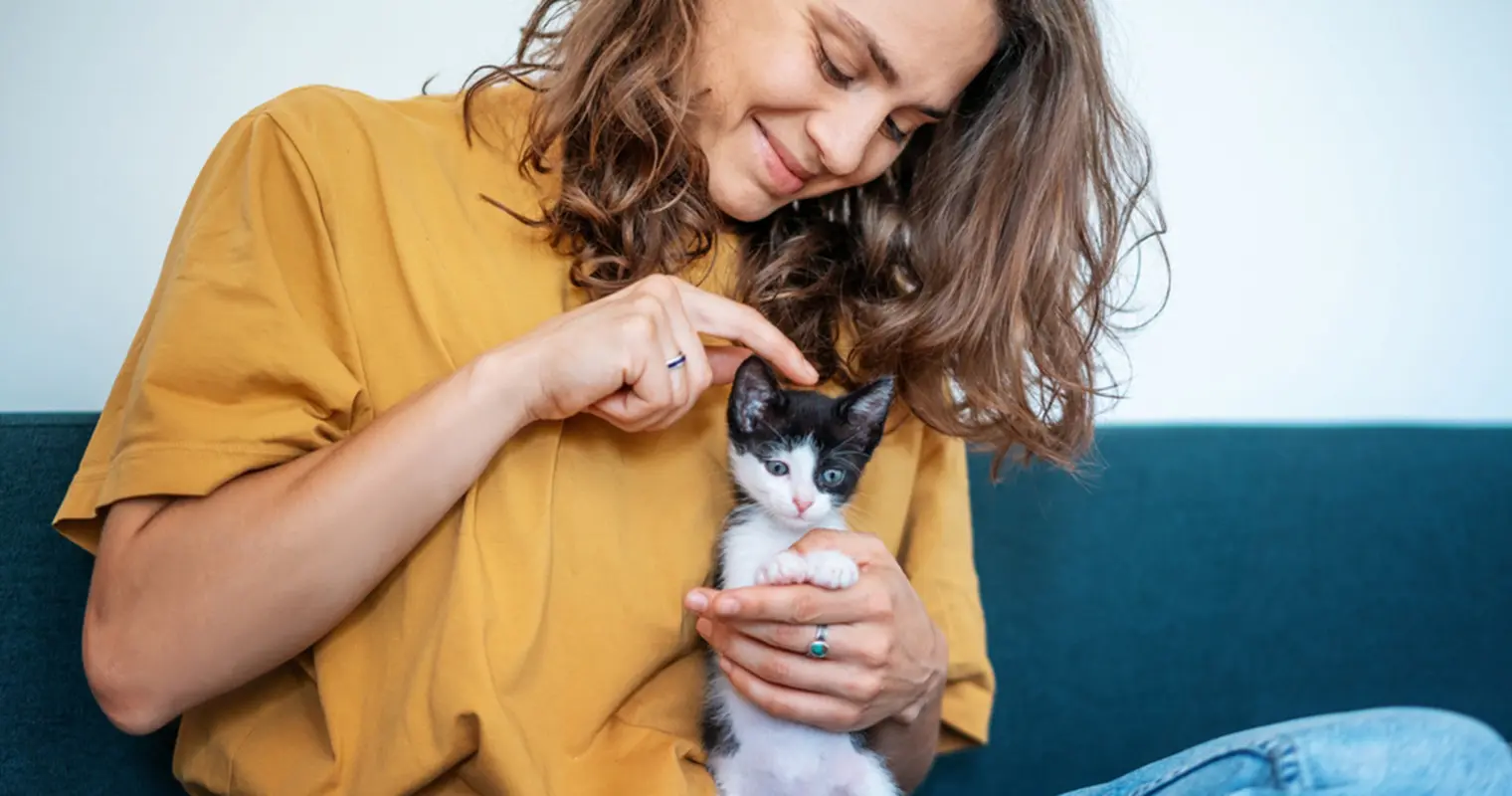
- Touch ears, paws, tail, and belly briefly; mark and reward.
- Lift lips for a quick tooth peek; reward.
- Press toe beans lightly; reward.
- Pick up for 1 second, then 3 seconds, then 5 seconds, always rewarding calm.
- Gentle brushing with a soft brush (even short-haired kittens benefit from learning it).
- Introduce nail trims: let them see the clippers, then the sound nearby, then one nail per day.
- End before your kitten gets wiggly or mouthy. Stopping early is how you prevent bites and scratches.
Household sounds
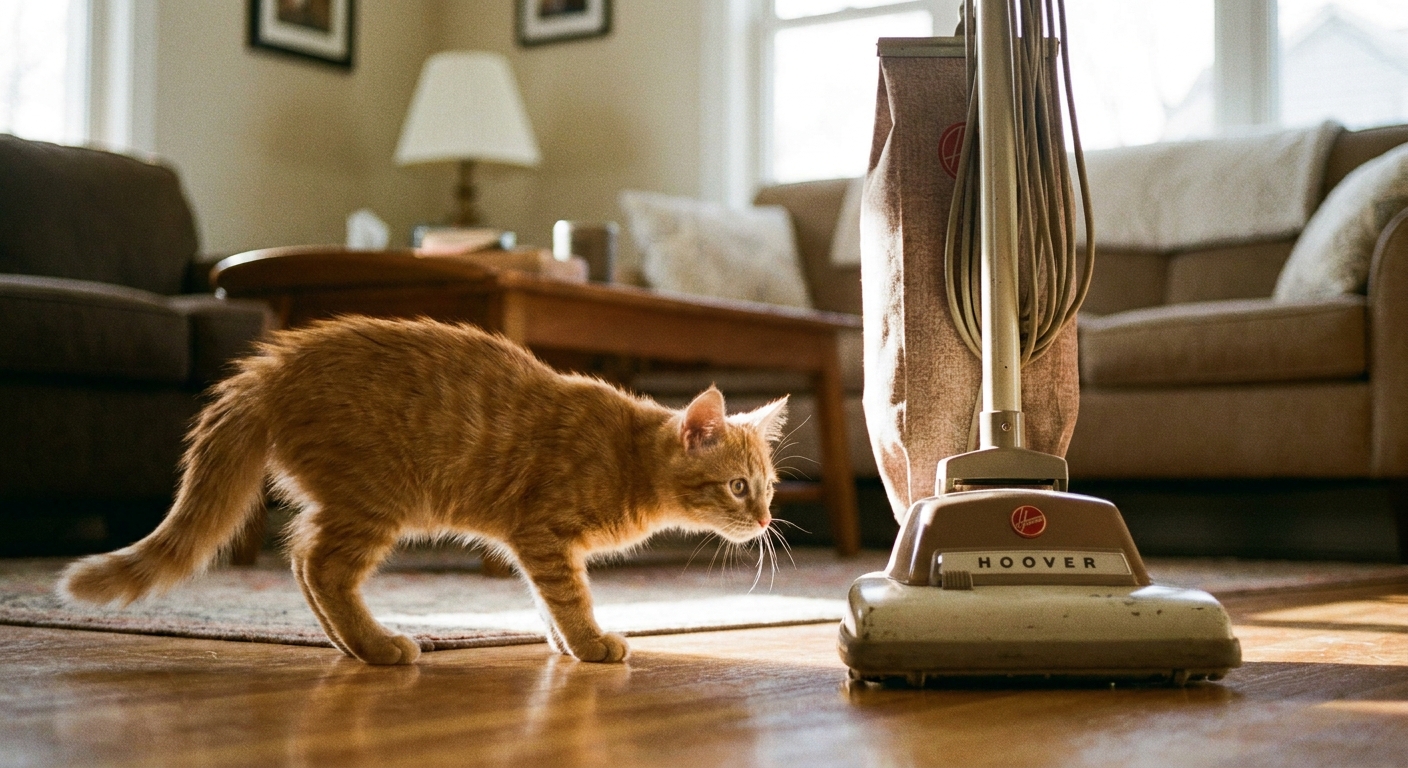
This is desensitization, not flooding. Start easier than you think, then build.
- Vacuum (start off, then on in another room, then closer over days).
- Blender or coffee grinder (short bursts, pair with wet food).
- Hair dryer (lowest setting, distance first).
- Doorbell or knocking (practice with a friend if your doorbell is quiet).
- TV sounds at low volume: applause, dogs barking, traffic, baby crying.
- Washing machine or dishwasher running.
Sights and moving objects
- Umbrella opening across the room.
- Rolling suitcase or cart.
- Broom or mop moving slowly.
- Ceiling fan turning on.
- Flashlight beam on the wall (briefly, do not encourage obsessive chasing).
- Different lighting: dim room, sunlight patch, hallway light at night.
Surfaces and textures
- Carpet, hardwood, tile.
- Soft blanket, crinkly paper bag (handles removed), cardboard.
- Bath mat or rubbery texture.
- Cat tree materials: sisal, plush, wood.
- Walking over a towel laid on the floor, then a slightly bumpy mat.
Safe novelty games
- Treat trail scavenger hunt.
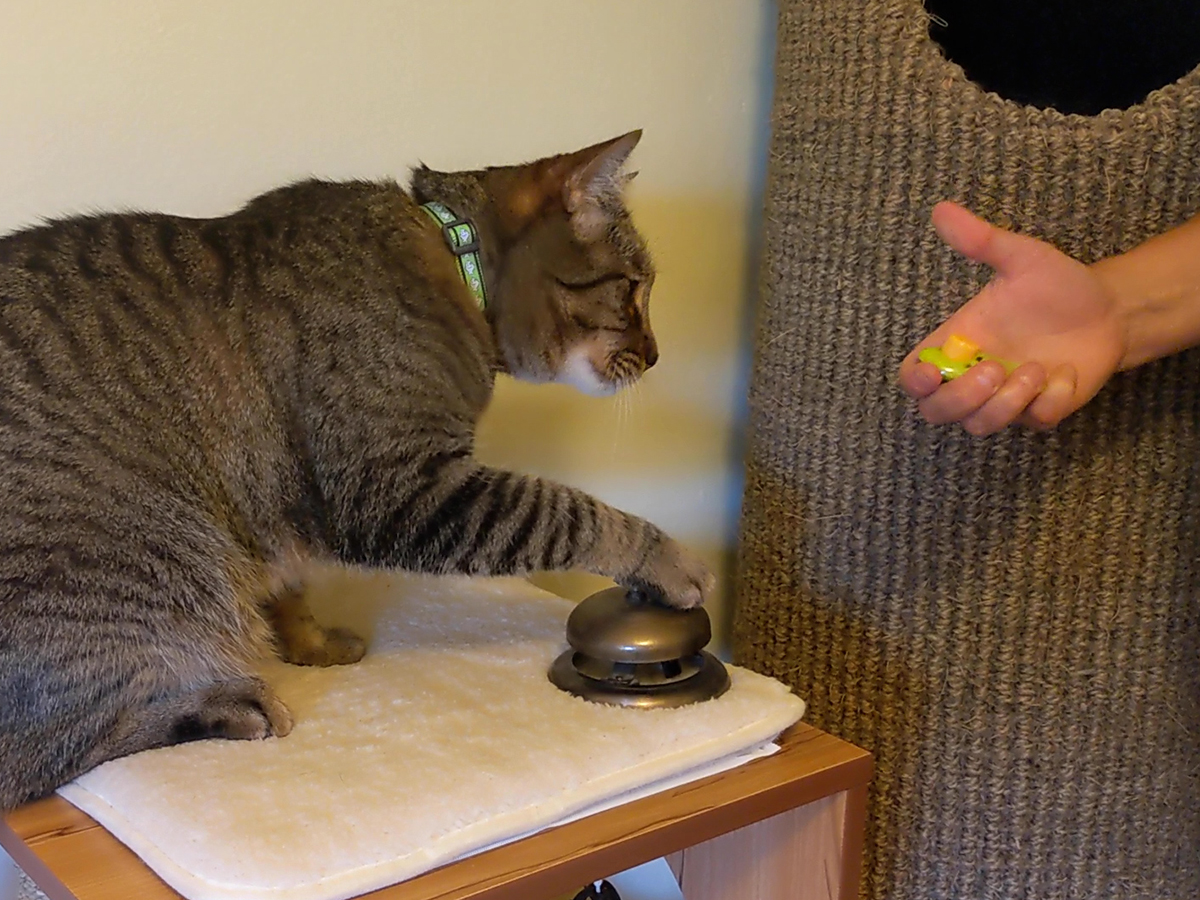
- Clicker or marker word (like “yes”) paired with a treat.
- Interactive wand play with short breaks to prevent overstimulation.
- Simple puzzle feeder (start very easy).
- Low obstacle: step over a broomstick on the floor.
Carrier and car basics
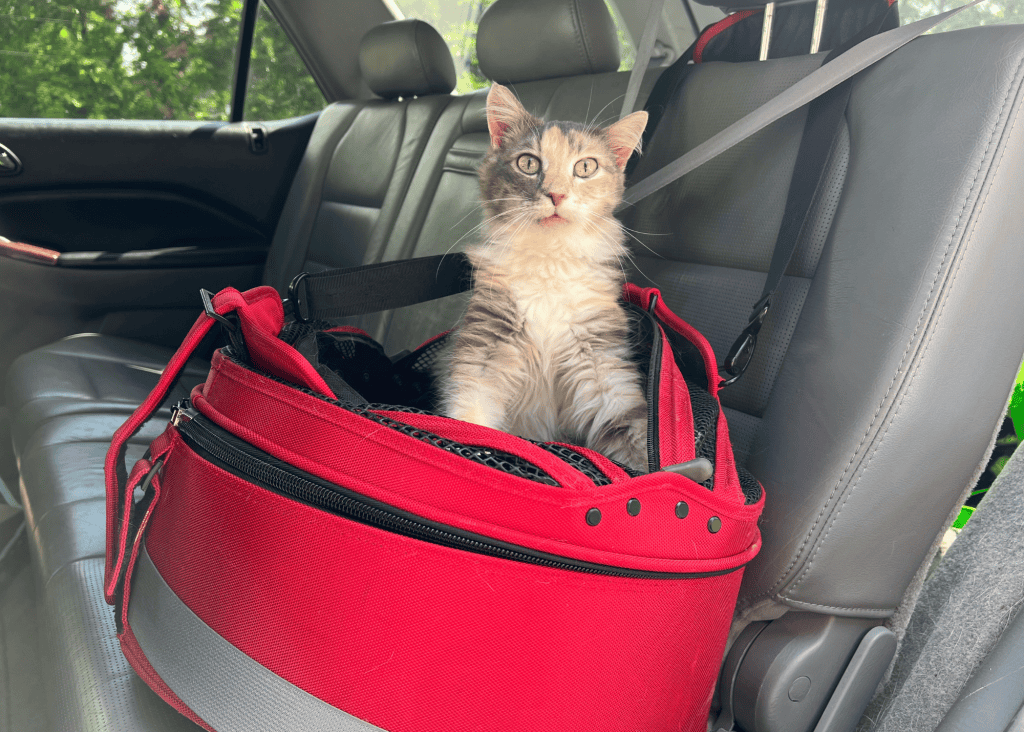
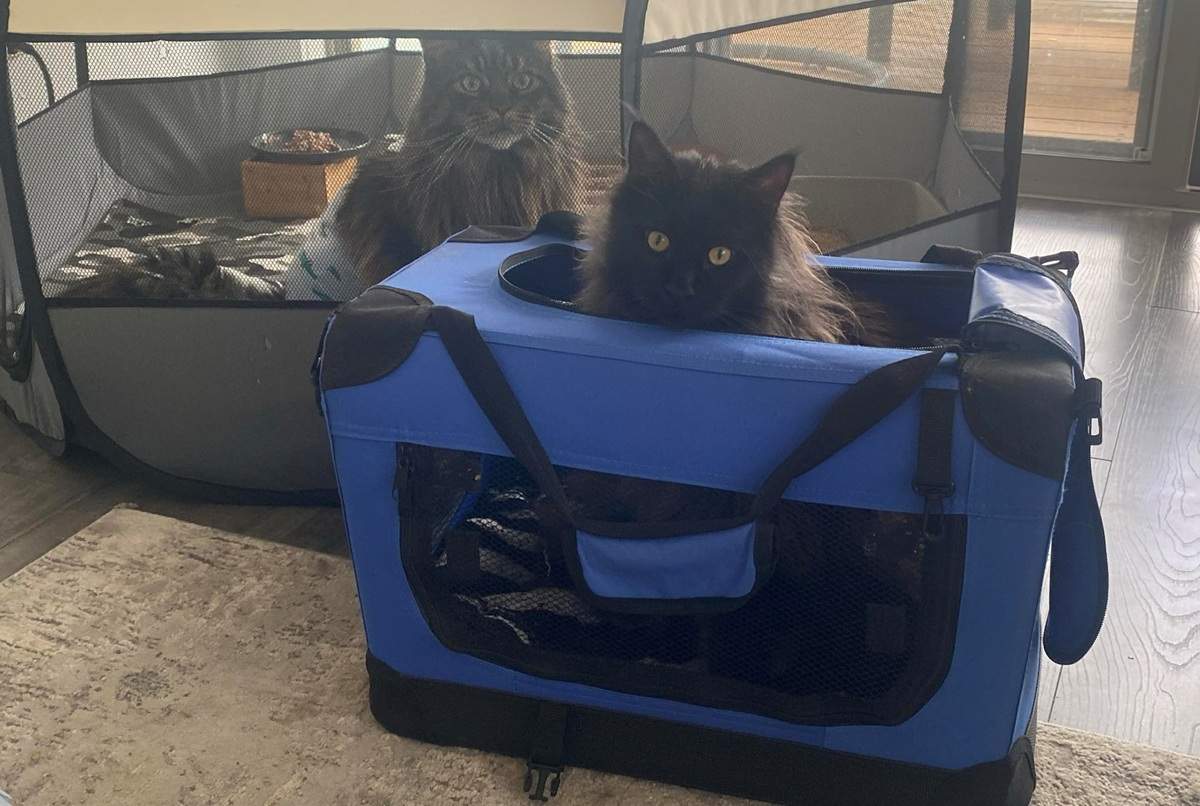
- Carrier left out as furniture with a blanket and treats inside.
- Practice going in and out on their own.
- Close the door for 2 seconds, reward, open. Slowly increase time.
- Pick up the carrier, walk one loop around the room, reward.
- Car practice: sit in a parked car for a minute with rewards, then a short drive around the block.
Vet and grooming rehearsals
- Place kitten on a non-slip mat on a table briefly, reward, back down.
- Touch shoulders and hips like an exam.
- Open mouth for half a second, reward.
- Practice a gentle towel wrap for one second, reward, release.
- Play the sound of nail clippers and reward calmness.
Other animals
If you have resident pets, keep it controlled and slow. Forced friendship backfires. Also, do not do direct introductions until your kitten is healthy, parasite-treated, and your resident pet is reliably calm.
- Scent swapping: rub each pet with a clean sock and trade.
- Visual intro through a baby gate or cracked door, paired with rewards.
- Short, supervised time in the same room when both are calm.
- For dogs: dog on leash, dog calm, kitten has a high escape route.
- Avoid shared food bowls, shared litter boxes, and shared bedding until you are confident everyone is healthy and compatible.
Real-life home routines
- Guests entering and exiting calmly.
- Cooking sounds and mild food smells.
- Trash bag noises (quietly at first, reward).
- Shower running and bathroom fan.
- Seeing you put on shoes and grab keys (helps with separation habits later).
A simple weekly plan
If you want structure without turning your home into boot camp, here is a rhythm that works for many kittens:
- Mon: Handling practice (paws, ears) + carrier rewards.
- Tue: One new sound at low volume + play session.
- Wed: Visitor practice (one person) or hat and glasses practice.
- Thu: Surface exploration (new mat or box) + brushing.
- Fri: Short car sit or carrier walk + treat trail.
- Weekend: Repeat what was hardest, but easier. Confidence loves reruns.
Are you going too fast?
Most socialization problems are not about what you chose. They are about intensity and pacing.
Signs to slow down
- Hiding and not reappearing quickly even after the “scary thing” ends.
- Refusing food they normally love.
- Swatting, hissing, growling, or biting when approached.
- Sudden litter box accidents in an otherwise consistent kitten.
Important: litter box changes, appetite loss, lethargy, vomiting, diarrhea, or signs of pain can be medical. If any of that is sudden, severe, or lasts more than a day, call your veterinarian.
What to do instead
- Increase distance or lower volume.
- Switch to “look at it from afar while eating” sessions.
- Do 3 easy wins for every 1 challenging practice.
- End on a success and give a calm nap opportunity.
Budget-friendly kit
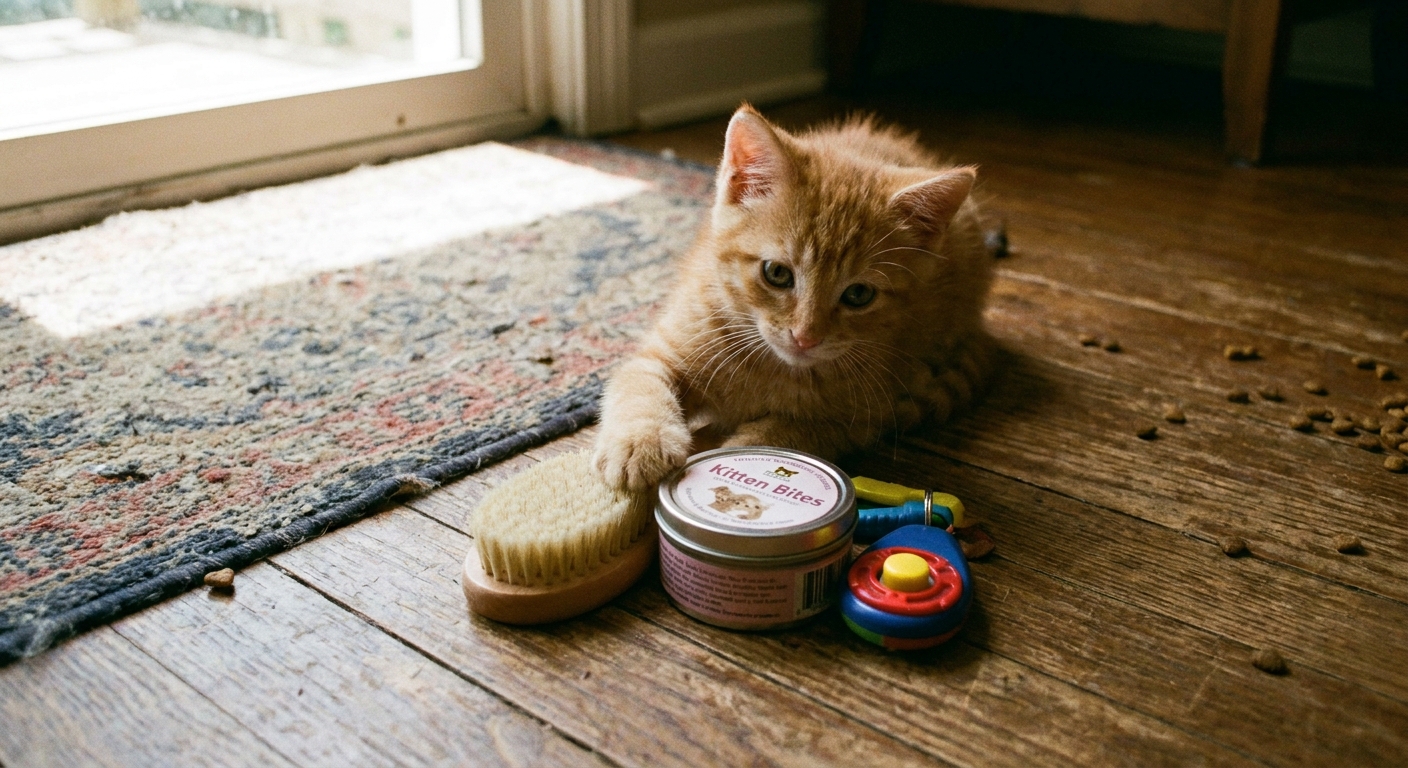
- Treats: tiny training treats or a tube puree for high value rewards.
- Soft brush: baby brush or gentle slicker for early handling practice.
- Nail clippers: basic cat clippers are fine, plus styptic powder if you want peace of mind.
- Carrier: sturdy, easy-open carrier with a removable towel.
- Non-slip mat: for vet exam rehearsals.
- Wand toy: for confidence-building play and positive “recover after surprise” moments.
Common questions
How many new things per day?
For most kittens, one new thing per day is plenty, plus repetition of familiar wins. If your kitten is bold and curious, you can do two. If your kitten is timid, do one new thing every few days and repeat the same calm exposures.
My kitten is hiding. Should I pull them out?
No. Hiding is a coping strategy. Instead, make the environment easier, sit nearby, toss treats, and let them choose to come out. Confidence that is chosen lasts longer than confidence that is forced.
Can I socialize before vaccines are finished?
Yes, and you should, but do it safely. Focus on indoor experiences at home, controlled visitors, carrier and car practice, and sound exposure. Avoid unknown animals, shared litter boxes, pet store floors, outdoor soil, and high-traffic areas until your veterinarian says it is safe for your kitten’s vaccine timeline and local risk.
What if my kitten bites during handling practice?
First, assume you moved too fast or your kitten is overstimulated. Shorten the session, use higher value treats, and switch to touching for half a second then rewarding. For mouthy kittens, add more play with a wand toy (not hands) and build in nap breaks. Most kittens bite more when they are tired, revved up, or being handled for too long.
When should I get professional help?
If your kitten is not eating, is hiding continuously for 48 to 72 hours, shows escalating aggression, panics during normal household life, or has a known trauma history, loop in your veterinarian early. If behavior support is needed, a credentialed feline behavior professional can help you set a plan that protects trust while building confidence.
Your goal: bounce-back
When I look back at my most successful fosters, the magic ingredient was not perfection. It was consistency. A confident cat is built through hundreds of tiny moments: a reward after the doorbell, a calm pause before picking them up, a carrier that always predicts good things.
If you want a simple next step, choose three checklist items to practice this week and repeat them often. You will be amazed how quickly your kitten starts acting like the brave little explorer they were born to be.