Bringing home a kitten feels like pure excitement… until your resident cat looks at you like you’ve personally betrayed them. I’ve been there. The good news: most cat-to-cat relationships improve dramatically when you introduce slowly and let scent do the heavy lifting.
This is the exact low-stress approach I use in my foster work. It is safe, realistic for busy households, and flexible if your older cat needs extra time.
Quick health note before you start: it is smart to schedule a vet check for your new kitten early, keep them on parasite prevention, and ask your vet about FeLV and FIV testing. If your resident cat is medically fragile or unvaccinated, your vet may recommend a short quarantine period before any close contact.
Before you start
Think of an introduction like building trust in tiny layers. Rushing is the fastest way to create fear, stalking, or full-on fights. Your goal is not instant friendship. Your goal is neutral, relaxed coexistence.
What you need
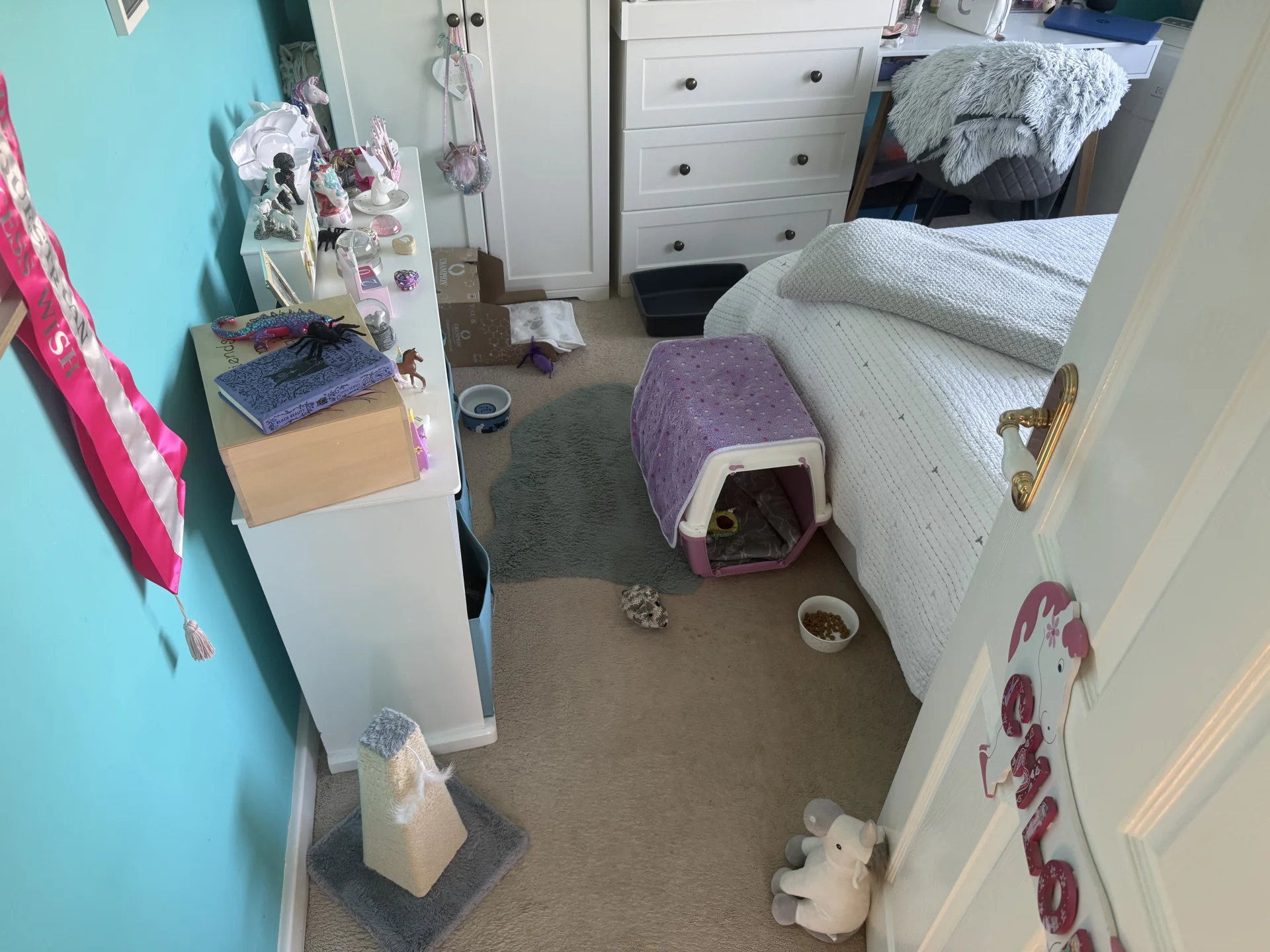
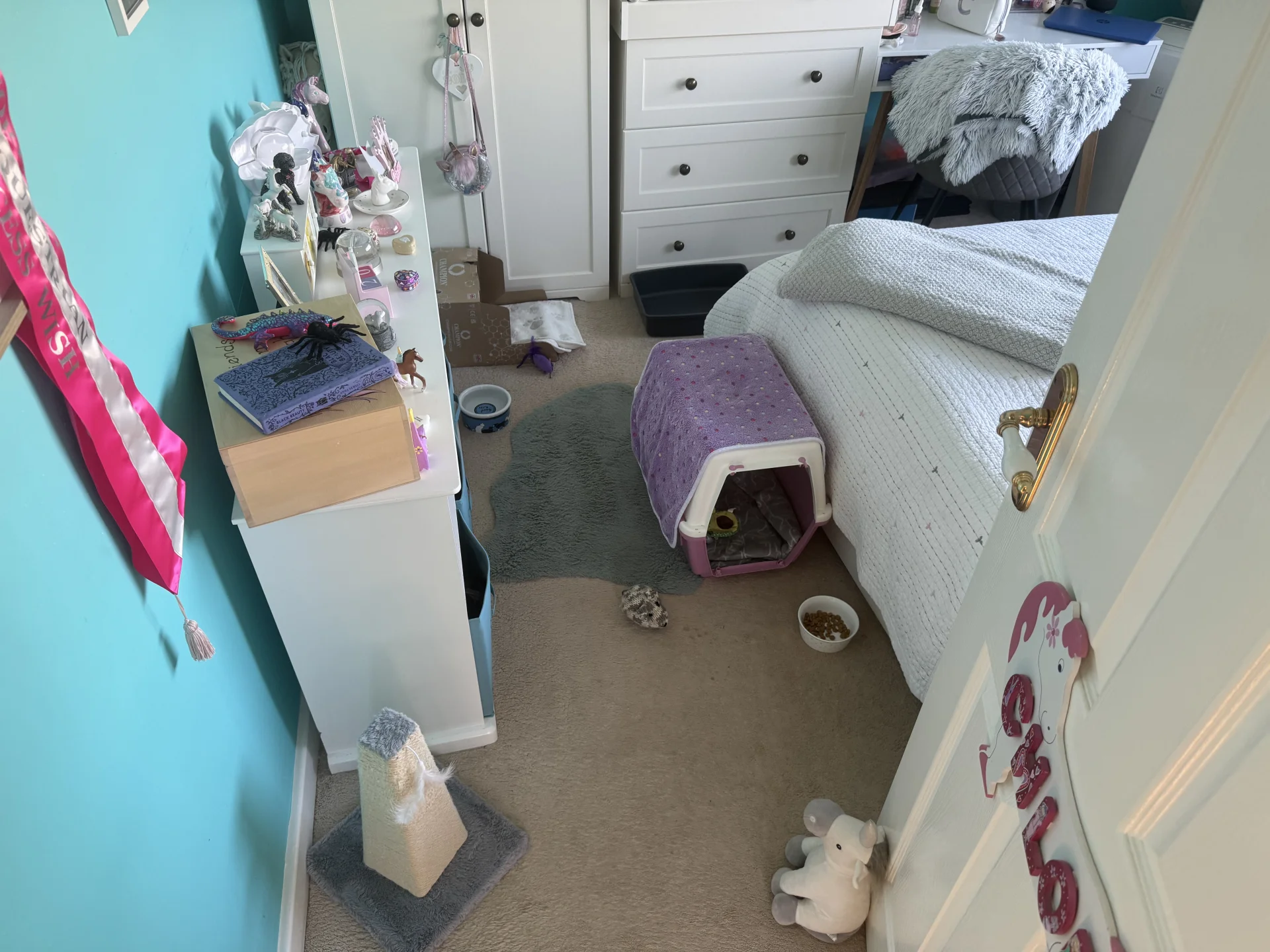
- A separate safe room for the kitten with a door (spare bedroom or bathroom)
- Two litter boxes minimum, ideally one per cat plus one extra
- Baby gate or a door you can crack safely, or a sturdy screen door
- High-value treats (Churu-style lickable treats work wonders)
- Two blankets or small towels for scent swapping
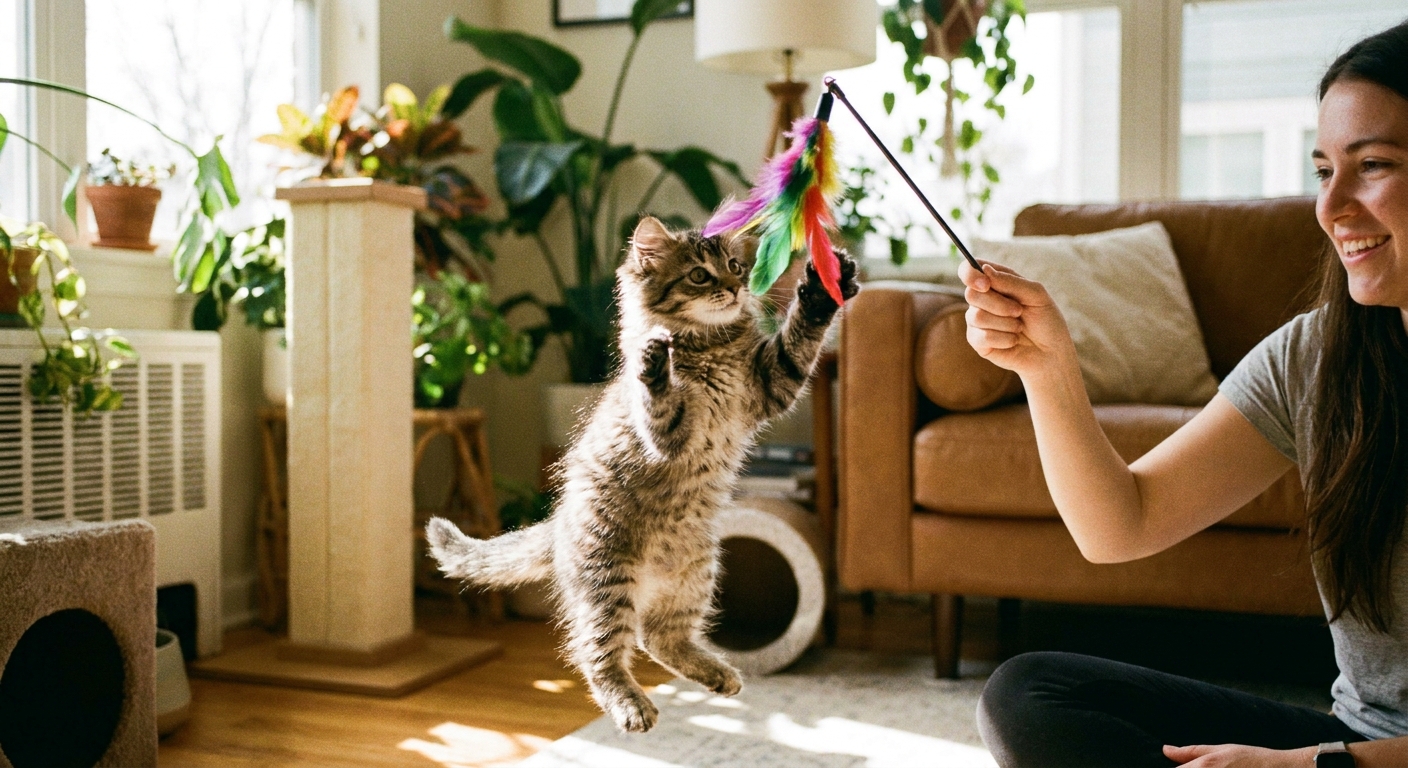
- Interactive wand toy for parallel play
- Pheromone diffuser (optional, and can be helpful for some cats)
Set up the kitten safe room
Set the kitten up with:
- Food and water far from the litter box
- A hiding spot (covered bed or a box on its side)
- A scratching surface
- A few toys
- Something that smells like you (a worn t-shirt works)
For the first phase, your cats should not see each other at all. Let your older cat keep full access to their usual territory so they do not feel displaced.
If you have more than one resident cat, plan to introduce the kitten to them one at a time. It is usually easier to build one calm relationship at a time than to manage a group reaction all at once.
Stress vs progress
Cats communicate quietly. Watching their body language will tell you when to move forward and when to pause.
Signs to slow down
- Hissing or growling that escalates instead of fading
- Swatting under the door with claws out
- Stalking the door, crouching, tail lashing
- Not eating, hiding more than usual, litter box accidents
- Hard staring, flattened ears, puffed tail
Signs you can move on
- Sniffing at the door and walking away
- Eating treats near the door
- Loose body posture, neutral tail, normal grooming
- Curiosity without lunging or fixation
If you are not sure which list you are seeing, assume you need more time. Going slow is not failing. It is how you prevent setbacks.
Phase 1: Scent (Days 1 to 3, often longer)
To cats, scent is identity. Before you ever do face-to-face, you want each cat thinking, “This new smell is part of my world, and good things happen when it is around.”
Some cats need a full week or two of this before they are ready for visuals, especially shy or easily stressed cats.
Step-by-step scent routine
- Rub a soft cloth on the kitten’s cheeks and forehead (where friendly facial scent glands are), then place it near your resident cat’s favorite hangout, not right in their face.
- Do the same in reverse: resident cat scent item goes into the kitten’s room.
- Feed on opposite sides of the closed door. Start far away if needed and move bowls closer over meals.
- Use treats to create a positive association with the scent. A few licks of a tube treat near the door can change the whole mood.
Keep this up daily. If your older cat is already eating calmly at the door and acting normal in the house, you are ready for visuals.
Phase 2: Visuals (Days 3 to 7, flexible)
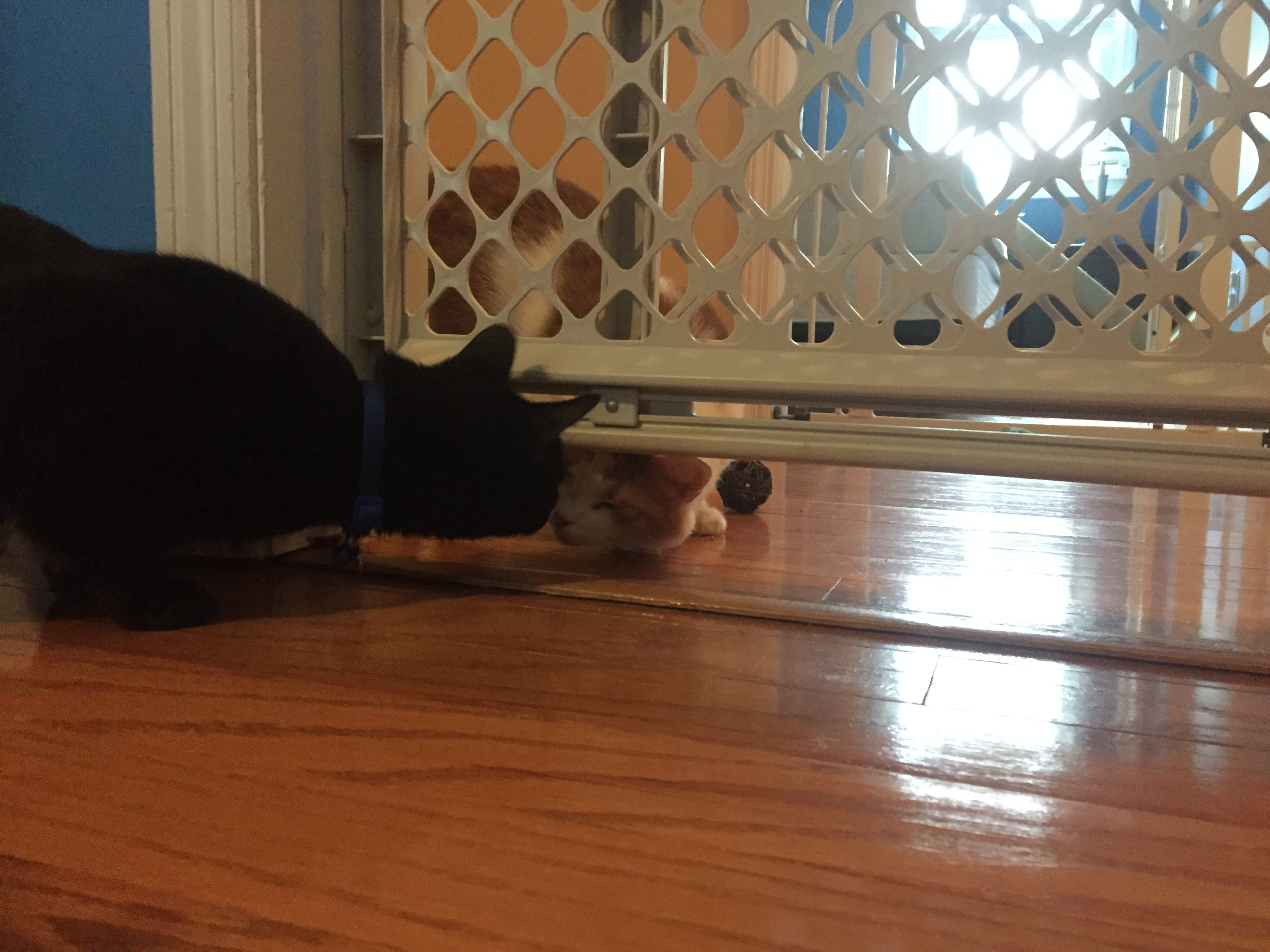
Now we add sight, but with a physical barrier so nobody can chase or corner anyone.
Barrier options
- Baby gate stacked double-high if your kitten is a climber
- Screen door or a temporary mesh barrier that is securely installed
- Door cracked 1 to 2 inches with a doorstop, only if you can fully control it
How to run a visual session
- Start with 1 to 3 minutes.
- Give high-value treats to both cats while they can see each other.
- End the session before anyone gets worked up.
- Repeat 1 to 3 times a day if your schedule allows.
If your older cat hisses a little then settles and takes treats, that can be normal. If they fixate, growl continuously, or try to charge the barrier, go back to scent-only for a day or two.
Tip for breaking fixation: if one cat locks into a hard stare, gently toss a treat away from the other cat to reset their brain, or redirect with a wand toy. If they cannot disengage, calmly end the session.
Phase 3: Supervised meetings
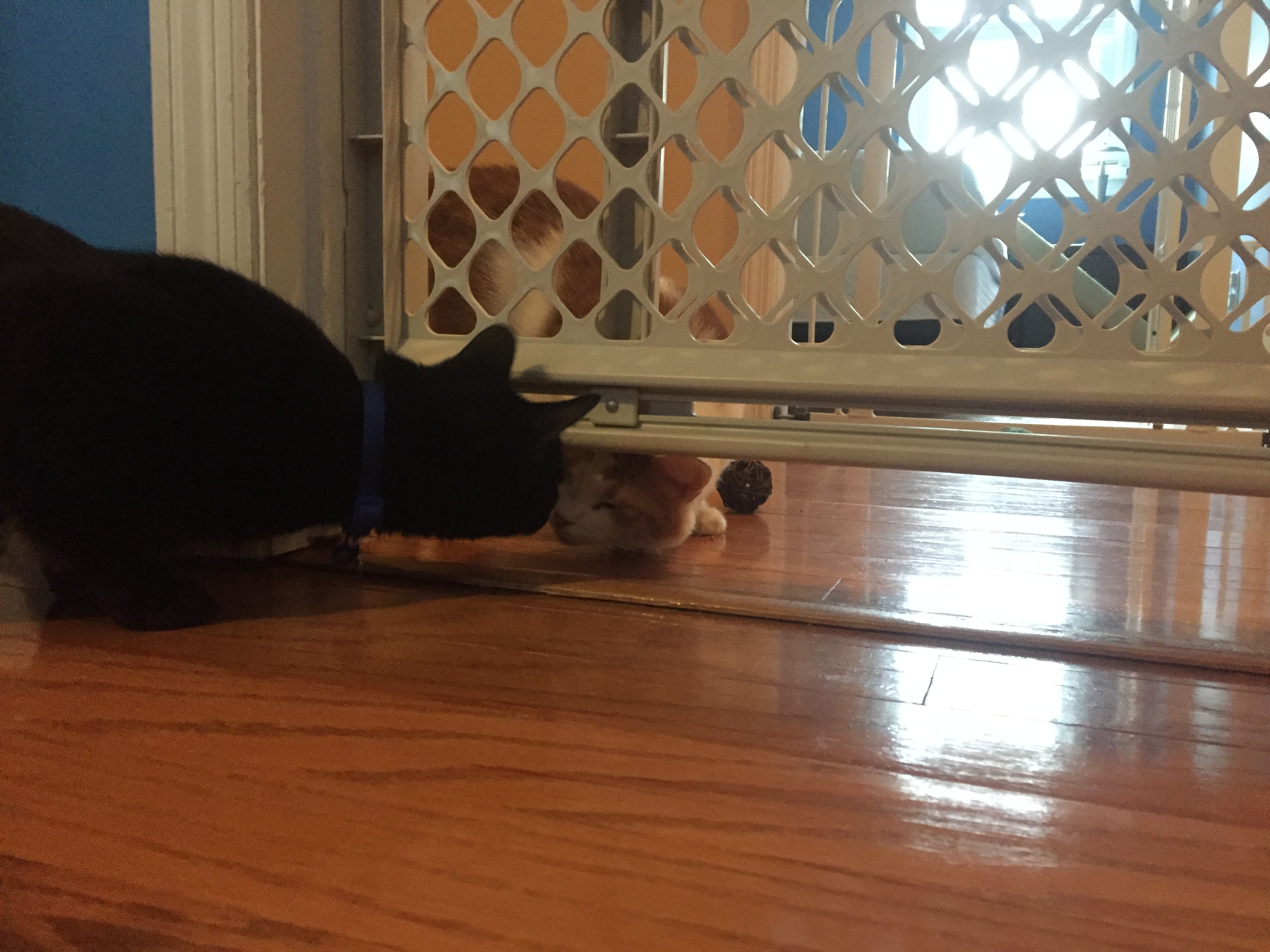
Once both cats can look at each other through the barrier with minimal drama, it is time for short, controlled meetings in shared space.
Set the room up for safety
- Open escape routes so nobody feels trapped
- Vertical space available (cat tree, sturdy shelf, couch back)
- No high-value resource hotspots at first (food bowls, favorite bed, the one sunny window spot, or your lap if that is a known flashpoint)
- Wand toy ready to redirect energy into play
How to do the first face-to-face
- Let the resident cat enter first. This is their territory.
- Bring the kitten in calmly, or let the kitten come out on their own.
- Keep it 5 to 10 minutes max at first.
- Use parallel play (one wand toy for each cat if possible) so they share the room while focused on something fun.
- End on a good note and return the kitten to their safe room.
I know it is tempting to let them “work it out.” With cats, that can backfire fast. We want rehearsals of calm behavior, not rehearsals of chasing.
Phase 4: Shared living
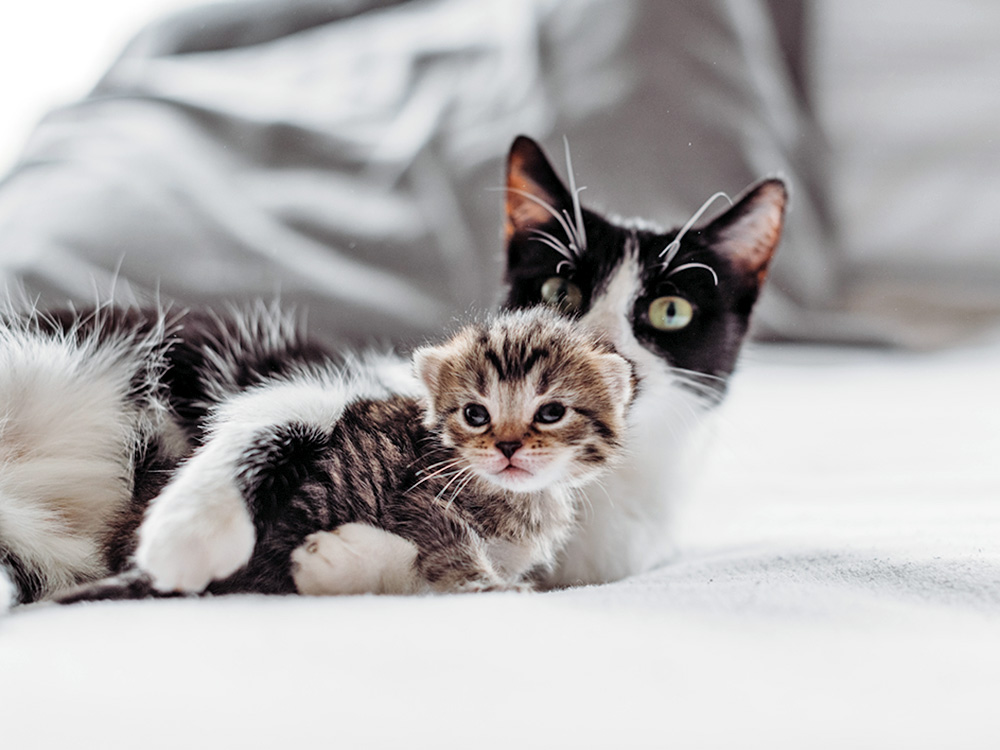
As meetings stay calm, increase time together. You might go from 10 minutes to 30 minutes, then an hour, then a few hours.
Resource setup that prevents fights
Even friendly cats can squabble if the house is set up like a bottleneck. Spread things out:
- Multiple feeding stations, ideally in separate areas
- More than one water station
- Several scratching options (at least one tall scratcher and one horizontal scratcher)
- Multiple beds and perches, especially vertical spots
- Litter boxes in different locations, not all in one corner
When can the kitten be out full-time?
Most households do well when these are true for several days in a row:
- No chasing that causes hiding or yowling
- They can nap in the same room (even far apart)
- They can pass each other without confrontation
- Eating and litter box habits are normal for both cats
Even after they are sharing space, I still like keeping the kitten safe room available for a week or two. It becomes a predictable decompression zone.
Common problems
“My older cat hisses every time.”
Some hissing is information, not an emergency. If your older cat can still eat treats and relax afterward, continue slowly. If the hissing escalates into stalking or swatting, go back a phase and increase distance.
“The kitten wants to play, but my cat gets angry.”
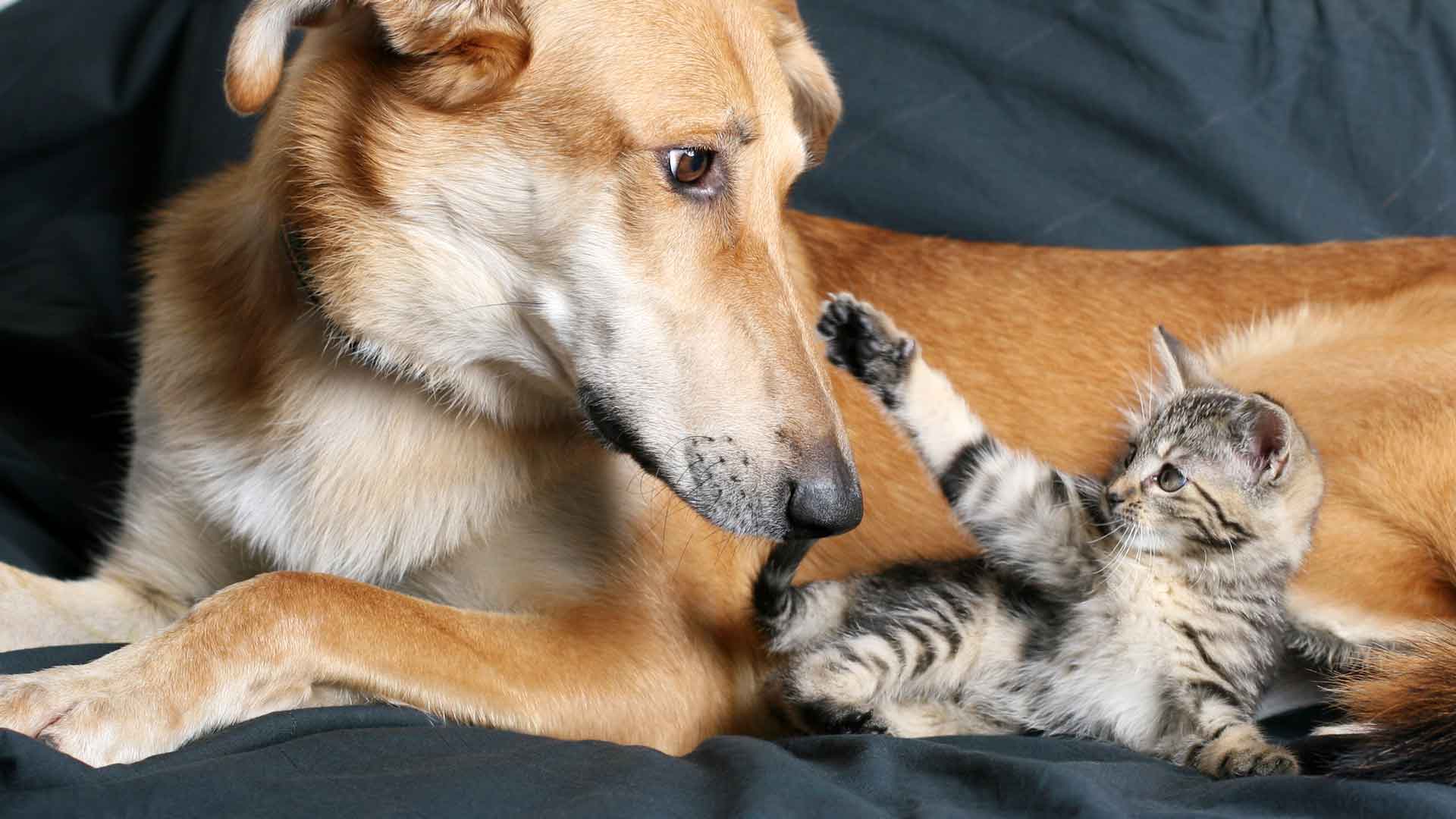
This is extremely common. Kittens bounce. Older cats do not appreciate being pounced on.
- Do a big play session with the kitten before meetings
- Add more vertical spaces so the older cat can opt out
- Interrupt pouncing early with a toy redirect, not yelling
“They chase each other. Is it play or a fight?”
Play tends to look bouncy and loose, with breaks. A true conflict looks intense and one-sided.
- Likely play: taking turns chasing, no screaming, bodies stay loose, they disengage and wander off
- Likely stress: one cat always runs and hides, yowling or growling, fur flying, cornering, blocking access to rooms
If you are seeing stress-chasing, separate and go back to barrier work. Rebuild calm.
“My resident cat is avoiding me.”
This is a real thing, and it hurts. Keep your older cat’s routine steady: meals on time, a daily play session, and a little quiet cuddle invitation (no forcing). I also like giving the resident cat treats or affection right after you tend to the kitten, so you become a walking reminder that good things are still happening.
Safety rules
- No unsupervised time together until you have repeated calm sessions.
- Never punish hissing or growling. Punishment increases fear. We want to lower it.
- Do not let either cat feel trapped. Always provide an exit route.
- Separate if there is a real fight (screaming, rolling ball of fur, biting). Use a towel, cardboard, or a laundry basket as a barrier. If you try a loud distraction, only do it from a distance and only if it does not ramp them up more. Do not grab with bare hands.
- Consider a vet check if your resident cat becomes suddenly aggressive or starts hiding constantly. Pain can make tolerance disappear.
Simple timeline
| Day range | Your focus | What “good” looks like |
|---|---|---|
| Days 1 to 3 | Separate spaces, scent swapping, feeding at the door | Sniffing, curiosity, eating normally |
| Days 3 to 7 | Visual sessions with a barrier | Treat-taking, relaxed posture, brief interest then disengaging |
| Week 2 | Short supervised meetings, parallel play | Minimal hissing, no lunging, calm recovery after sessions |
| Weeks 2 to 4 | Longer shared time, gradual freedom | Coexisting in the same space, normal routines |
Some cats move faster. Some need a month or more. Slower is still successful.
FAQ
Should I let my older cat “put the kitten in their place”?
A small hiss or a quick swat in the air can be normal communication. But letting an older cat repeatedly chase or pin a kitten can create fear that lasts for years. Your job is to keep interactions safe and brief so both cats can stay under threshold.
Do I need to reintroduce if there is a bad incident?
Often, yes. If you had a fight or a scary chase, separate fully for 24 to 72 hours, then restart with scent and barrier work. I know it feels like going backward, but it is usually the fastest way to recover trust.
What if my resident cat is a senior?
Go extra slow and prioritize quiet. Seniors often have lower tolerance for kitten energy and may have aches that make them defensive. Add more vertical escapes, keep meetings short, and tire the kitten out before every session.
When should I call in professional help?
If you see repeated fights, bite wounds, intense stalking, or one cat stops eating or using the litter box normally, talk to your vet and consider a certified cat behavior professional. Getting help early is much easier than undoing months of fear.
A quick pep talk
Introductions can feel slow, especially when the kitten is ready to be everyone’s best friend on day one. But your older cat is not being “bad” or “jealous” in a human way. They are processing a territory change with the only tools they have: scent, space, and caution.
Take it in phases. Celebrate the tiny wins, like eating calmly by the door. Those little moments are what eventually turn into shared naps on the couch. I have seen it happen over and over, including with my own tuxedo troublemaker, Barnaby, who somehow managed to charm some very grumpy resident cats.