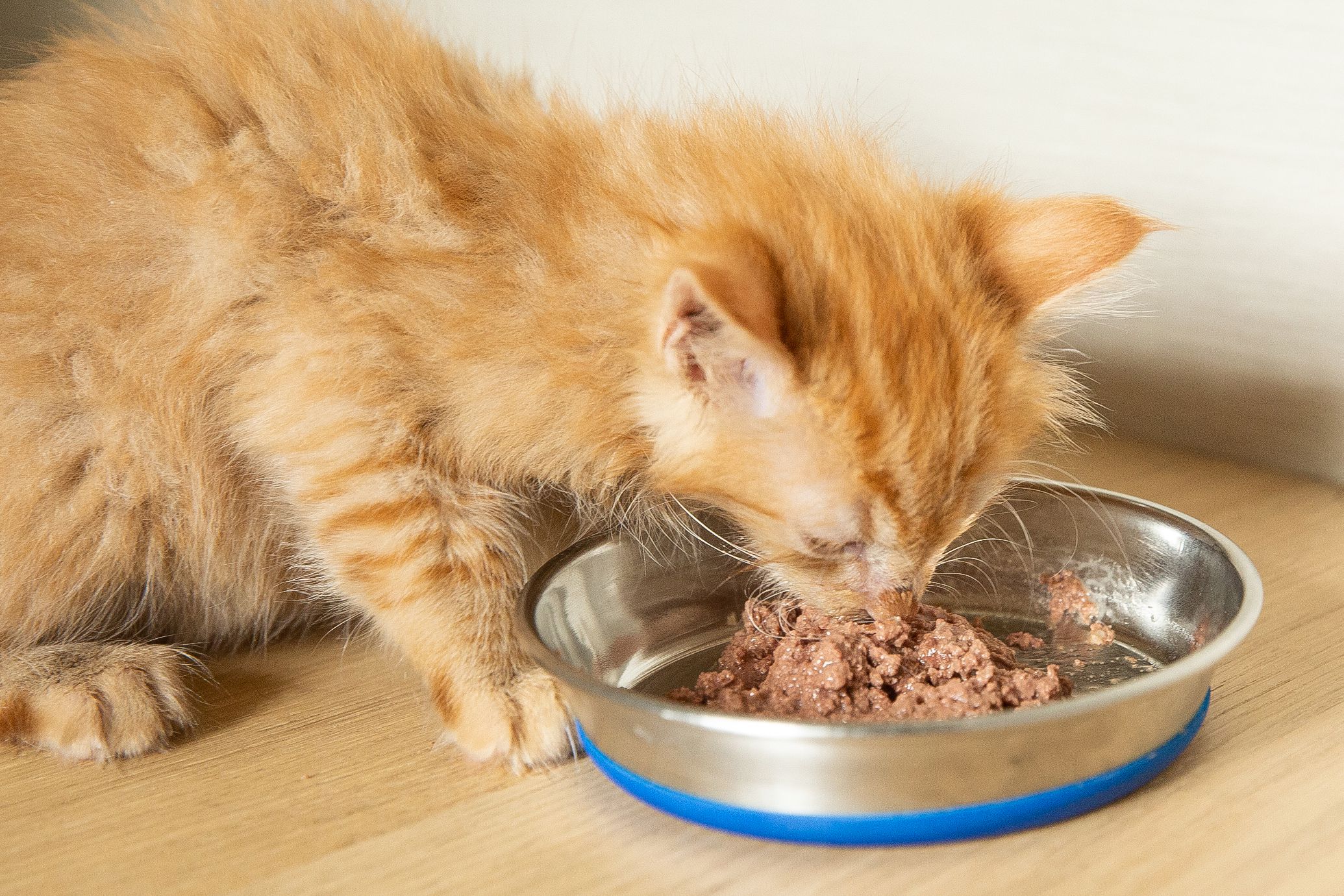
When you bring home a kitten, it is completely normal to want to do the absolute most. I still remember my first solo foster litter and my 2 AM spiral of: “Do they need vitamins? Is kitten food enough? What about taurine?”
Here is the comforting truth: if your kitten is eating a complete and balanced commercial kitten food (one that meets AAFCO standards in the US or FEDIAF standards in Europe for growth), they typically do not need additional vitamins or supplements. In many cases, adding “extra” can do more harm than good.
That said, there are a few situations where targeted supplements can be helpful. Let’s walk through the big three people ask about most: taurine, probiotics, and fish oil.
Start with the food
Kittens are not tiny adult cats. They need more calories per pound, different mineral ratios for growing bones, and specific amino acids for healthy development. High-quality commercial kitten diets are formulated to hit those targets.
How to tell if the diet is complete
- Look for a statement like: “complete and balanced for growth” or “for all life stages.” In the US, it often references AAFCO. In Europe, you may see FEDIAF.
- Feed the right life stage: kitten food for kittens, not adult maintenance.
- Avoid piling on extras (broths, toppers, human foods) that dilute the balanced nutrient profile.
If you are feeding a veterinary therapeutic diet, follow your vet’s guidance closely. Those formulas are intentionally designed for specific needs and can be thrown off by add-ons.
Do kittens need extra taurine?
Healthy kittens eating commercial foods labeled complete and balanced for growth (or all life stages) do not need extra taurine. Taurine is an essential amino acid for cats. They cannot make enough of it on their own, and deficiency can cause serious issues involving the heart, vision, and development.
The good news is that commercial foods that are truly complete and balanced already include taurine at safe, appropriate levels.
When taurine is a real concern
- Homemade diets without a properly formulated recipe and supplement plan. This is the most common risk.
- Dog food fed to kittens (even “just for a while”). Dog food is not formulated for a cat’s taurine needs.
- Improperly balanced raw diets or DIY raw that is not designed by a veterinary nutritionist.
Can you add taurine “just in case”?
I get the impulse. But sprinkling taurine powder on top of an already complete kitten food is usually unnecessary, and it can distract from the bigger issue if the overall diet is not balanced. If you are feeding anything other than a complete commercial cat food, talk to your veterinarian or a board-certified veterinary nutritionist before supplementing.
Probiotics for kittens
Probiotics are one of those supplements that can be genuinely useful in the right moment, especially for kittens who are prone to mild digestive upset. Many kittens, particularly rescues and fosters, go through stressors that can throw their gut off: weaning, transport, deworming, antibiotics, diet changes, and big environment shifts.
One quick note on expectations: probiotic effects are strain- and product-dependent. Some kittens improve noticeably, and some do not. For very young kittens or ongoing issues, it is worth checking in with your vet about product choice and dosing.
When I consider probiotics
- After antibiotics, to support normal stool quality (with your vet’s okay).
- During stressful transitions like adoption week, if the kitten has mildly soft stool and is otherwise bright and eating.
- For recurrent mild diarrhea after parasites have been ruled out and your vet recommends a trial.
When probiotics are not the answer
If a kitten has diarrhea, the priority is always to rule out the common culprits first, because supplements will not fix these on their own:
- Intestinal parasites (very common in kittens)
- Coccidia or giardia
- Sudden food changes or overfeeding
- Illness and stress that can coincide with appetite changes and loose stool
Kittens can dehydrate fast. If stool is watery, foul-smelling, frequent, or paired with lethargy, vomiting, poor appetite, or weight loss, call your vet promptly.
Picking a probiotic
- Pet-specific product with a clear label and expiration date.
- Single-serve packets or capsules tend to stay fresher than an opened tub.
- Simple ingredients, especially for sensitive kittens. Some formulas include flavors or added fibers that do not agree with every kitten.
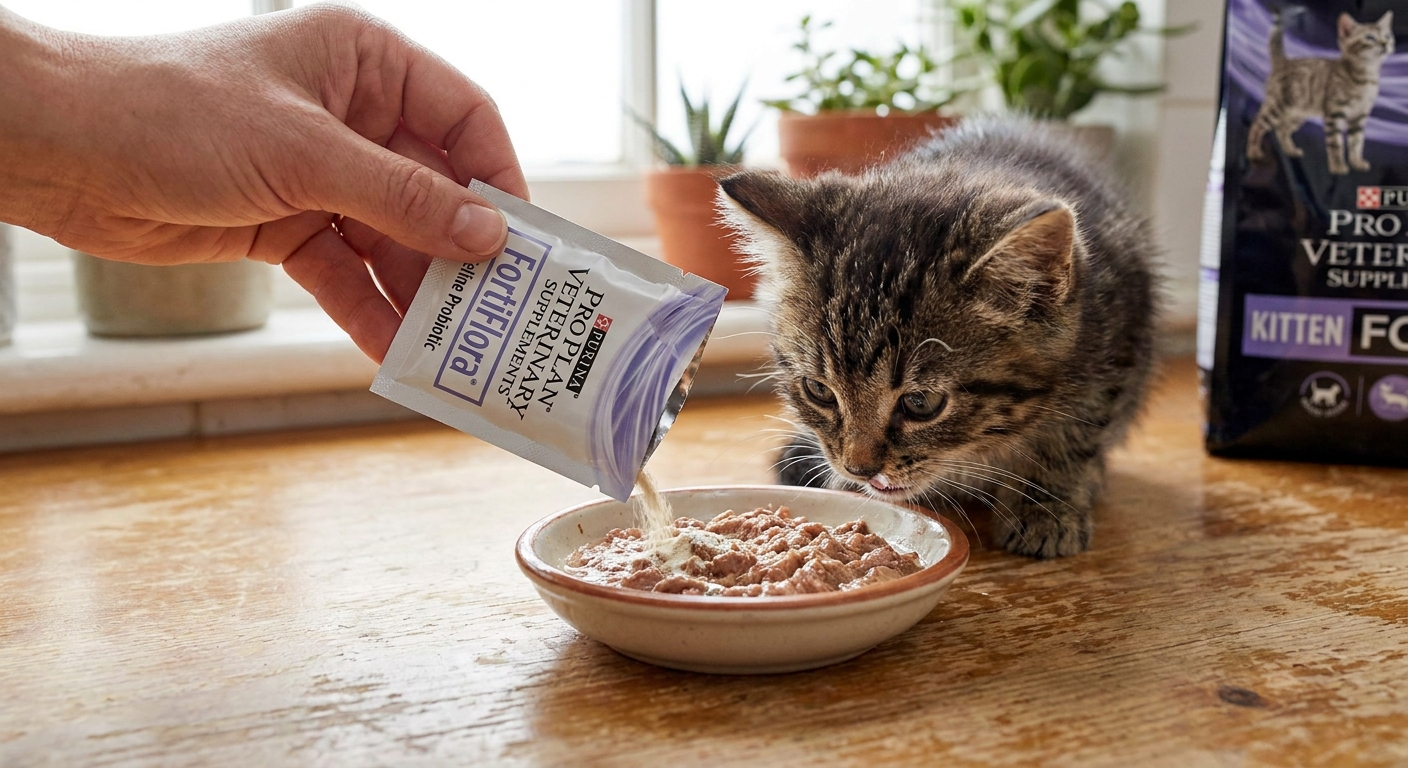
Practical foster tip: if you try a probiotic, give it a few days while keeping everything else steady (same food, same portions). If you change three things at once, you will never know what actually helped.
Fish oil (omega-3s) for kittens
Fish oil is popular for skin, coat, and anti-inflammatory support. For many kittens on a high-quality commercial diet, it is a “nice to have,” not a “need.” Some diets already include omega-3 fatty acids from fish meal or fish oil.
When to ask your vet about omega-3s
- Dry, flaky skin that persists even after parasites (like fleas) are controlled
- Dull coat in a kitten eating a decent diet and otherwise healthy
- Inflammatory conditions where your veterinarian is using omega-3s as part of a plan
Why I do not “just add a squirt”
Omega-3s are active nutrients, and kittens are small. Too much fish oil can cause:
- Diarrhea or greasy stool
- Extra calories that can crowd out balanced nutrition
- Vitamin issues in certain products, especially oils like cod liver oil that can be high in vitamins A and D, and very high doses of polyunsaturated fats that can increase a body’s vitamin E needs
If your vet recommends omega-3s, ask for a specific kitten-appropriate product and dosing guidance based on your kitten’s weight.
Omega-3 safety checklist
- Use a pet-specific product or a veterinary-recommended brand.
- Choose a product with clear EPA/DHA amounts, not just “fish oil mg.”
- Store properly (many need refrigeration after opening) to reduce oxidation and rancid smell.
- Avoid flavored or sweetened oils that can upset a kitten’s stomach.
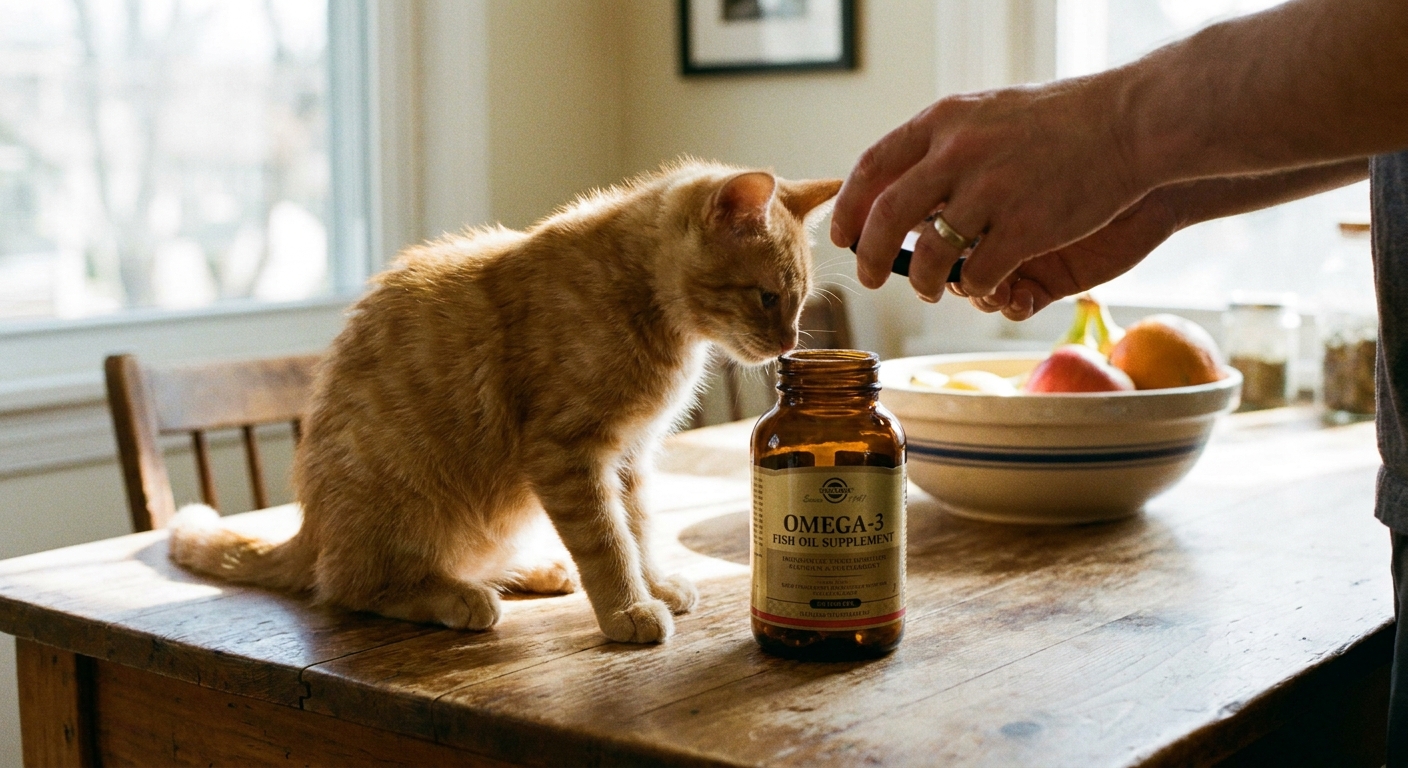
Do kittens ever need a multivitamin?
In my experience, multivitamins are one of the most commonly purchased and least commonly needed kitten products.
If your kitten eats a complete and balanced kitten food, a multivitamin is usually unnecessary. Adding one can push certain nutrients too high, especially fat-soluble vitamins that the body stores.
When a vet might prescribe supplementation
- Orphaned neonates on milk replacer with special needs (these cases should be guided by a vet or experienced rescue team)
- Kittens with poor appetite or failure to thrive where bloodwork or exam suggests a gap
- Medical conditions that alter absorption or require targeted support
- Homemade diets created with a veterinary nutritionist, where supplements are part of the recipe
Age and stage basics
Most of the supplement panic I see happens in the early months, when everything feels urgent. A simple way to think about it:
- Neonates (very young kittens on milk replacer) are a special category and should be guided closely by a vet or experienced rescue team.
- Weaned kittens generally do best on a complete and balanced kitten diet until about 12 months, sometimes longer depending on your vet’s advice and the kitten’s size and growth pattern.
If you are ever unsure, your veterinarian can help you confirm that your kitten’s diet matches their age, weight, and growth curve.
Supplements that backfire
One reason I lean “food first” is that kitten bodies are still calibrating. When you add supplements on top of an already balanced diet, you can accidentally create new problems.
Common pitfalls
- Calcium supplements: too much calcium or the wrong calcium-to-phosphorus ratio can impact bone development in growing kittens.
- Cod liver oil: can contain high levels of vitamins A and D, which are risky in excess.
- Multiple overlapping products: a probiotic treat plus vitamin paste plus omega oil plus fortified topper can stack ingredients fast.
- “Natural” does not mean kitten-safe: essential oils and herbal blends can be inappropriate or toxic for cats.
Common “extra” products
A lot of kitten supplements are marketed like must-haves. In real life, many are optional at best, and some are controversial.
- Lysine for upper respiratory issues: it used to be a common recommendation, but evidence for benefit is limited and mixed. If your kitten has sneezing or eye discharge, the priority is a vet exam and supportive care guidance.
- Calming chews: these can be tempting during adoption week, but check ingredients carefully and do not stack multiple calming products. For most kittens, routine, play, and a predictable setup go further than supplements.
- Hairball gels: typically unnecessary for young kittens. If your kitten is coughing, gagging, or vomiting frequently, it is time for a vet visit rather than a gel.
Quick avoid list
If you take nothing else from the supplement aisle, take this: kittens are small, and tiny doses matter. Skip products that are more likely to cause problems than solve them.
- Human vitamins unless your veterinarian instructs you to use a specific product and dose
- Sweetened products, including anything containing xylitol
- Essential oils and heavily scented “natural” blends made for people
- Flavored human fish oil capsules or oils with added sweeteners or flavorings
My simple decision guide
If you are standing in the pet store aisle wondering whether you should buy the supplement, start here:
Step 1: Check the diet
- Is your kitten eating a complete and balanced kitten food consistently?
- Are you feeding enough for growth (and not diluting it with lots of extras)?
Step 2: Name the goal
- Are you trying to solve a problem (diarrhea, flaky skin), or are you aiming for “even better”?
- If there is a problem, has your kitten seen a vet to rule out parasites or illness?
Step 3: Choose targeted, time-limited support
- Probiotics: may help with short-term stool support in the right context.
- Omega-3s: sometimes helpful, but only with proper dosing guidance.
- Taurine: critical when the diet is not properly formulated for cats.
Step 4: Monitor and stop if needed
- Track stool quality, appetite, and energy.
- If anything worsens, stop the supplement and contact your vet.
FAQ
What if my kitten is on wet food only?
Not if the wet food is labeled complete and balanced for growth (or all life stages). Wet-only diets can be excellent for hydration. The key is nutritional completeness, not the moisture level.
Can I give my kitten human vitamins?
I do not recommend it unless your veterinarian instructs you to. Human products may have doses, sweeteners, or added ingredients that are not appropriate for cats.
My kitten has soft stool. Should I start probiotics?
If your kitten is otherwise bright, eating, and the stool is only mildly soft, a vet-approved probiotic can be a reasonable trial. But because parasites are so common in kittens, it is smart to check a stool sample and make sure your deworming plan is on track.
Are kitten treats with “added vitamins” a problem?
In small amounts, usually not. The bigger issue is treats crowding out balanced meals. For kittens, I try to keep treats to a small percentage of daily calories and focus on meals for growth.
The bottom line
For most kittens, the best “supplement” is simply a high-quality, complete and balanced kitten food, fed consistently, in the right portions, with regular vet care and parasite control.
Taurine is non-negotiable for cats, but complete and balanced kitten foods already include it. Probiotics may be useful for short-term gut support in specific situations, and results depend on the product and the kitten. Fish oil is optional and should be dosed carefully, ideally with veterinary guidance.
If you are unsure whether your kitten needs anything extra, bring the food label (or a clear photo of it) to your next veterinary visit and ask if any targeted supplement is appropriate for your kitten’s age, weight, and health history.