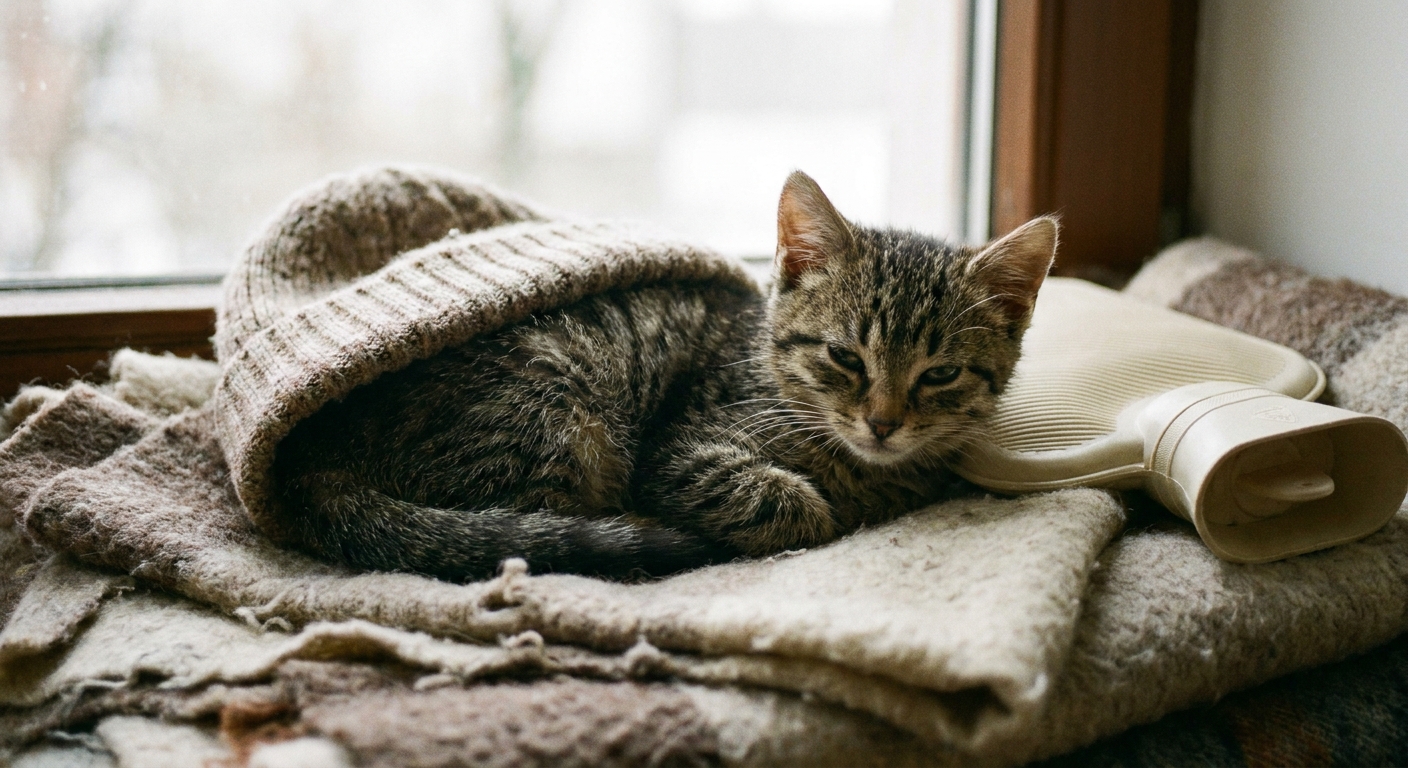
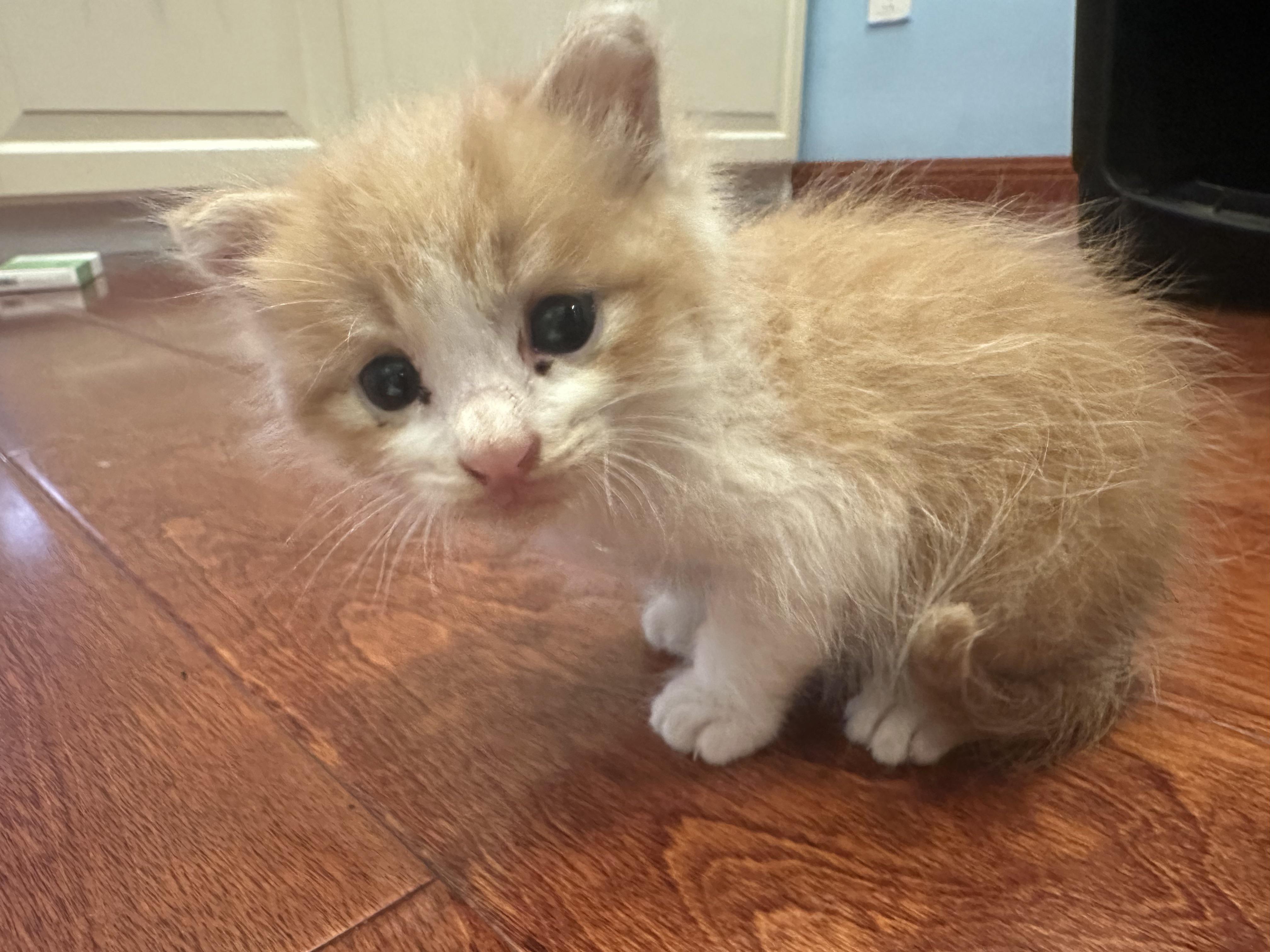
If you have a kitten, you are going to see some eye discharge (“gunk”) and a little ear wax now and then. Most of the time it is normal. The goal is not to scrub your kitten squeaky clean every day. It is to keep them comfortable, protect those delicate tissues, and notice early when something is heading toward an infection.
I have cleaned a lot of tiny faces in foster care, usually while the kitten insists they are suddenly a professional wrestler. The good news: with the right supplies and a gentle routine, eye and ear care can be quick, safe, and low drama.
Before you start: what’s normal and what’s not
Normal eye stuff
- Small amount of clear tears, especially after waking up.
- Light brown crust at the inner corner.
- Occasional watery eyes after a nap or mild irritants like dust.
Worth noting: Frequent tearing, constant “wet cheeks,” or rust-colored staining can also point to chronic irritation or tear duct issues. If it is persistent, or you are cleaning the face daily just to keep up, it is a good reason to check in with your veterinarian.
Normal ear stuff
- Small amount of pale yellow to light brown wax.
- Clean, pink skin inside the ear flap (pinna).
- No strong odor.
Important: Kittens do not need routine deep ear cleanings like a chore. Over-cleaning can contribute to irritation and inflammation in the ear canal, which makes problems more likely, not less.
Your kitten eye cleaning kit
Keep it simple. Here is what I use in foster homes because it is safe and easy to replace.
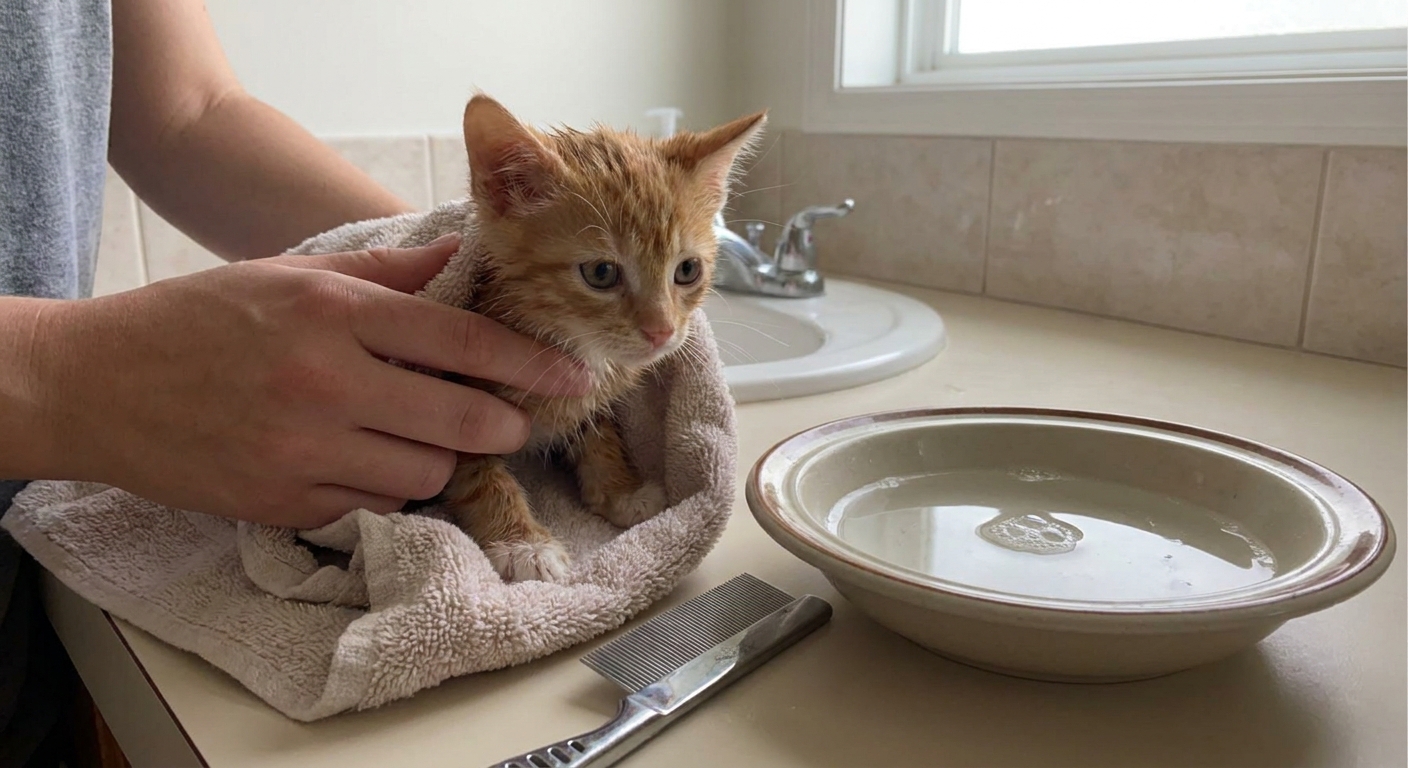
- Soft cotton rounds or sterile gauze pads (less lint than tissues)
- Warm water (or sterile saline)
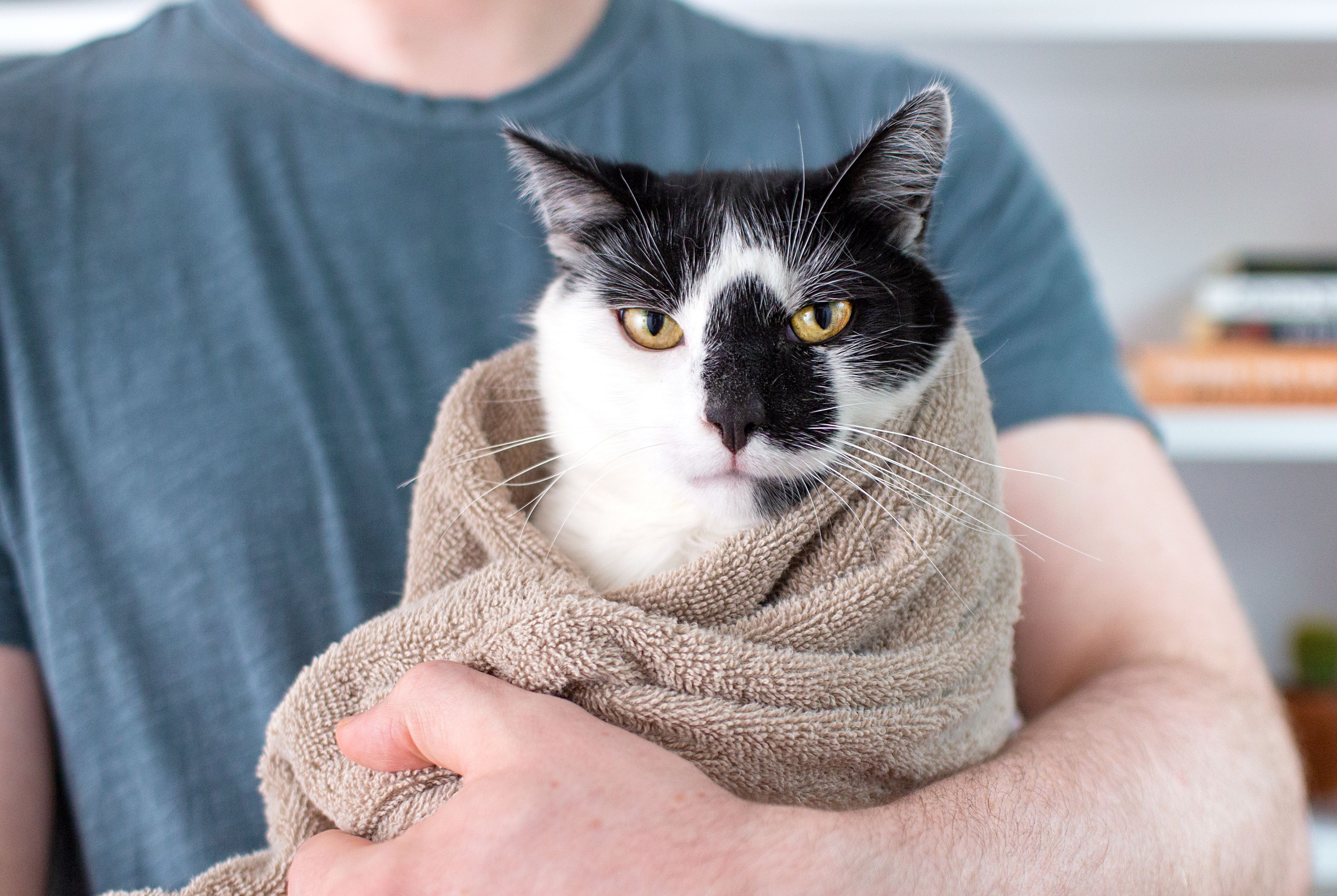
- Clean towel for a “kitty burrito” wrap
- Optional: pet-safe eye wipes made for cats (fragrance-free)
Avoid: hydrogen peroxide, alcohol, essential oils, human makeup wipes, or anything scented. Also skip cotton swabs for eyes.
Also avoid: using leftover human or pet prescription eye drops, especially anything with steroids. Steroid eye meds can make some eye problems worse (including corneal ulcers). When in doubt, call your vet first.
How to clean kitten eyes safely
If your kitten has mild discharge or crust, a gentle wipe is usually all you need.
Step 1: Set up and soften
Wash your hands. Moisten a cotton round or gauze pad with warm water or sterile saline. Hold it against the crusty area for 10 to 20 seconds to soften. Do not pick at dry crust.
Step 2: Wipe away from the tear duct
Wipe from the inner corner toward the outer corner, in one smooth motion. In other words, wipe away from the tear duct area. Use light pressure. Think “wipe away tears,” not “scrub a stain.”
Step 3: One pad per eye
Use a fresh pad for each eye to avoid moving germs from one eye to the other.
Step 4: Repeat only if needed
If there is still debris, soften again and wipe again with a clean pad. Stop if the skin looks red or irritated.
Step 5: Reward and release
A tiny treat, a lick of kitten-safe squeeze treat, or a favorite toy right after helps your kitten learn that face cleaning is not the end of the world.
Your kitten ear cleaning kit
- Cat-specific ear cleaner (ask your vet for a gentle option if your kitten has a history of issues)
- Cotton rounds or gauze pads
- Treats for after
Avoid: cotton swabs down the ear canal, hydrogen peroxide, alcohol, and home remedies like vinegar unless your veterinarian specifically tells you to.
If you suspect ear mites or infection, do not start experimenting with products. Get the ears looked at first. Some conditions require prescription medication, and cleaning too aggressively can make a painful ear even worse.
How to clean kitten ears safely
For routine care, you are only cleaning what you can see. The ear canal is deeper than it looks, and it is easy to cause irritation if you go digging.
Step 1: Check before you clean
Lift the ear flap and look. If you see redness, swelling, bleeding, thick discharge, or your kitten flinches in pain, skip cleaning and call your vet.
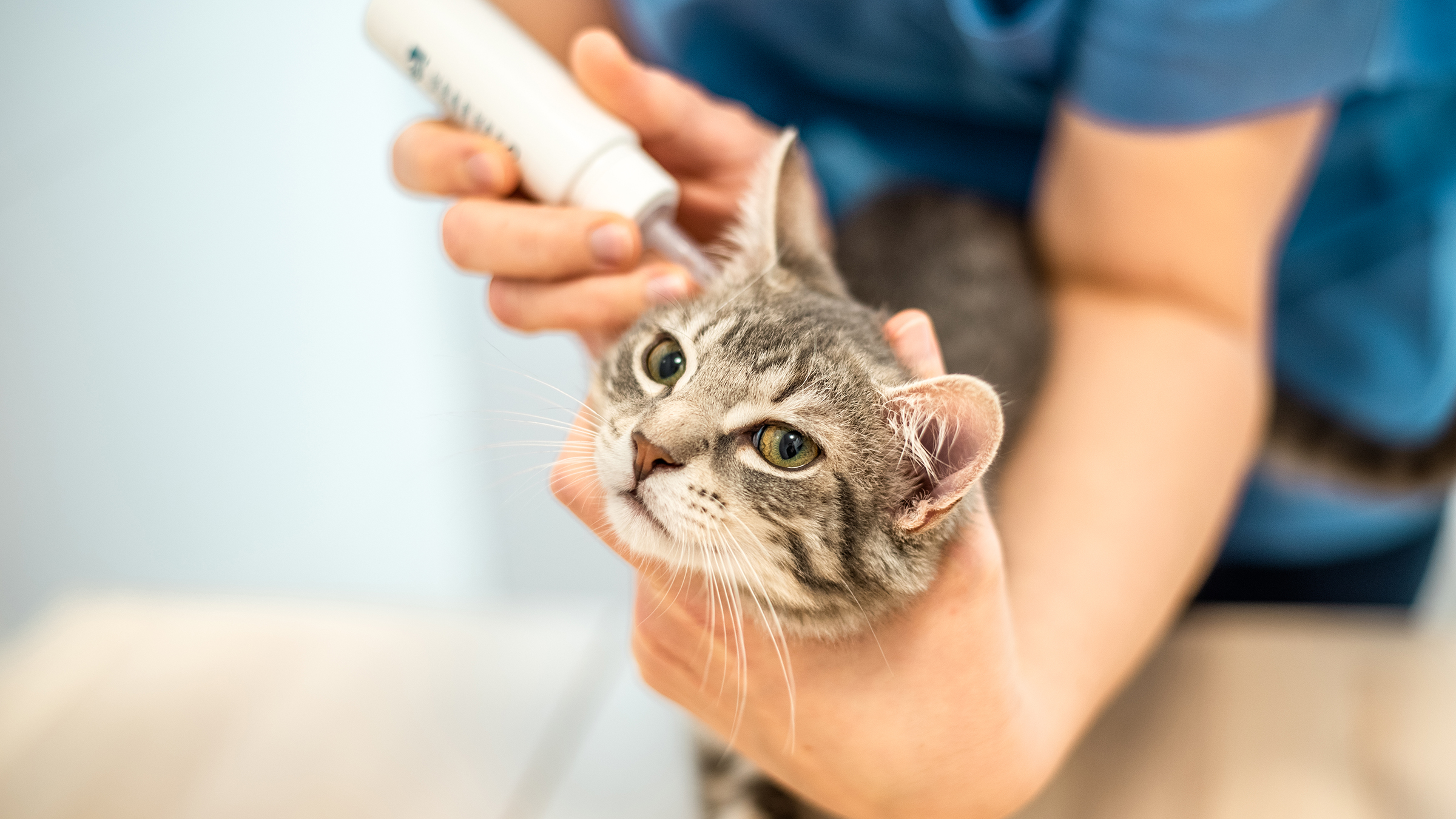
Step 2: Add cleaner without touching the tip
If the ear looks generally normal but has waxy buildup, hold the bottle tip at the opening of the ear canal without inserting it, and try not to let the tip touch the ear (this helps prevent contaminating the bottle). Use the amount directed on the label, typically a few drops.
Step 3: Gentle ear massage
Fold the ear flap back down and massage the base of the ear for 20 to 30 seconds. You may hear a soft “squish,” which is normal. This loosens debris.
Step 4: Let them shake
Step back and let your kitten shake their head. It helps bring debris outward.
Step 5: Wipe only the outer ear
Use a cotton round or gauze to wipe the inside of the ear flap (pinna) and the outer, easy-to-see areas near the canal opening. Do not push anything down into the canal.
Step 6: Praise and treat
Finish with a reward. This matters a lot for kittens so ear handling stays “normal” as they grow.
How often should you clean eyes and ears?
Eyes
- As needed for mild discharge, often once a day during a mild cold or irritation.
- If you are wiping eyes multiple times a day and it is not improving within 24 to 48 hours, it commonly means something is brewing and it is time to check in with your vet. If your kitten is very young, unvaccinated, or not acting like themselves, call sooner.
Ears
- Usually not weekly. Many kittens rarely need ear cleaning unless they are prone to wax buildup.
- Check ears during nail trims or brushing sessions. Clean only when you see buildup.
Early signs of an eye infection
Kittens can go from “a little watery” to “yikes” quickly, especially with upper respiratory infections. Call your vet if you notice any of the following:
- Green or yellow discharge or thick mucus
- Eye swelling or puffy eyelids
- Redness of the whites of the eyes or inner lids
- Squinting, keeping one eye closed, or light sensitivity
- Cloudiness on the surface of the eye
- Third eyelid showing (a pale membrane partially covering the eye)
- Pawing at the face or obvious discomfort
Extra clue: If eye discharge comes with sneezing, coughing, congestion, mouth sores, or a “sick kitten” vibe, a feline upper respiratory infection (often involving herpesvirus) may be part of the picture. Your vet can guide treatment and help protect the eyes.
Urgent note: If an eye looks cloudy, suddenly very swollen, injured, or your kitten cannot open it, treat it as urgent. Eye problems can worsen fast, and early treatment protects vision.
Early signs of ear infection or mites
Signs something is off
- Frequent head shaking
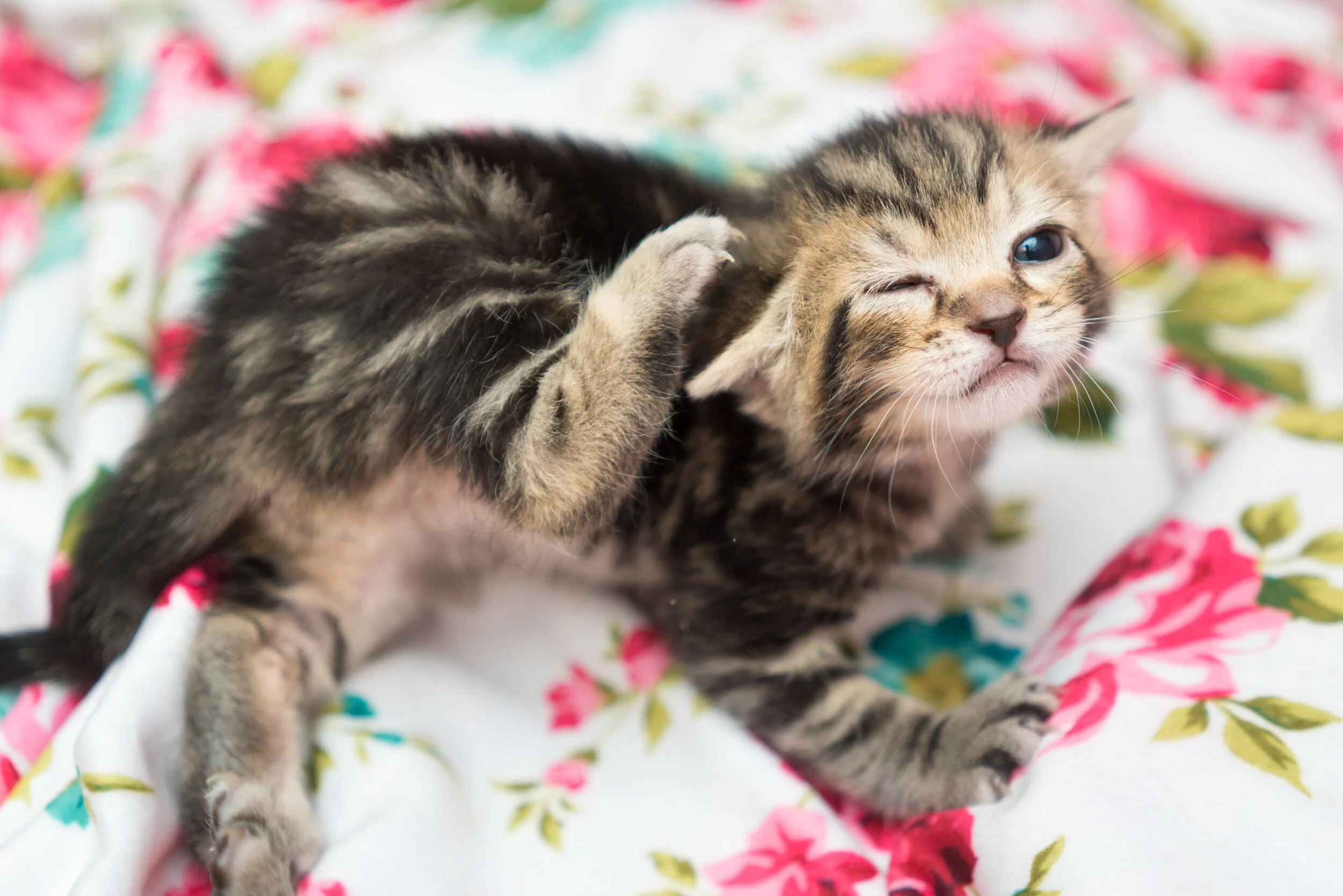
- Scratching at the ears or rubbing ears on the floor
- Strong odor from one or both ears
- Red, inflamed skin or scabs near the ears
- Dark, crumbly debris that looks like coffee grounds
- Ear sensitivity, crying, or pulling away when touched
- Head tilt or balance issues (needs prompt vet attention)
Ear mites: what they often look like
Ear mites often cause intense itching and dark, dry, gritty debris. They are common in rescue kittens and spread easily between pets. The good news is they are very treatable, but you need the right medication. Please do not rely on oil drops or random home remedies. You also want to treat other pets in the household if your vet confirms mites. Cats are the usual target, but some mites can affect dogs and ferrets too, so ask your vet what makes sense in your home.
When to skip cleaning and call the vet
Cleaning is for mild, routine mess. If you see signs of pain or infection, cleaning can delay real treatment.
- Blood from the ear or eye
- Eye cloudiness, sudden squinting, or suspected injury
- Thick yellow or green eye discharge
- Ear swelling, severe redness, or foul odor
- Neurologic signs like head tilt, wobbliness, unusual eye movements
- Fever, lethargy, poor appetite along with eye or ear symptoms
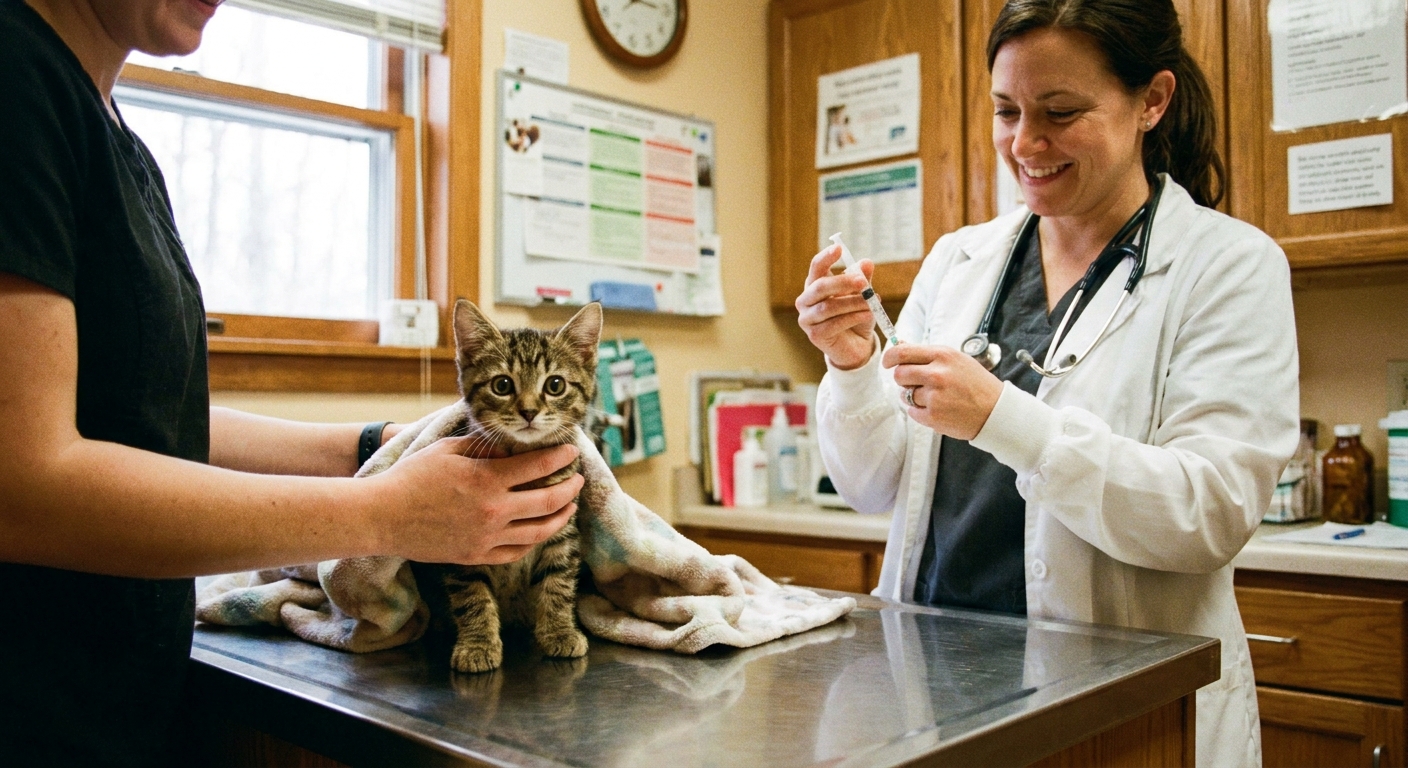
If your kitten is very young, medically fragile, or unvaccinated, it is worth calling sooner rather than later. In foster work, early vet guidance saves a lot of suffering and keeps small issues from turning into big ones.
Hygiene basics
Eye and ear issues can be contagious between kittens, and sometimes between pets. A few simple habits help a lot:
- Wash your hands before and after cleaning, and between animals.
- Do not share pads, wipes, or towels between pets.
- Launder towels and blankets in hot water if you are dealing with discharge, mites, or a respiratory bug.
Common mistakes (and what to do instead)
- Mistake: Using the same pad on both eyes. Instead: One pad per eye, every time.
- Mistake: Scrubbing off dry crust. Instead: Warm compress first, then wipe.
- Mistake: Pushing cotton swabs into the ear canal. Instead: Wipe only what you can see on the pinna and outer area.
- Mistake: Cleaning ears too often “just in case.” Instead: Check often, clean only when needed.
- Mistake: Trying leftover drops from another pet. Instead: Use only medication prescribed for your kitten’s current issue.
Make cleanings easier
Even if your kitten is perfectly healthy, a little practice now pays off for life.
- Once a day for a week, touch the ears, lift the ear flap, then treat.
- Briefly touch near the eyes and cheeks, then treat.
- Do “micro-sessions” that last 5 to 10 seconds. Stop before your kitten gets annoyed.
This kind of calm, predictable handling is one of my favorite foster tricks. It makes vet visits, grooming, and medication so much less stressful later.
Quick FAQ
Can I use human saline or contact solution?
Plain sterile saline is generally fine for wiping mild discharge. Avoid contact lens solutions that contain disinfectants or other additives. When in doubt, warm water on gauze works for basic cleaning.
My kitten has runny eyes. Is it allergies?
Sometimes, but kittens commonly have watery eyes from upper respiratory infections, blocked tear ducts, or irritation. If it is persistent, one-sided, or turns yellow or green, schedule a vet exam. If your kitten is very young or unvaccinated, do not wait.
Can I clean ear mites out at home?
You can wipe visible debris, but cleaning alone will not eliminate mites. Mites require appropriate medication, and your vet may recommend treating other pets in the home.
Is brown eye discharge ever normal?
Yes. Light brown, dry crust at the inner corner can be normal, especially after sleep. The red flags are thick mucus, swelling, squinting, a sudden change in amount, or constant tearing and staining that keeps coming back.
A final note from my foster room
If you take just one thing from this: be gentle, be consistent, and trust your gut when something looks “not right.” You know your kitten’s normal. When it changes, it is worth paying attention.
And if your kitten acts offended by the whole process, you are in excellent company. Barnaby, my tuxedo foster fail, still gives me a look like I have personally ruined his day whenever I wipe an eye booger. We do it anyway, then we move on to better things like snacks and nap time.