Grooming a kitten is less about “beauty” and more about building a lifetime of comfort with being handled. The right tools help you remove loose fur, prevent painful tangles, and spot little issues early like fleas, dandruff, or a sneaky bit of litter stuck to the back end.
The trick is matching the tool to your kitten’s coat type and keeping every session short, gentle, and rewarding. Below are the brushes and combs I keep in my Kitten Sprout foster kit, plus exactly when to use each one.
First, a quick coat-type check
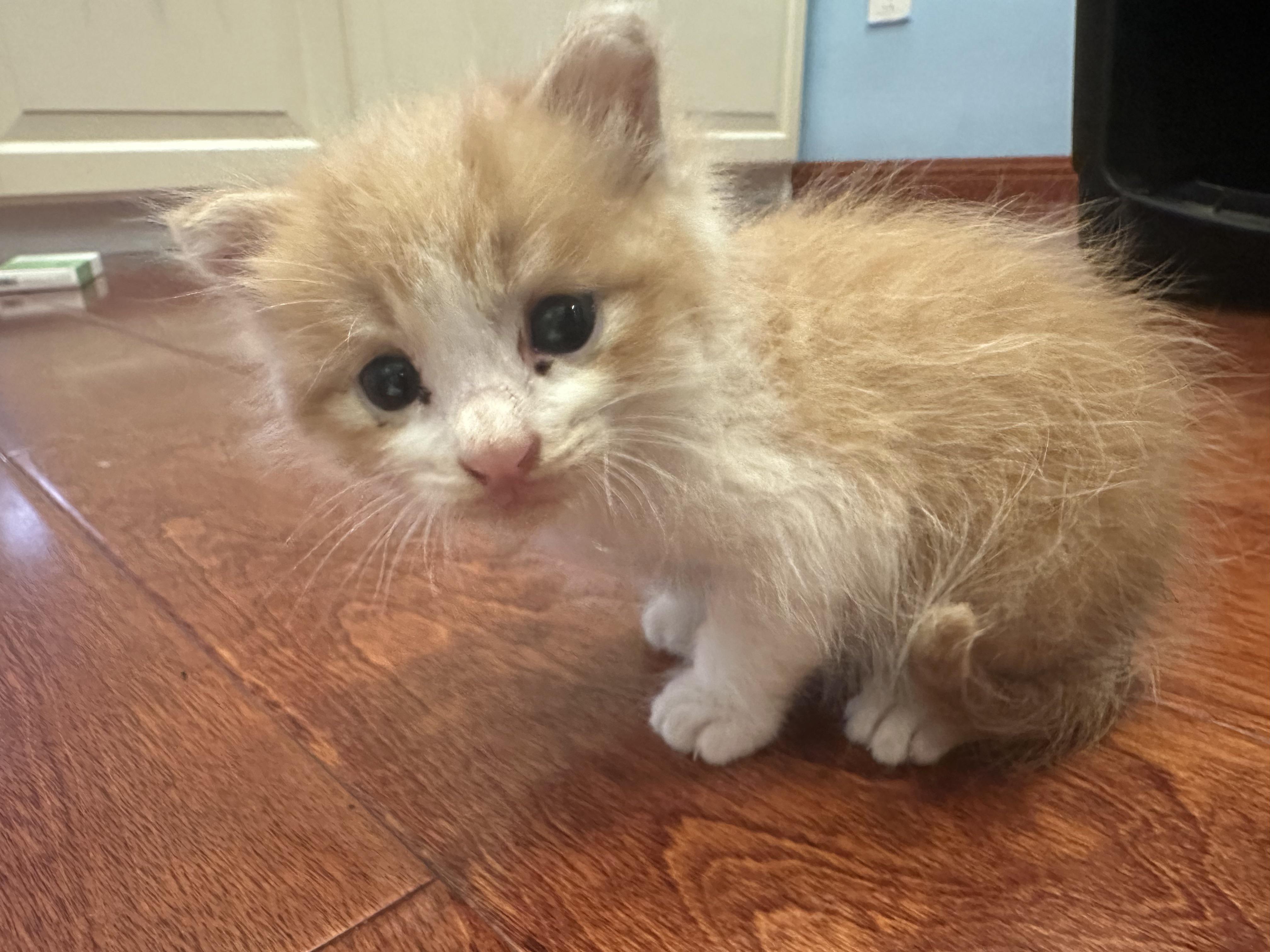
If you are not sure what you are working with yet, that is normal. Many kittens often “fluff up” around 10 to 14 weeks, but coat changes vary a lot by breed and individual. Some long-haired coats also do not fully declare themselves until several months in.
- Short coat: sleek fur that lies close to the body, minimal feathering on legs and tail
- Medium coat: a little “plush,” often with a fluffier tail and slight feathering
- Long coat: obvious fluff, longer hair behind ears, belly, armpits, and a plumed tail
- Curly or wavy coat: coat feels velvety or crimped rather than straight (less common)
- Hairless or very sparse coat: little to no fur, may have peach fuzz
If your kitten came from a shelter or rescue, you can also ask what mom looked like. That can be a helpful clue for adult coat length.
The core grooming kit every kitten household needs
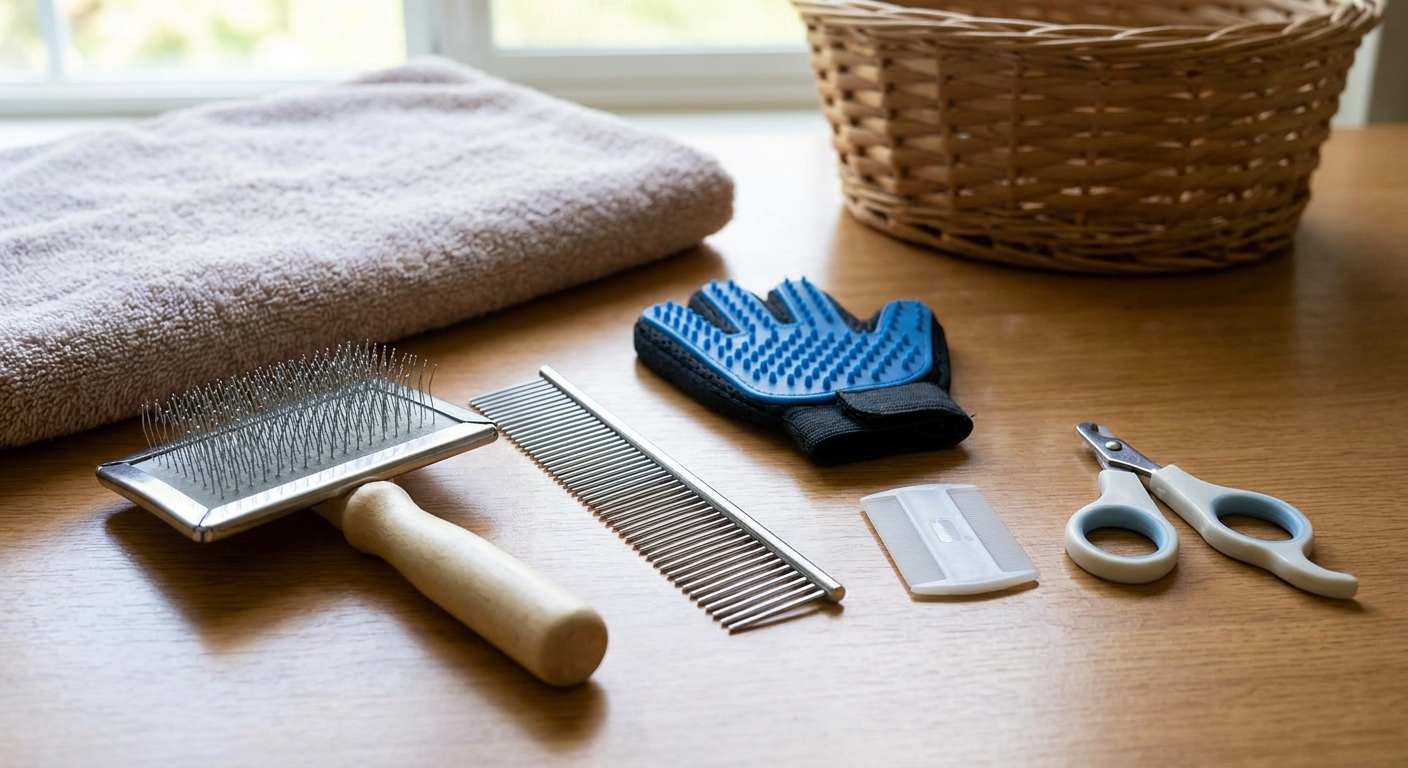
You do not need a drawer full of gadgets. A small, well-chosen kit covers almost everything.
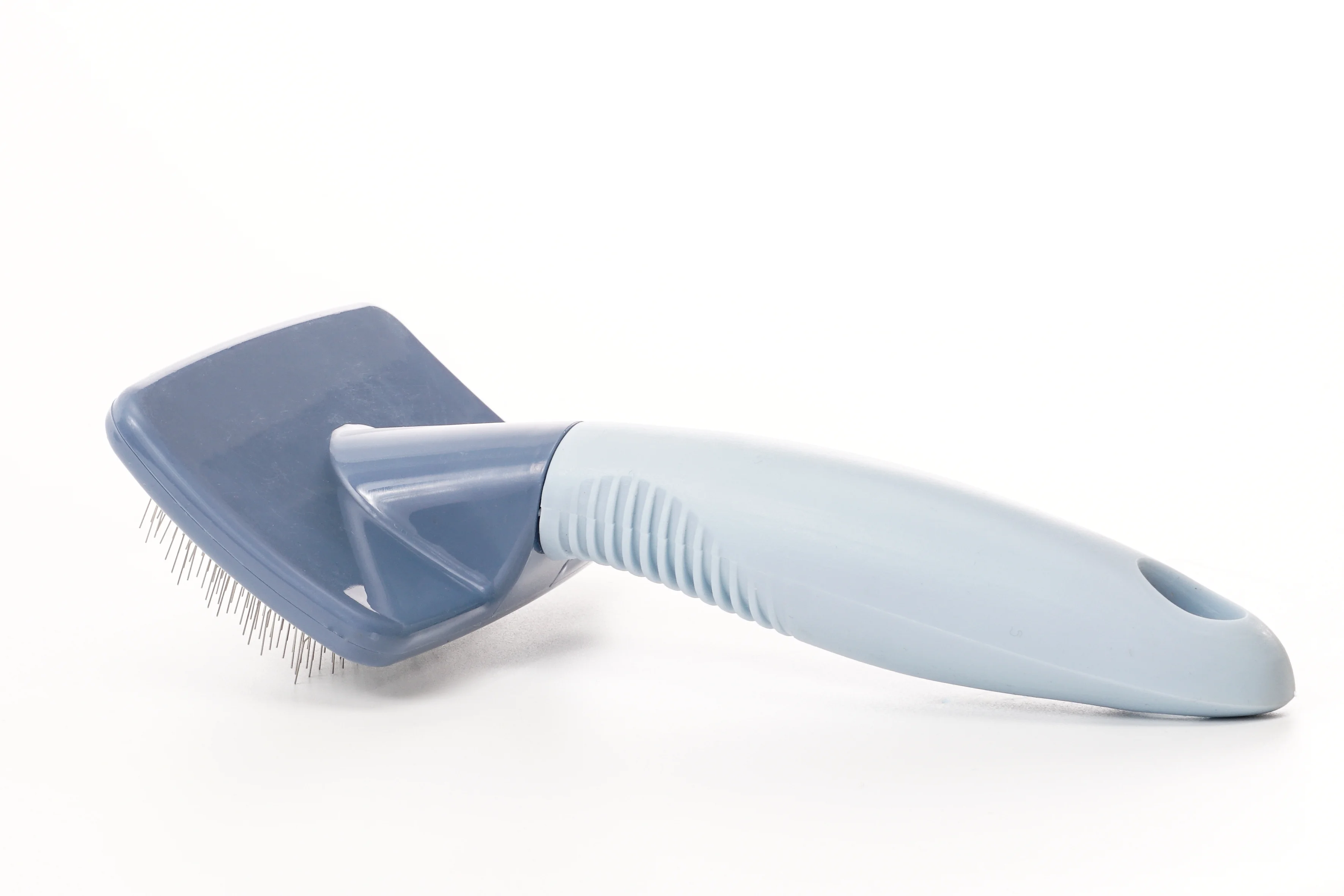
1) Soft slicker brush
This is my most-used tool for medium and long coats, and it can also work for short coats if you choose a truly soft one. Look for thin, flexible pins with rounded tips and a smaller brush head that is easy to control on a tiny body.
- Best for: medium coat, long coat, fluffy bellies, “pants,” and tails
- Use it for: light de-shedding, preventing tangles, lifting surface debris
- Avoid if: your kitten has very sensitive skin or you are heavy-handed. Slickers can scratch if you press.
2) Greyhound-style metal comb
If I could pick only one tool for a long-haired kitten, it would be a metal comb. It is the best way to check your work after brushing because it will catch tiny tangles a brush glides over.
- Best for: medium and long coats, especially behind ears, around the collar line, armpits, and belly
- Choose: a comb with both wide and fine teeth if possible
- Pro tip: if the comb will not slide through with almost no resistance, you found a tangle that needs gentle attention
3) Rubber grooming mitt or rubber curry brush (cat-safe and soft)
For short-haired kittens and brush-haters, rubber grooming tools are pure magic. They feel like petting, they pick up loose fur, and they are excellent for building positive associations.
- Best for: short coats, anxious kittens, desensitization training
- Use it for: light de-shedding and “practice grooming” while you cuddle
- Bonus: many kittens tolerate this even when they refuse a traditional brush
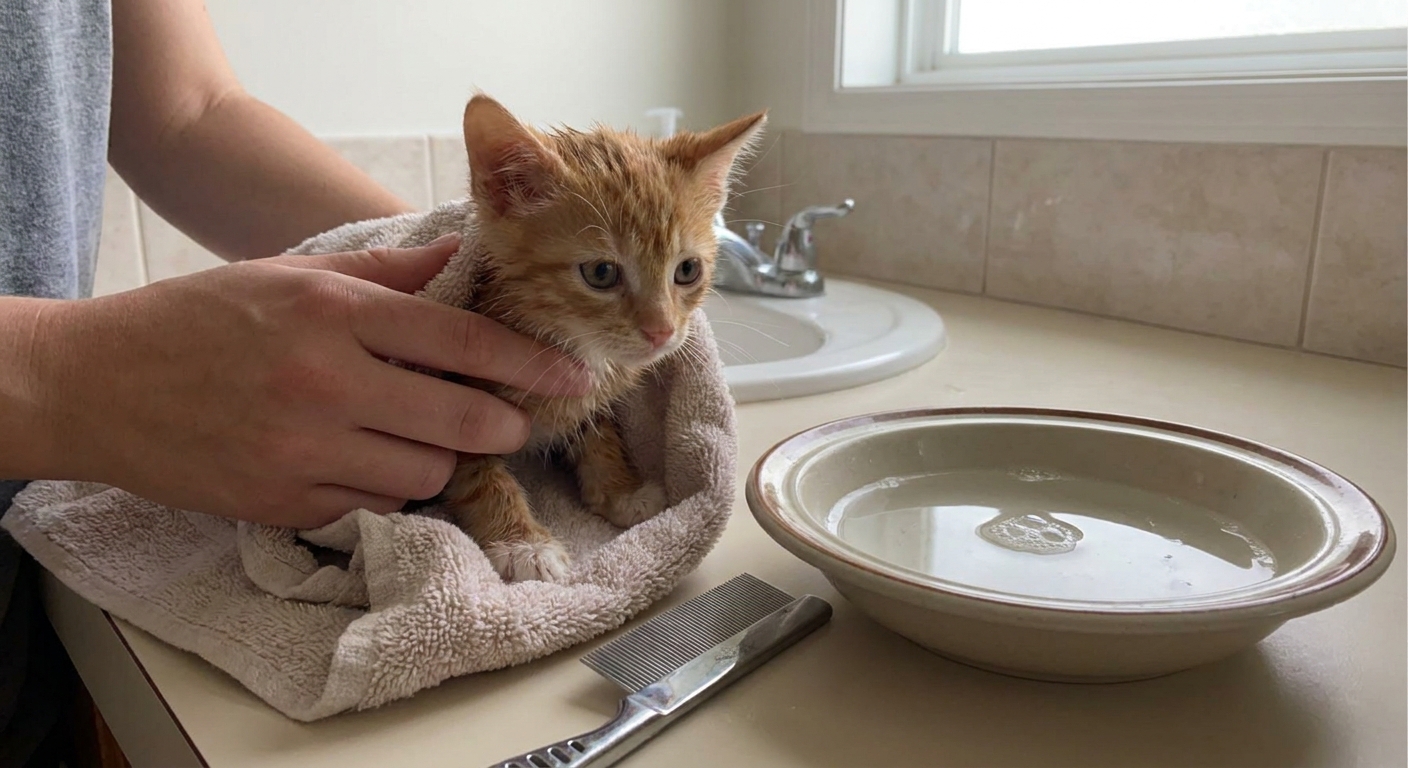
4) Flea comb (fine-toothed)
This is not only for fleas. A flea comb is also great for checking the face and neck area, removing little bits of crusty eye discharge, and catching specks that could be flea dirt.
- Best for: all coat types
- Use it for: quick checks around the neck, base of tail, and along the back
- Keep nearby: a bowl of warm soapy water to dunk anything you comb out if you suspect fleas
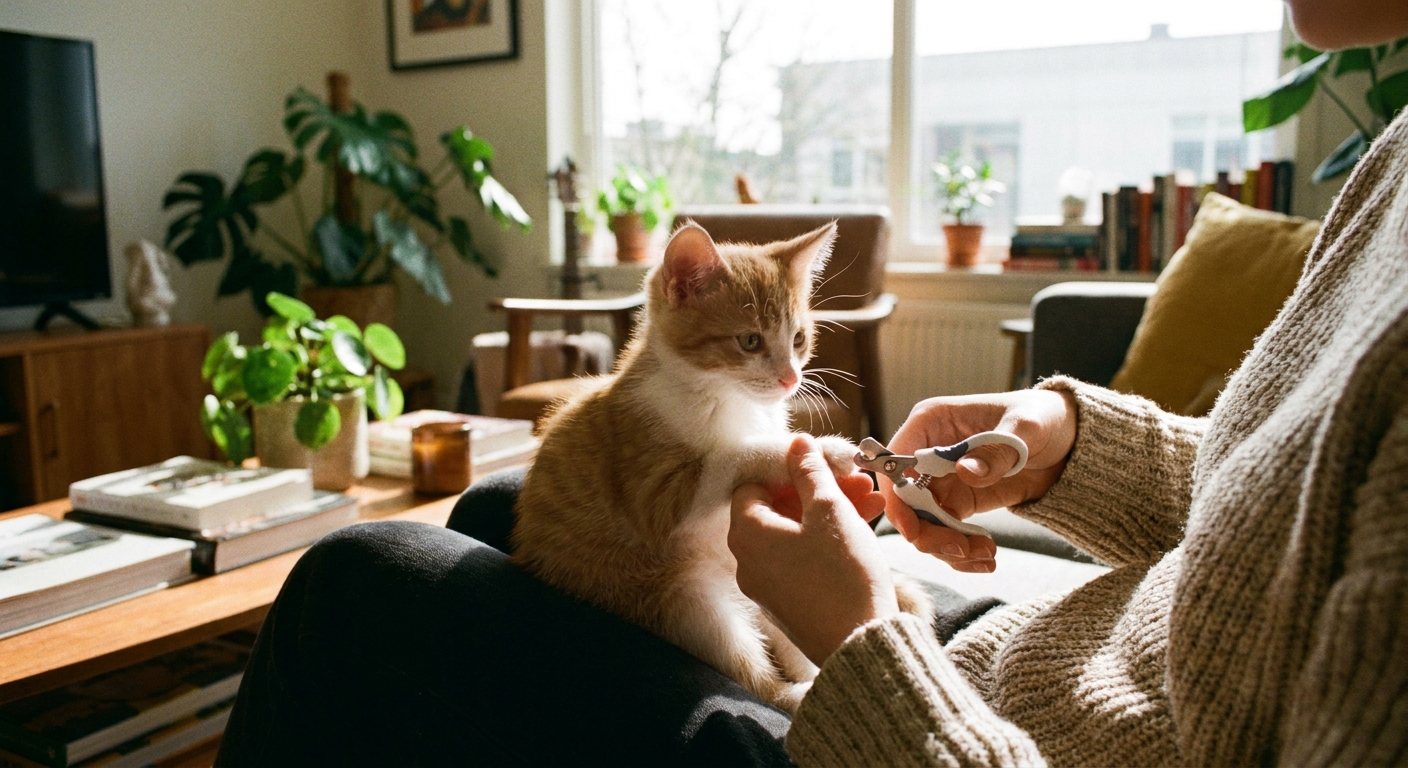
5) Nail clippers (kitten-sized) and a styptic backup
Not a brush, but grooming goes smoother when tiny needles are trimmed. Choose small scissor-style or small guillotine-style clippers made for cats, plus a backup for accidental nicks.
- Trim tip: aim for the sharp hook at the end, and avoid the pink quick. If your kitten is wiggly, do one or two nails at a time and call it a win.
- Have on hand: styptic powder is best. Cornstarch can help in a pinch for a tiny nick, but if bleeding does not stop quickly or the cut is more than minor, call your vet.
- Goal: quick, calm trims every 1 to 2 weeks so nails never get scary-long
Tools by coat type
Short-haired kittens
Short coats shed too, and the fur is often the kind that sticks into fabric. The goal is comfort and routine, not “getting every last hair.”
- Go-to tool: rubber grooming mitt or soft rubber curry
- Backup tool: soft bristle brush (baby-soft, not stiff)
- Must-have comb: flea comb for checks
How often: 1 to 2 times per week is plenty, with quick extra sessions during seasonal shedding.
Medium-haired kittens
This coat type tangles more easily than it looks like it should, especially at friction points.
- Go-to tool: soft slicker brush
- Must-have comb: metal comb to find and finish tangles
- Optional: rubber mitt for low-stress “warm-up” sessions
How often: 2 to 3 times per week. If your kitten has a fluffy belly or pants, aim for brief belly checks often.
Long-haired kittens
Long-haired kittens can develop mats surprisingly fast, and mats can pull skin, trap moisture, and become painful. Prevention is much kinder than fixing them later.
- Go-to tools: metal comb plus soft slicker brush
- Focus areas: behind ears, armpits, belly, inner thighs, around the collar line, base of tail
- Nice to have: blunt-tip grooming scissors for true emergencies only, like snipping out a stuck piece of litter at the very end of the fur. For mats, scissors are risky. If your kitten needs more than a tiny cleanup snip, a cat groomer or vet is the safest choice. Electric pet clippers are generally safer than scissors, but severe mats still belong with a pro.
How often: a quick comb-through most days, even if it is only 2 minutes. Consistency beats marathon sessions.
Curly or wavy coats
Some curly coats do best with gentler tools and less aggressive brushing, since over-brushing can make the coat frizzy or uncomfortable.
- Go-to tool: wide-tooth comb for gentle detangling
- Backup tool: very soft slicker used lightly, if your kitten enjoys it
- Avoid: anything that scratches or pulls. You should not hear “raking” sounds against the skin.
How often: 1 to 3 times per week depending on tangling.
Hairless or very sparse coats
Hairless kittens still need grooming, just not in the brush-and-comb way. Their skin can get oily, and they can accumulate debris on paws and around nails.
- Go-to tool: soft damp cloth for wipe-downs
- For nails: regular kitten nail trims plus gentle cleaning around nail beds
- Ask your vet: how often to bathe and what cleanser to use, since skin needs vary widely
Tools I skip for kittens
Some grooming products marketed for cats are simply too intense for a tiny kitten body.
- De-shedding blades and heavy “Furminator-style” tools: these can irritate skin and remove too much coat if used incorrectly, especially on kittens
- Sharp dematting rakes: useful in skilled hands, but easy to scrape skin. For kitten mats, I prefer prevention, a comb, and professional help when needed.
- Human brushes: many are fine in a pinch, but some have harsh tips or snag hair. Cat tools are designed for delicate skin.
How to introduce grooming
I promise you: most “grooming problems” are actually timing problems. Pick the right moment and keep it very short at first.
Step-by-step: the 5-minute happy grooming routine
- Start when your kitten is sleepy. Post-meal or after play is perfect.
- Let them inspect the tool. One sniff, then a treat.
- Do 3 to 5 gentle strokes. Back and shoulders are usually safest.
- Stop before they squirm. Treat again, then end the session.
- Gradually expand the “map.” Over days, add chest, sides, tail, and lastly belly and armpits.
My favorite “no drama” handling tricks
- Use your non-brushing hand as a shield. Rest it on the kitten’s body so the brush never tugs skin.
- Brush in the direction of fur growth. Especially for long coats.
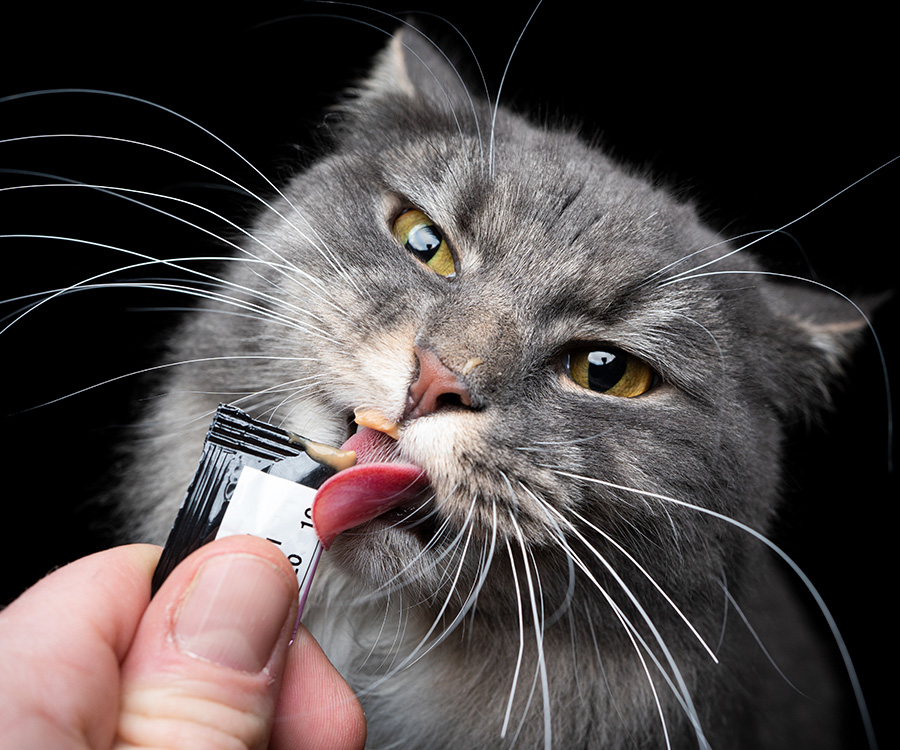
- Pair grooming with something good. Lickable treats are absolute gold for brush training. Keep portions tiny to avoid tummy trouble.
- One tool at a time. Introduce the comb on a different day than the slicker if your kitten is wary.
Dealing with tangles and tiny mats safely
Tangles happen, even with great brushing. The goal is to remove them without pulling skin.
How to spot a problem early
- You feel a little “knot” that the comb will not pass through
- Your kitten suddenly reacts to brushing a specific spot
- The fur looks clumped or separated into strings, especially near the armpits or behind ears
What to do
- Hold the fur at the base. Pinch gently between your fingers close to the skin to prevent pulling.
- Work the ends first. Use the wide side of the comb and tease from the outer edge of the tangle toward the skin, millimeter by millimeter.
- Take breaks. Two minutes now is better than ten minutes of frustration.
What not to do
- Do not cut mats with household scissors. Kitten skin is thin and can be pulled into the mat.
- Do not yank. If you are hearing snapping hair, slow down.
When to call a pro: if the mat is tight to the skin, larger than a pea, in a high-risk area (armpit, belly, groin), or your kitten is upset. A vet clinic or experienced cat groomer can remove it safely.
Cleaning and storing grooming tools
Keeping tools clean makes grooming more comfortable and helps prevent skin issues.
- After each session: pull fur off brushes and combs
- Weekly: wash tools in warm water with a small amount of gentle dish soap, rinse well, and let dry completely
- If you foster or have multiple cats: disinfect combs and clippers between cats to reduce the spread of contagious issues like ringworm. Use an appropriate disinfectant and follow label directions. Bleach solutions can be effective on non-porous items when mixed correctly, but porous tools are hard to truly disinfect and may need to be replaced.
- Storage: keep grooming tools together in a small bin so you are not hunting for them right when your kitten is finally calm
Quick buying checklist
If you want the shortest possible shopping list, this is it:
- Short hair: rubber grooming mitt + flea comb + kitten nail clippers
- Medium hair: soft slicker + metal comb + flea comb + kitten nail clippers
- Long hair: metal comb + soft slicker + flea comb + kitten nail clippers
Best rule: choose smaller tools with softer contact points. Kittens are tiny, and you will have better control with a compact brush head and a comfortable handle.
FAQ
When can I start brushing my kitten?
Right away, as long as you keep it gentle and brief. For very young kittens, keep sessions extra short, keep them warm, and think of early “grooming” as handling practice: a few soft strokes, a treat, and done.
How often should I groom my kitten?
Short hair usually does well with once or twice a week. Medium coats often need 2 to 3 times a week. Long hair benefits from quick near-daily comb checks, especially in friction areas.
My kitten bites the brush. Is that normal?
Very normal. Many kittens think the brush is a toy. Pause, offer something appropriate to bite (a kicker toy works well), then resume with slower strokes and a treat. If biting escalates, end the session and try again when they are sleepier.
Do kittens need baths if I groom them?
Most kittens do not need routine baths. Grooming plus occasional spot cleaning is usually enough. If your kitten has fleas, diarrhea mess, or got into something sticky, ask your vet for the safest cleaning plan for their age.
Can I use a detangling spray on a kitten?
I prefer to keep kittens simple. If you feel you need a product, choose one made for cats and kittens, fragrance-free if possible, and use it sparingly. When in doubt, ask your vet, especially for very young kittens who may lick product off their coat.
Does a flea comb replace flea treatment?
No. Combing is great for detection and for removing a few fleas, but a true flea problem needs an age- and weight-appropriate plan. Avoid dog flea products and anything containing permethrin, which can be toxic to cats. If you are not sure what is safe for your kitten’s age, call your vet or rescue before using any medication.