If you are thinking about a collar for your kitten, you are already doing the right kind of prevention planning. The goal is simple: help your kitten get home if they slip out, without adding risk while they do normal kitten things like climbing, wrestling, and getting into places they absolutely should not fit.
For most kittens, the best all-around option is a breakaway collar paired with a lightweight ID option. No collar is completely risk-free, so start with short, supervised sessions, and always prioritize comfort and safety over convenience. Below I will walk you through what to buy, how to fit it, and what to skip, based on what tends to work in real homes with real chaos.
Do kittens need collars?
Not every kitten needs a collar on day one, but many benefit from some form of ID once they are confident movers and explorers, especially if:
- You have kids coming in and out.
- You live in an apartment building or have shared hallways.
- Your kitten is curious about doors, patios, balconies, or open windows.
- You have service workers visiting regularly.
If your kitten is extremely tiny (around 8 to 10 weeks) or still adjusting to your home, it is fine to wait a week or two. What matters most is that when you do use a collar, it is breakaway and fitted correctly.
Breakaway collars: what safe means
A breakaway collar is designed to pop open under pressure so a kitten can escape if the collar gets caught on something. That “something” can be a crate wire, a heat register, a chair leg, a sibling cat’s mouth, or a surprising number of household nooks you did not know existed.
Quick safety checklist
- True breakaway buckle: A buckle designed to open when pulled hard enough.
- Lightweight and narrow: For most kittens, a 3/8 inch wide collar (or similarly slim) is more comfortable than a wide band.
- Adjustable to small sizes: Look for kitten-specific sizing, not “one size fits all cats.”
- Good condition: Skip collars with fraying fabric, loose threads, or cracked buckles.
- No dangling charms (at least at first): Less to snag and less to irritate.
- Be cautious with stretch-only designs: Some elastic or stretch collars may not release reliably under a sustained snag. A tested breakaway buckle is the clearer safety feature.
Quick-release vs breakaway
Brands use different words, but you want the kind that releases under pressure. If a product description says it is designed to open if caught or pulled, that is a good sign. If it only says “easy on and off,” that is not the same thing.
How to fit a kitten collar
The most common collar issue I see is not the collar itself. It is the fit. Kittens grow fast, and a collar that was perfect last week can be too snug now.
The two-finger rule
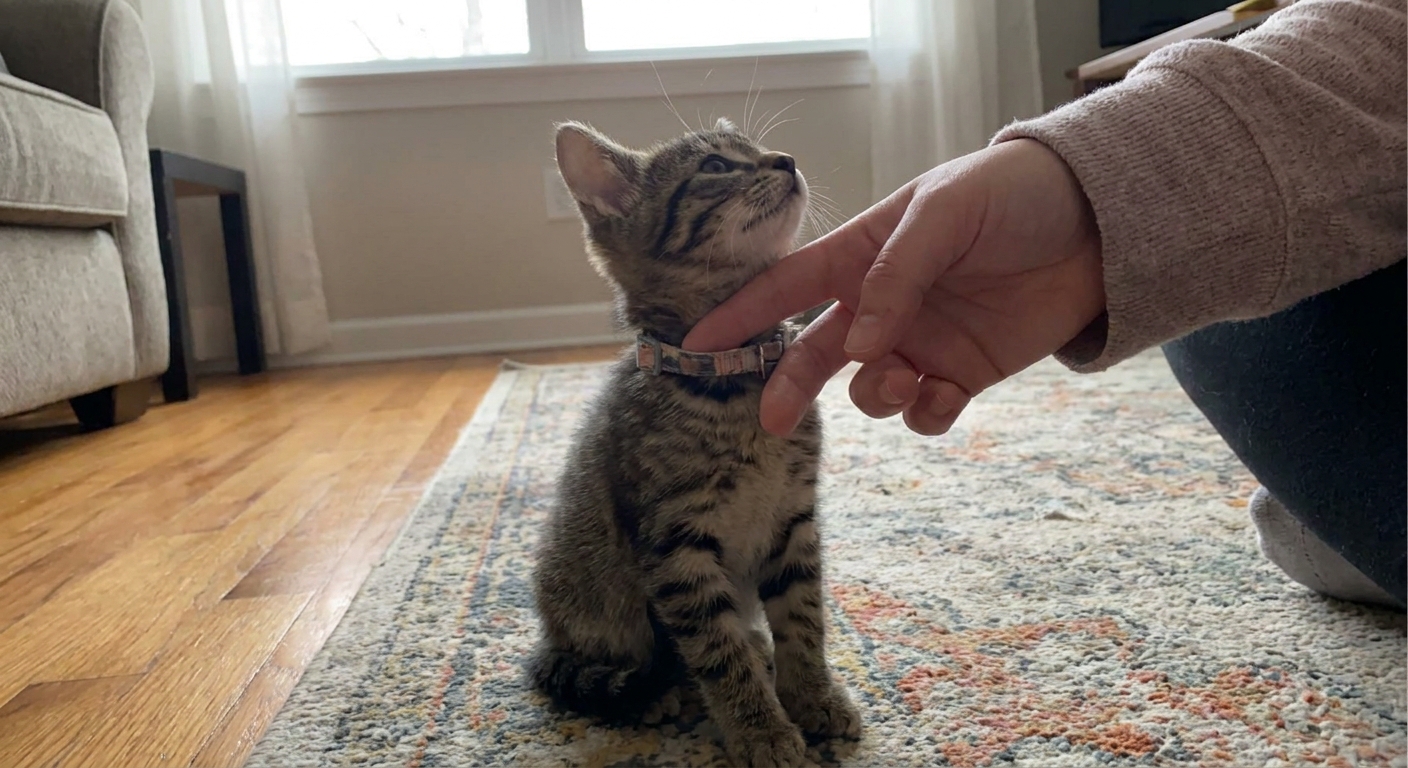
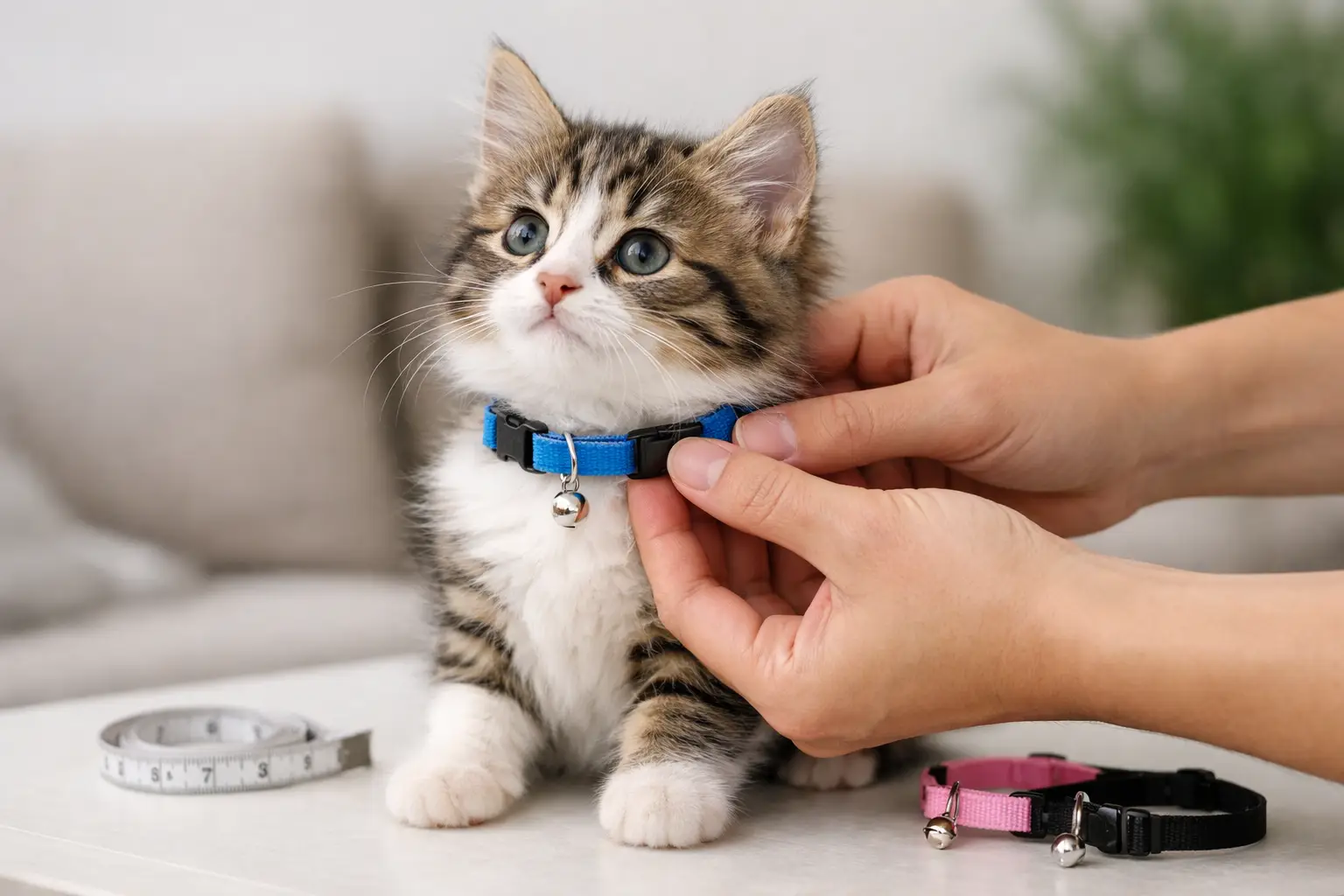
Slide two fingers (flat, not stacked) between the collar and your kitten’s neck. You should be able to fit them comfortably, but the collar should not spin wildly or slip over the head.
Step-by-step fitting routine
- Start with a calm moment after play or a meal.
- Adjust the collar off your kitten first so you are close to the right size.
- Put it on and check the two-finger fit.
- Watch for 5 minutes: normal scratching is okay at first. Panicked rolling, gagging, or getting a jaw stuck means remove it immediately and reassess.
- Recheck daily for the first week, then at least weekly after that.
How tight is too tight (and too loose)?
- Too tight: you cannot comfortably fit two fingers, you see fur parted constantly, or your kitten seems uncomfortable swallowing or grooming.
- Too loose: the collar can slip over the ears, or your kitten can get a back foot caught under it when scratching.
Two easy safety rules people miss
- Never attach a leash to a breakaway collar. Use a properly fitted harness for leash walking.
- Be extra cautious with crates. If your kitten is crated unsupervised, consider removing the collar during crate time or use your vet’s guidance for your setup.
Watch the skin
Check for redness, hair loss, or a damp “collar line,” especially in long play sessions or humid weather. If you see irritation, take the collar off and talk to your vet if it does not quickly improve.
Choosing an ID tag
ID is the whole point of the collar, but heavy tags can annoy kittens and can change how a collar sits. The sweet spot is small, light, and easy to read.
Best tag features for kittens
- Lightweight material: thin stainless steel, aluminum, or silicone. Avoid thick novelty tags.
- Small size: kitten-sized or “small cat” tags tend to sit better and swing less.
- Rounded edges: less likely to poke or catch fur.
- Quiet attachment: a silicone tag silencer or a quieter style helps if the jingling makes your kitten frantic.
- Reflective or bright color: helpful for visibility if your kitten slips out, especially in low light.
What to put on the tag
Keep it simple and readable. My go-to:
- Front: Kitten’s name
- Back: Your phone number (one is fine, two if you have space)
If you are worried about privacy, skip your address. In many cases, a phone number is what gets you the fastest call from a neighbor.
Engraved vs printed
Engraved tends to last longer and stays readable even if the tag gets scratched. Printed tags can work, but the text may fade with time and rough play.
Collar bells
Bells are controversial for a reason. They can help you locate a kitten in a quiet house, but some kittens find constant noise overstimulating.
If you use a bell, choose a very small, quiet bell and watch your kitten’s body language for a day or two. Signs it is not going well include hiding more than usual, frantic scratching at the collar, or getting jumpy during normal movement. You can always remove the bell and keep the collar.
When a collar is not right
Some kittens truly do better without a collar for a while. Consider skipping or pausing collar training if:
- Your kitten is under veterinary care for neck or skin issues.
- Your kitten keeps getting a foot stuck under the collar even with correct fit.
- You have a kitten who freezes or panics every time the collar goes on.
In those cases, focus on microchipping (when your vet recommends it), secure screens, and door routines. A collar is extra protection, not your only line of defense.
A note on other pets
If you have another cat, expect some interest in the new collar. Chewing, wrestling, or grabbing the collar can trigger the breakaway, and that is normal. Do the first few sessions with supervision so you can step in if play gets too intense.
Collar training
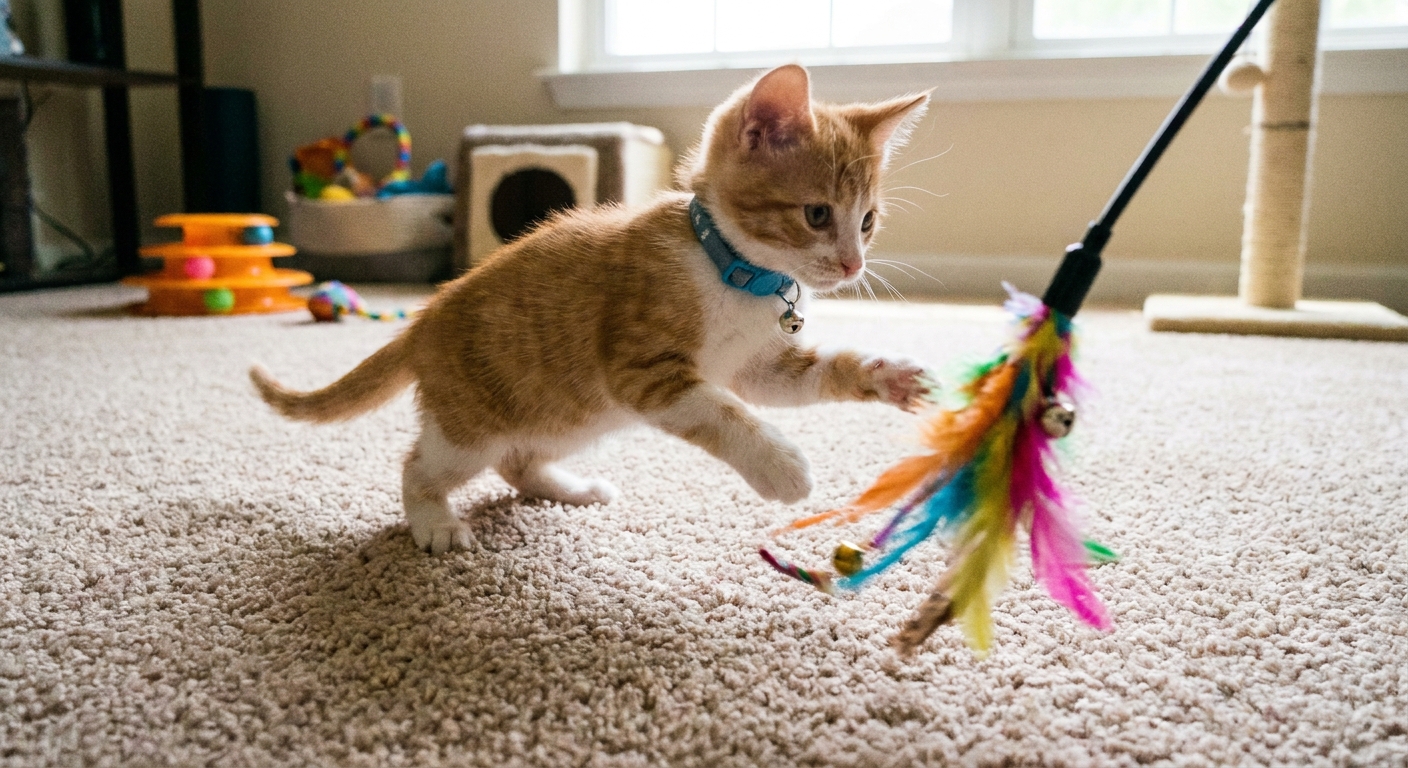
The best collar training is low drama. You want your kitten to think, “Oh, that thing is on. Anyway, where is my toy?”
A simple 3-day plan
- Day 1: Put the collar on for 5 to 10 minutes during playtime, then remove it.
- Day 2: Two short sessions, adding the ID tag for a few minutes at the end.
- Day 3: One longer session (30 to 60 minutes) with treats, play, and normal movement.
If your kitten gets stuck in a scratch spiral, distract with a wand toy, toss a few treats, or start a mini play session. The goal is redirection, not “toughing it out.”
Common mistakes (and fixes)
Mistake: buying an adult cat collar
Fix: Look for kitten sizing and a lighter build. Adult collars can be too wide and bulky.
Mistake: choosing a heavy, oversized tag
Fix: Switch to a small tag or a lightweight silicone option, and keep the text minimal.
Mistake: setting the collar and forgetting it
Fix: Put a weekly reminder on your phone. Kittens can gain weight and neck size quickly during growth spurts.
Mistake: assuming breakaway means cannot get caught
Fix: Still kitten-proof your space. A breakaway collar is a safety feature, not a guarantee.
FAQ
How young can a kitten wear a breakaway collar?
Many kittens can start collar training around 10 to 12 weeks if the collar is kitten-sized, fitted correctly, and supervised at first. Size, confidence, and temperament matter. If your kitten is very small for age or you just adopted them and they are overwhelmed, waiting a bit is completely fine. When in doubt, ask your vet.
Should kittens wear collars indoors?
Indoor kittens can still slip out, so an indoor collar is reasonable if it is breakaway and your kitten tolerates it well. If your kitten is a champion troublemaker who gets caught on everything, prioritize safety and try again later.
Can my kitten wear a harness instead of a collar for ID?
Harnesses are great for supervised walks and travel, but they are not usually meant to be worn all day. For everyday ID, a breakaway collar is typically the safer option.
What if my kitten keeps losing the breakaway collar?
This is common, especially during play. First, check the fit. If it is correct and your kitten is still popping it open constantly, try a different brand with a slightly different release tension, but do not switch to a non-breakaway collar for convenience.
Is a microchip enough without a collar?
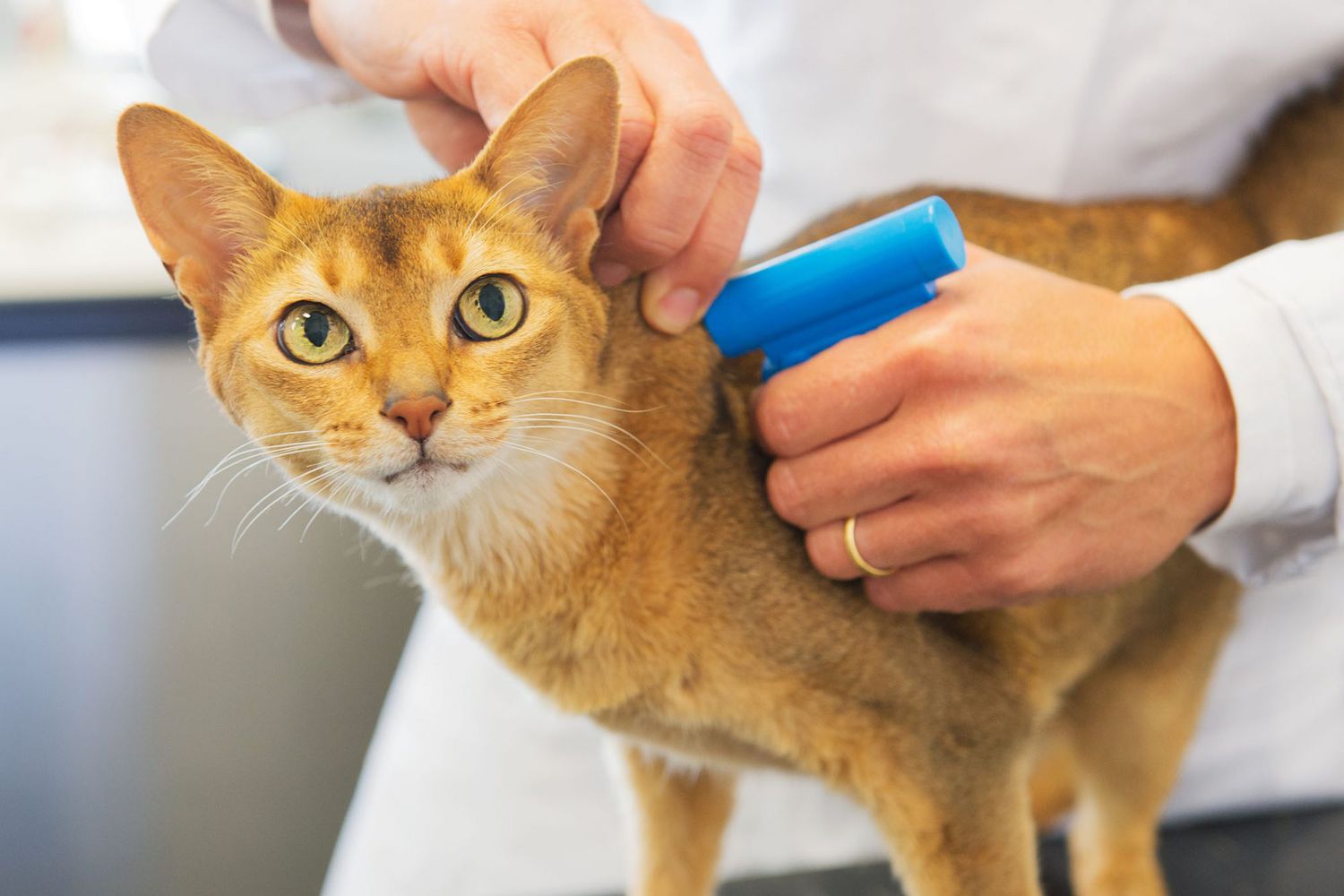
A microchip is excellent backup, but it requires someone to bring your kitten to a shelter or vet to be scanned. A collar and ID tag can get you a phone call quickly from a neighbor. If you microchip, make sure the chip is registered and your contact info stays updated.
My simple shopping list
- Kitten-sized breakaway collar (narrow, lightweight, adjustable)
- Small engraved ID tag (rounded edges)
- Optional tag silencer (for noise-sensitive kittens)
- Optional reflective collar or strip (for extra visibility)
If you want the simplest setup, start with just the collar for a day, then add the tag once your kitten is acting normal in it. Most kittens adjust quickly once they realize it does not stop them from doing kitten business.