If your kitten has ever backed out of a collar like a tiny magician, you are not imagining things. Cats are built for wriggling, and kittens are extra bendy. The good news is that a secure harness can let your kitten safely experience fresh air and new sights, without the heart-stopping “where did she go?” moment.
This guide walks you through the harness styles that tend to hold up best for escaping beginners, how to measure and fit them, and what to avoid so training stays calm and confidence-building.
Before you buy: what makes a harness harder to escape
“Escape-proof” is always a little optimistic, but a few features can dramatically reduce slip-outs, especially during the early training phase.
- Two loops, not one: Look for a harness with a neck strap at the base of the neck plus a chest or girth strap behind the front legs. Two points of restraint are much harder to reverse out of than a single band.
- Adjustability in multiple places: Look for at least two adjustment sliders. Four is even better for tiny bodies that change fast.
- Secure hardware: A sturdy buckle that clicks positively and does not pop open when pulled. For fast kittens, I prefer buckles that require a deliberate press to release.
- Wide, smooth material: Thin straps can dig in and make a kitten panic and thrash. Wider webbing or soft-lined straps distribute pressure more comfortably.
- Leash attachment that stays centered: I prefer a centered back D-ring because it usually keeps the harness more stable. Offset rings can work too, but they are more likely to twist the harness if your kitten pulls or spins.
- Snug without restricting: The harness should be snug enough that your kitten cannot back out, but not tight enough to restrict breathing or shoulder movement.
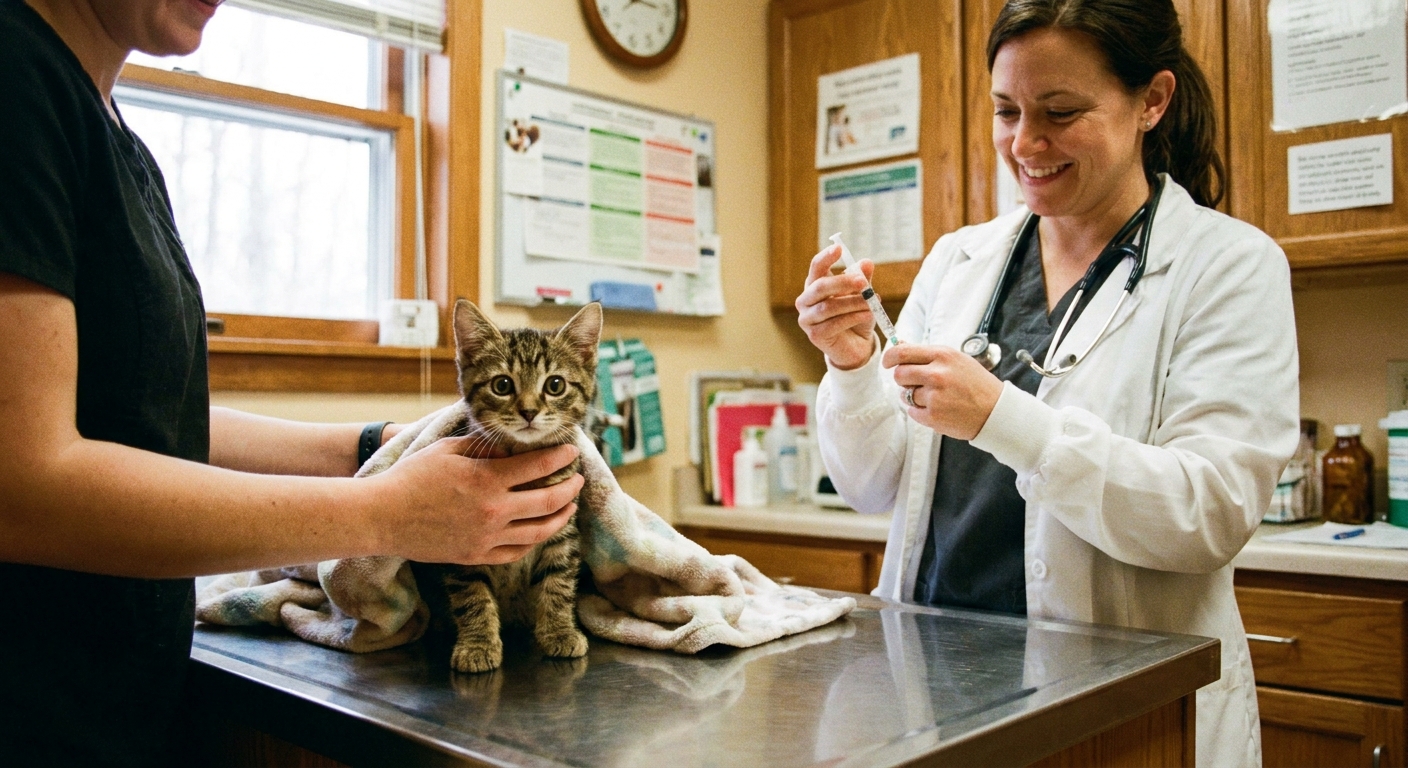
One more reality check: if your kitten is very young, very tiny, or newly recovering from illness, I usually recommend waiting on outdoor harness adventures. You can still practice indoors with short, positive sessions. When you do plan to go out, talk to your veterinarian about timing based on vaccines and local risks, and make sure your kitten is on appropriate parasite prevention for your area.
Harness styles for escape artists
There is no single perfect harness for every kitten. Body shape, coat fluff, confidence level, and even how your kitten tries to escape all matter. Here are the common styles, plus who they work best for.
Strap (H-style) harness
This is the classic two-loop design connected by a strap along the back. When sized correctly, strap harnesses are lightweight, adjustable, and great for kittens who dislike bulky gear.
- Why beginners like it: Easy to put on and adjust. Less fabric to startle sensitive kittens.
- Watch-outs: If the neck strap at the base of the neck is too loose, a kitten can back out. Look for solid adjustability and a girth strap that sits behind the front legs, not in the armpits.
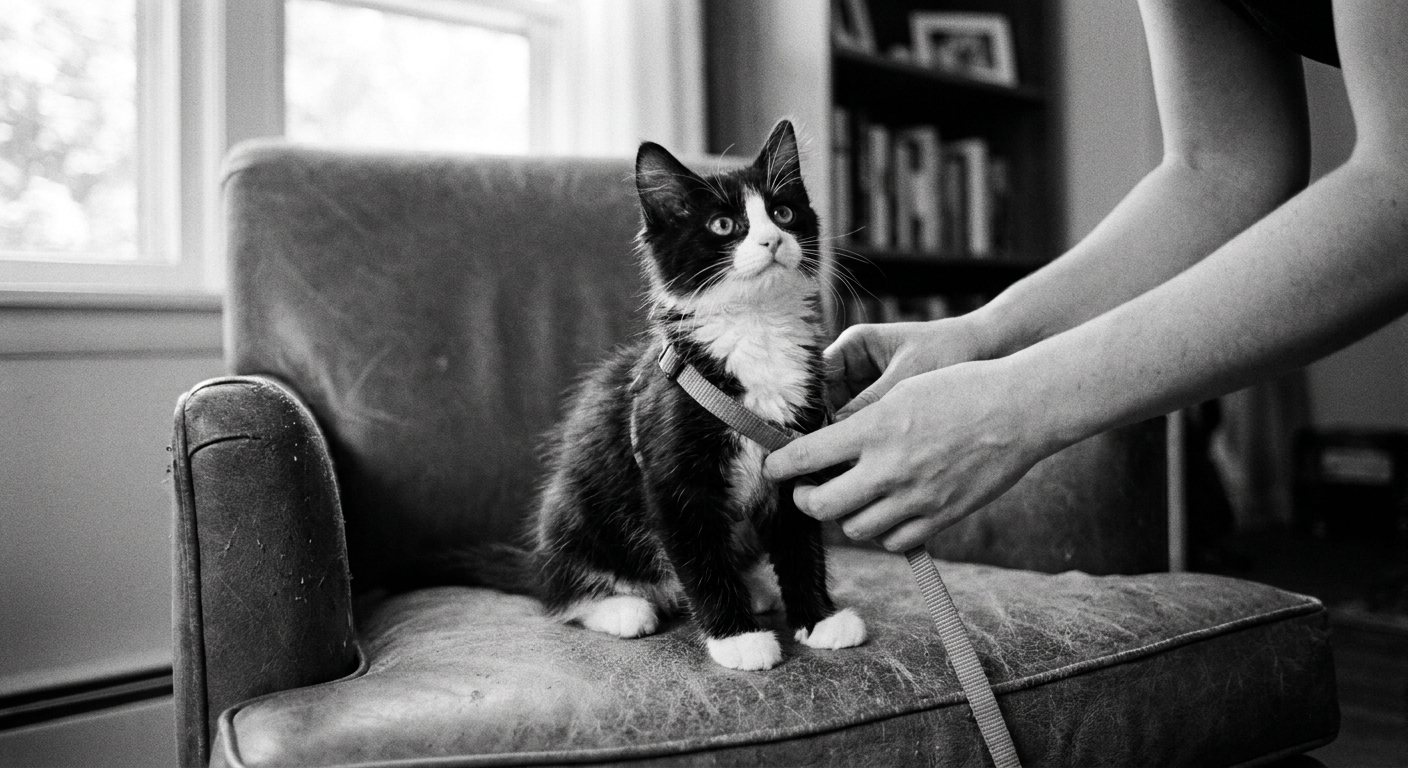
Figure-8 or infinity harness
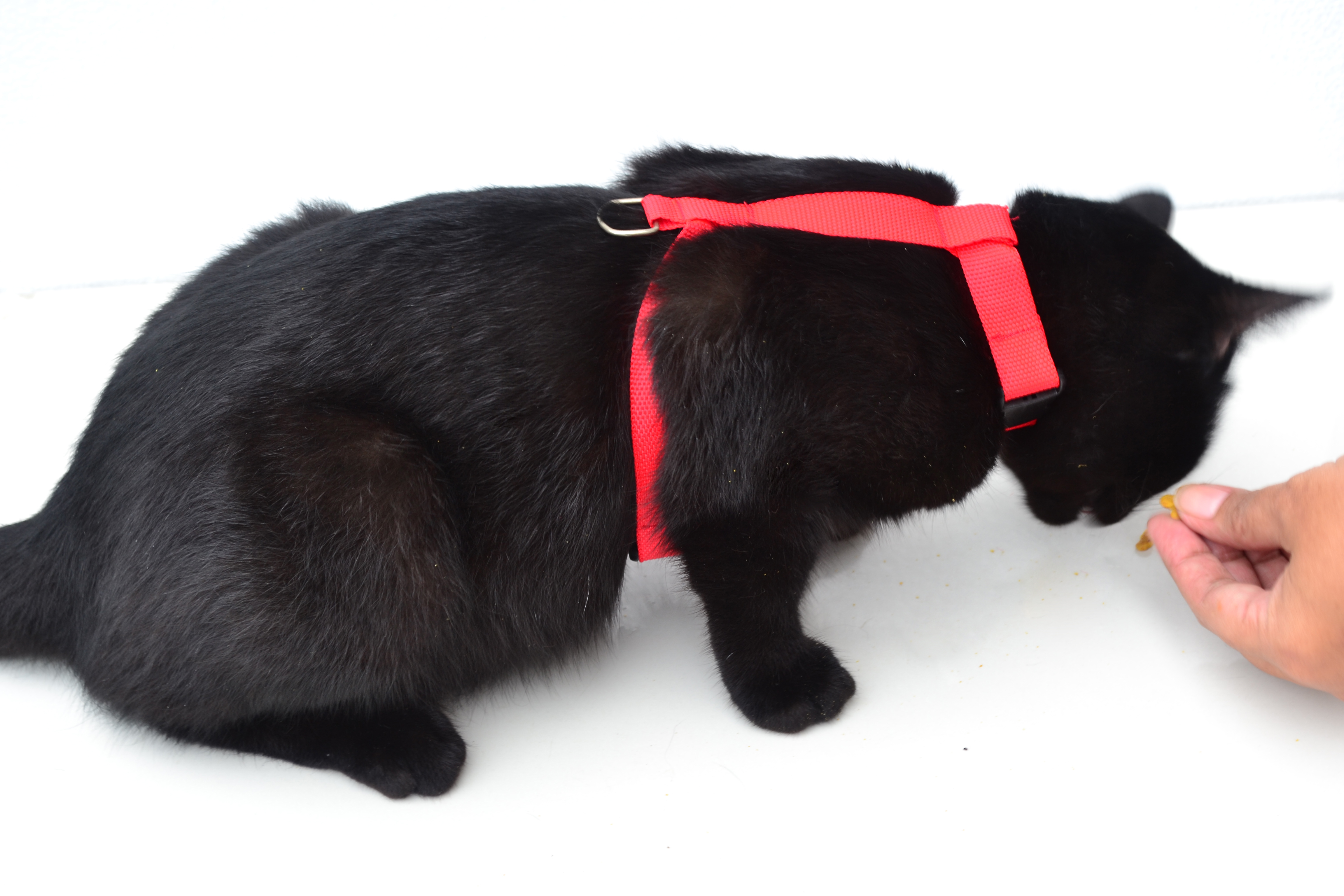
Figure-8 designs create two connected loops that may tighten under tension. For some escape-prone cats, that added resistance can help when the fit is correct and the kitten stays calm.
- Why it can be secure: When properly adjusted, a little tightening can make it harder to back out.
- Safety note: “Figure-8” varies a lot by brand. Some designs can tighten more than you expect if a kitten bolts. I only use tightening-style harnesses with close supervision, careful fitting, and slow training. You never want any harness to function like a choke. If you cannot keep the loop comfortably limited, choose a different style.
- Watch-outs: Some kittens find the sensation of tightening stressful. Choose soft webbing and spend extra time on slow, treat-based acclimation.
Vest harness
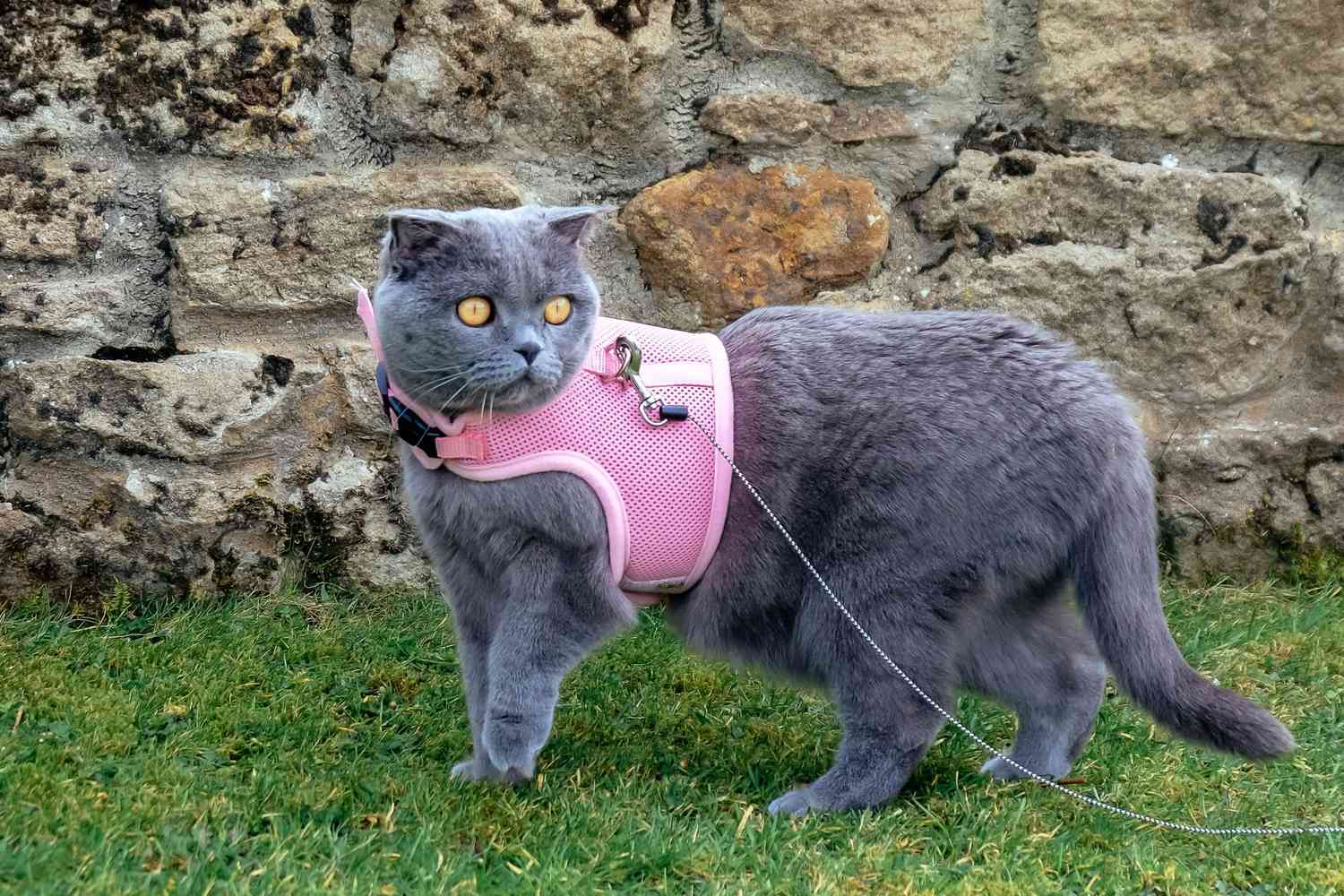
Vest harnesses cover more of the chest and torso. They can feel more “huggy,” which many kittens tolerate well once they adjust.
- Why beginners like it: Harder to twist, often very comfortable, and helpful for tiny frames that slip strap harnesses.
- Watch-outs: Fit is everything. A vest that is even slightly big can become a slip-out risk. Also, thicker fabric can run warm in hot weather.
Jacket harness with belly coverage
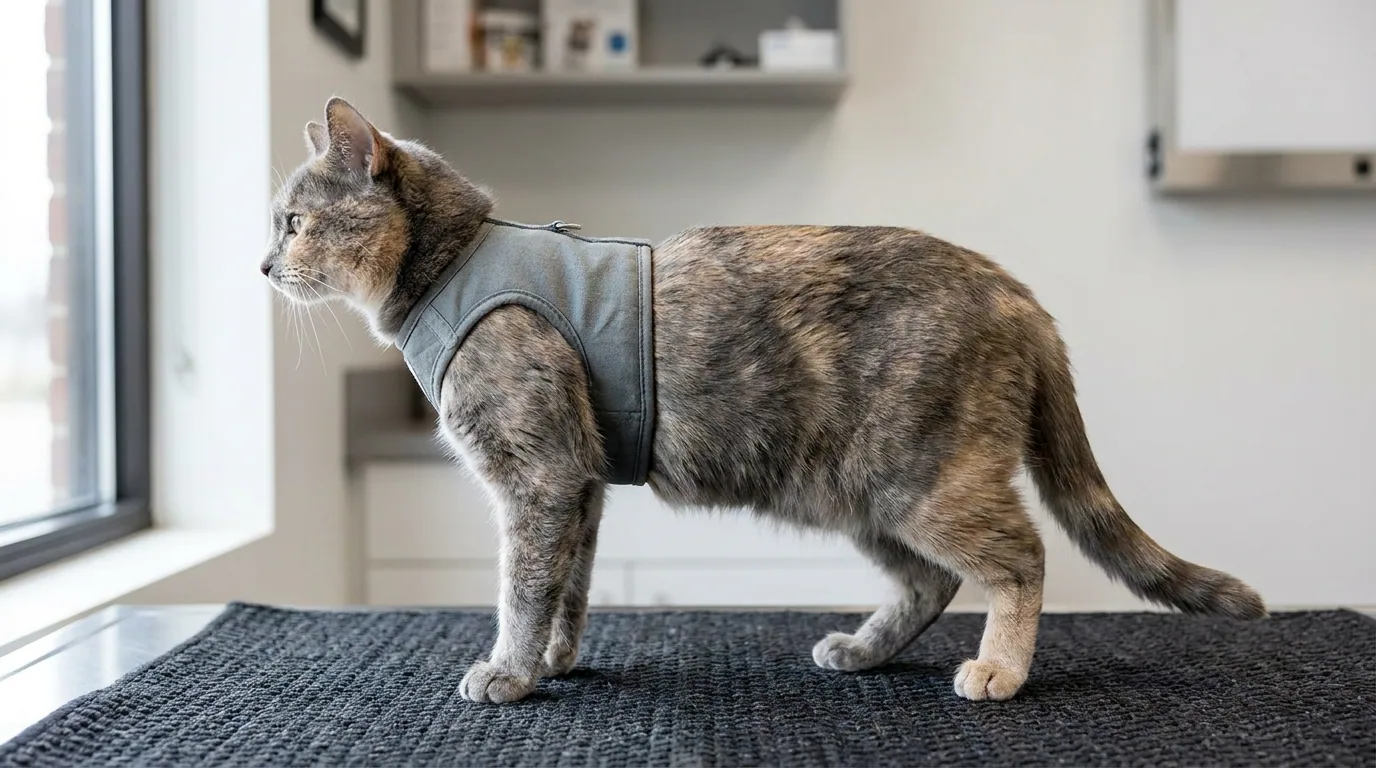
These look similar to vests but often have more coverage and a slightly more structured shape.
- Why it can help: Extra coverage can reduce wriggling, and the harness is less likely to ride up toward the neck.
- Watch-outs: Some cats dislike the “clothing” feel. Make sure leg openings do not rub the armpits, and check the sternum area for any pressure points.
How to measure your kitten
Most harness sizing comes down to two measurements: girth (around the chest, just behind the front legs) and neck base (around the base of the neck, lower than a collar and closer to the shoulders).
Quick measuring steps
- Measure chest girth: Wrap the tape around the widest part of the chest, right behind the front legs. Keep it snug but not tight.
- Measure neck base: Measure where the harness neck strap will sit, at the base of the neck.
- Compare to the brand’s size chart: Do not guess by age. A 10-week kitten can be petite or sturdy.
No tape measure?
Use a piece of string, ribbon, or even a phone charging cable, mark the length with your fingers, then measure it against a ruler or standard paper size at home.
Kitten foster tip: If your kitten is growing fast (most are), prioritize harnesses with a wider adjustment range so you are not replacing it in two weeks.
Fluffy kitten note: Long fur can make straps look tighter or looser than they really are. Always do the finger check on the straps themselves, not just what your eyes think the fit is.
Fit checks I do every time
I know this part can feel fussy, but fit is the whole game. A good harness with a poor fit is how kittens slip out.
The finger rule (kitten version)
You should be able to slide one to two fingers under each strap. For very small kittens, one finger is often more realistic than two.
Placement basics
- Girth strap sits behind the front legs: Not in the armpits. If it rubs, your kitten will hate harness time.
- Neck strap stays low: It should sit at the base of the neck and should not creep up toward the throat when you apply gentle leash tension.
- Back strap lies flat: If the harness twists easily, it is either too loose or a poor match for your kitten’s build.
The back-out test
Before you ever go outside, do a controlled test indoors:
- Attach the leash.
- Hold the leash with light tension (do not yank).
- Let your kitten take one or two steps backward.
- If the neck strap rides up and your kitten’s ears can begin to slip through, the harness is too loose or the style is wrong.
Leash choices for beginners
A leash can make or break early harness training. Your goal is to keep things smooth, predictable, and low-tension.
Best starter leash
- Length: 4 to 6 feet
- Material: Soft nylon or lightweight biothane-style material
- Clip: Small, sturdy clip that does not swing heavily
A light leash helps prevent the harness from shifting around on a kitten’s body, which reduces the “get it off me” reaction.
Use caution with retractable leashes
I do not recommend retractables for beginner kitten training. The constant tension often encourages pulling, and the sudden zips can spook a kitten into bolting. Once your cat is calm and leash-savvy, you can reassess, but early on, simple is safer.
Hardware and materials that matter
Buckles
Look for buckles that feel firm and “click” solidly. Avoid flimsy plastic that bends easily. If your kitten is a wiggler, a double buckle design can add peace of mind.
Velcro
Velcro can be fine as a backup closure on a vest, but I do not rely on Velcro alone. Kittens can twist, scratch, and gradually peel it open.
Reflective trim
Reflective details are a nice bonus for dusk or early morning, but they do not replace supervision. Harness time should always be attended, even in a fenced yard.
Soft edges
Run your fingers along seams and edges. If it feels scratchy to you, it will feel worse to a kitten. Soft binding around leg openings helps prevent rubbing.
My shopping checklist
- Neck strap at the base of the neck plus a girth strap behind the front legs
- At least two adjustment points, ideally four
- Back leash attachment that stays stable, preferably centered
- Wide, smooth straps or soft vest material
- Secure buckle closure (not Velcro-only)
- Lightweight leash with a small clip
- Easy return or exchange policy in case the fit is off
Before the first outing: safety basics
I love outdoor time for confident kittens, but I keep the health and backup plan simple and serious.
- Vaccines and local disease risk: Ask your veterinarian when outdoor time makes sense for your kitten and your region.
- Parasite prevention: Fleas, ticks, and intestinal parasites are part of the real world. Make sure your kitten is protected appropriately for your area.
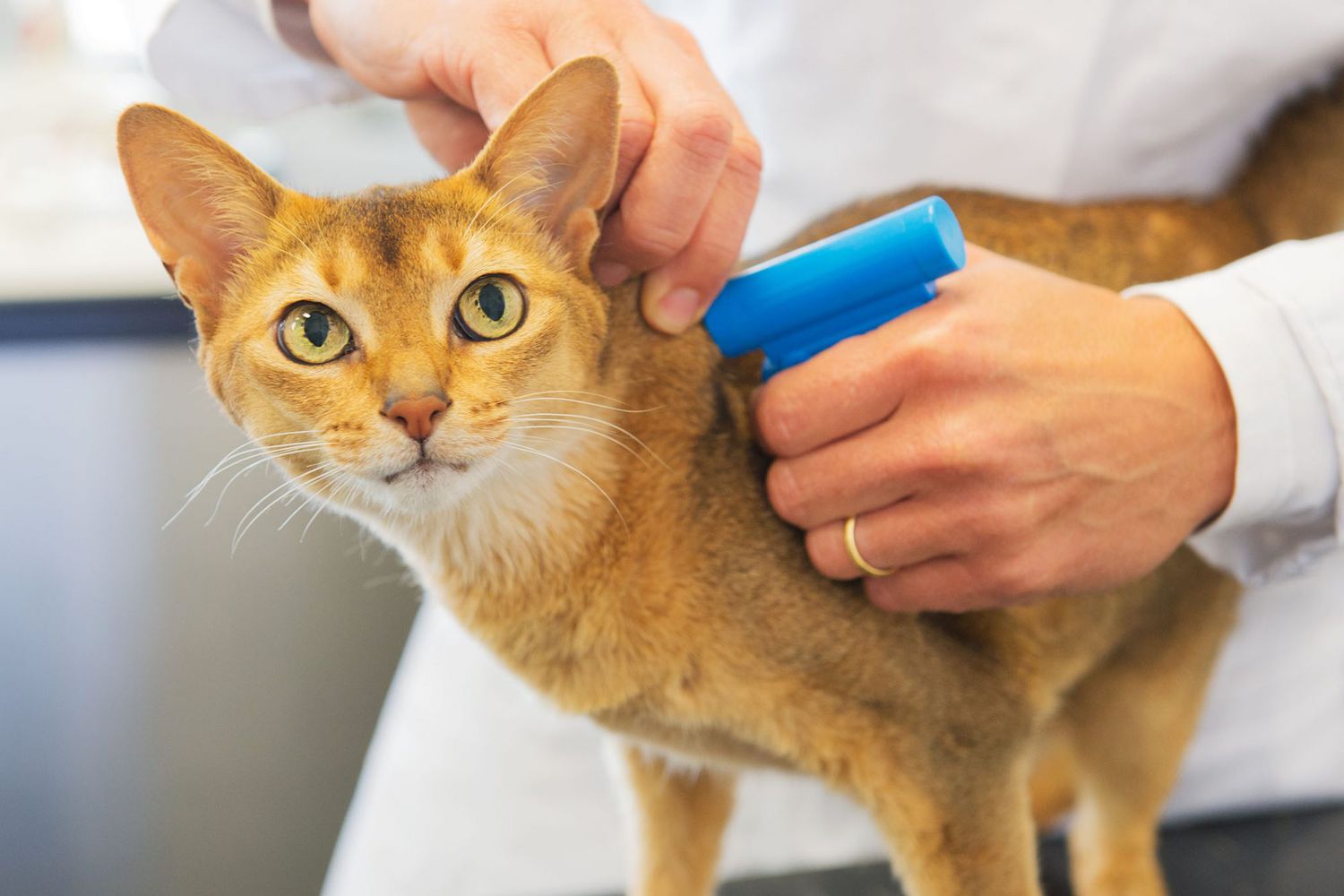
- Microchip plus visible ID: A microchip is the most reliable backup if a kitten slips free. If you add a collar tag, use a breakaway collar and keep the leash on the harness, not the collar.
- Never tie out unattended: No yard tie-outs, no leaving a harness on “just for a minute.” Cats can snag or panic fast.
Harness training starts before the front door
The most secure harness in the world will not help if your kitten panics. Take it slow and make the harness predict good things.
A calm progression
- Let them sniff it: Harness on the floor, treats nearby.
- Touch and treat: Gently touch the harness to their shoulders, treat immediately.
- Wear it briefly indoors: 10 to 30 seconds at first, then treat and remove.
- Build up to normal activities: Let your kitten eat or play while wearing it.
- Add the leash indoors: Let them drag it for a moment under supervision, then pick it up and follow their lead.
If your kitten flops over or freezes, that is normal. Do not tug. Treat, wait, and keep sessions short. I have watched plenty of kittens go from statue mode to strutting in a week with gentle repetition.
First outdoor sessions
Make the first outings boring in the best way: quiet, close to home, and short. I like a low-traffic spot and I avoid dog-heavy areas. If your kitten is nervous, bring a carrier and set it down as a “base camp” they can retreat to.
Common buying mistakes (and fixes)
Buying “one size fits all”
For kittens, one-size gear often means “fits poorly.” Choose a kitten-specific size range with a real chart.
Picking a harness they will grow into
This is how escapes happen. Buy for today’s measurements, with enough adjustability for growth. If you need to size up later, that is normal.
Assuming a collar is a safe backup
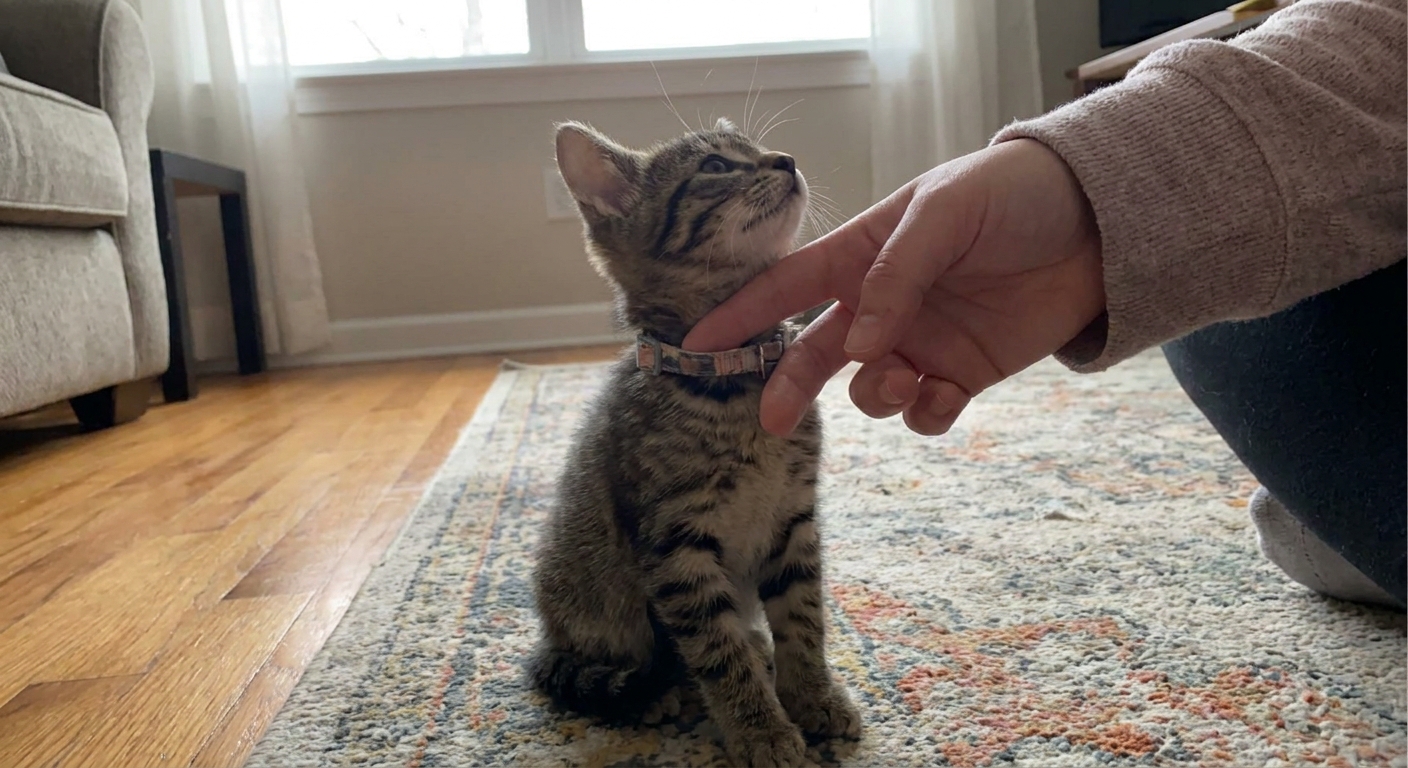
Do not clip a leash to a collar. If you want visible ID, use a breakaway collar in addition to the harness, not instead of it.
Going outside too soon
Rushing the first outings can create fear that is hard to undo. If your kitten is still freezing, rolling, or panicking indoors, stay inside and build confidence first.
FAQ
What age can kittens wear a harness?
Many kittens can begin indoor harness acclimation around 8 to 10 weeks if they are healthy and confident, but it depends on the kitten. Outdoor walks are usually smoother once vaccines are appropriately underway and your kitten is comfortable in the harness indoors. If you are unsure, ask your veterinarian based on your kitten’s vaccination schedule, parasite prevention plan, and local disease risk.
How tight should a kitten harness be?
Comfortably snug. You should be able to fit one to two fingers under each strap, and the harness should not shift easily when your kitten turns or backs up.
What is the most escape-resistant harness style?
For many kittens, a well-fitted vest harness is the hardest to slip. For some determined escape artists, a properly fitted figure-8 style can also work, but it needs careful sizing and calm training. The best option is the style your kitten can tolerate comfortably, since thrashing and rolling increases escape risk.
Can I leave a harness on my kitten at home?
I do not recommend it. Harnesses can snag on furniture or become a chewing hazard. Harness time should be supervised.
Final thoughts from my foster room
When people tell me their kitten is “impossible” on a harness, it is almost always one of two things: the fit is off, or the training moved too fast. A secure, adjustable harness plus slow, treat-based practice turns most tiny escape artists into confident little explorers.
If you want one simple rule to shop by, here it is: choose a harness that stays low at the base of the neck, adjusts in multiple places, and stays stable when your kitten backs up. That combination prevents the majority of beginner escapes.